Top Silk Weaving Techniques Used by Chinese Scarf Manufacturers
Silk weaving affects far more than surface texture. For a custom scarf brand, the weave helps determine print clarity, shine, drape, hand feel, durability, finishing options, and perceived value. This guide explains the main silk weaving techniques used by Chinese scarf manufacturers and how to choose the right structure for a production-ready custom silk scarf.
Why Weave Structure Matters for Custom Scarves
When buyers compare silk scarves, they often begin with fiber content, momme weight, size, print method, and price. Those details matter, but the weave structure is just as important. The same 100% mulberry silk can feel crisp, soft, glossy, matte, structured, or fluid depending on how the warp and weft yarns are interlaced.
For a custom silk scarf, weave structure affects how the scarf folds, how clearly a border prints, how much light reflects from the surface, how stable the fabric feels during sewing, and how the finished product looks in retail photography. This is why experienced manufacturers discuss fabric construction before quoting final bulk production.
If your project includes strong artwork, detailed motifs, precise Pantone matching, hand-rolled hems, branded labels, or gift packaging, the weave should be chosen together with the custom printing process and the final product positioning.
Plain Weave for Light and Breathable Scarves
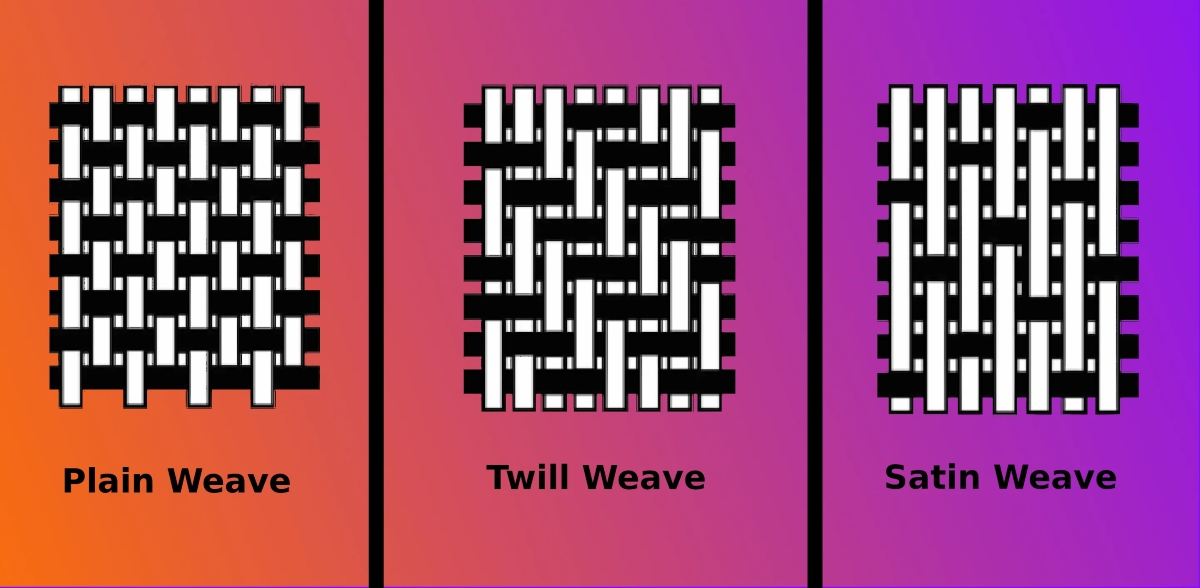
Plain weave, sometimes called tabby weave, is the simplest and most balanced fabric structure. Each weft yarn alternates over and under each warp yarn, creating a stable surface with even tension. In silk scarf manufacturing, plain weave is often used when the goal is a lightweight, breathable, soft accessory with a clean and understated finish.
Habotai silk is a familiar example of a plain-weave silk fabric. It is smooth, light, and comfortable against the skin, making it suitable for summer scarves, bandanas, promotional silk scarves, and designs where softness and price control are important.
- Best for: lightweight scarves, bandanas, everyday accessories, and soft promotional products.
- Strength: balanced hand feel, breathable structure, and relatively efficient production.
- Watch point: very light fabrics may show less body and may not hold structured knots as well as twill.
Twill Weave for Structured Printed Scarves
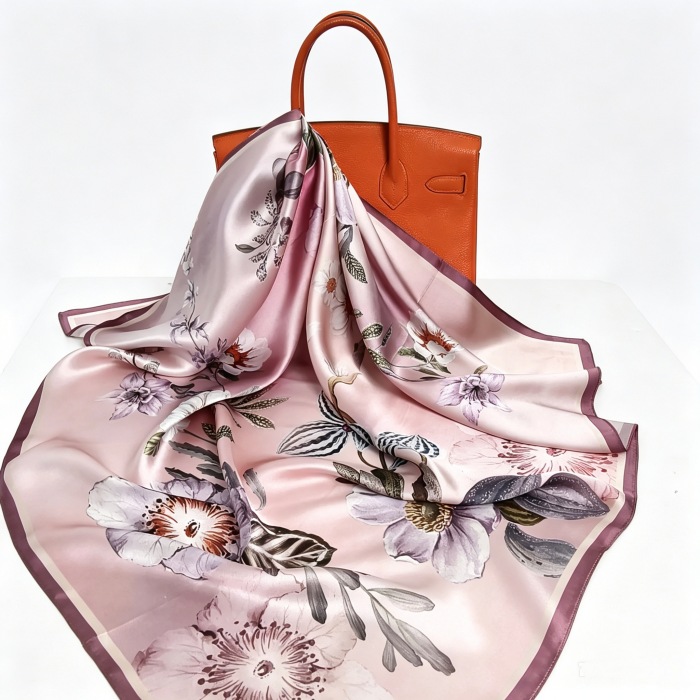
Twill weave is recognized by its subtle diagonal ribs. Instead of a simple one-over-one pattern, the yarns pass over and under multiple yarns in a staggered sequence. This creates a fabric with more body, better drape control, and a surface that works especially well for printed square scarves.
Silk twill is widely used for luxury scarves because it balances elegance and practicality. It can carry detailed borders, geometric layouts, brand motifs, equestrian themes, and large-format artwork while still feeling soft and wearable. It also helps scarves hold folds and knots, which is important for styling, merchandising, and customer use.
For buyers comparing fabric options, our detailed guide to what silk twill is explains how the weave is built and why it is so often selected for printed scarf collections.
- Best for: designer square scarves, printed neck scarves, branded silk accessories, and premium gift collections.
- Strength: structured drape, strong print presentation, and good styling performance.
- Watch point: the final hand depends on yarn quality, momme weight, finishing, and sampling approval.
Satin Weave for Shine and Fluid Elegance
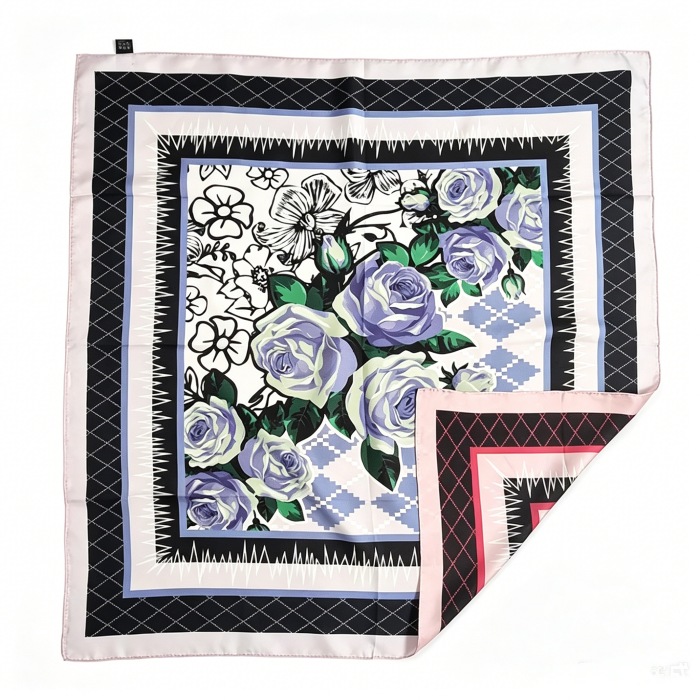
Satin weave is designed to create a smooth, reflective surface. Longer yarn floats reduce visible interlacing points, so the fabric catches more light and feels very soft to the touch. In silk, satin can create an elegant, luminous effect that works beautifully for evening scarves, refined accessories, apparel trims, and luxury gift products.
The important point is that satin is a weave, not a fiber. A product described as satin may be made from silk or from synthetic fibers. For a premium scarf, always confirm whether the fabric is 100% mulberry silk satin, silk charmeuse, silk satin, or another material. This avoids confusion during quotation, sampling, and final approval.
Satin is more delicate than many plain-weave and twill fabrics, so it should be evaluated carefully for edge finish, snag resistance, print method, handling, packaging, and end use.
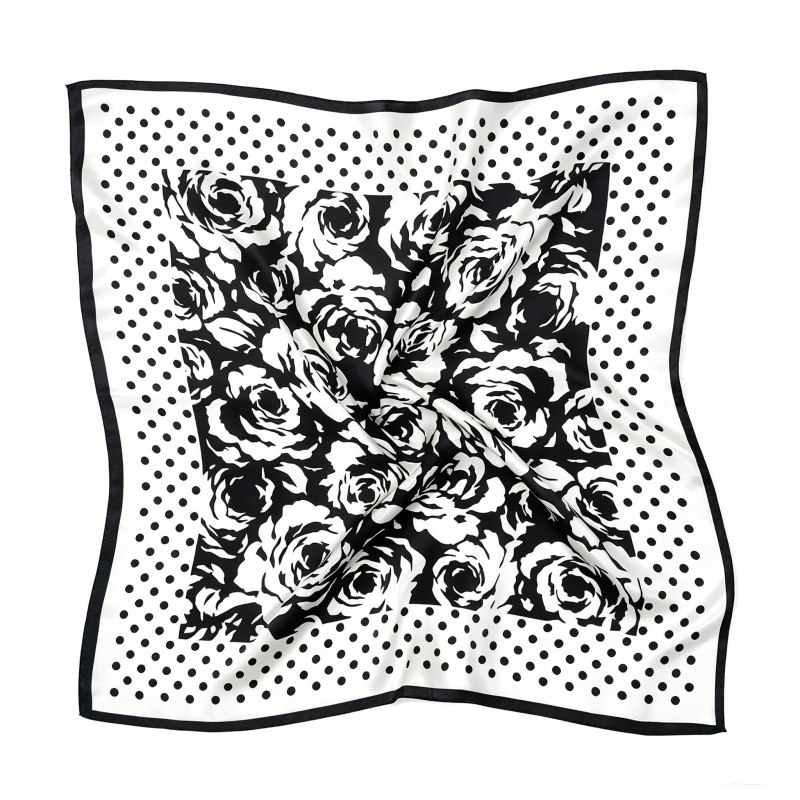
Plain Weave vs Twill vs Satin: Practical Comparison
| Weave | Typical effect | Best product use | Buyer note |
|---|---|---|---|
| Plain weave | Light, balanced, breathable, softly smooth | Bandanas, summer scarves, everyday silk accessories | Good when price, softness, and lightness matter more than structured body. |
| Twill weave | Subtle diagonal texture, stable drape, moderate luster | Printed square scarves, designer scarves, branded accessories | Often the safest option for detailed scarf artwork and border designs. |
| Satin weave | High shine, smooth hand, fluid and elegant surface | Evening scarves, luxury gifts, apparel accents, smooth fashion accessories | Confirm fiber content and test handling because satin surfaces can be more delicate. |
How to Choose the Right Weave for Your Custom Scarf Project
The best silk weave is not chosen in isolation. A manufacturer should review your artwork, size, target customer, quantity, price range, season, packaging plan, and quality expectations. A scarf designed for a museum gift shop may need a different construction from a corporate uniform scarf, a fashion capsule collection, or a premium retail gift.
Before confirming bulk production, compare swatches and samples under real conditions. Check print clarity, color penetration, edge finishing, label placement, transparency, hand feel, and how the scarf photographs. If you need help comparing available constructions, start from our fabric, color, and craftsmanship selection page.
For brand projects, the weave should also be coordinated with hemming and presentation. A hand-rolled edge can support a high-end scarf, while machine hemming may be more efficient for larger programs. Labels, hangtags, gift boxes, and custom packaging should match the product tier.
Frequently Asked Questions
What are the main silk weaving techniques used for scarves?
The most common weave structures for silk scarves are plain weave, twill weave, and satin weave. Plain weave is balanced and lightweight, twill has diagonal texture and good structure, and satin has a smooth glossy surface.
Which silk weave is best for printed scarves?
Silk twill is often preferred for printed square scarves because it holds color, borders, folds, and knots well. Satin can create a more luminous effect, while plain weave works well for lightweight, breathable scarves.
Is silk satin a fiber or a weave?
Satin is a weave structure, not a fiber. A satin scarf can be made from silk, polyester, acetate, or other fibers. For luxury scarf development, confirm both the fiber content and the weave.
How should brands choose between plain weave, twill, and satin?
Brands should choose according to product use, artwork detail, desired luster, drape, hand feel, finishing method, order volume, and target price. Physical sampling is the safest way to confirm the final effect.
Can DOCSUN help select a silk weave for a custom scarf project?
Yes. DOCSUN can help brands compare silk fabrics, print methods, edge finishes, labels, packaging, and sampling options before production.
Final Thoughts
Chinese silk scarf manufacturers use different weaving techniques to create very different product experiences. Plain weave supports light and breathable scarves, twill provides structure and reliable printed detail, and satin creates a glossy, fluid luxury impression. For custom production, the strongest result comes from matching the weave with the artwork, use case, finishing, packaging, and customer expectation.
Choose the Right Silk Weave for Your Scarf Collection
Send us your scarf size, artwork, target price, order quantity, preferred hand feel, edge finish, color references, label requirements, packaging plan, and launch date. We can help compare fabrics and prepare a production-ready sample.
Request a QuoteFast response within 24 hours