
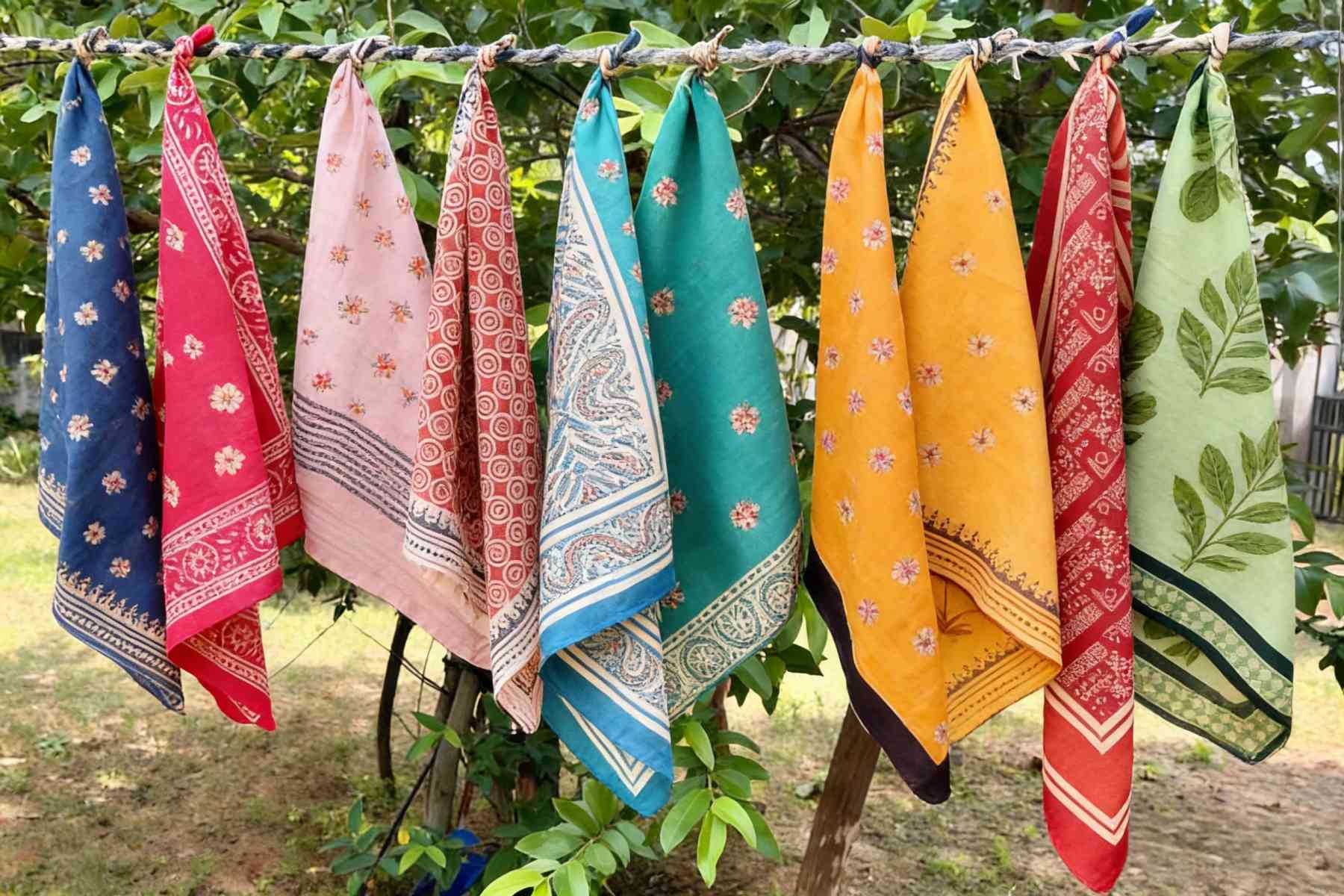
- Custom bandanas as a B2B product page
- Why bandanas feel stiff, hot, slippery, or wrong-sized
- Best fabric for bandanas by use case
- Standard bandana size, yield, and print area
- Digital printing, screen printing, and softness control
- Bandana edge finish and craftsmanship options
- DOCSUN custom bandana workflow
- FAQ for custom bandana buyers
Custom Bandanas as a B2B Product Page
For a brand buyer, a bandana is rarely just a small square of fabric. It may become a streetwear accessory, pet product, festival item, motorcycle accessory, outdoor neck cover, mascot merchandise, resort gift, or compact promotional product. The same 55 cm square can fail or succeed depending on fabric, softness, print method, edge finish, label placement, and packaging.
DOCSUN develops custom bandanas for brands that need both manufacturing control and buyer-facing comfort. We help review artwork scale, fabric behavior, color direction, sizing, print method, edge finish, label style, individual packaging, and bulk production details before the order moves into production. If your project belongs to a broader scarf category, our Custom Scarves hub can also help you compare scarf formats beyond bandanas.
Square accessory logic
Bandanas should focus on compact square formats, usually 55 x 55 cm, 60 x 60 cm, or 65 x 65 cm. This keeps the page separate from long cotton scarves and shawls.
Use-case first sourcing
A pet bandana, motorcycle bandana, head wrap, and logo neck scarf need different choices in fabric weight, tying behavior, and edge durability.
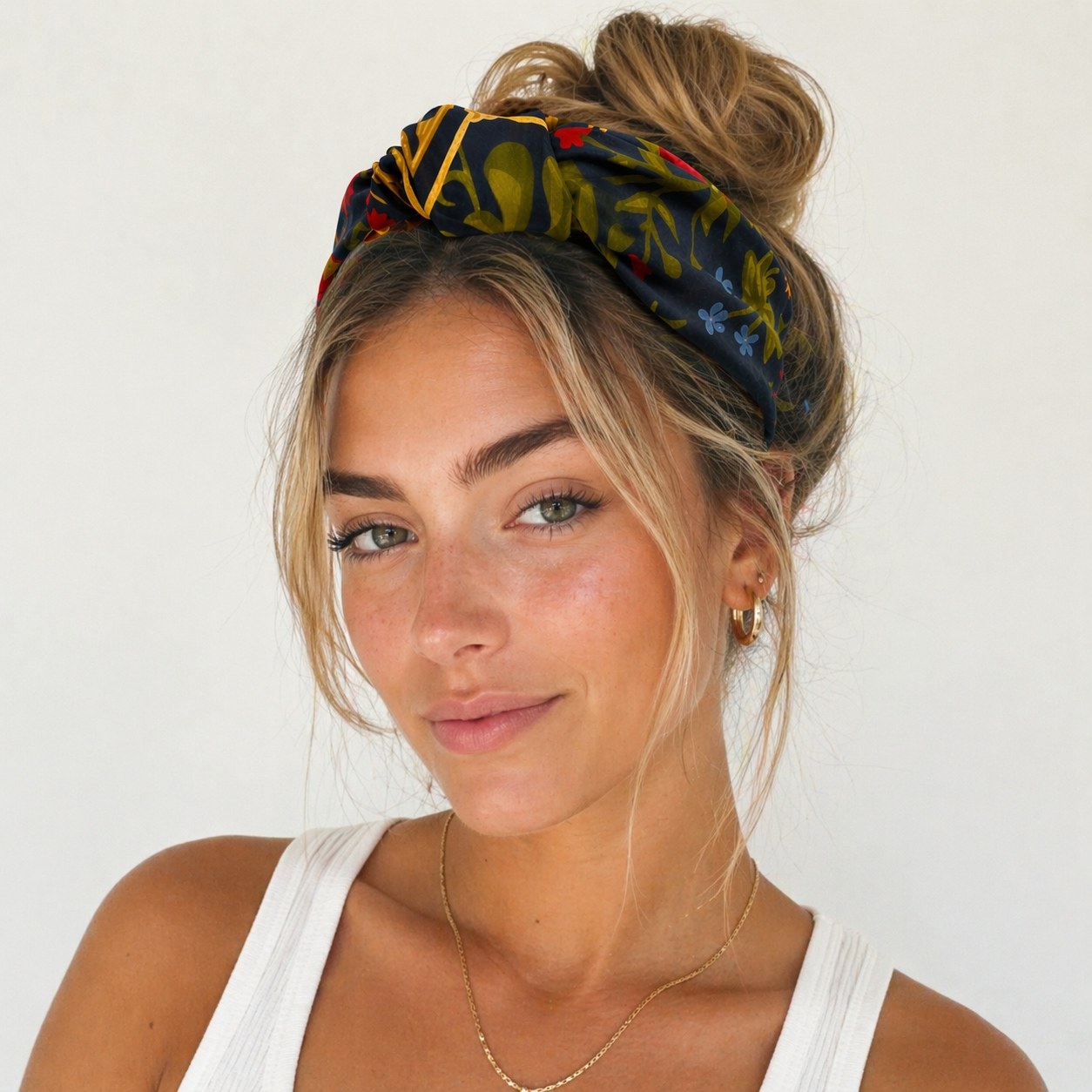
Why Bandanas Feel Stiff, Hot, Slippery, or Wrong-Sized
Many buyers search for the best material for bandanas because they have already seen the same problems: a cotton bandana feels like cardboard, the printed surface repels water, a cheap polyester bandana feels hot, or a silky bandana slips off the hair too easily. These problems usually come from cost-driven fabric selection and unfinished production planning.
Stiffness often begins with low-count yarn, rough fabric construction, heavy pigment print layers, or skipped washing and softening. Slipperiness can happen when a very smooth fabric is selected for a head wrap without considering friction. Poor size planning also causes complaints: a 55 cm bandana may be fine for neckwear but too small for thick hair, protective styling, or oversized fashion looks.
That is why DOCSUN treats bandana development as a fabric-and-use-case decision, not a simple logo printing job. Before sampling, we ask how the bandana will be worn, which market it is for, whether softness or price matters more, and whether the print needs full coverage, border artwork, spot-color logo placement, or repeat artwork.
- Custom bandanas should stay focused on square accessories, streetwear, pet accessories, outdoor use, motorcycle styling, face covering, and compact promotional goods.
- Custom cotton scarves should focus on larger dimensions, oblong shapes, fashion neckwear, summer wraps, lightweight shawls, and corporate gifting.
- Need larger dimensions or oblong shapes for fashion styling, resort wear, or lightweight neckwear? Explore our Custom Cotton Scarves capabilities.
Best Fabric for Bandanas by Use Case
The right answer to "best fabric for bandanas" depends on buyer priorities. A premium streetwear label may care about hand feel and print depth. A pet accessory brand may care about durability and washing. A promotional buyer may care about price and logo visibility. A summer outdoor brand may care about dry touch and breathability.
| Fabric option | Best use case | Buyer benefit | Watch point |
|---|---|---|---|
| High-count combed cotton | Everyday logo bandanas, streetwear, pet accessories, promotional squares | Soft, breathable, familiar, balanced cost and comfort | Needs proper washing and finishing to avoid a stiff hand feel |
| Silk-cotton blend | Premium brand accessories and giftable bandanas | Smoother touch, better drape, more elevated appearance | Higher cost than standard cotton; sample review is important |
| Ramie-cotton blend | Summer, outdoor, dry-touch, and breathable bandana projects | Crisp texture, breathable feel, natural fiber positioning | Can feel drier or less soft than combed cotton if not finished well |
| Polyester satin or polyester woven fabric | Budget promotional projects and vivid print programs | Economical, bright color, strong print clarity | Less breathable and less natural-feeling than cotton or blends |
| Silk twill or silk satin | Luxury square accessories and premium gift bandanas | High-end luster, soft drape, premium brand perception | More slippery for headwear and higher cost than cotton programs |
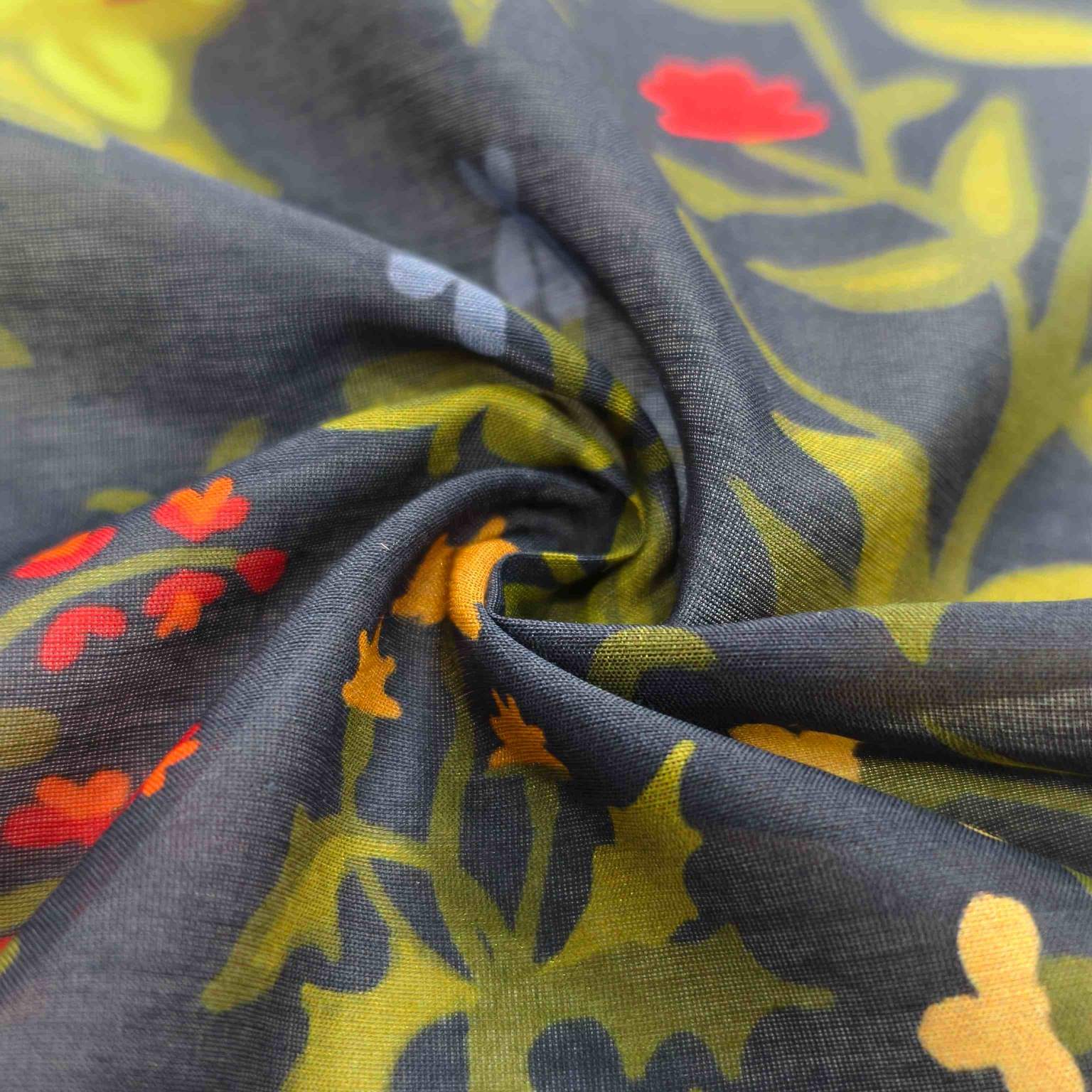
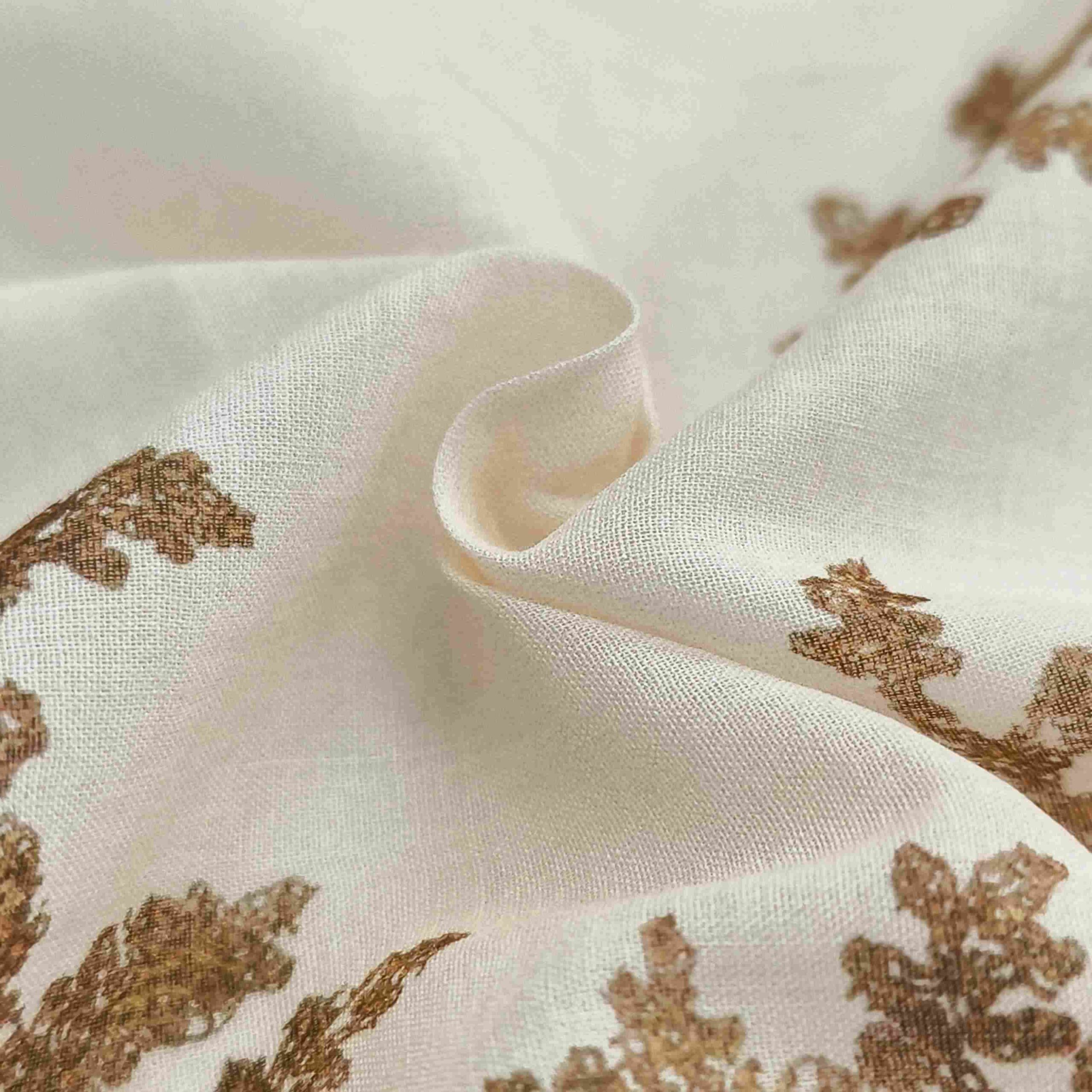
Standard Bandana Size, Yield, and Print Area
The standard bandana size often starts at 55 x 55 cm, but that is not the only useful size. A 55 cm square is compact and cost-efficient for logo neckwear, giveaway bandanas, and smaller pet accessories. A 60 cm square gives more room for tying and styling. A 65 cm square is better for head wraps, larger hair volume, outdoor coverage, and oversized styling.
For "how many bandanas in a yard of fabric," there is no honest single answer without knowing fabric width, final size, shrinkage, print direction, edge allowance, and cutting layout. The practical formula is: usable fabric width after shrinkage and selvage loss divided by the cut size with sewing allowance, then checked against the fabric length and artwork direction. DOCSUN confirms actual yield after final size, fabric, and edge finish are selected.
For "what size silkscreen for bandana," the screen must be larger than the artwork area. It needs room for bleed, border alignment, registration, and edge finishing. For a full-print 55 x 55 cm bandana, the screen or print setup is confirmed only after artwork scale, border design, and cut allowance are reviewed.
| Finished size | Common use | Why buyers choose it |
|---|---|---|
| 55 x 55 cm | Logo neck scarf, compact promotional bandana, smaller pet bandana | Efficient cost, familiar size, easy retail packaging |
| 60 x 60 cm | Streetwear square, head scarf, neckwear, unisex accessory | More tying room without feeling oversized |
| 65 x 65 cm | Head wrap, outdoor styling, larger hair volume, oversized square accessory | Better coverage and stronger styling flexibility |
Digital Printing, Screen Printing, and Softness Control
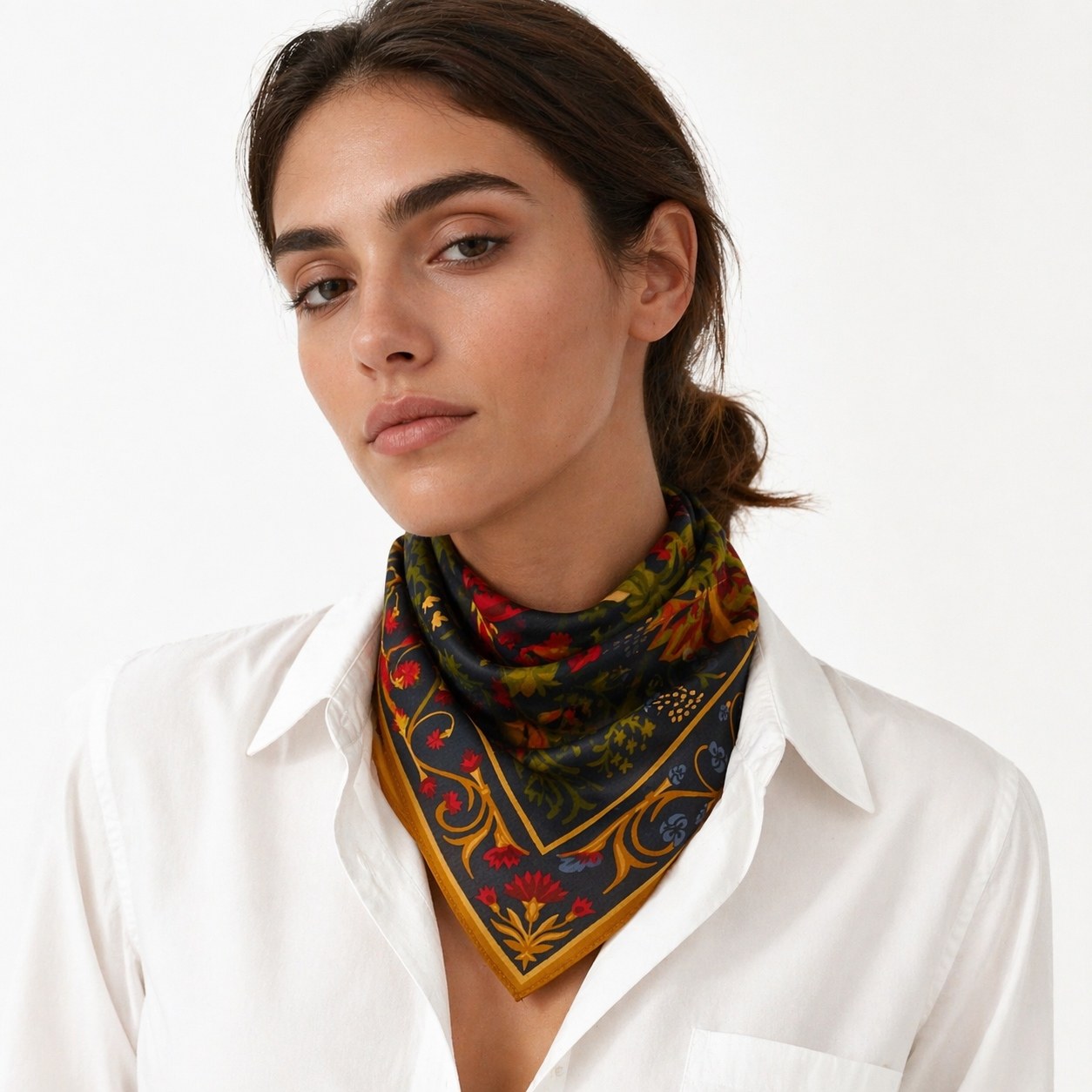
Digital printing is useful for artwork with many colors, gradients, detailed illustration, and smaller test quantities. Screen printing is often economical for simpler logo artwork, spot-color designs, and larger repeat orders. Neither method is automatically better; the better choice depends on artwork, fabric, quantity, color target, and the hand feel you want after finishing.
If the buyer wants soft bandanas, print method and finishing must be discussed together. Heavy surface pigment can make a cotton bandana feel stiff. Reactive printing and proper washing can help fabric retain a softer hand, although exact options depend on fabric type and color requirements. For dark grounds, dense artwork, or strong contrast, a physical sample is the best way to confirm whether the print and softness meet the brand standard.
DOCSUN can also coordinate label and packaging details during sampling. Typical options include woven labels, printed labels, care labels, hangtags, individual polybags, recyclable paper sleeves, kraft packaging, and gift boxes. For more detail on packaging programs, see Custom Packaging. For print planning, artwork proofing, and print-method comparison, see Custom Printing.
Bandana Edge Finish and Craftsmanship Options
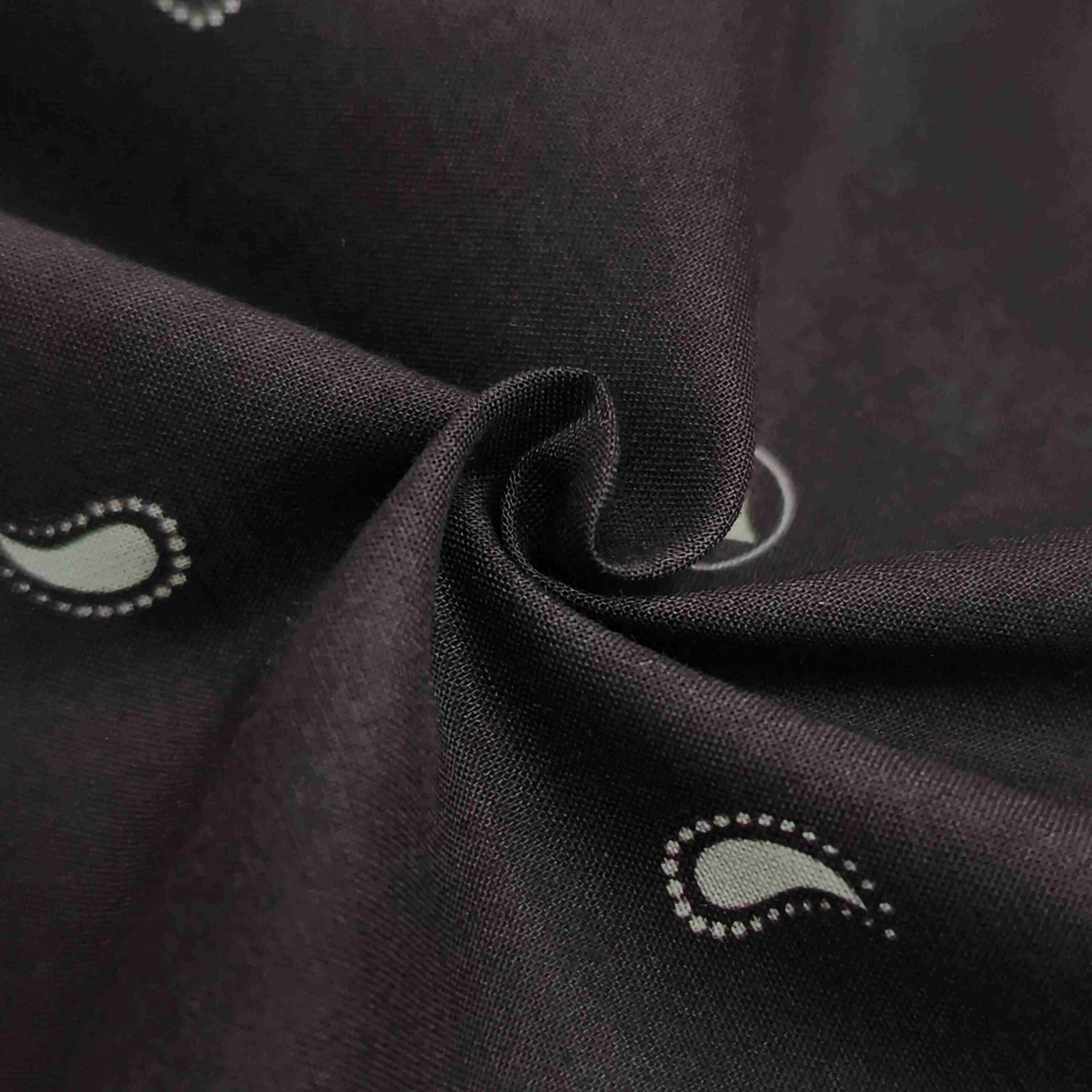
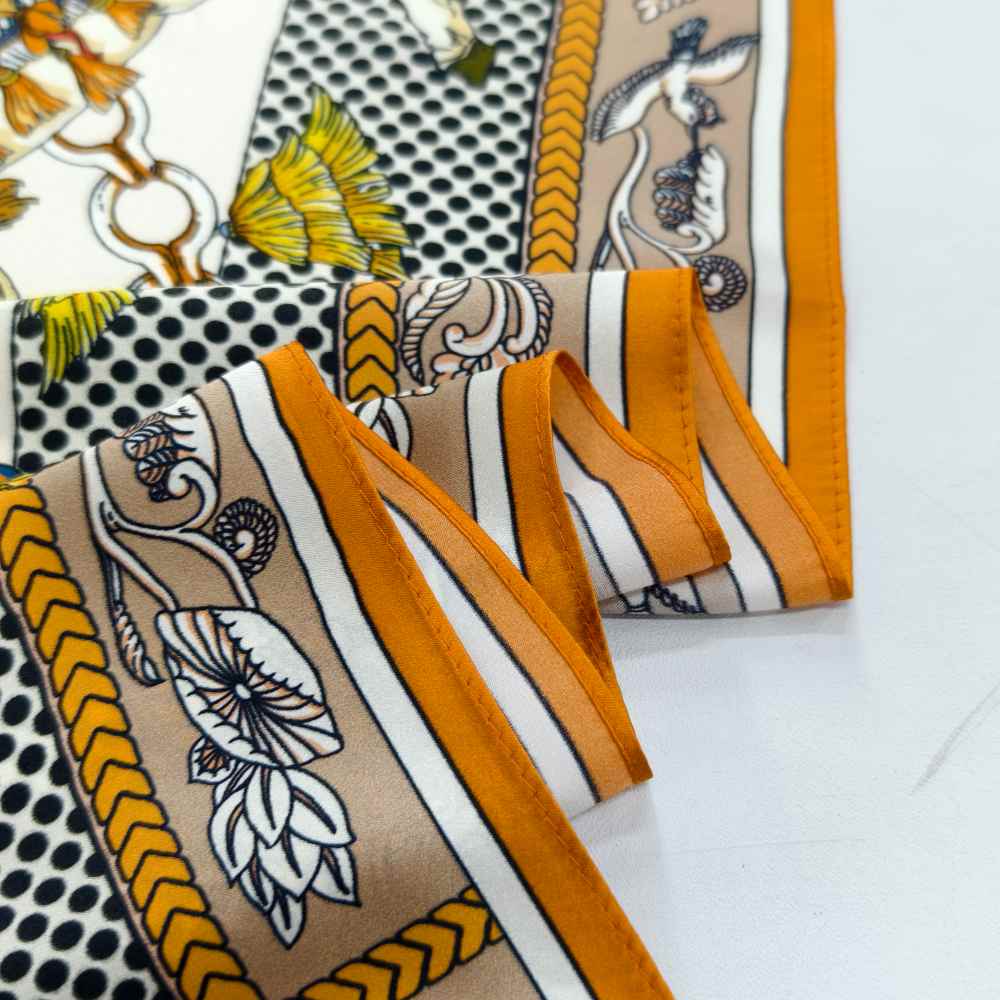
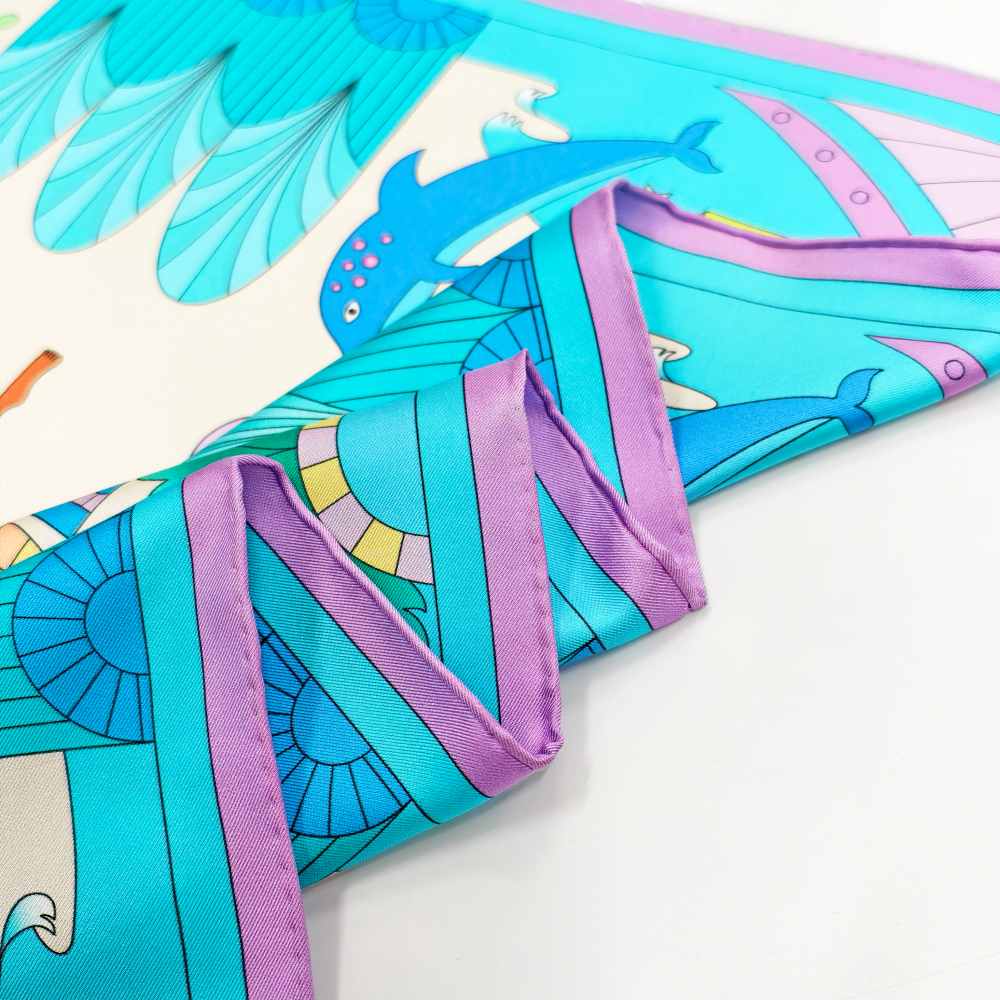
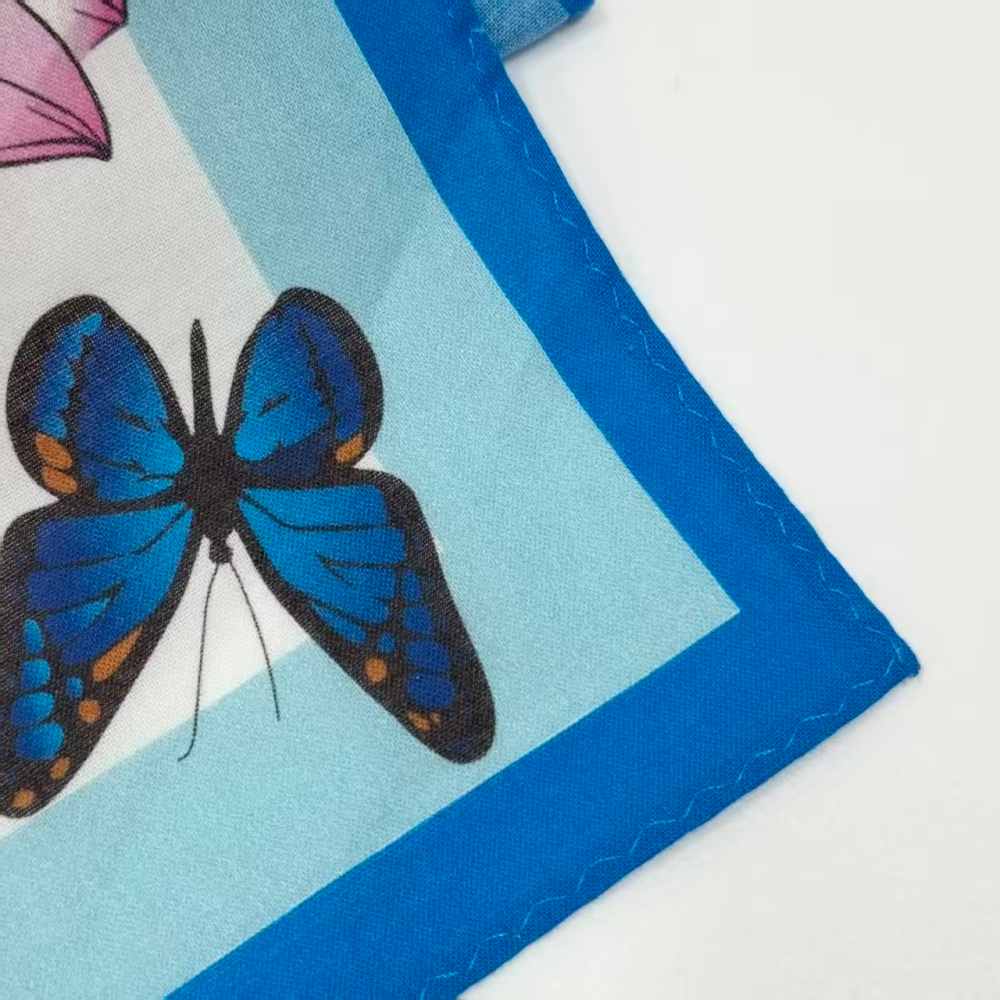
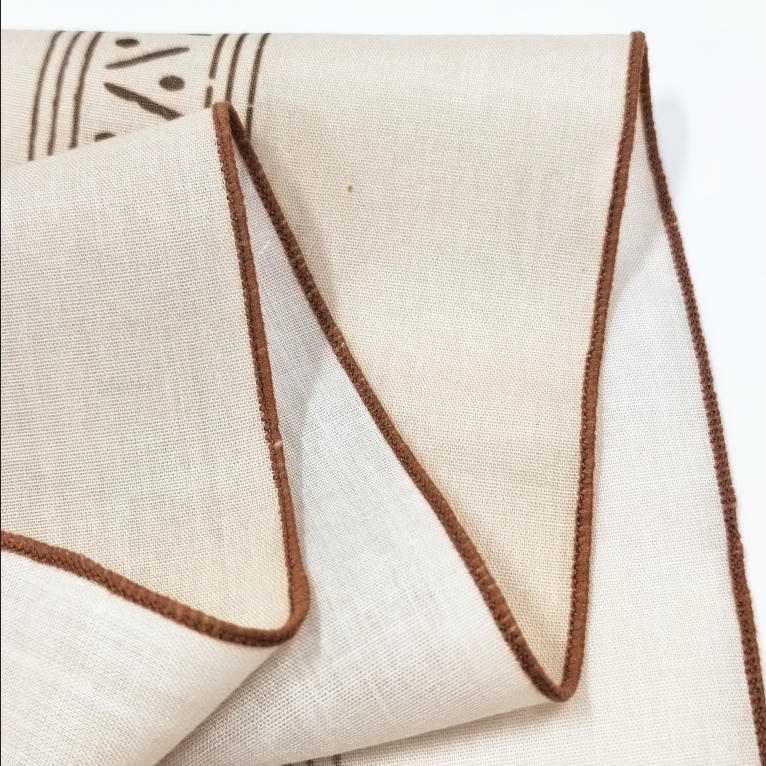
Edge finish is a small detail that changes how a bandana feels, washes, ties, and presents at retail. A promotional cotton bandana may need a clean and efficient machine finish. A premium silk-cotton square may need a softer, more refined edge. A pet bandana or outdoor bandana may need a stronger overlock finish that can handle more friction and washing.
For standard custom bandanas, DOCSUN commonly reviews machine rolled hemming, hand rolled hemming, triangle stitch overlock, and dense overlock during sample planning. Decorative trims, lace details, short fringe, or other scarf-inspired finishes can be discussed for fashion projects, but they are not the first choice for most classic square bandanas.
DOCSUN Custom Bandana Workflow
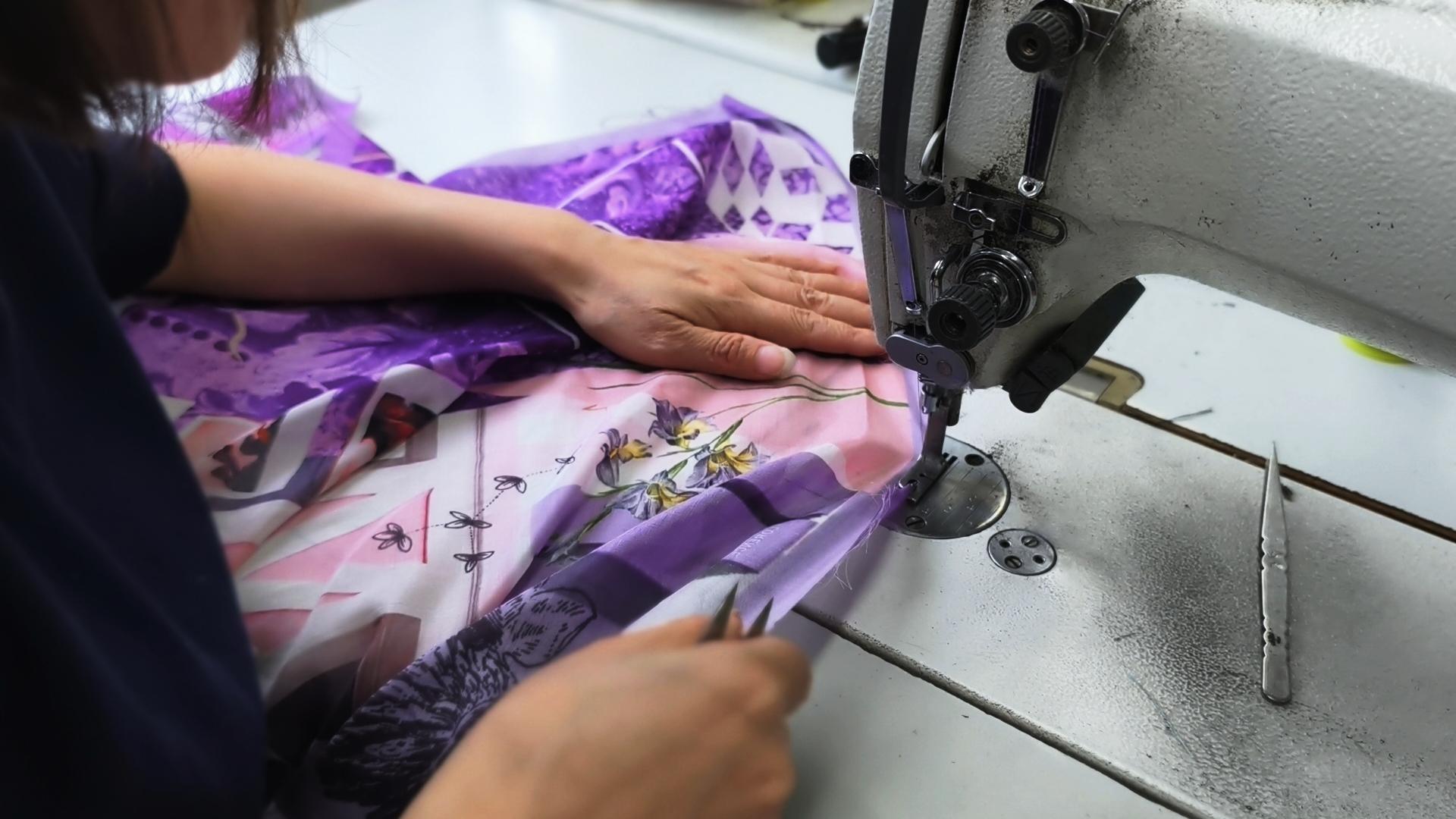
A practical B2B bandana order should move through a controlled process: confirm use case, confirm size, choose fabric, review artwork, select print method, define edge finish, develop labels and packaging, approve sample, then move to bulk production. This reduces the risk of a product that looks fine in a file but feels wrong in the customer's hand.
For fabric and color decisions, DOCSUN can help compare natural fibers, blends, print surface, hand feel, color direction, and finishing. See Fabric, Colors & Craftsmanship for the broader sourcing logic behind this process. For final order review, buyers should confirm finished size, tolerance, label position, packaging unit, carton plan, and shipping timeline before bulk production begins.
If you need to review physical references before confirming a project, DOCSUN offices in the United States, the United Kingdom, and Australia can provide access to selected color cards, craftsmanship cards, and fabric cards. Contact us with your market, use case, and target product so we can guide you to the most relevant reference set.
Sample stage
Confirm artwork scale, fabric feel, color target, edge finish, label placement, packaging direction, and how the bandana ties or drapes in real use. When local reference cards are available, they can help your team narrow the decision before formal sampling.
Bulk stage
Check color consistency, cutting size, print alignment, edge quality, softness, packaging accuracy, and final carton information before shipment.

Frequently Asked Questions
What is the best fabric for bandanas?
The best fabric depends on the use case. High-count combed cotton is a strong all-around choice for soft everyday bandanas. Silk-cotton blends feel smoother and more premium. Ramie-cotton blends add dry breathability for summer and outdoor use. Polyester is usually the most economical option, but it is less breathable than natural fibers.
Why do some cotton bandanas feel stiff?
A cotton bandana can feel stiff when the yarn count is low, the weave is too dense, the finishing is incomplete, or pigment printing leaves a heavy surface film. Better yarn selection, reactive printing, proper washing, desizing, and softening help create a softer hand feel.
What is the standard bandana size?
Common bandana sizes include 55 x 55 cm, 60 x 60 cm, and 65 x 65 cm. A 55 cm square is compact for neckwear and promotional use. A 60 cm square gives more styling flexibility. A 65 cm square works better for head wraps, larger hair volume, outdoor styling, and oversized fashion looks.
How many bandanas can be made from one yard of fabric?
The number depends on fabric width, finished size, edge allowance, shrinkage, print direction, and cutting layout. A practical estimate should be calculated from the usable fabric width after shrinkage and selvage loss, then divided by the cut size plus sewing allowance. DOCSUN confirms yield after the final size and fabric are selected.
How do you make custom bandanas soft?
Softness starts with fabric choice, not only post-treatment. DOCSUN can improve hand feel through suitable yarn count, fabric construction, reactive printing where appropriate, washing, softening, and controlled finishing. Heavy pigment layers and very low-cost cotton may limit how soft the final bandana can become.
What size silkscreen is needed for a bandana?
The screen size should be larger than the printed artwork area and must include bleed, edge allowance, and registration space. For a 55 x 55 cm bandana, the exact screen is confirmed after reviewing artwork scale, repeat direction, border design, and whether the print is full-coverage or placement-based.
Should I choose digital printing or screen printing for custom bandanas?
Digital printing is suitable for complex artwork, gradients, lower sample quantities, and multi-color designs. Screen printing can be economical for simpler artwork, strong spot colors, and larger repeat orders. The best method depends on artwork, color count, fabric, quantity, hand feel, and target price.
What is the most economical bandana material?
Polyester is usually the lowest-cost material, followed by standard cotton. For brands that care about comfort and repeat customer satisfaction, high-count combed cotton often gives a better balance of cost, softness, breathability, and perceived quality.
Can DOCSUN make custom bandanas with logo?
Yes. DOCSUN can produce logo bandanas, paisley bandanas, pet bandanas, streetwear bandanas, motorcycle bandanas, outdoor bandanas, and promotional square accessories. We can support custom artwork, brand colors, woven or printed labels, hangtags, individual packaging, and gift packaging.
What is the MOQ and sample time for custom bandanas?
MOQ depends on fabric, printing method, artwork, and packaging. Small custom bandana programs commonly start from about 50 pieces per design when the fabric and process allow it. Samples usually take about 5 to 10 business days after artwork, size, fabric, edge finish, and label details are confirmed.
Develop a Bandana That Fits the Real Use Case
Send your artwork, target size, fabric preference, quantity, use case, and packaging idea. DOCSUN can help compare materials, print methods, softness options, label details, and sample timing before you commit to bulk production.
Request Bandana Samples or a QuoteFor a faster review, include artwork files, Pantone references, target MOQ, and whether the bandana is for streetwear, pet accessories, outdoor use, motorcycle styling, or promotional merchandise.