Why Sustainable Scarves Are in Demand
Fashion buyers are paying closer attention to how products are made, how long they last, and whether supplier claims are clear. Scarves fit this shift well because they are versatile, seasonless, giftable, and easy to keep in a wardrobe for years.
For retailers, sustainable silk scarves offer a practical way to connect luxury, styling flexibility, and responsible sourcing. A scarf can be worn as a neck accessory, headscarf, belt, shawl, bag accent, or resort cover-up, giving the customer more use from one product.
What Makes a Scarf Sustainable?
Sustainability is not a single label. It is a combination of material choice, durability, production efficiency, packaging, and honest communication. A scarf made with a beautiful fabric still needs responsible dyeing or printing, quality control, and packaging that matches the claim.
For custom scarf sourcing, retailers should review fiber content, fabric weight, colorfastness, edge finishing, label material, packaging, minimum order quantity, and expected lifespan. DOCSUN can support these decisions through fabric and craftsmanship selection, custom printing, and custom packaging.
| Sourcing area | What to check | Why it matters |
|---|---|---|
| Fabric | Fiber content, hand feel, weight, transparency, drape | Determines product quality, comfort, styling, and price position |
| Dyeing or printing | Color accuracy, colorfastness, artwork quality, production method | Supports repeat orders and reduces rejected goods |
| Finishing | Edge quality, stitching, labels, size tolerance | Improves durability and perceived value |
| Packaging | Reusable, recyclable, reduced plastic, brand labeling | Strengthens the product story and reduces avoidable waste |
Silk Chiffon Scarves as a Wholesale Option
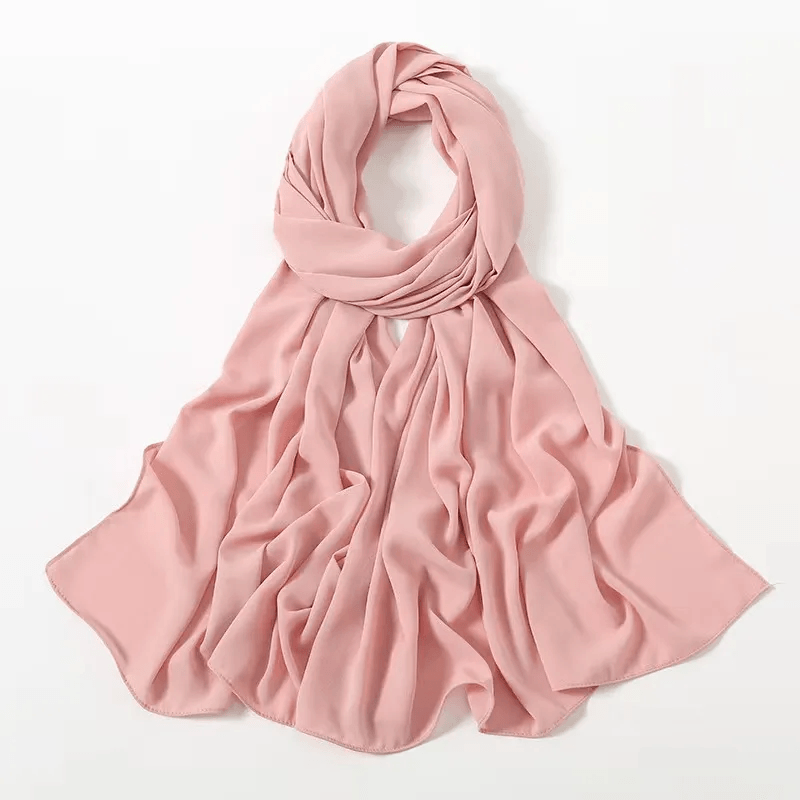
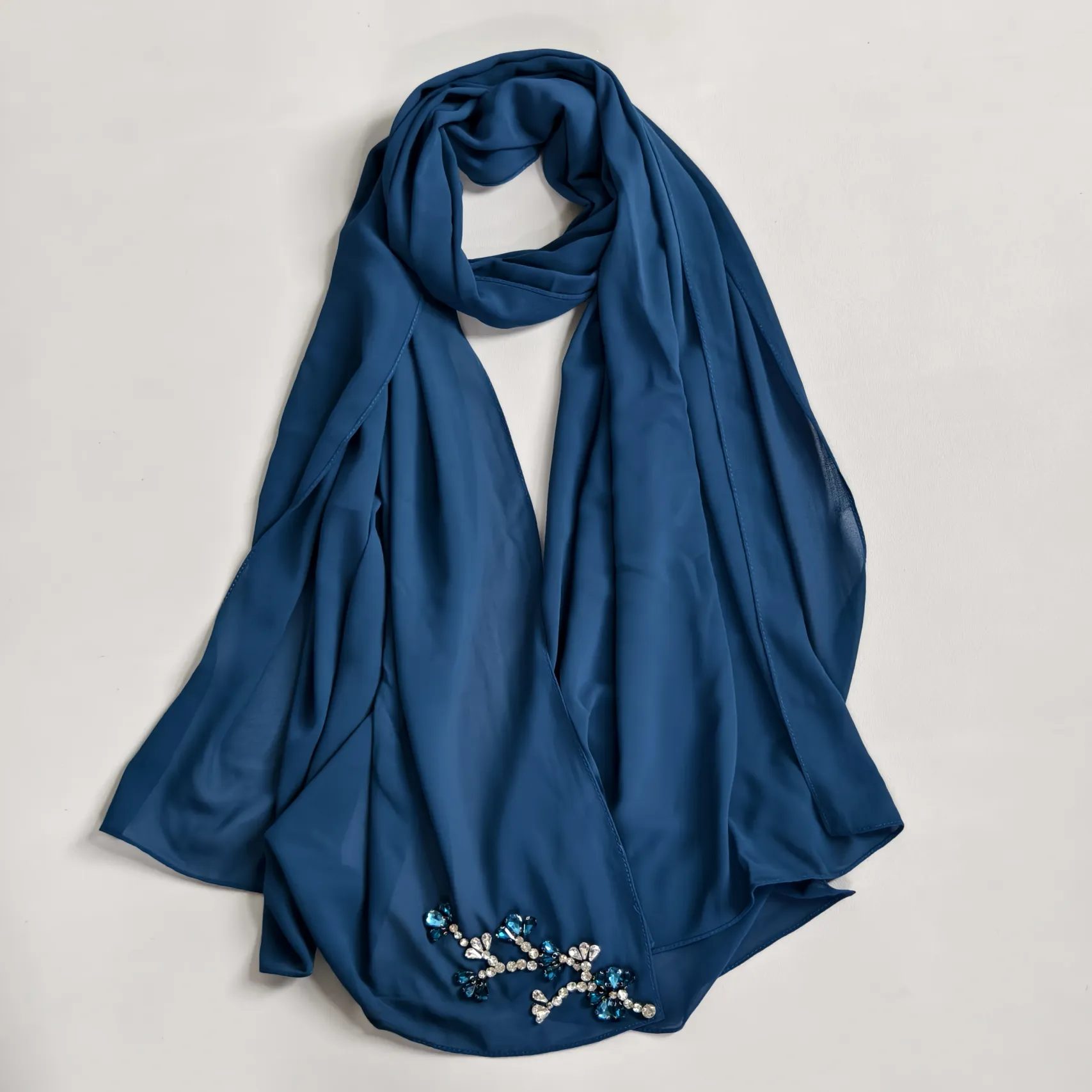
Silk chiffon is lightweight, airy, and elegant. It works well for spring, summer, resort, occasionwear, and gift collections. A chiffon scarf can feel refined without becoming heavy, making it useful for retailers who want a delicate, feminine, and versatile accessory.
The original product concept highlighted a lightweight scarf format with flexible styling and custom packaging options. For the new site, the important sourcing lesson is broader: a sustainable wholesale scarf should balance material, style, production practicality, and customer use.
How Retailers Can Source Responsibly
Responsible sourcing starts with asking better questions. Retailers should not rely only on product photos or generic eco-friendly wording. Ask for fabric details, sample timing, bulk lead time, packaging choices, and quality control standards before committing to an order.
Customization can also support sustainability when it improves product fit for the target customer. Correct size, useful packaging, accurate colors, and relevant artwork reduce unsold inventory and make the scarf more likely to be worn repeatedly.
Versatile Styling Supports Long-Term Use
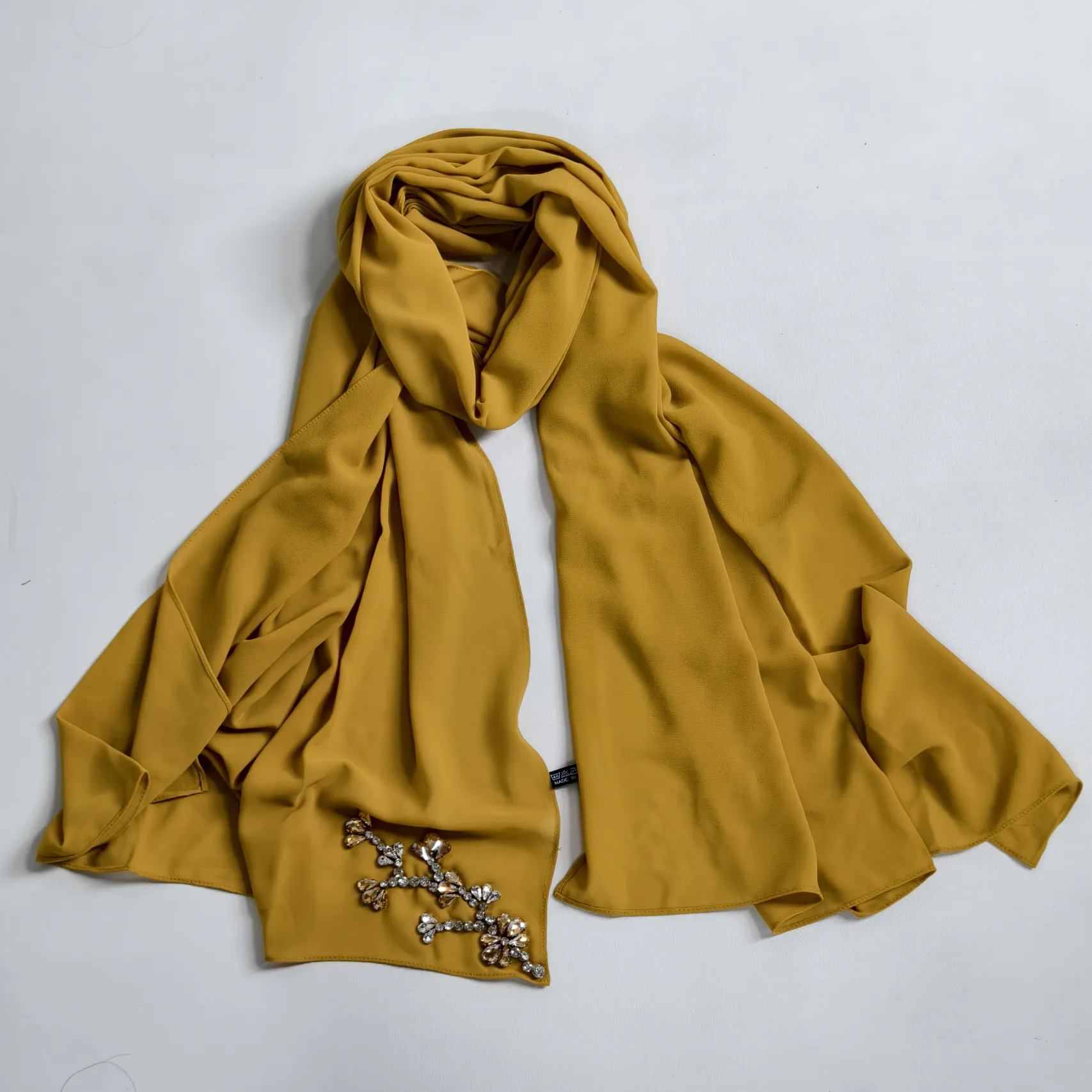
A sustainable accessory should earn its place in the customer's wardrobe. Scarves are strong in this area because one piece can serve many styling needs: a classic neck scarf, a headscarf, a waist tie, a bag handle accent, a shoulder wrap, or a lightweight travel piece.
This versatility is important for retailers. A scarf with multiple styling options is easier to merchandise, easier to gift, and easier for customers to justify buying and keeping.
The Future of Sustainable Wholesale Scarves
Sustainable silk scarves are not just a seasonal trend. They reflect a broader shift toward better materials, longer product life, more transparent sourcing, and packaging that matches the brand promise. Retailers who build this into their sourcing process can create stronger collections and clearer customer trust.
For brands developing custom scarf programs, DOCSUN can support custom silk scarf planning, custom chiffon scarf development, sampling, color matching, and wholesale production for fashion and gift collections.
Frequently Asked Questions
What makes a silk scarf more sustainable for wholesale buyers?
A more sustainable wholesale scarf should consider responsible fiber selection, durable design, efficient production, transparent sourcing, low-waste packaging, and long-term wearability rather than treating sustainability as a single material claim.
Are silk chiffon scarves suitable for sustainable fashion collections?
Silk chiffon scarves can be suitable when the fabric, dyeing or printing process, packaging, and supplier practices are managed responsibly. Their light weight and styling versatility also support long-term use.
What should retailers ask suppliers before ordering eco-friendly scarves?
Retailers should ask about fiber content, fabric origin, dyeing or printing method, colorfastness, edge finishing, packaging materials, minimum order quantity, sampling time, bulk lead time, and available documentation.
Is custom packaging important for sustainable scarf wholesale?
Yes. Packaging affects both customer experience and environmental impact. Recyclable boxes, reusable pouches, reduced plastic, and clear material labeling can strengthen a sustainable scarf offer.
Can DOCSUN support custom sustainable scarf projects?
Yes. DOCSUN can support custom scarf development with fabric selection, printing or dyeing, size planning, edge finishing, labels, packaging, sampling, and bulk production for retailers and fashion brands.
Source Sustainable Custom Scarves with DOCSUN
Share your fabric target, scarf size, color palette, print or dye method, packaging requirement, quantity, and delivery schedule. DOCSUN can help develop custom scarves for eco-conscious retail collections.
Contact DOCSUNFast response within 24 hours.