How Regional Culture Patterns Inspire Custom Silk Scarf Design
A custom silk scarf can carry more than color and decoration. When regional culture, local scenery, architecture, and customer memories are translated with care, the scarf becomes a wearable story for brands, museums, resorts, gift programs, and cultural collections.
What Regional Culture Means in Scarf Design
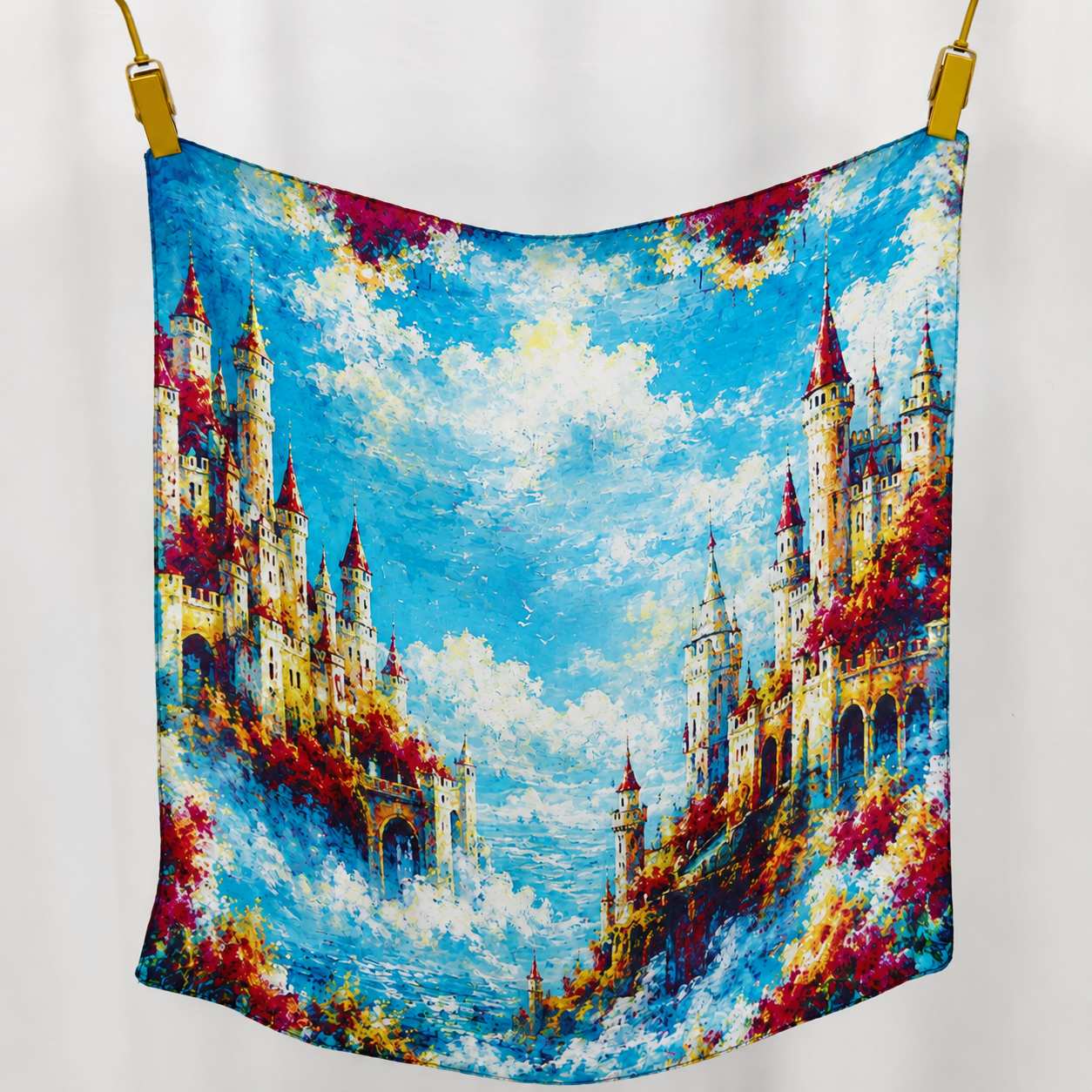
Regional culture in scarf design is not limited to flags, famous buildings, or direct symbols. It can come from a coastline, mountain village, garden, local flower, architectural roofline, traditional color palette, festival memory, food market, craft object, or the mood of a city street. For a custom silk scarf, these references need to be organized into a textile pattern that feels elegant when worn.
The old Lebanese custom silk scarf case is a useful example. The original design used a Mediterranean landscape: white houses, red roofs, blue sky, water, greenery, and boats. The value of this design was not only the location. It was the emotional image of place: calm water, sunlight, coastal color, and a sense of leisure.
From Local Story to Wearable Textile Artwork
A culture-inspired scarf should work both as a flat artwork and as a product worn on the body. This is where many designs fail. A painting may look beautiful on paper, but once it is folded into a triangle or tied around the neck, the important elements may disappear.
Before sampling, divide the design into zones: center artwork, corner interest, border rhythm, logo position, and fold visibility. The center can carry the main landscape or motif, while the border can hold smaller details. Corners are useful for repeat symbols, brand initials, or a concentrated version of the cultural story.
Motifs, Borders, Color, and Composition
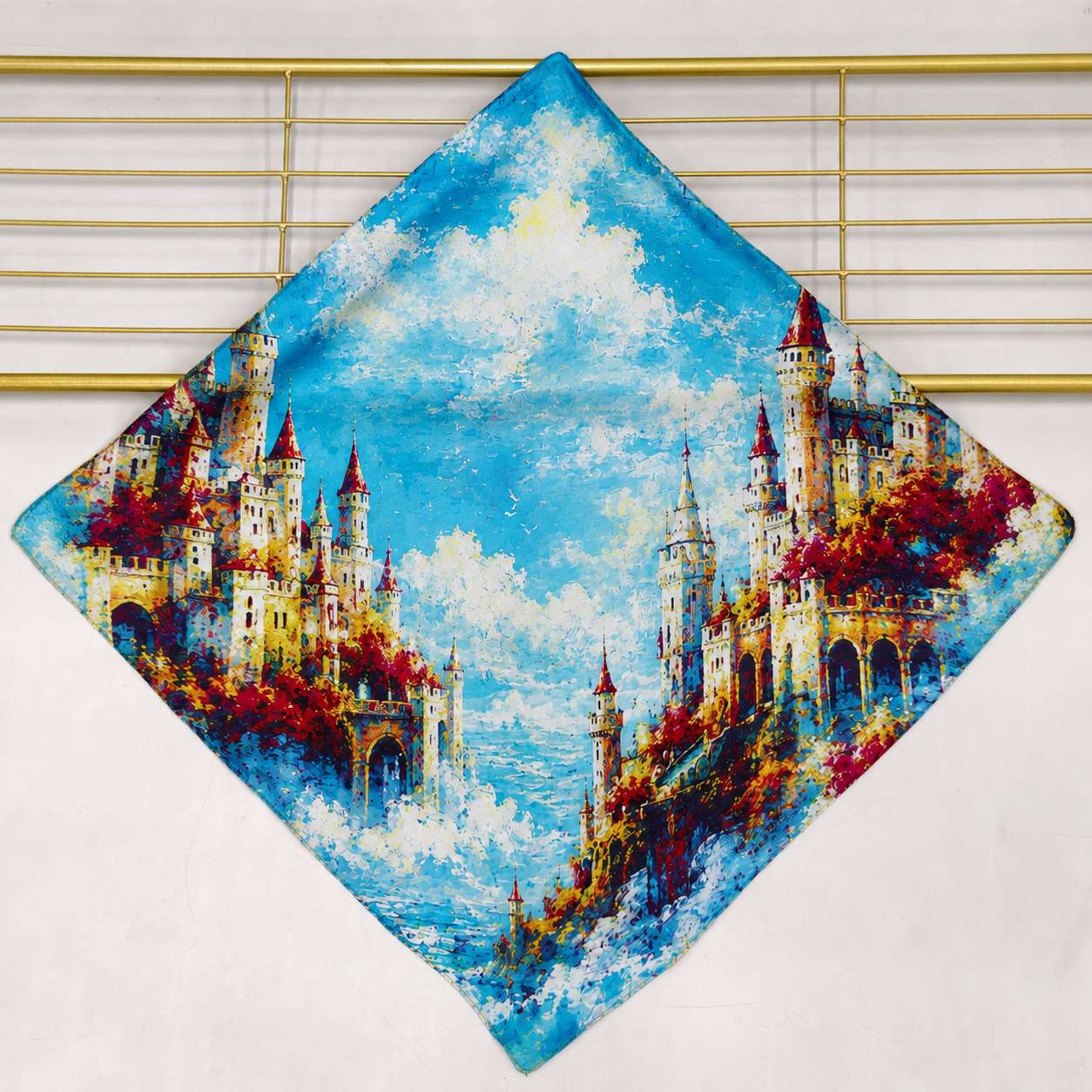
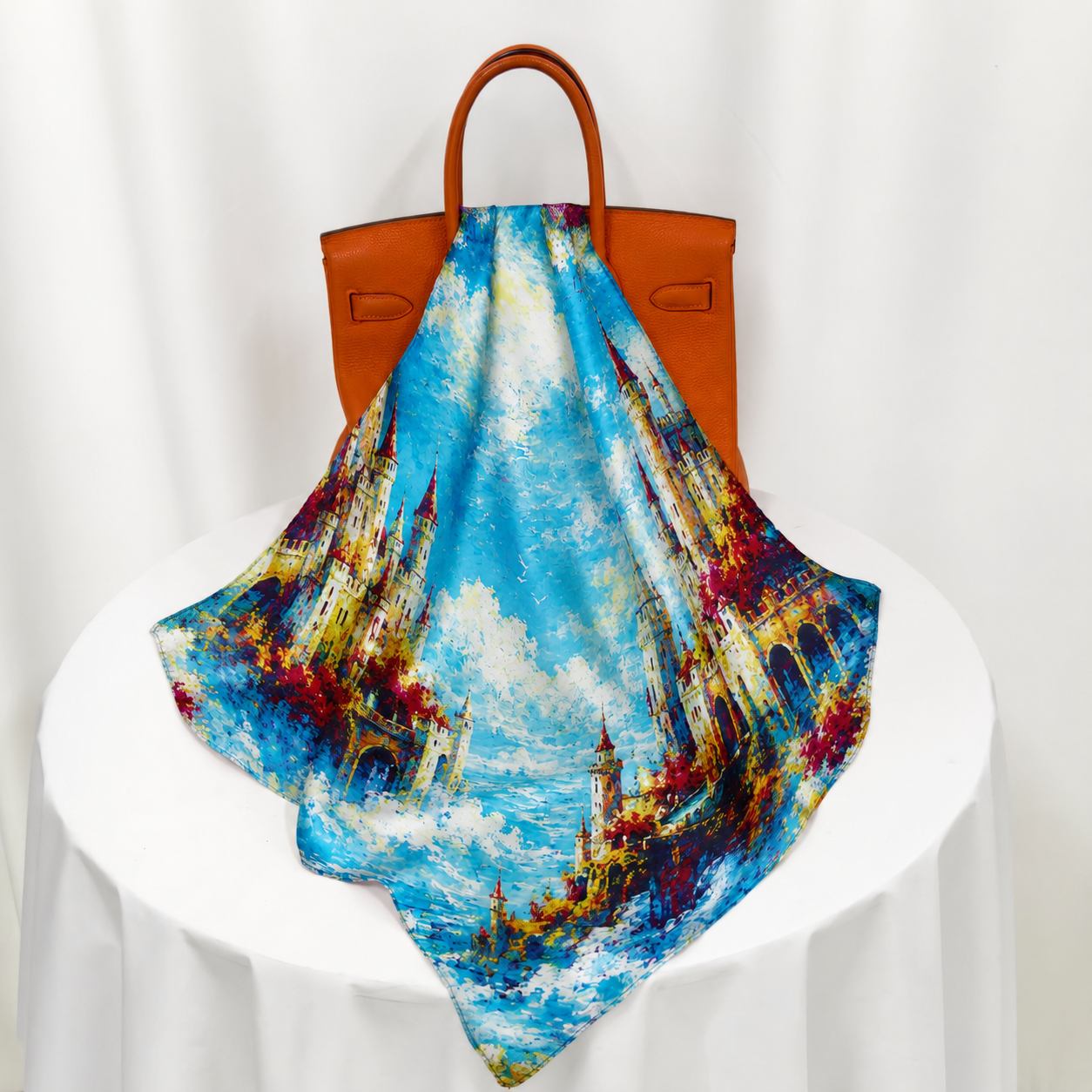
For regional culture patterns, the most important design question is balance. Too many local references can make the scarf look crowded. Too few references can make it feel generic. A good design usually chooses one main story, two or three supporting motifs, and a controlled color palette.
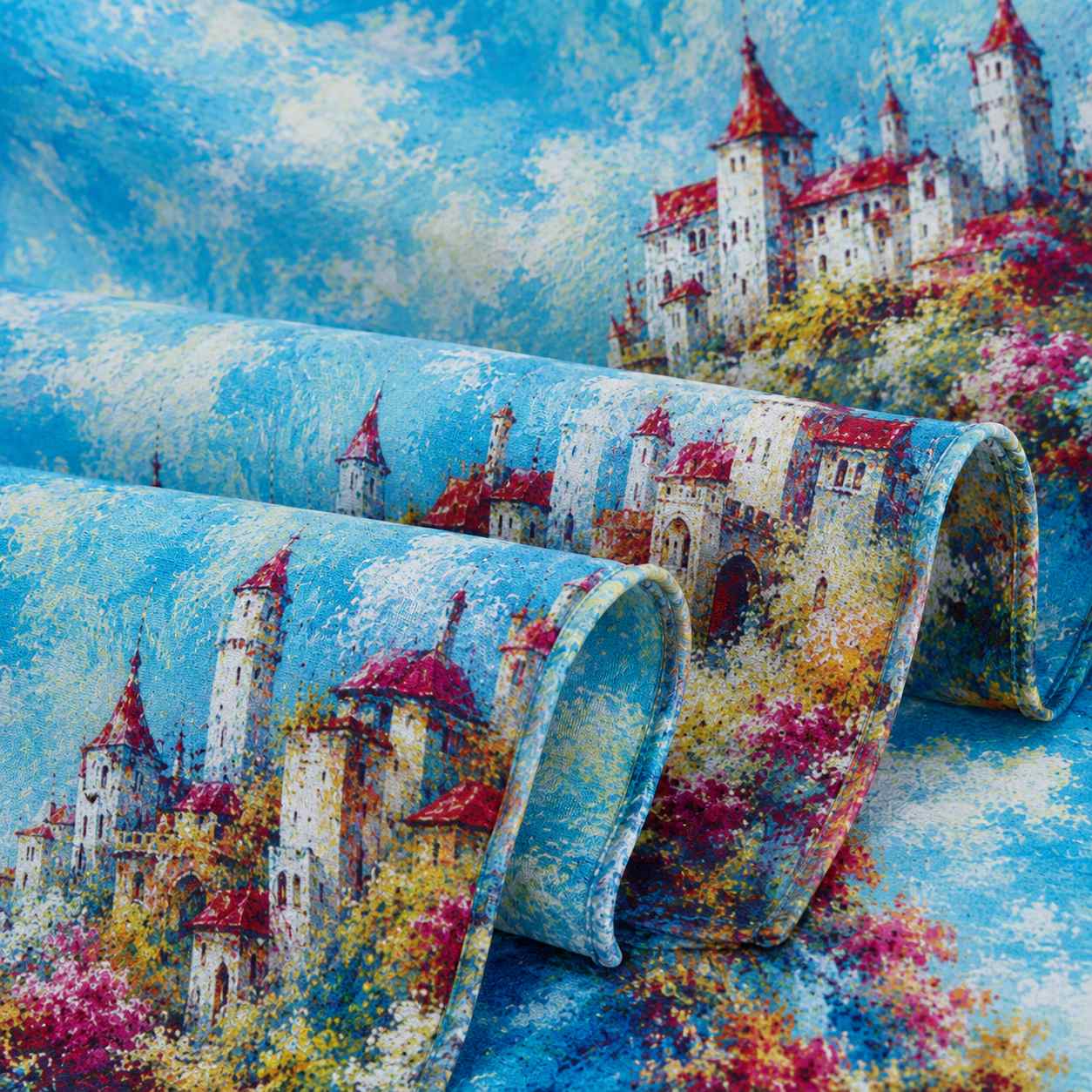
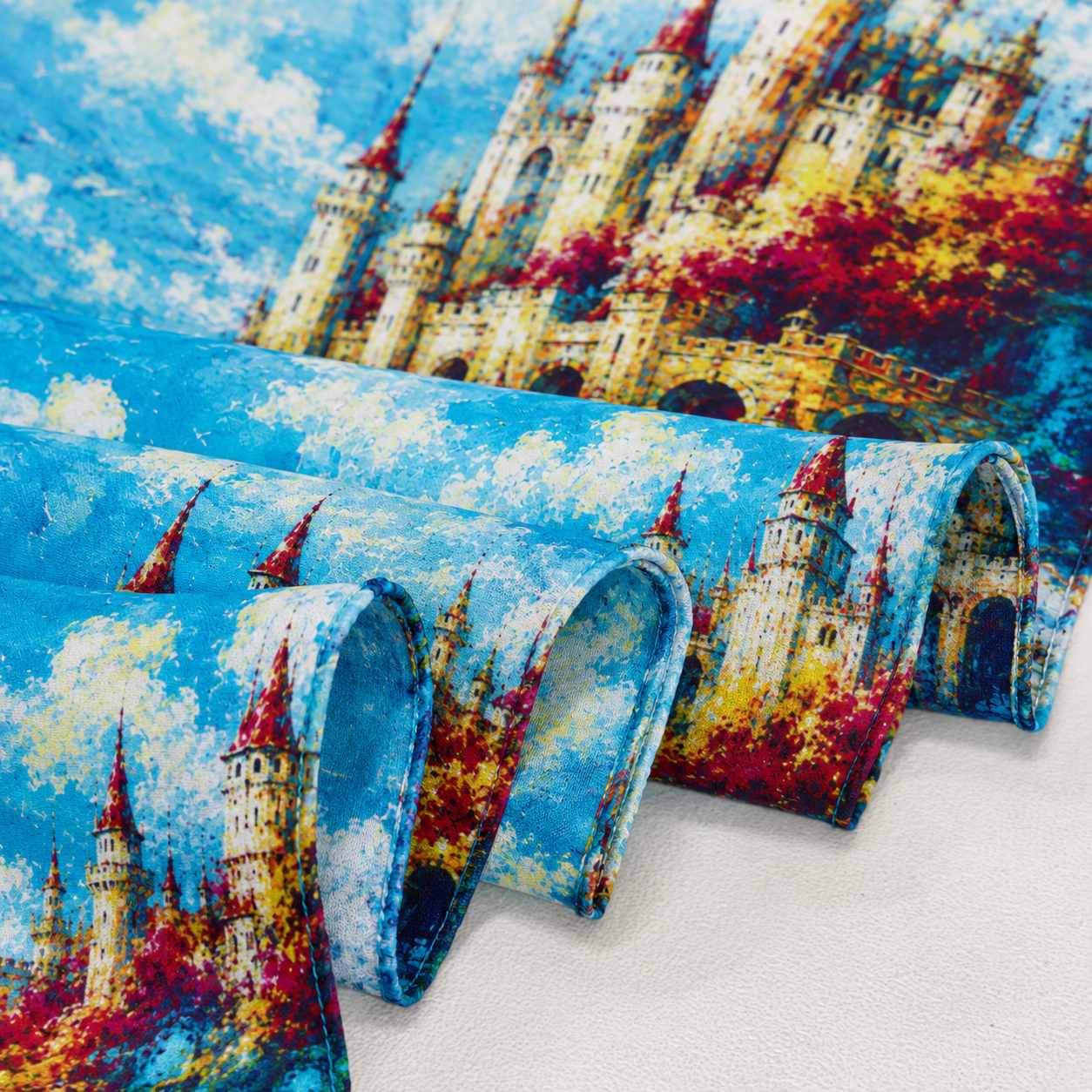
For example, a Mediterranean-inspired silk scarf may use blue water as the emotional base, white architecture as the visual structure, warm roof colors as accent points, and a border that echoes waves, tiles, or village lines. If the scarf is for a cultural institution or a destination gift shop, the logo should be present but not overpowering.
| Design element | How to use it | What to avoid |
|---|---|---|
| Local scenery | Use as the main mood, central artwork, or soft background story. | A direct photo-like image with no textile rhythm. |
| Architecture | Translate rooflines, windows, arches, or tiles into borders and corner details. | Overloading the scarf with too many landmarks. |
| Color palette | Choose colors that match the place and the brand's retail positioning. | Using generic bright colors that erase the regional feeling. |
| Brand mark | Place it subtly in a corner, border, or label area. | Making the scarf feel like an advertisement instead of a designed accessory. |
Choosing Scarf Size, Silk Fabric, and Printing
The size and fabric should match the design density. A 68 cm square scarf works well for compact gifts, neck styling, resort souvenirs, and accessible accessory collections. A 90 cm square scarf gives more room for complex regional scenes, borders, and luxury storytelling.
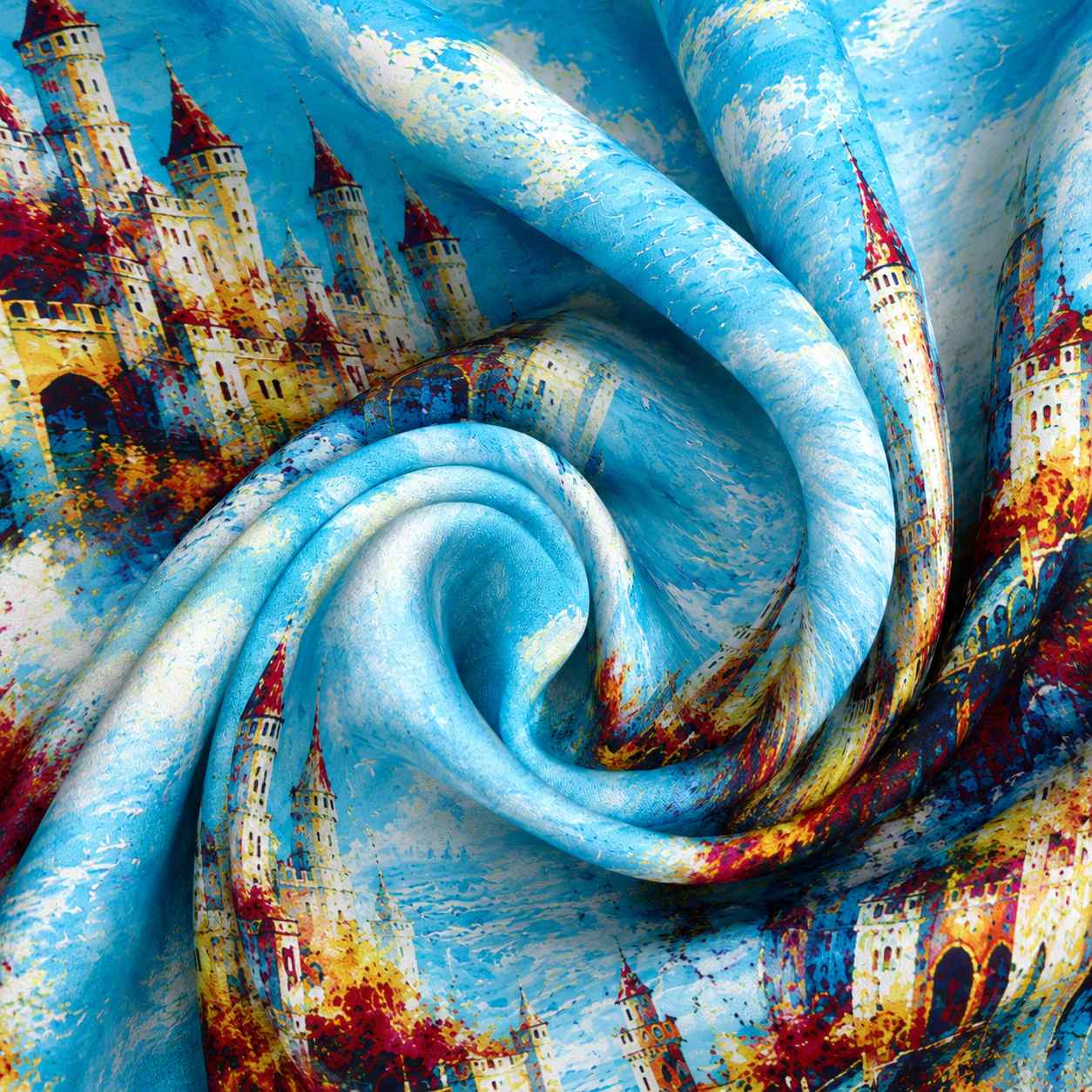
For silk scarves, 100% mulberry silk can provide a soft hand feel and premium drape. Silk twill is often good for structured square scarves and clear print presentation, while silk satin brings shine and fluidity. During sampling, review artwork scale, print clarity, color matching, and edge allowance together. DOCSUN can support custom printing and fabric and craftsmanship selection for this stage.
Client Communication and Cultural Sensitivity
Culture-inspired design needs careful communication. If a client asks for regional patterns, do not assume that every symbol is appropriate. Some motifs may be religious, political, ceremonial, or sensitive. Others may be widely used but visually overdone. The safest approach is to ask what the motif means, where it will be sold, who will wear it, and whether any visual references should be avoided.
This is especially important for B2B custom scarf projects. A scarf can represent a hotel, museum, airline, destination shop, cultural event, university, or brand collaboration. The manufacturer should help the client turn references into a tasteful textile design, but the client should confirm cultural accuracy and brand tone before sampling.
Packaging the Cultural Story
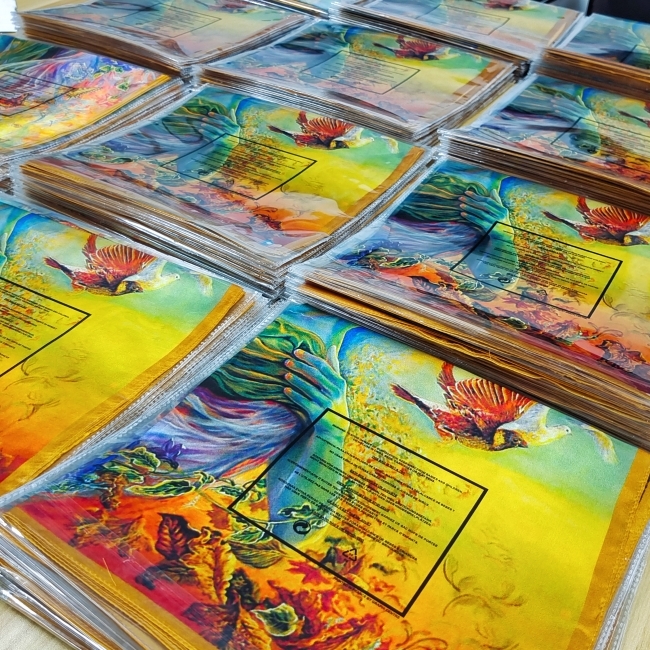
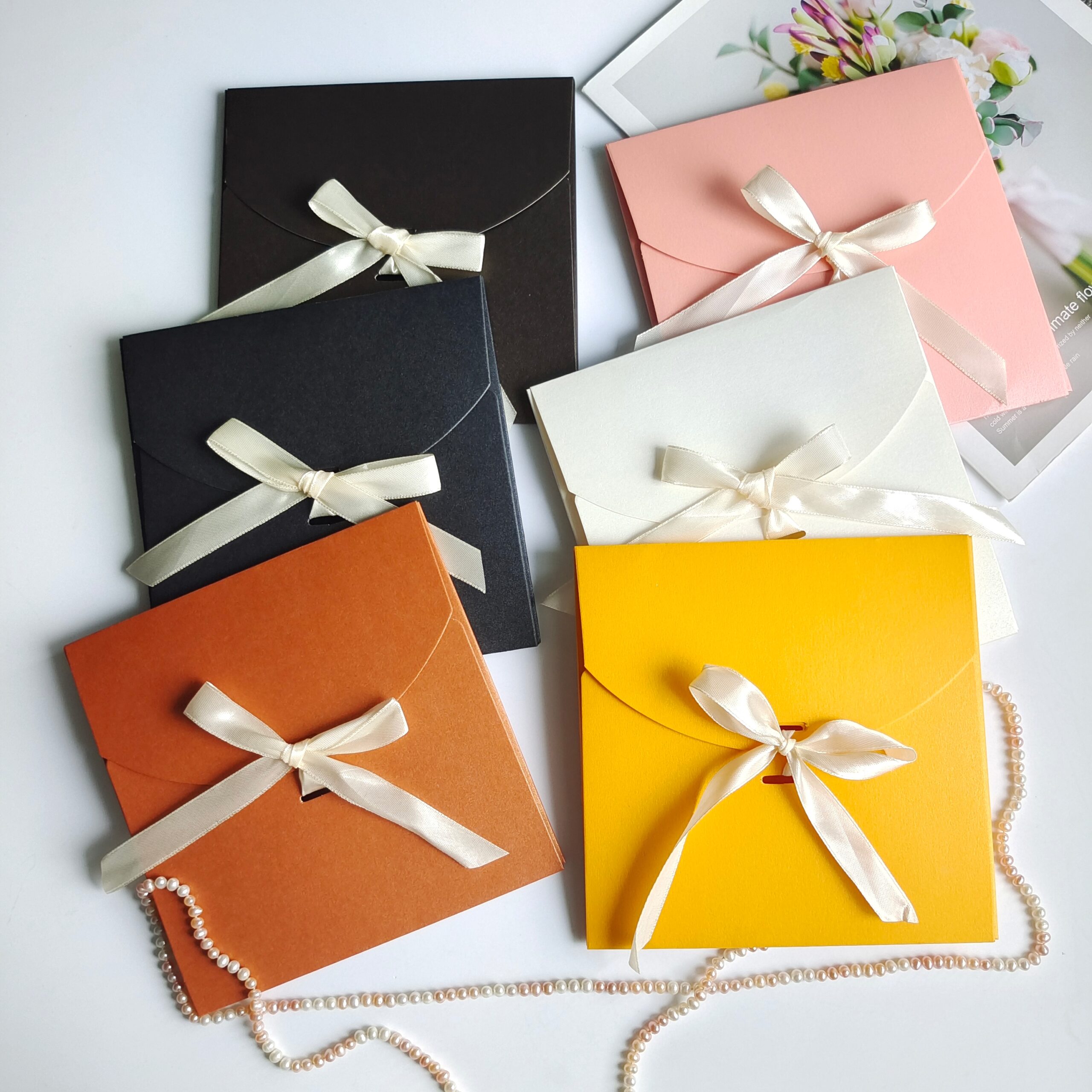
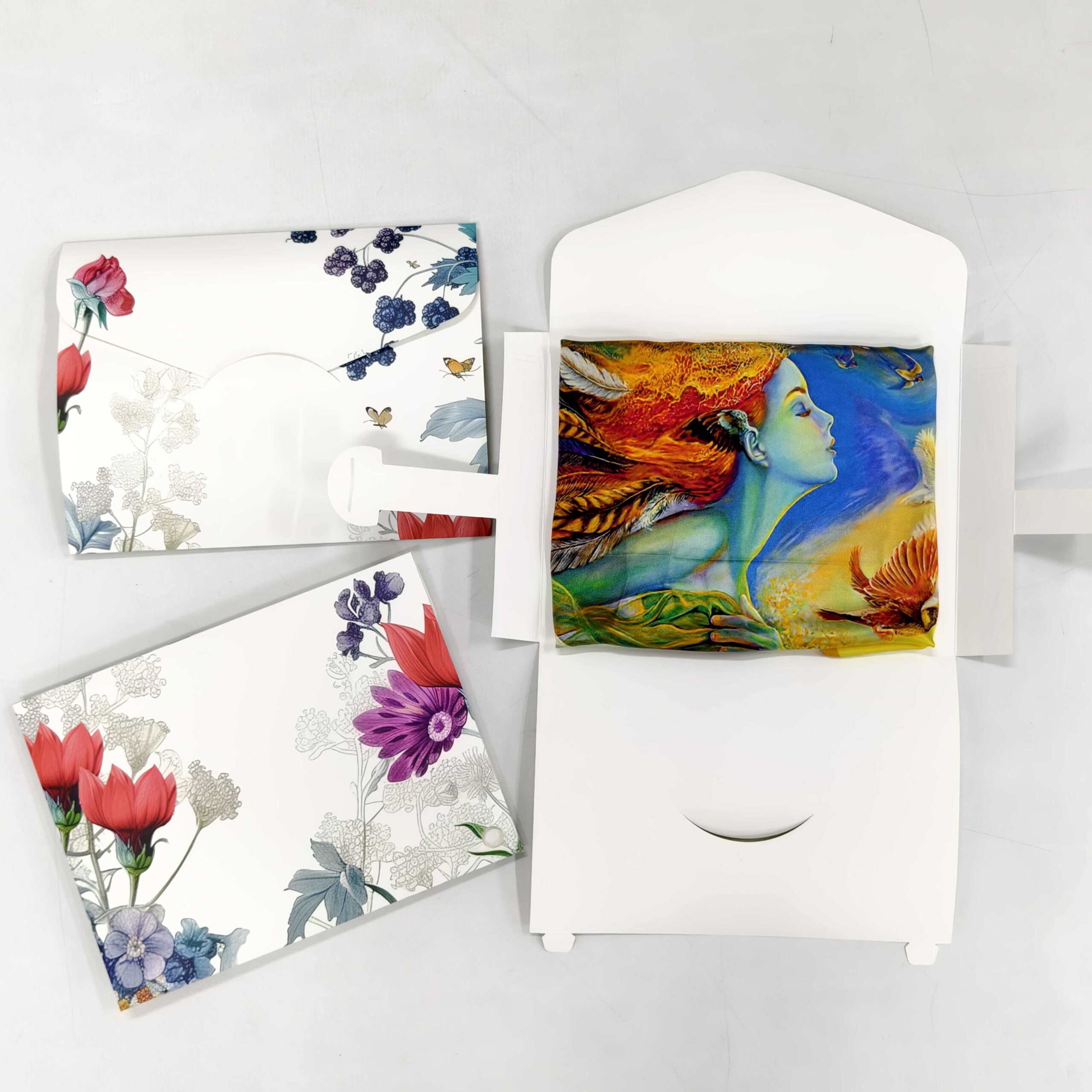
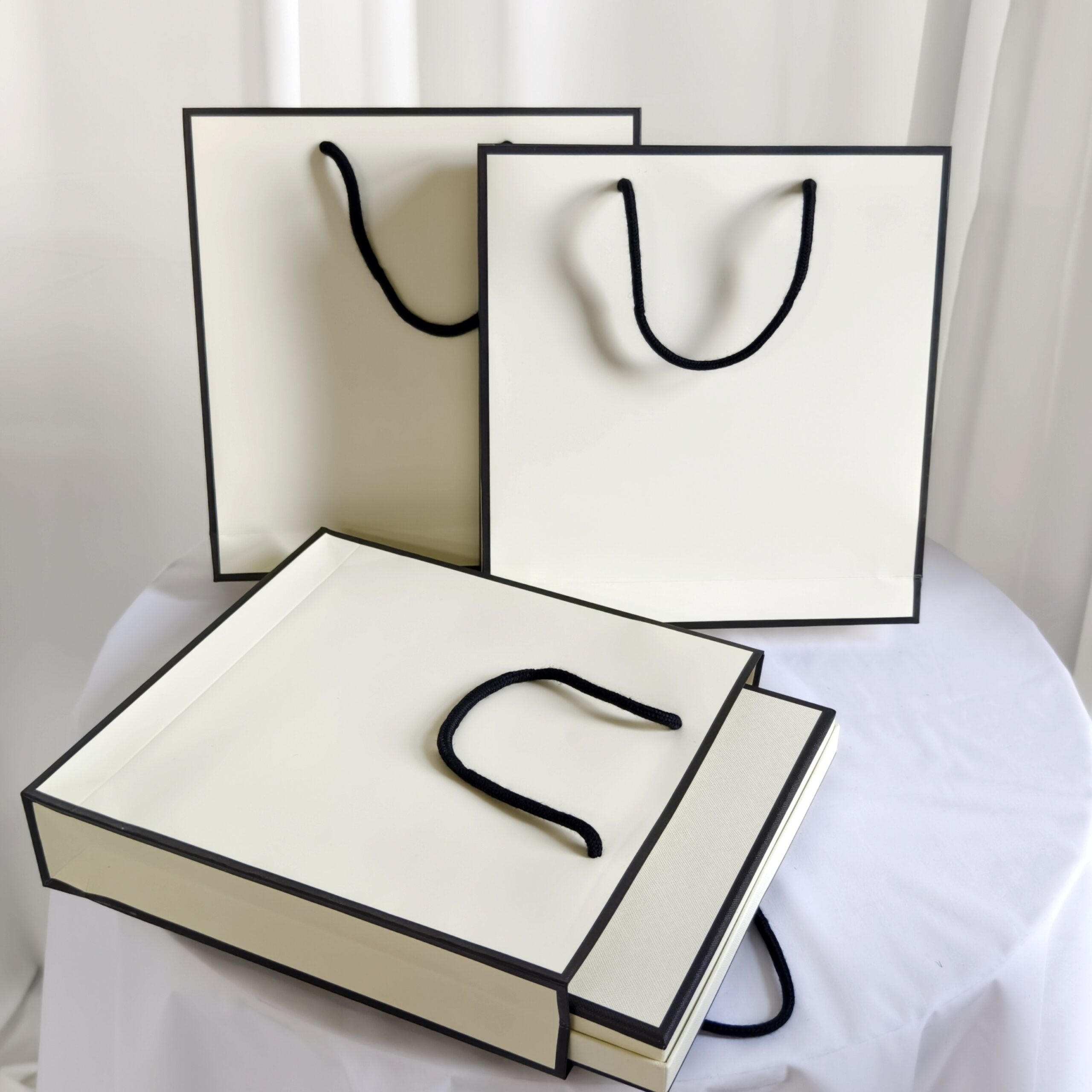
Packaging helps explain why the scarf exists. A culture-inspired scarf often works well as a gift, souvenir, membership product, event item, or limited collection piece. A simple transparent bag may be enough for wholesale display, while a paper box, envelope box, sleeve, card, or gift set can make the scarf feel more collectible.
If the design carries a regional story, consider adding a small story card. It can introduce the landscape, motif, fabric, care method, and brand message. This is where custom packaging becomes part of the product experience, not just a shipping detail.
Frequently Asked Questions
How can regional culture patterns be used in custom silk scarf design?
They can be translated through local architecture, landscapes, colors, borders, symbols, and lifestyle scenes. The goal is to create a wearable textile story rather than copying motifs without context.
What should brands prepare before designing a culture-inspired silk scarf?
Prepare reference images, preferred colors, target customer notes, size requirements, logo rules, cultural sensitivity notes, packaging direction, and launch timing.
Which silk scarf size works for regional artwork?
A 68 cm square scarf works well for compact gifts and neck styling, while 90 cm gives more space for complex cultural scenes, borders, and storytelling.
How can a brand avoid generic cultural design?
Clarify the specific region, story, customer memory, color references, and acceptable motifs. If possible, review the artwork with people who understand the culture before sampling.
Why is packaging important for culture-inspired silk scarves?
Packaging can explain the story behind the scarf and make the product gift-ready. A card, box, sleeve, or pouch can connect the artwork to the region, client story, and brand identity.
Create a Culture-Inspired Silk Scarf for Your Brand
Send us your regional references, artwork idea, target market, preferred scarf size, fabric direction, packaging plan, and launch timing. DOCSUN can help turn local stories into custom silk scarves for retail, gifting, cultural events, and destination collections.
Contact DOCSUNFabric cards, color cards, and craftsmanship references are available through our Australia, U.S., and U.K. office support when needed.