What Double-Sided Scarf Design Really Means
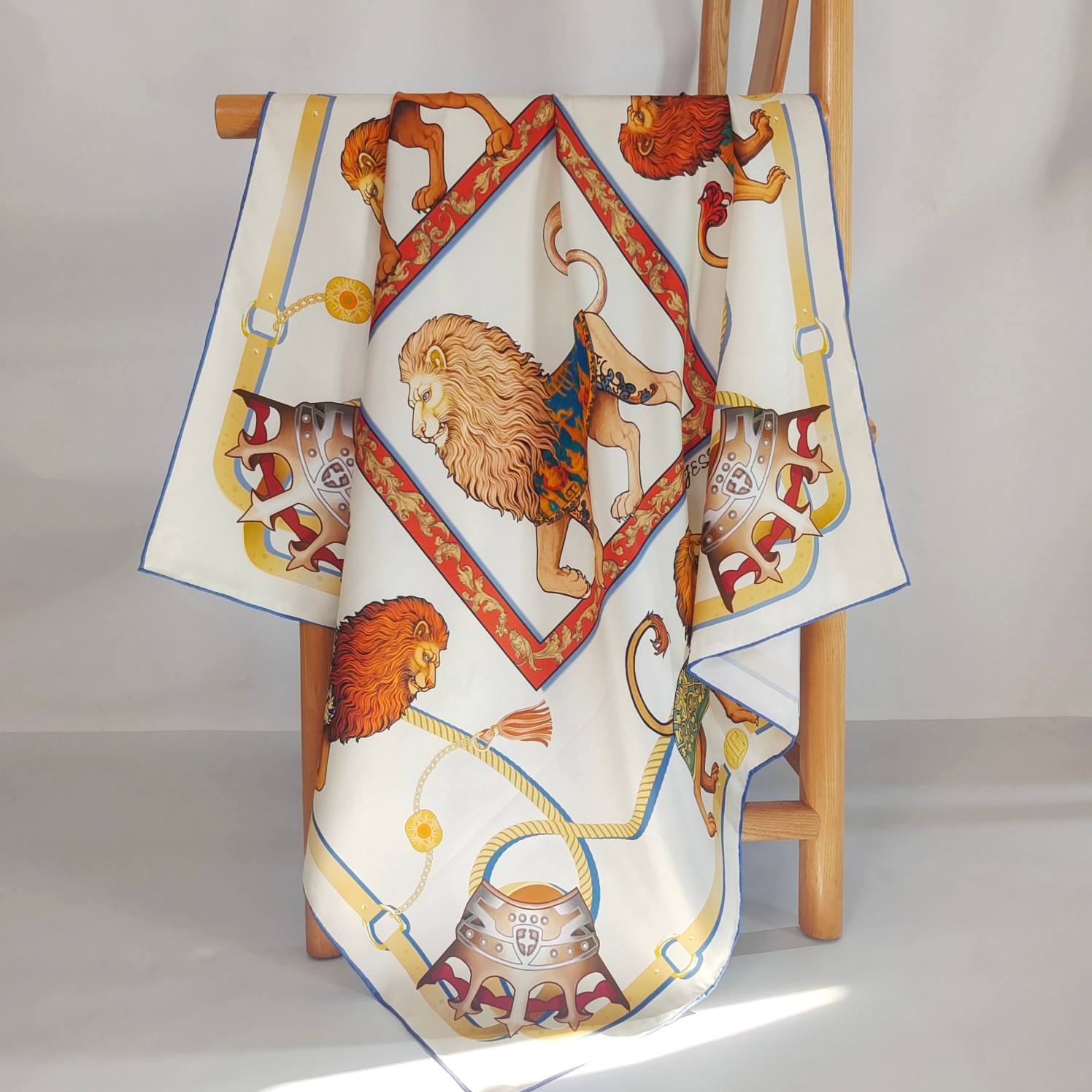
A double-sided printed scarf is not simply a single-sided scarf with stronger color penetration. Both sides must be considered as visible surfaces. When the scarf is folded, tied, draped, or worn around the neck, the reverse side often appears at the edge, corner, or knot. That is why the front and back should feel intentional together.
For luxury accessories, double-sided printing is especially useful when the brand wants a more premium hand feel, stronger visual depth, or two styling moods in one product. It also requires better planning than standard single-sided printing because fabric thickness, print method, artwork alignment, and color behavior all affect the final result.
Pattern Choices: Same, Related, or Contrasting
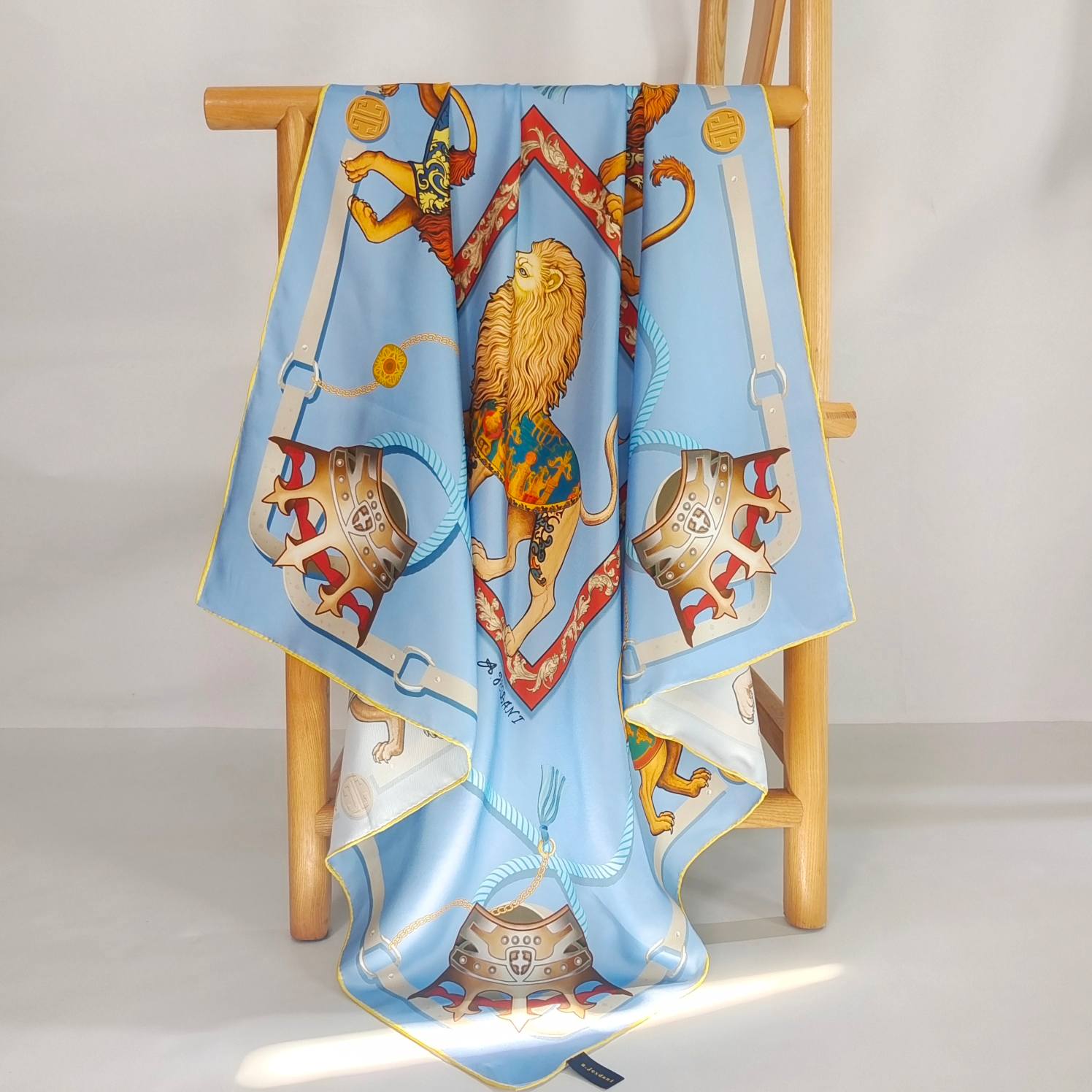
Double-sided scarf design can follow three main directions: same pattern and same color, same pattern with different colorways, or different patterns on each side. Each option creates a different design effect and production challenge.
Fabric Weight and Color Show-Through
Fabric selection is one of the most important decisions for double-sided printing. Because color can show through the silk, fabric weight and weave density affect how clean the two sides will look. For same-pattern same-color double-sided scarves, we generally recommend using 14 momme or above mulberry silk. For same-pattern different-color or different-pattern double-sided scarves, we generally recommend 16 momme or above high-quality silk to better control front-and-back color interference.
If polyester fabric is used for a budget project, choose a high-quality, high-density woven base. Low-grade satin can cause serious color show-through because of rougher yarns and lower weave density. For premium projects, 100% mulberry silk is still the stronger choice for hand feel, sheen, drape, and brand value. For fabric planning, review our fabric, color, and craftsmanship guide.
| Design type | Recommended fabric direction | Key risk to control |
|---|---|---|
| Same pattern, same color | 14 momme or above mulberry silk | Color saturation, print clarity, and consistent reverse appearance. |
| Same pattern, different colors | 16 momme or above high-quality silk | Front-and-back color interference and border alignment. |
| Different patterns, different colors | 16 momme or above high-quality silk, sample approval required | Color show-through, design conflict, and visual balance when folded. |
| Polyester alternative | High-density woven base only | Low-grade satin may show serious front-and-back color interference. |
Why Hand-Rolled Edges Matter
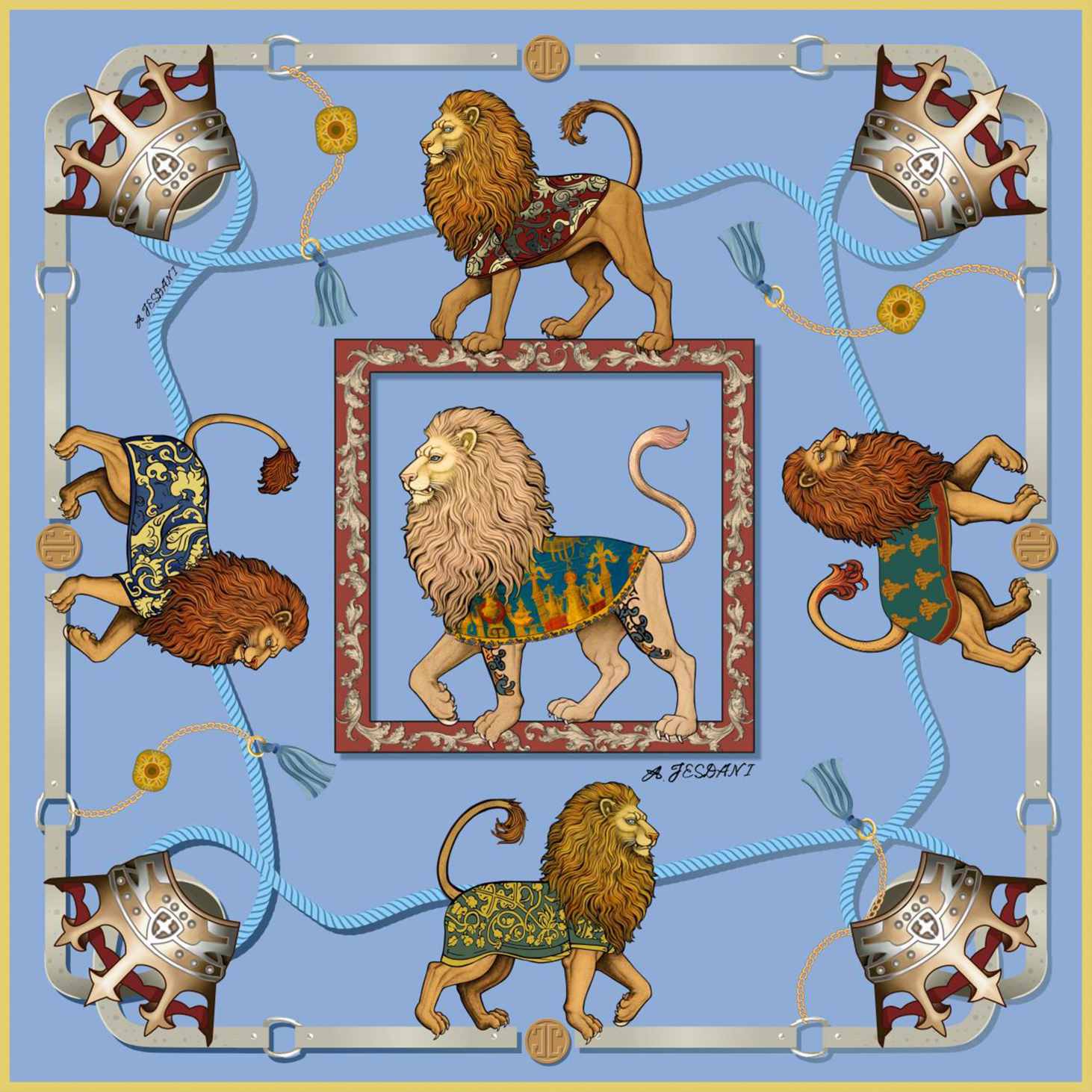
A double-sided scarf exposes its edges more often than a simple single-sided scarf. The edge is visible when the scarf is folded, tied, or worn as a neck accessory. This is why hand-rolled edges are a strong choice for premium double-sided silk scarves.
A hand-rolled hem creates a soft, rounded, handcrafted finish. It can make the scarf feel more refined than a flat machine hem, especially when the product is positioned as a luxury accessory, gift item, or collectible scarf. If the scarf also includes a woven label, we recommend hand-sewing the label carefully so it does not interrupt the edge or reverse-side appearance. You can compare edge options in our hand-rolled vs machine-rolled silk scarf guide.
Packaging for a Premium Scarf Project
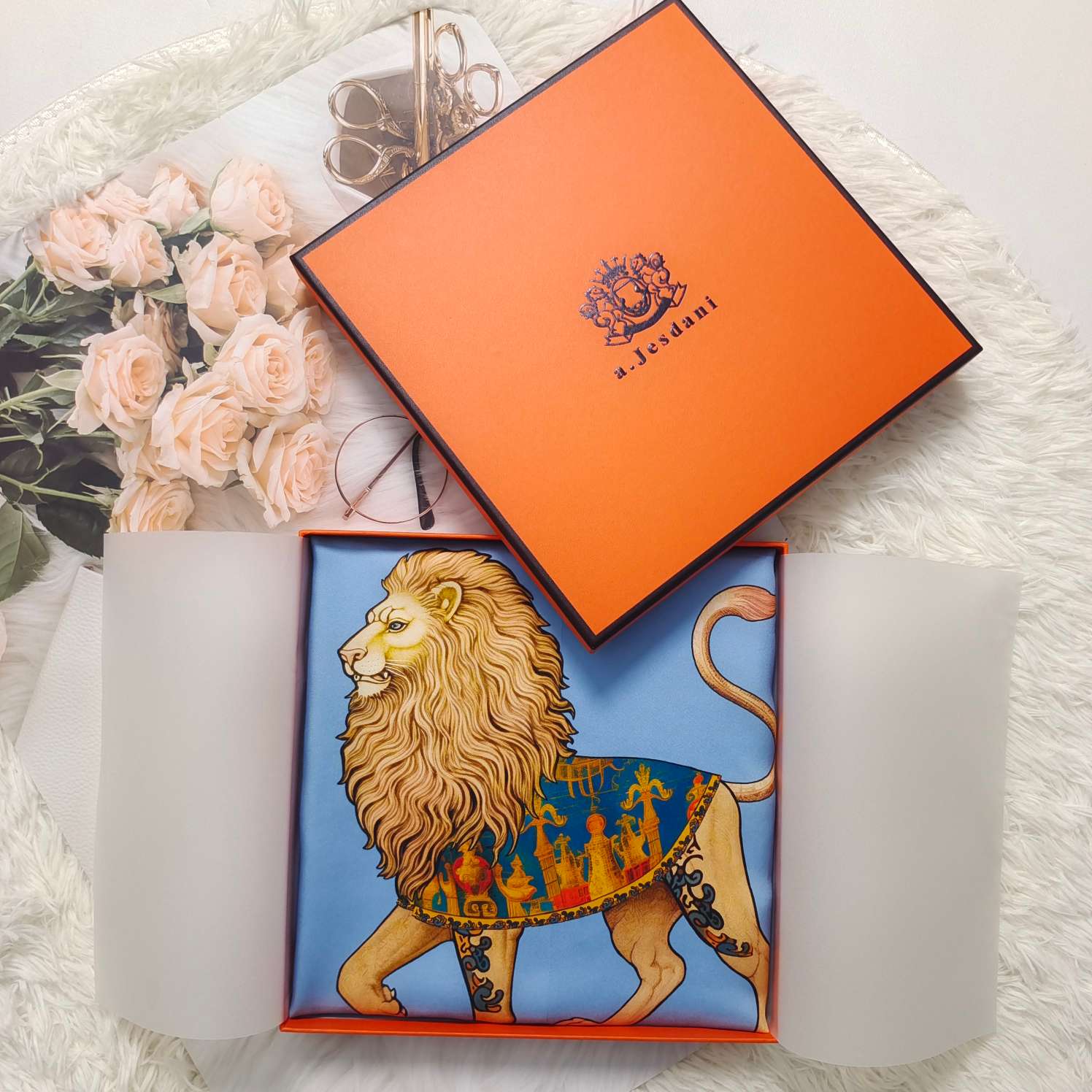
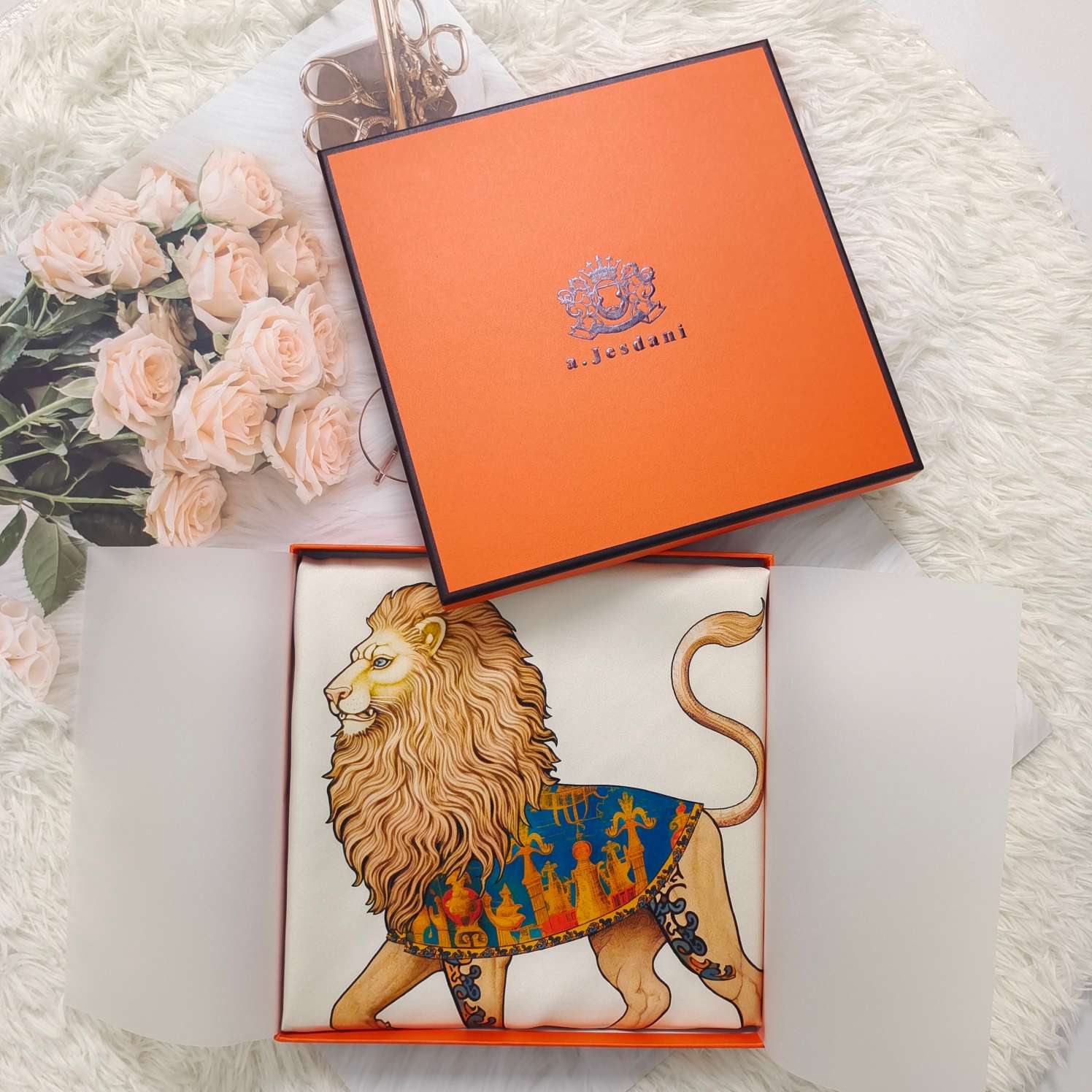
Packaging should match the quality level of the scarf. A double-sided silk scarf with a lion pattern and hand-rolled edges can feel more complete when presented with a custom box, tissue, insert card, care card, and brand label. Packaging also helps communicate the story behind the pattern and the craftsmanship.
For retail and gifting projects, we recommend planning packaging during sampling, not after bulk production. Box size, folding method, label placement, and insert design all affect presentation. For packaging options, review our custom packaging service.
Development Checklist for Brands
Before sampling, prepare a clear project brief. Include scarf size, fabric type, fabric weight, front artwork, back artwork, color standard, edge finishing, label position, packaging requirement, quantity, and launch date. For double-sided printing, the sample should be reviewed under natural light and folded into real wearing styles.
DOCSUN can support custom silk scarf development, custom printing, fabric selection, hand-rolled edges, labels, packaging, sampling, and bulk production. If your project involves double-sided designs, send both front and back artwork for review before confirming the production plan.
Frequently Asked Questions
What is a double-sided printed silk scarf?
It is a scarf designed so both sides have intentional visual value. It may use the same pattern and same color, the same pattern with different colors, or different patterns on each side.
Why choose hand-rolled edges for a double-sided silk scarf?
Hand-rolled edges can strengthen the premium feeling because the soft rounded edge looks refined from both sides and supports a more handcrafted finish.
What fabric weight is recommended for double-sided silk scarf printing?
For same-pattern same-color double-sided scarves, 14 momme or above mulberry silk is often recommended. For same-pattern different-color or different-pattern double-sided scarves, 16 momme or above high-quality silk is usually safer to reduce color show-through.
How should brands choose patterns for a double-sided scarf?
Choose patterns based on symbolism, target customer, border layout, color contrast, reverse-side visibility, and whether the scarf will be worn flat, folded, tied, or draped.
Can DOCSUN support double-sided silk scarf development?
Yes. DOCSUN can support fabric selection, artwork review, color planning, digital printing, hand-rolled edges, labels, packaging, sampling, and bulk production.
Create a Double-Sided Silk Scarf Project
Share your front and back artwork, fabric preference, color direction, edge finishing requirement, packaging idea, and expected quantity. DOCSUN can help turn the concept into a practical sample plan.
Start a Double-Sided Scarf ProjectWe can support fabric cards, color cards, double-sided printing, hand-rolled edges, labels, packaging, samples, and bulk production.