
Define the Product Before Choosing a Factory
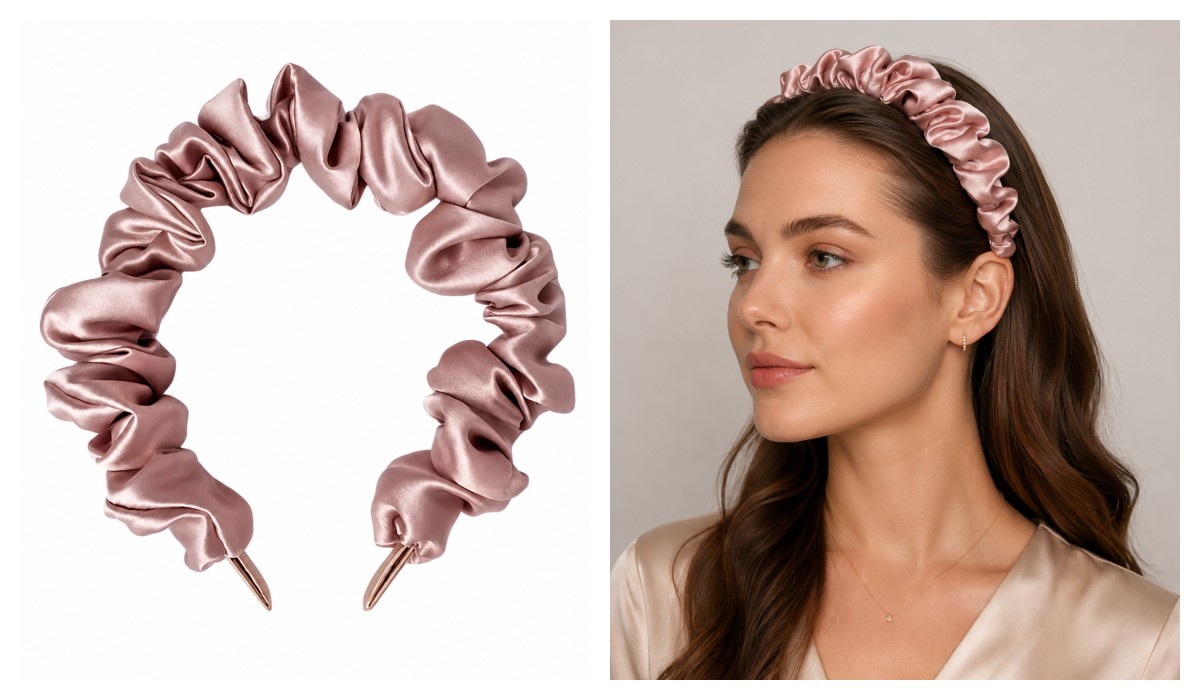
Before contacting a custom headband manufacturer, clarify what type of headband you want to create. A silk fashion headband, padded headband, knotted headband, elastic hair band, workout headband, spa headband, and printed promotional headband all need different materials, patterns, sewing methods, and fit testing.
A strong project brief should include target customer, size range, fabric preference, print artwork, color direction, comfort requirements, logo placement, packaging level, order quantity, and launch date. Without this information, a supplier can only quote roughly, and sampling may take longer than necessary.
If the product belongs to a wider hair accessory range, compare it with related items such as custom silk scrunchies, custom silk bonnets, and other hair accessories custom cases. This helps your brand build a more coherent collection.
Check Material and Fabric Expertise
Material choice changes comfort, appearance, durability, price, and production difficulty. For premium fashion headbands, silk twill, silk satin, silk charmeuse, chiffon, cotton, linen blends, velvet, and synthetic satin may all be considered depending on the target market.
For hair-friendly accessories, mulberry silk can be attractive because of its smooth hand feel and premium positioning. For structured headbands, the base material, padding, interlining, and seam treatment matter as much as the outer fabric. Ask whether the supplier can explain the tradeoffs instead of simply listing fabric names.
Evaluate Sampling and Development Support
Sampling reveals whether the manufacturer understands your design. For custom headbands, sample development should confirm pattern shape, elastic tension, seam position, fabric direction, print placement, label position, comfort, and finishing.
Ask how many sample rounds are normally needed, what information the factory requires before sampling, and how changes are recorded. A supplier with a clear sampling process helps reduce misunderstandings and avoids costly remake cycles.
For custom textile accessories, physical samples are especially important because online images cannot fully show hand feel, drape, structure, color accuracy, and wearing comfort.
Review Print, Color, and Branding Capability
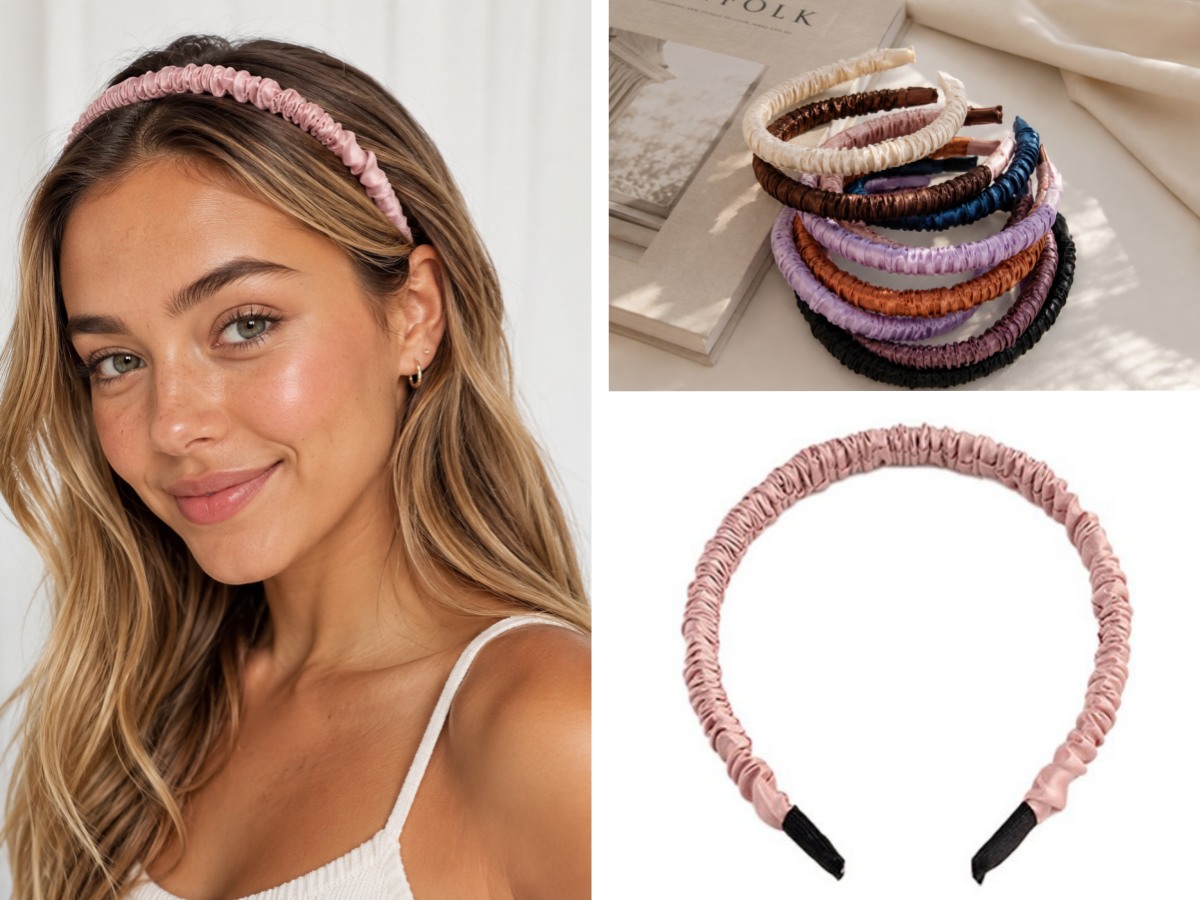
Printed headbands need accurate artwork handling. The manufacturer should understand file setup, repeat direction, placement, scale, color matching, and how artwork behaves after cutting and sewing. A pattern that looks balanced on flat fabric may shift when wrapped around a padded or knotted shape.
For printed silk and accessory fabrics, ask whether the supplier can support digital printing, screen printing, color references, strike-off samples, and production color control. You can also review the custom printing process before preparing artwork.
Branding is another key detail. Woven labels, printed labels, care labels, hangtags, and packaging should match the product's price point. If labels touch the skin or hair, placement and softness matter.
Fit, Construction, and Quality Control
For headbands, fit is not a small detail. A headband that is too tight can feel uncomfortable; one that is too loose may slip. The manufacturer should test elastic recovery, seam strength, padding symmetry, edge smoothness, and size consistency.
MOQ, Pricing, and Delivery Reliability
MOQ is important, but it should not be judged alone. A very low MOQ may be useful for testing a new design, while larger quantities may reduce unit cost. Brands should ask what changes when quantity increases: fabric ordering, print setup, labor efficiency, packaging cost, and delivery schedule.
Reliable suppliers explain timelines clearly. Ask about sample lead time, bulk production time, fabric availability, packaging production, quality inspection, and shipping preparation. If your launch date is fixed, confirm the schedule before committing to artwork or material choices.
| Factor | What to ask | Why it matters |
|---|---|---|
| MOQ | Can the factory support samples, small tests, and repeat orders? | Helps brands test demand without overstock. |
| Pricing | What is included in the quote? | Prevents hidden costs for labels, packaging, or special finishing. |
| Lead time | How long are sample, approval, and bulk production stages? | Protects launch schedules. |
| QC | What inspection points are used before shipment? | Reduces returns and customer complaints. |
Packaging and Supplier Relationship
Packaging helps position a headband as a fashion accessory, gift item, beauty product, or boutique collection piece. Ask whether the supplier can support custom packaging, care cards, hangtags, barcode labels, and packing methods for retail or e-commerce shipment.
A good supplier relationship is also part of product quality. The best manufacturer communicates clearly, records revisions, warns you about risks, and helps solve production problems before they become expensive. If your brand plans to build a long-term accessory line, supplier communication can be as important as unit price.
DOCSUN supports custom silk and textile accessories, including printed scarf fabrics, hair accessory development, fabric selection, color discussion, and custom packaging. For projects involving fabric, color, or craftsmanship decisions, review our fabric and craftsmanship selection resources before sampling.
Frequently Asked Questions
What should I look for in a custom headband manufacturer?
Look for material knowledge, sampling support, fit testing, sewing quality, print capability, MOQ flexibility, packaging options, quality control, and clear communication.
What information should I prepare before requesting a quote?
Prepare headband style, size, fabric preference, artwork, color references, logo or label needs, packaging expectations, order quantity, and target delivery date.
Can silk be used for custom headbands?
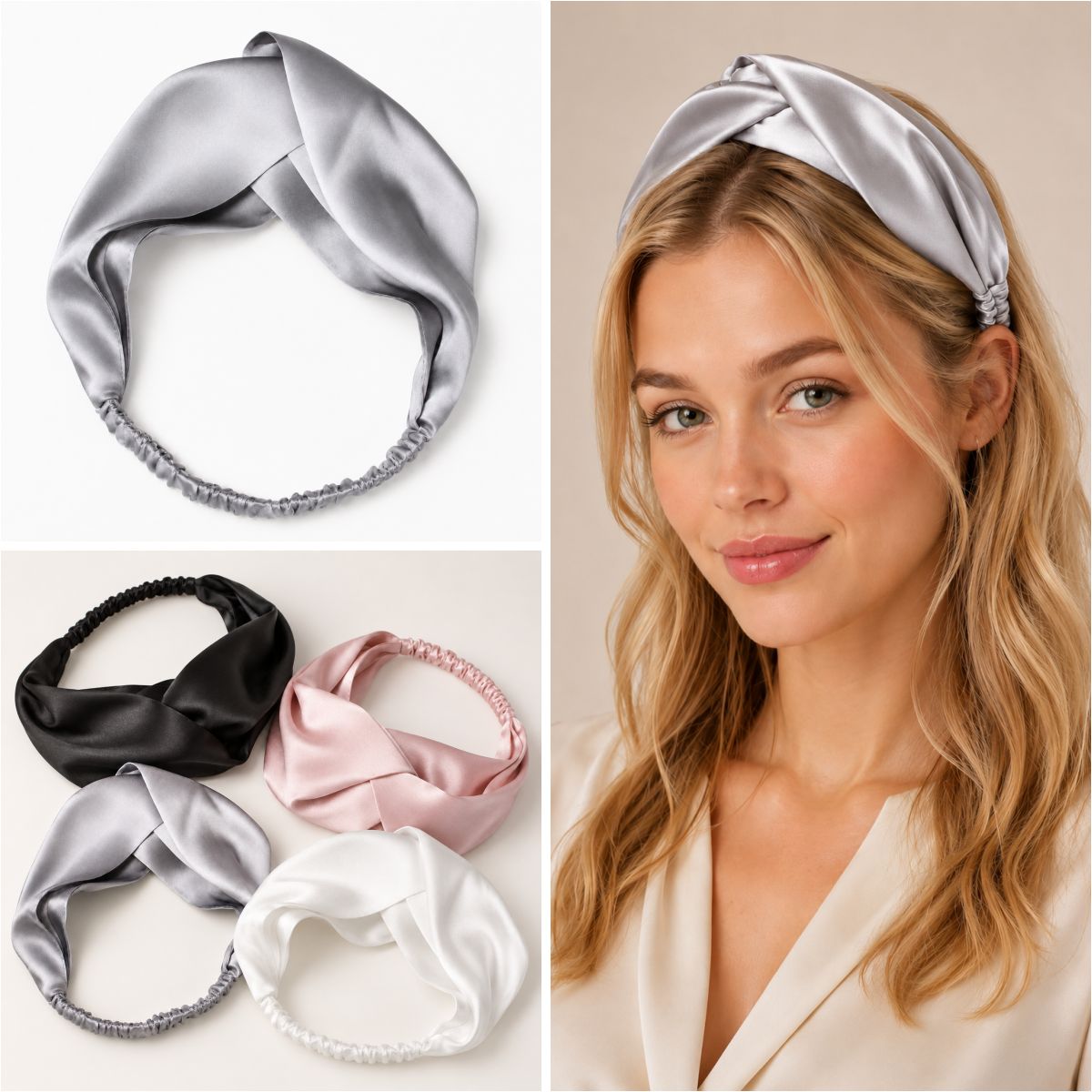
Yes. Mulberry silk can be used for premium fashion headbands and hair-friendly accessories. The best fabric depends on the desired structure, shine, softness, and price point.
Is low MOQ important when choosing a manufacturer?
Low MOQ can help brands test new designs, but it should be balanced with sampling quality, material availability, unit cost, and the supplier's ability to repeat the product consistently.
Can DOCSUN support headbands and related hair accessories?
Yes. DOCSUN can support custom textile accessories, fabric and color selection, printing, labeling, packaging, and related silk hair accessory development.
Develop Custom Headbands and Silk Hair Accessories
Share your style reference, fabric idea, artwork, target price, quantity, and packaging needs. DOCSUN can help review material options, sampling steps, and production details before you commit to bulk orders.
Contact DOCSUNFast response within 24 hours.