What a Wholesale Silk Scarf Manufacturer Should Provide
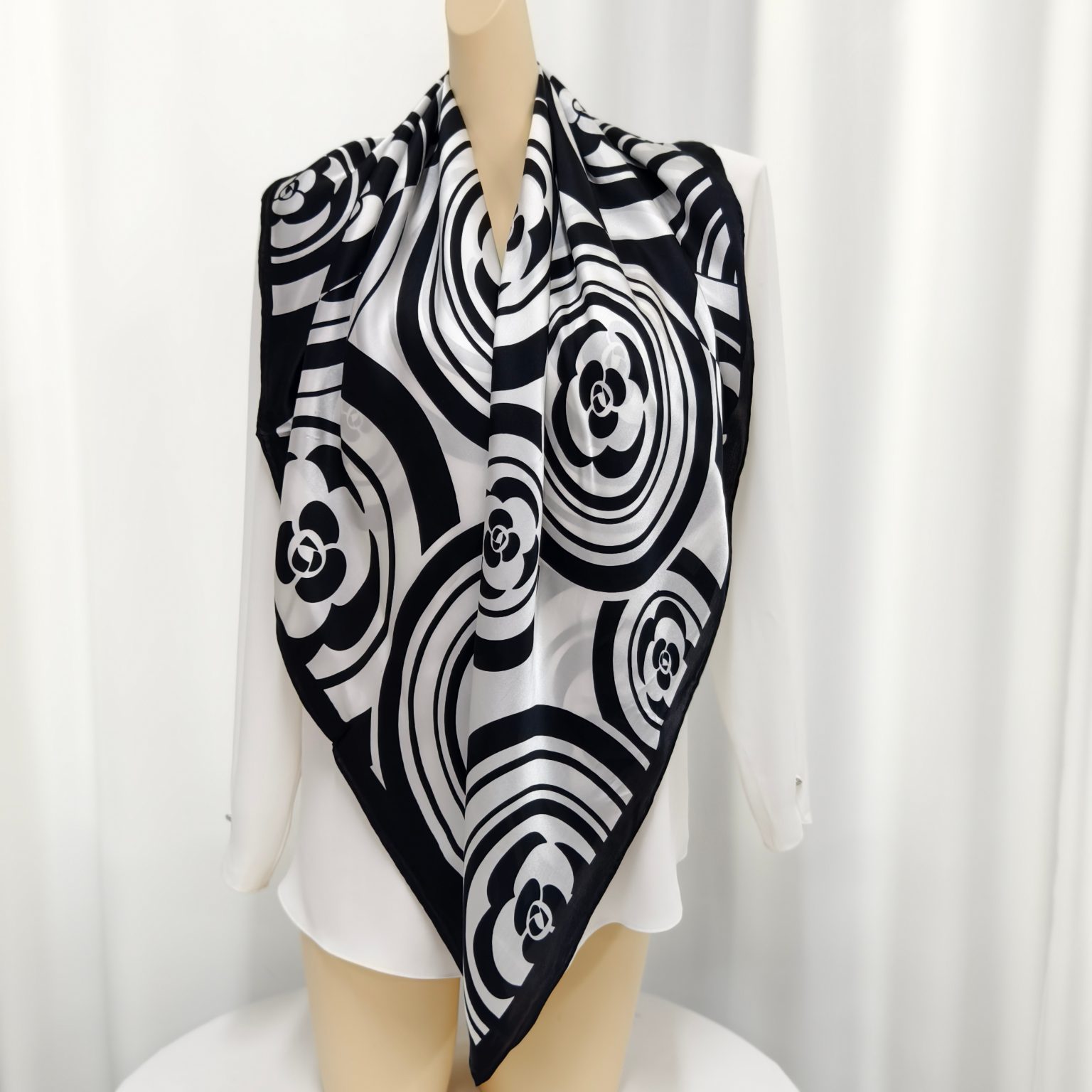
A wholesale manufacturer should do more than produce a scarf after receiving artwork. For brand projects, the supplier should help evaluate fabric, size, print method, color references, edge finishing, labels, packaging, and production timeline before bulk orders begin.
The best wholesale partner can translate a design concept into a repeatable product. This means clear sampling, written specifications, stable communication, and quality checks at every stage. If the supplier cannot explain fabric type, momme weight, print limitations, or finishing differences, the project may face problems later.
For direct product inquiry and full customization options, use the main custom silk scarf landing page. This guide is designed to help sourcing teams compare manufacturers before starting a project.
How to Check 100% Mulberry Silk Quality
Mulberry silk is valued for its smooth hand feel, natural luster, breathability, and premium positioning. However, quality depends on more than the fiber name. Brands should confirm fabric type, momme weight, weave, surface smoothness, print result, and whether the fabric matches the scarf size and intended use.
Ask the manufacturer for fabric details instead of relying only on a simple "100% silk" statement. A 100% mulberry silk twill scarf, satin scarf, chiffon scarf, and habotai scarf can all feel different. The best choice depends on artwork, target price, customer positioning, and desired drape.
Fabric, Size, and Collection Planning
Wholesale orders often involve more than one design. A collection may include a core 90 cm silk twill scarf, a compact 53 cm neck scarf, a long styling scarf, or seasonal gift styles. Planning these formats together helps control fabric use, packaging, sampling, and brand consistency.
Silk twill is often chosen for premium square scarves because it has structure and print clarity. Satin can give a more luminous surface. Chiffon creates a softer, lighter effect. If your team is comparing fabrics, review our silk scarf fabric guide.
Printing and Color Control
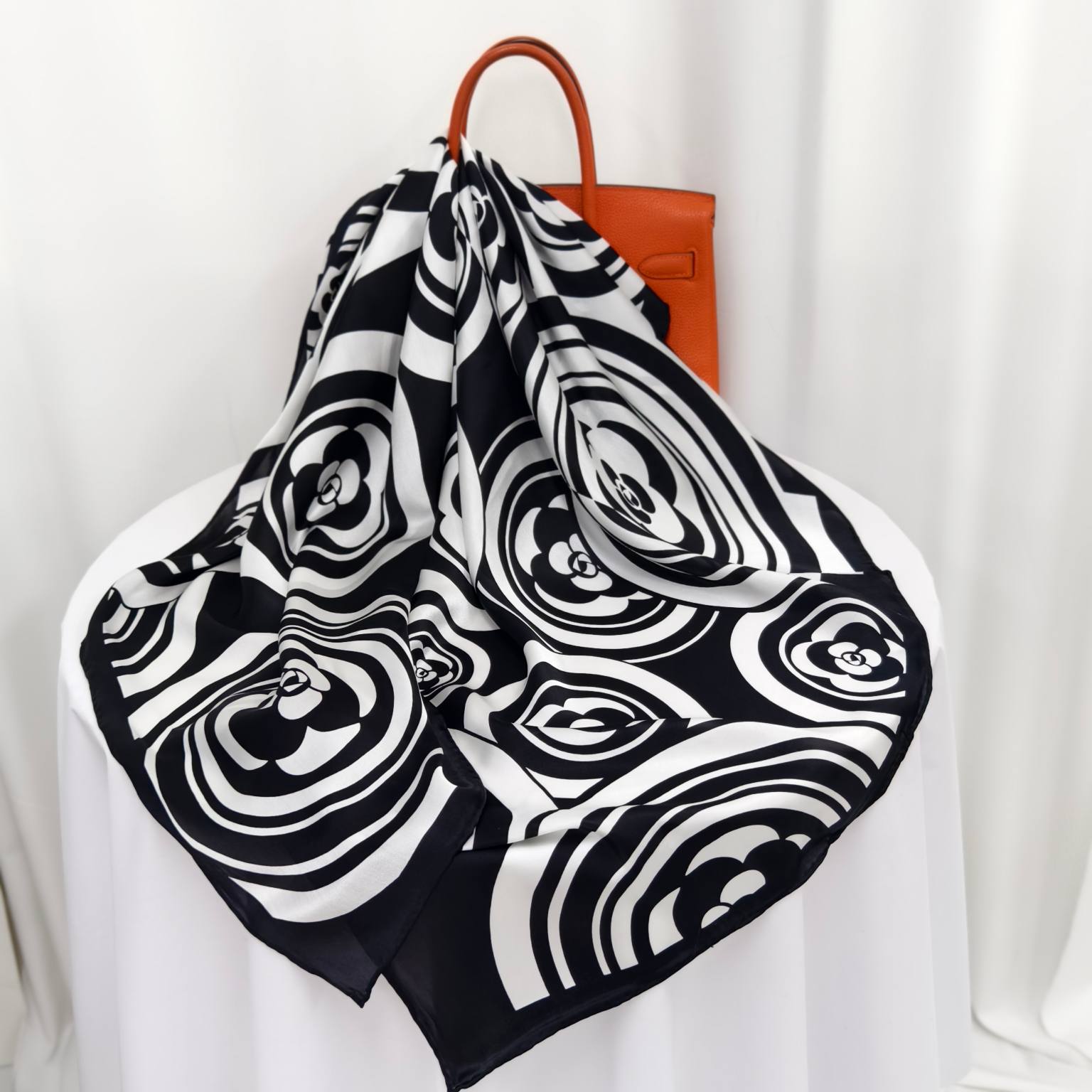
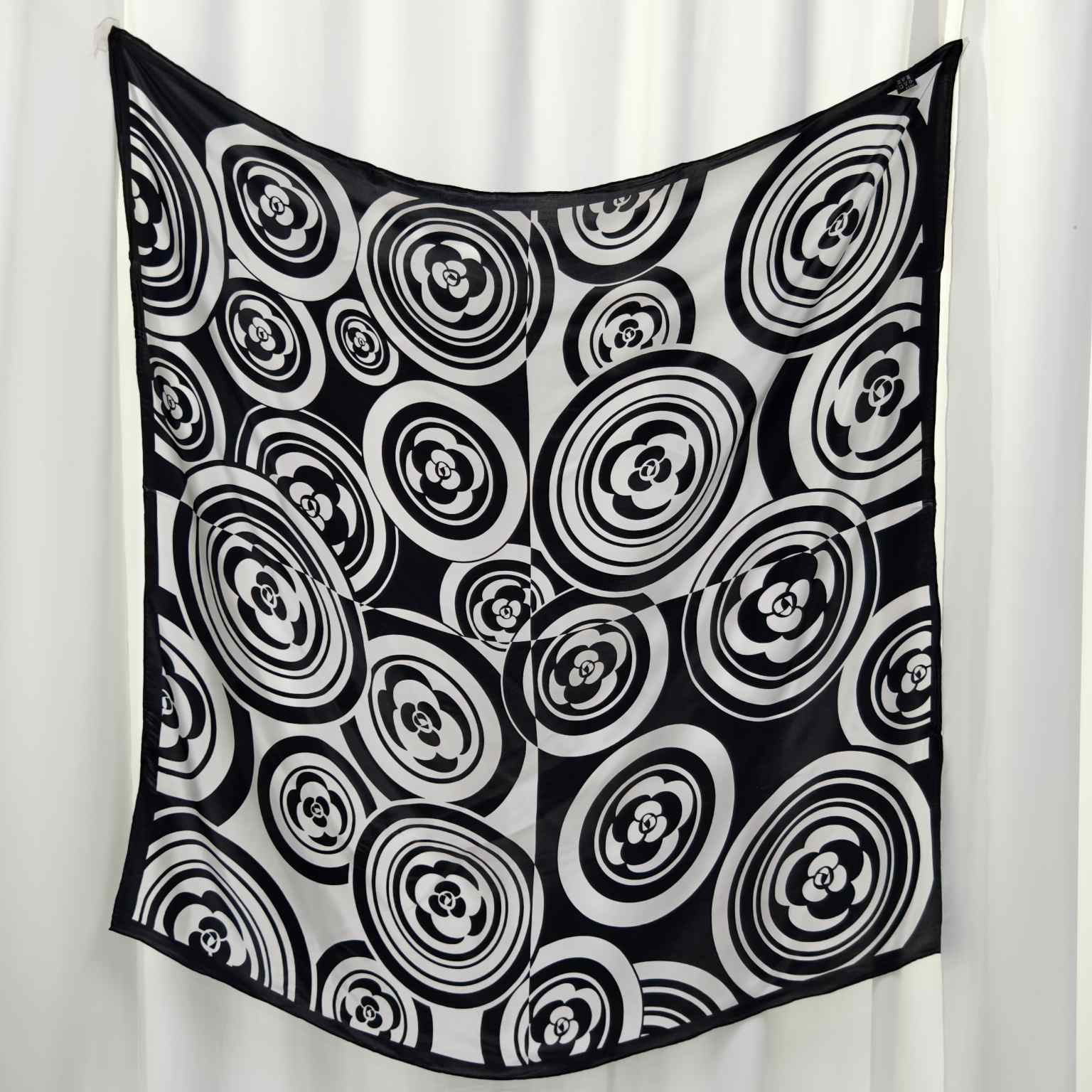
Printing is one of the most important parts of wholesale silk scarf production. Digital printing is flexible for detailed artwork, color gradients, and smaller custom runs. Screen printing may suit certain solid-color designs and higher-volume projects. The best method depends on artwork style, fabric, color count, and order quantity.
Color control should be handled before bulk production. Screen colors, Pantone references, and printed silk results can differ, especially on shiny or textured fabrics. A strike-off sample helps confirm color, line sharpness, border placement, and overall scale. Review the custom printing process before sending final artwork.
Finishing, Labels, and Packaging
Edge finishing influences both cost and perceived value. Hand-rolled edges are often used for luxury silk scarves. Machine hems can be efficient and consistent for certain wholesale orders. Labels, care labels, hangtags, barcode labels, and packaging should match the sales channel.
Wholesale buyers should also consider packaging early. A scarf for boutique retail, corporate gifting, e-commerce fulfillment, or private-label resale may need different boxes, sleeves, cards, or packing methods. DOCSUN can support custom packaging for scarf projects.
MOQ, Lead Time, and Quality Control
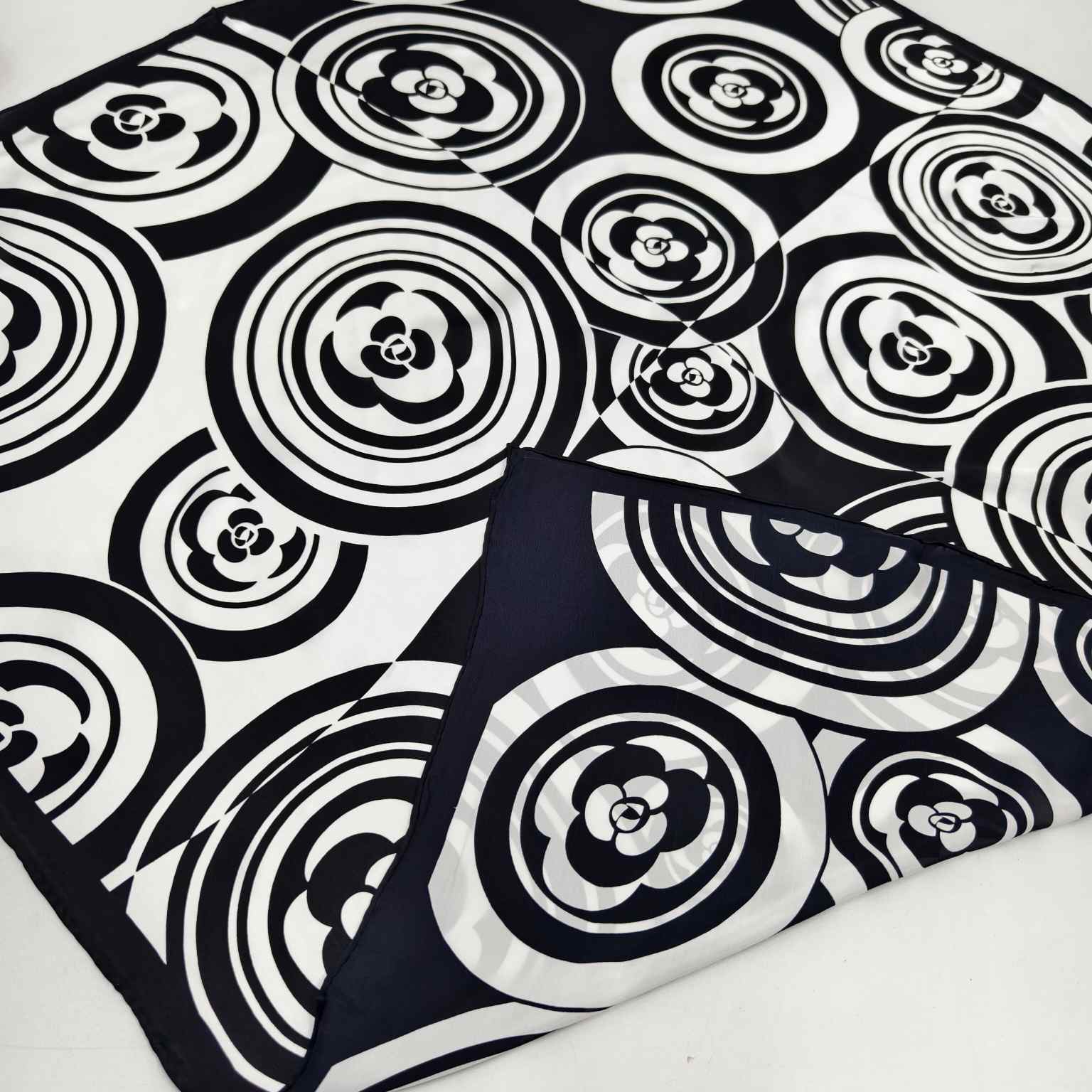
MOQ should be discussed together with fabric availability, print setup, labor, packaging, and inspection. A very low MOQ can help test a design, while larger wholesale orders may reduce unit cost. The supplier should explain how price changes with quantity and what is included in the quotation.
Lead time should include sample development, print approval, bulk fabric preparation, printing, hemming, labeling, packaging, inspection, and shipping preparation. If your launch date is fixed, confirm each stage before approving production.
| Area | What to confirm | Why it matters |
|---|---|---|
| MOQ | Sample quantity, test order, repeat order terms | Helps manage inventory risk and launch planning. |
| Specification | Fabric, size, weight, print method, hem, label, packaging | Prevents mismatch between sample and bulk order. |
| QC | Color, stains, print defects, loose threads, size tolerance | Reduces returns, delays, and customer complaints. |
| Communication | Revision records, sample comments, production updates | Keeps the project controlled from development to delivery. |
Supplier Evaluation Checklist
Frequently Asked Questions
What should I ask a mulberry silk scarf wholesale manufacturer?
Ask about fabric type, momme weight, print method, color matching, sample process, MOQ, edge finishing, labels, packaging, lead time, and quality inspection standards.
Is 100% mulberry silk always the best choice for wholesale scarves?
It is a strong premium choice, but the best option depends on the product goal. Silk twill, satin, chiffon, and habotai each suit different scarf styles, artwork, and price levels.
How can I reduce risk before bulk scarf production?
Approve a physical sample or strike-off, confirm fabric and color references, check edge finishing, review labels and packaging, and keep written specifications before bulk production starts.
What is a good MOQ for wholesale silk scarves?
MOQ depends on fabric, print method, size, packaging, and supplier setup. Small test orders may be possible, while larger quantities usually improve unit cost.
Can DOCSUN support wholesale and custom silk scarf projects?
Yes. DOCSUN can support fabric selection, artwork review, custom printing, edge finishing, labels, packaging, sampling, and wholesale production planning.
Source Wholesale Mulberry Silk Scarves with DOCSUN
Share your scarf size, artwork, fabric preference, quantity, packaging idea, and target delivery date. DOCSUN can help review the technical details before sampling and bulk production.
Contact DOCSUNFast response within 24 hours.