FABRIC KNOWLEDGE & SOURCING
Why China Is a Leading Hub for High-Quality Silk Scarf Production
China has a long silk heritage and a mature textile supply chain. For brands developing 100% mulberry silk scarves, the real advantage is not a slogan. It is the combination of fabric access, printing experience, skilled finishing, sampling, quality control, and scalable production.
Silk Heritage and Modern Production
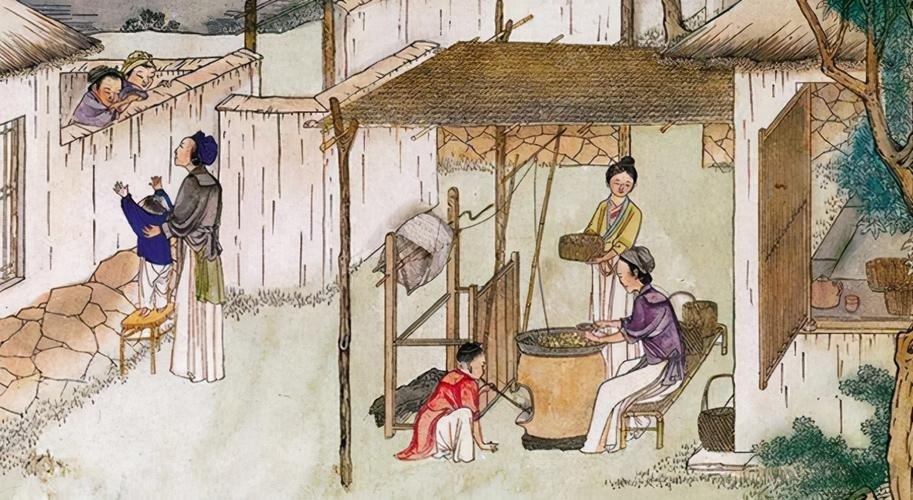
China's connection with silk is centuries old, but modern silk scarf production is not only about history. Today's brand projects require design interpretation, fabric selection, digital artwork handling, color matching, printing, edge finishing, labeling, packaging, and export coordination.
A mature supply chain helps because many steps are connected. Fabric sourcing, printing, sewing, inspection, and packaging can be coordinated within one production ecosystem. This makes it easier for brands to move from concept to sample and then to repeatable bulk production.
For commercial scarf development, brands should still evaluate each supplier carefully. A country or region can offer strong capacity, but the final product quality depends on the manufacturer, specifications, and process control.
Why Mulberry Silk Matters
100% mulberry silk is widely used for premium scarves because it has a smooth hand feel, natural luster, good drape, and strong customer recognition. It can be woven into twill, satin, chiffon, habotai, crepe, and other fabric structures, each with different performance.
For high-quality printed scarves, fabric choice should match the design. Silk twill is often selected for detailed square scarves, satin for a more luminous effect, and chiffon for light, soft styling. If your team is comparing fabrics, review our guide to the best silk fabrics for scarves.
The Manufacturing Chain Behind a Scarf
A finished silk scarf looks simple, but production involves many coordinated steps. The manufacturer needs to prepare fabric, review artwork, set print files, run samples, approve colors, print bulk fabric, cut panels, finish edges, attach labels, inspect quality, and pack the order.
For custom projects, clear communication is critical. Brands should provide artwork files, size, fabric preference, color references, edge requirements, packaging needs, and delivery schedule. The manufacturer should respond with technical feedback instead of only a price.
DOCSUN supports custom silk scarf development for brands that need fabric selection, printing, craftsmanship, and packaging support in one workflow.
Printing, Color, and Artwork Control
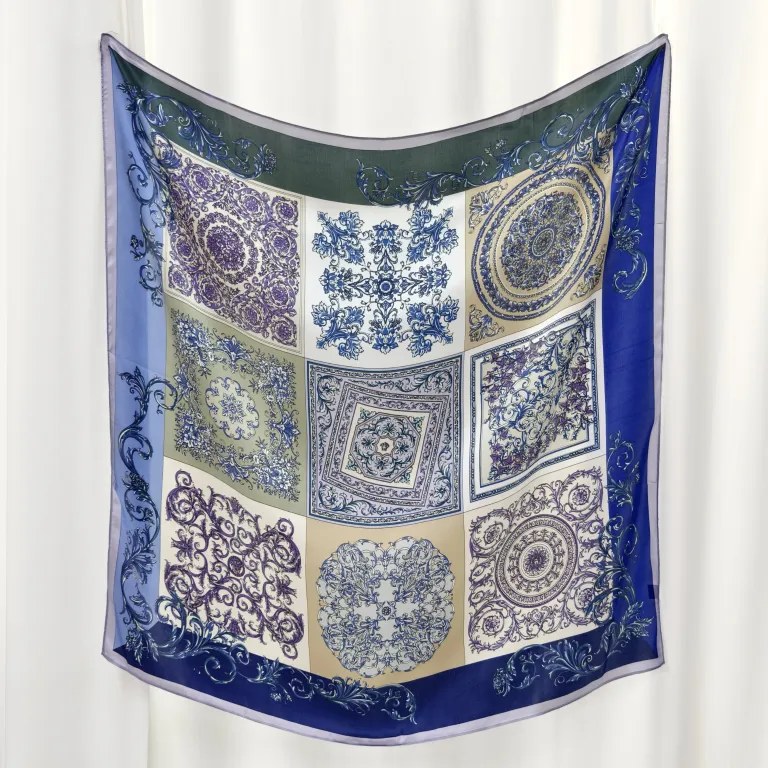
Printed scarves require more than beautiful artwork. The design must be translated onto silk without losing important details, border alignment, logo visibility, or color balance. Digital printing is flexible for detailed artwork and smaller custom runs. Screen printing can be considered for certain solid-color or higher-volume projects.
Color approval should use physical samples whenever possible. Screen colors, Pantone references, and printed silk results can differ. A strike-off sample helps confirm scale, color, and clarity before bulk production. Review the custom printing process before sending final files.
Finishing and Quality Control
Edge finishing has a major effect on how a scarf feels and how customers judge its value. Premium scarves may use hand-rolled edges, while machine hems can work for certain designs, order volumes, and price levels. The best option depends on brand positioning, fabric, size, and schedule.
Quality control should include fabric surface, stains, print defects, color consistency, size tolerance, edge finishing, loose threads, labels, packaging, and final count. A good manufacturer should make quality checks part of the workflow, not a last-minute step.
Why Global Brands Source Silk Scarves from China
Brands often consider China for silk scarf production because of material access, printing capacity, craftsmanship options, flexible sampling, packaging resources, and export experience. This can help brands develop both small custom projects and larger wholesale programs.
The advantage is strongest when the manufacturer can combine technical advice with production execution. A good supplier should help identify risks, explain fabric and finishing options, and keep the approved sample consistent in bulk. For packaging needs, DOCSUN can also support custom packaging for scarf projects.
Supplier Checklist
| Area | What to check | Why it matters |
|---|---|---|
| Fabric | Fiber, weave, momme weight, hand feel, opacity | Controls scarf quality, print result, and price level. |
| Printing | Artwork setup, color references, sample approval | Prevents logo, color, and border problems. |
| Finishing | Hand-rolled edge, machine hem, labels, care labels | Affects perceived value and product consistency. |
| QC | Print defects, stains, size tolerance, loose threads | Reduces returns and customer complaints. |
| Communication | Written specifications, revision records, delivery updates | Keeps sample and bulk production aligned. |
Frequently Asked Questions
Why is China important in silk scarf production?
China has a long silk tradition and a mature textile supply chain that supports fabric sourcing, printing, finishing, packaging, sampling, and export production for silk scarves.
Is every silk scarf manufacturer in China the same?
No. Supplier capability varies widely. Brands should evaluate fabric knowledge, sample quality, print control, finishing consistency, QC, communication, and packaging support.
What makes a 100% mulberry silk scarf high quality?
Quality depends on fiber, fabric weave, momme weight, hand feel, print clarity, color control, edge finishing, label placement, and inspection standards.
Can DOCSUN support custom scarf production for brands?
Yes. DOCSUN supports custom silk scarf projects including fabric selection, artwork review, custom printing, edge finishing, labels, packaging, sampling, and bulk production.
Should brands request samples before bulk production?
Yes. Physical samples or strike-offs help confirm fabric, color, print clarity, size, and finishing before bulk production begins.
Develop High-Quality Mulberry Silk Scarves with DOCSUN
Share your artwork, fabric preference, scarf size, quantity, packaging needs, and target schedule. DOCSUN can help review the technical details before sampling and production.
Contact DOCSUNFast response within 24 hours.