DYEING & CRAFTSMANSHIP
How to Develop a 14mm Double-Sided Digital Printed Silk Scarf for Your Brand
Double-sided silk scarves require more planning than standard one-sided printed scarves. This guide explains how brands can develop 14mm mulberry silk scarves with digital printing, controlled color penetration, suitable artwork, refined edge finishing, and production-ready specifications.
Why Double-Sided Silk Scarves Need Special Planning
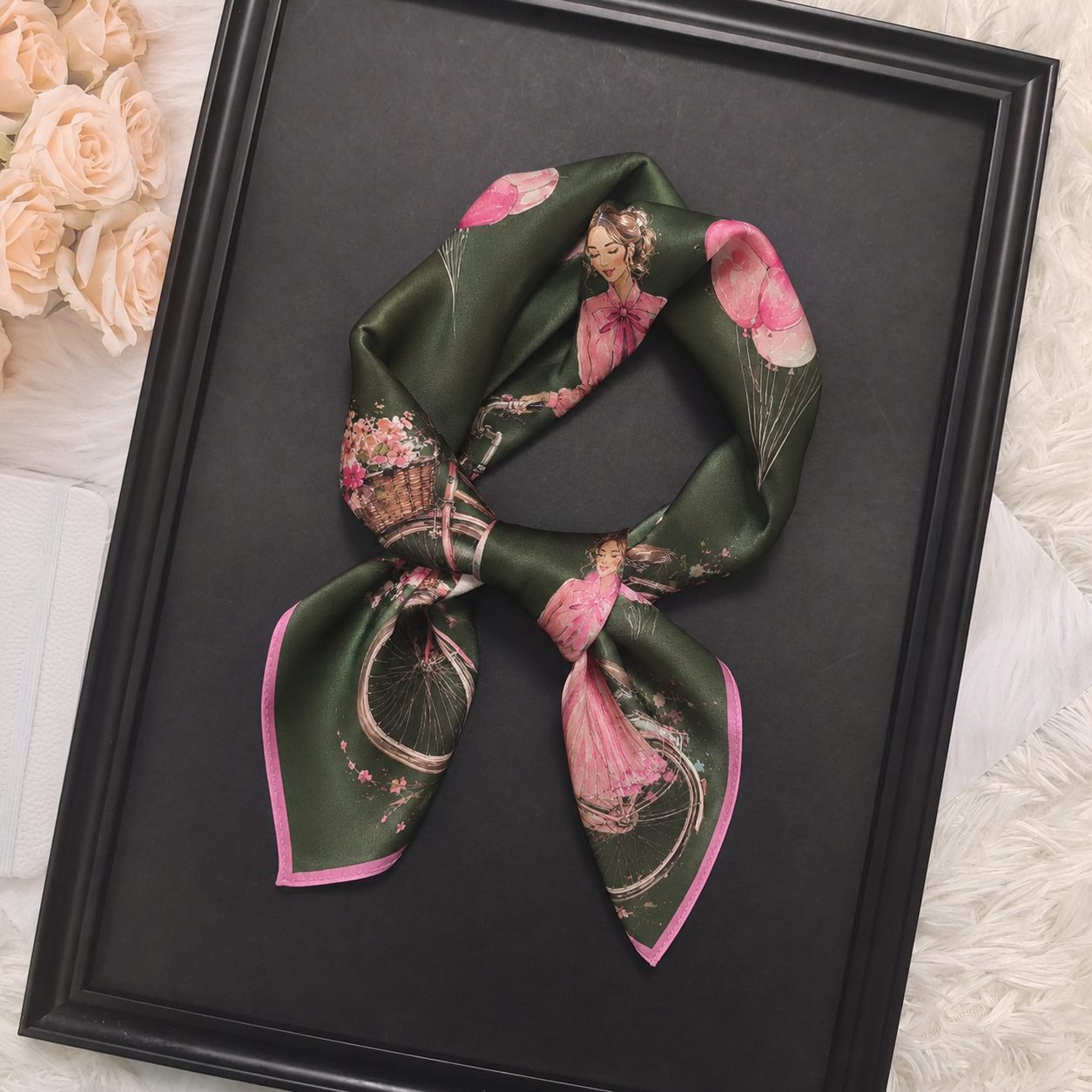
A standard printed silk scarf is usually evaluated from one visible side. A double-sided silk scarf is different. Both sides need to look intentional, refined, and brand-ready. This makes artwork planning, fabric weight, print penetration, color balance, and finishing more important.
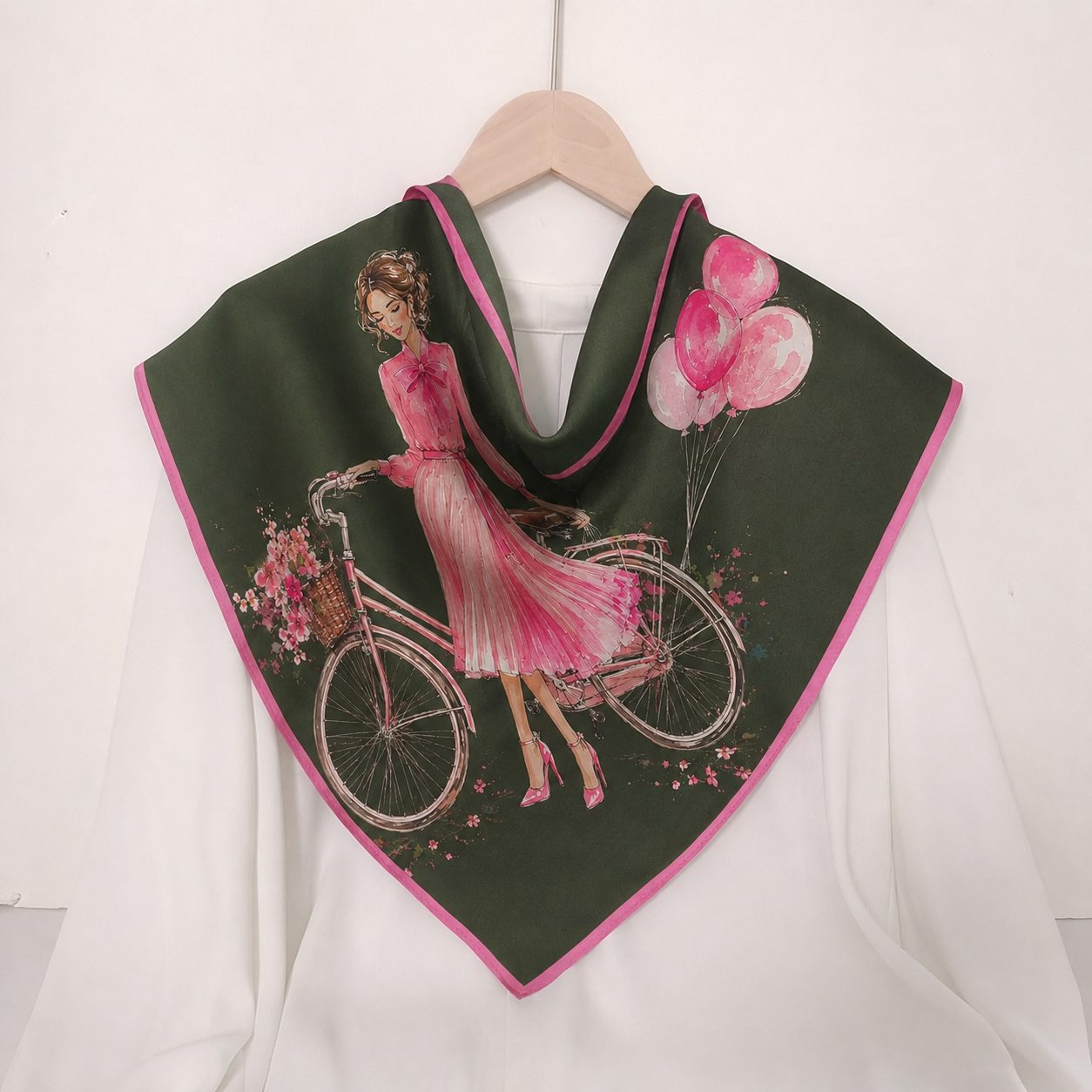
For brands, double-sided printing can create a more luxurious product experience. The scarf looks finished when folded, twisted, tied, or worn around the neck. It can also support more complex storytelling, such as one side for a hero pattern and the other side for a softer companion color.
However, double-sided silk scarf production has technical limits. If the fabric is too thin, front and back colors may interfere. If the artwork is too dense, the final scarf may look heavy. If color approval is not handled carefully, the sample and bulk order may not match expectations.
Why 14mm Mulberry Silk Is Often Used
14 momme mulberry silk is commonly considered for premium scarves because it offers a useful balance of softness, drape, opacity, and print performance. It feels more substantial than very light silk, while still remaining wearable and elegant.
For double-sided digital printing, fabric weight is not only about hand feel. It affects color penetration and front-back interference. Same-pattern same-color designs are usually easier to control because both sides share the same color logic. When the two sides use different color systems or different artwork, brands should consider heavier, higher-density silk to reduce color show-through.
Three Design Options for Double-Sided Scarves
Double-sided scarf design is not one single method. Brands normally choose one of three directions: same pattern and same color, same pattern and different color, or different pattern and different color. Each option has a different production risk and visual effect.
When the scarf is tied, both sides may appear at the same time. This means the front and back should work together visually. The two sides do not need to be identical, but they should feel like one collection language.
Digital Printing and Color Control
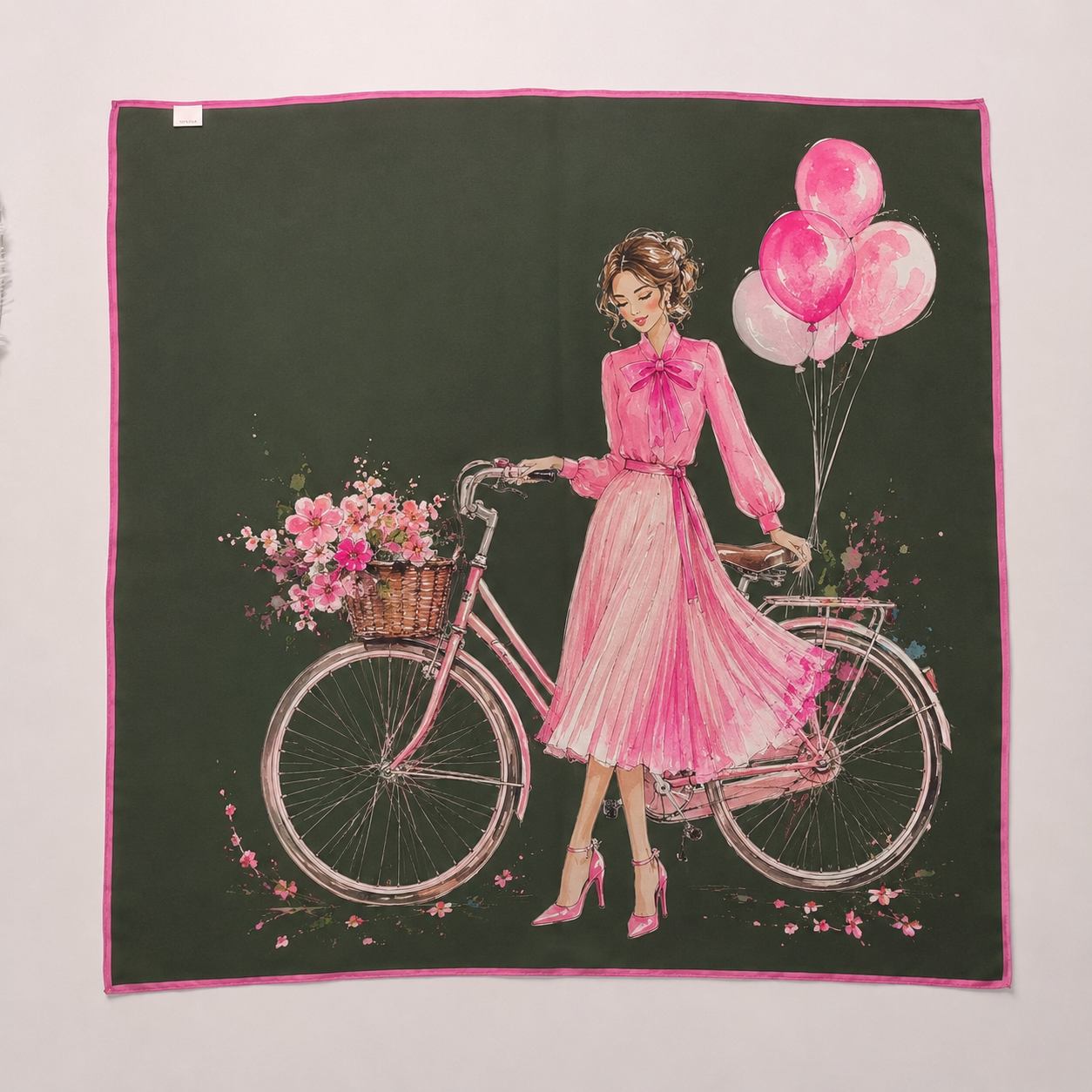
Digital printing is useful for double-sided silk scarf development because it supports detailed artwork, gradients, complex motifs, and flexible custom orders. Still, a digital file is not the same as a printed silk result. Silk texture, dye absorption, fabric weight, and finishing all influence the final color.
Before bulk production, brands should confirm artwork scale, color references, front-back placement, border width, logo position, and sample approval method. If the project uses a specific brand color, physical color approval is safer than relying only on screen color.
For artwork and production planning, review DOCSUN's custom printing workflow and fabric, color, and craftsmanship options. These decisions should be made before the final production file is locked.
Edge Finishing, Labels, and Packaging
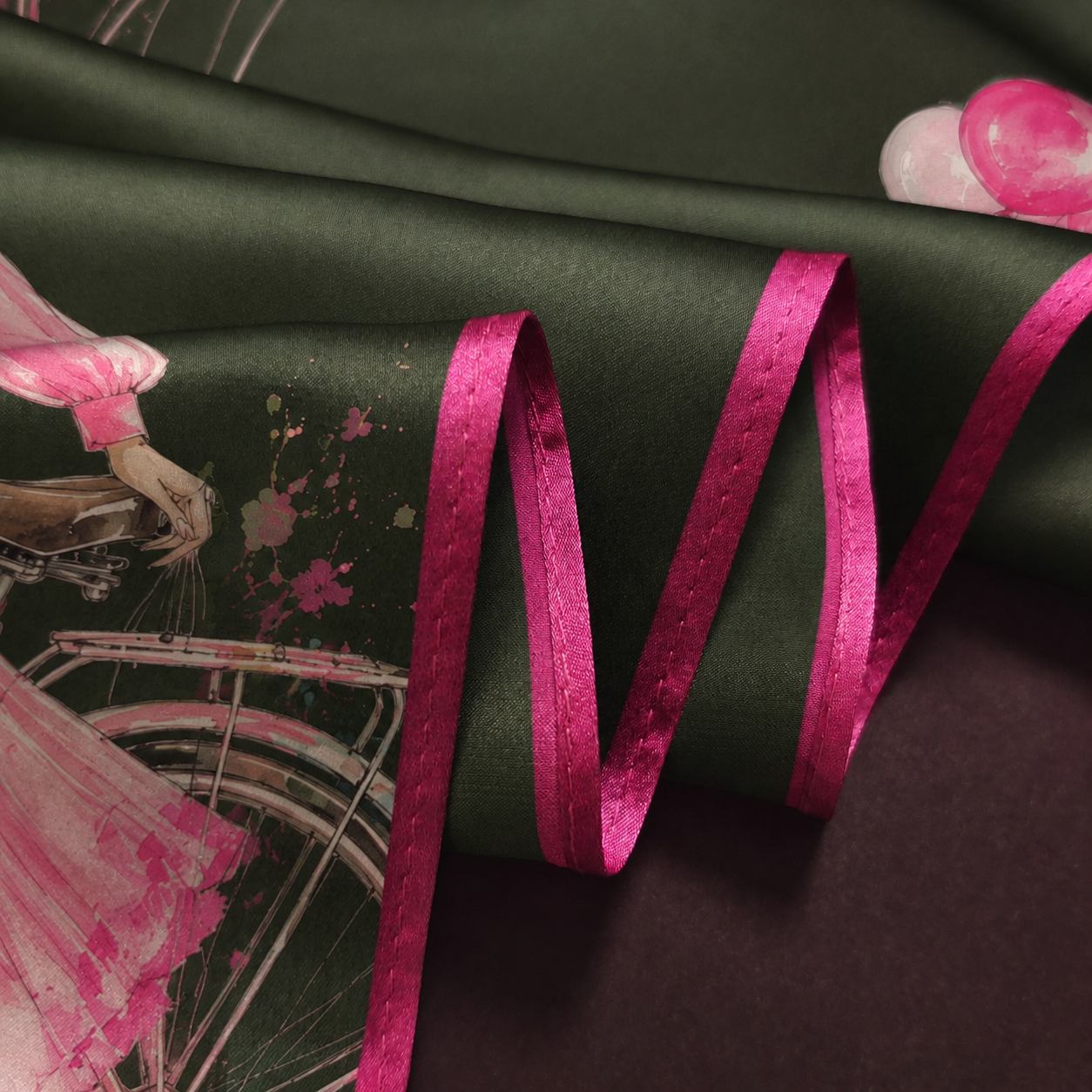
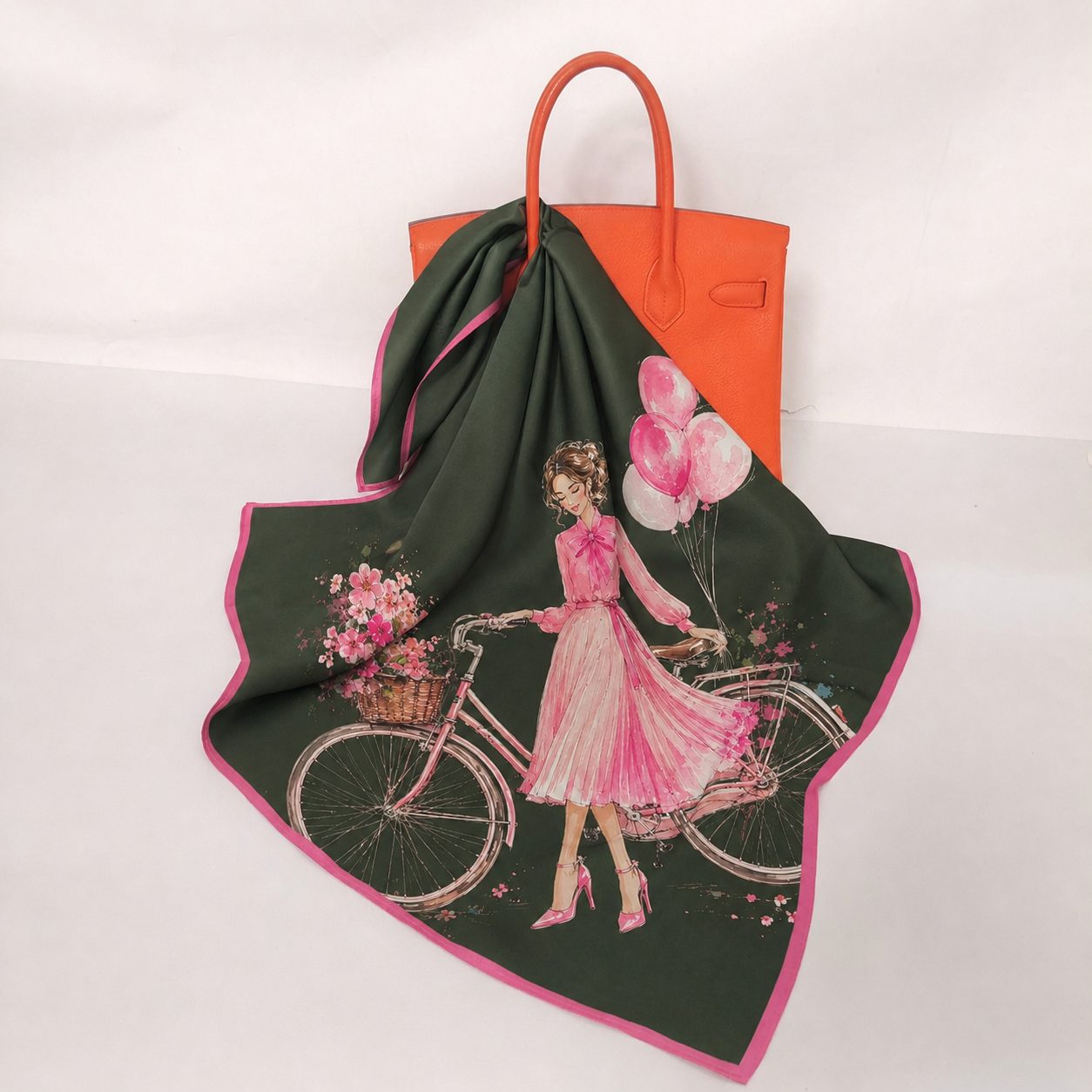
A double-sided scarf usually sits in a higher product tier than a basic one-sided scarf, so finishing matters. Hand-rolled edges can strengthen the premium impression, especially for luxury collections, artist collaborations, museum products, and gift programs. Machine hemming can still be suitable when the brand needs a cleaner cost structure or a faster production schedule.
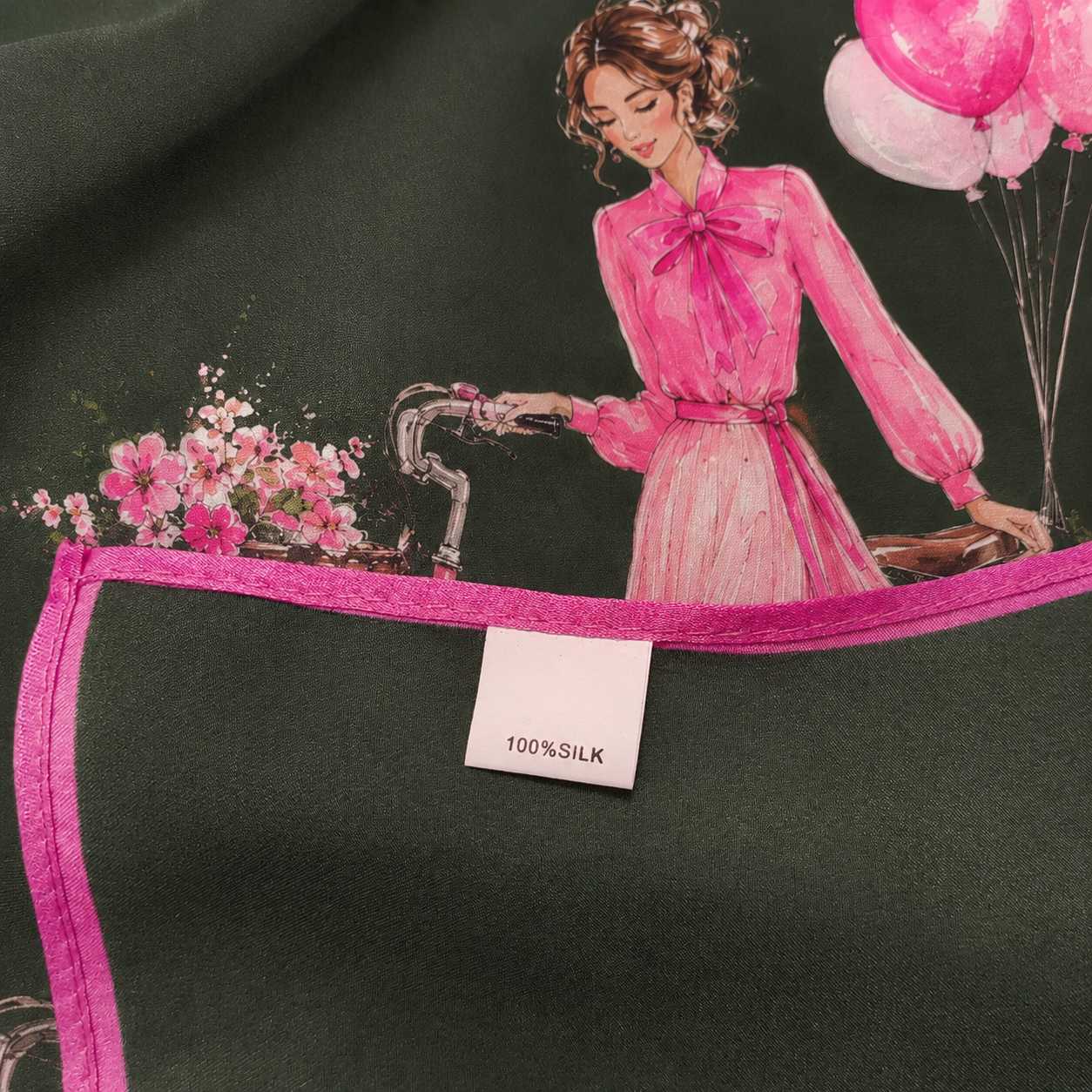
Labels should also be planned carefully. A woven label or hand-sewn label should not damage the reversible experience. Some brands prefer a discreet label near one corner; others prefer packaging-led branding so the scarf surface remains clean.
Packaging is part of the perceived value. A double-sided silk scarf can be paired with tissue paper, envelope-style boxes, rigid boxes, care cards, or gift-ready sets. For these options, see DOCSUN's custom packaging service.
Buyer Checklist Before Production
| Item | What to confirm | Why it matters |
|---|---|---|
| Fabric | 14mm, 16mm, weave, density, opacity, hand feel | Controls color penetration, drape, and front-back separation. |
| Design type | Same color, different color, or different artwork on each side | Determines production difficulty and sample review standards. |
| Printing | Digital print file, scale, border, logo, color reference | Prevents layout and color surprises after printing. |
| Sample | Front-back effect, color saturation, hand feel, size, edge | Confirms whether the design can move into bulk production. |
| Finishing | Hand-rolled edge, machine hem, label placement, care label | Affects final value, comfort, and brand presentation. |
| Packaging | Poly bag, tissue, envelope box, rigid gift box, care card | Supports retail, gifting, and premium positioning. |
How Brands Can Use Double-Sided Silk Scarves
Double-sided silk scarves are useful when the scarf needs to carry more design value than a standard accessory. They can work for designer collections, luxury retail capsules, corporate gifts, art projects, museum products, resort collections, and limited-edition collaborations.
For brands that already have artwork, DOCSUN can help evaluate whether the design is suitable for a same-pattern, same-pattern different-color, or different-pattern approach. For brands still building the collection, we can help compare fabric, color, finishing, and packaging options before sampling.
If you are developing a broader scarf project, start from our custom silk scarf service page and use this guide as a technical reference for double-sided digital printed scarf development.
Frequently Asked Questions
Is 14mm silk suitable for double-sided printed scarves?
14mm mulberry silk can be suitable for many same-pattern same-color double-sided scarves. For different colors or different artwork on each side, heavier or higher-density silk may be safer.
What is the main risk in double-sided silk scarf printing?
The main risk is front-back color interference. If the fabric is too thin or the artwork uses strong conflicting colors, the two sides may affect each other visually.
Can both sides use completely different patterns?
Yes, but this requires careful artwork planning, fabric selection, and sample approval. Different-pattern double-sided scarves are more complex than same-pattern designs.
Should double-sided silk scarves use hand-rolled edges?
Hand-rolled edges are recommended for many premium double-sided scarf projects because they support a refined luxury feel. Machine hemming can still be used when budget, volume, or schedule requires it.
Can DOCSUN help with packaging for double-sided scarves?
Yes. DOCSUN can support scarf packaging options such as tissue paper, envelope-style paper boxes, rigid gift boxes, care cards, and brand labels.
Develop a Double-Sided Silk Scarf with DOCSUN
Send us your artwork, scarf size, preferred silk weight, front-back design plan, edge finishing preference, and packaging target. We can help you evaluate technical feasibility before sampling.
Contact DOCSUNFabric cards, color references, craftsmanship cards, and packaging options are available for project discussion.