Cashmere Scarf Manufacturer: How Brands Customize Premium Scarf Accessories
A premium scarf program may begin with cashmere, but serious brand accessory development often compares cashmere, silk-wool, silk-cashmere, silk twill, and silk satin before the final product direction is chosen. The right manufacturer helps brands connect fabric, artwork, edge finish, label, packaging, sampling, and wholesale production into one practical development route.
Start with the Brand Accessory Purpose
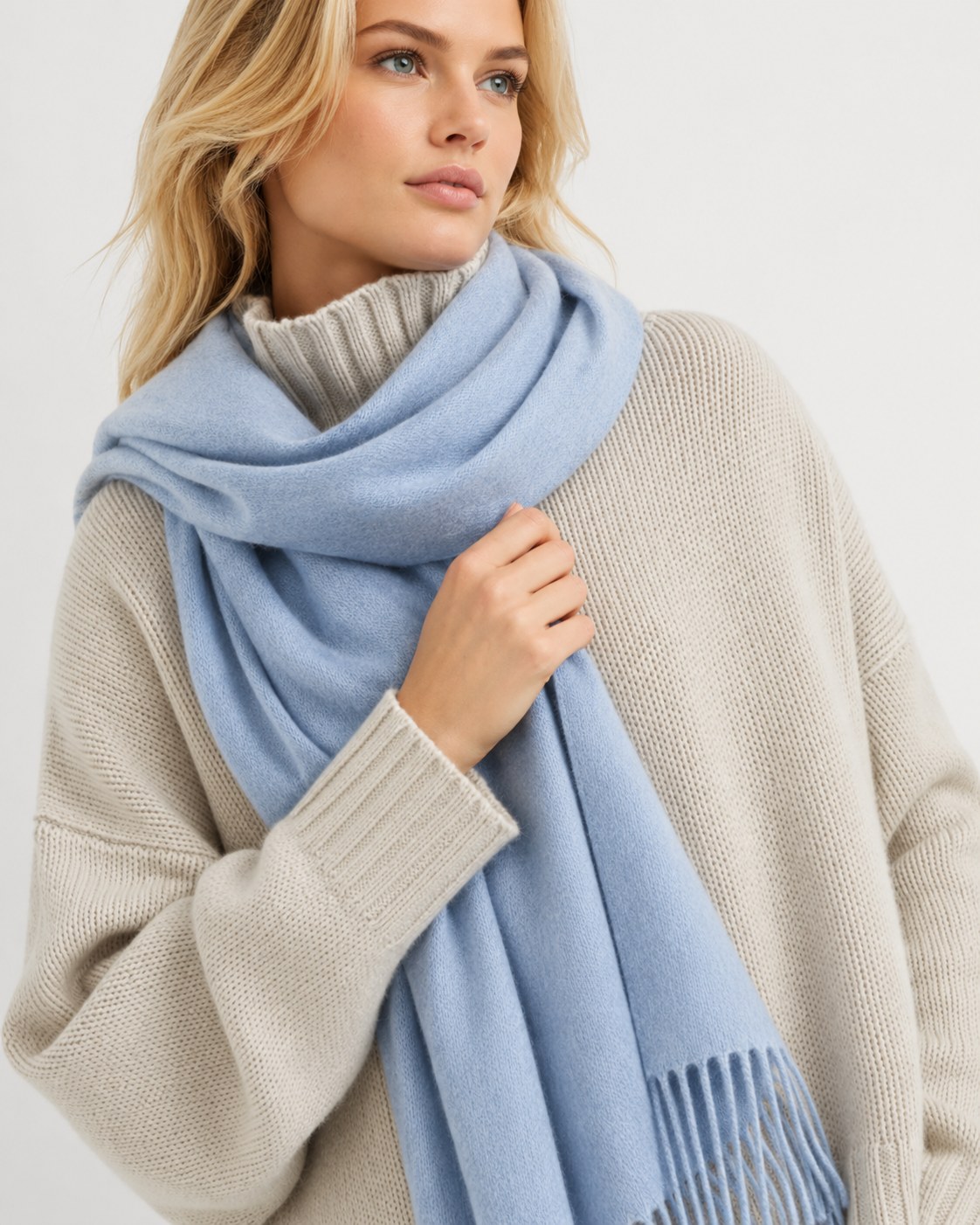
Before choosing a cashmere scarf manufacturer, the brand should define what the scarf needs to do. A winter retail scarf, a premium gift, a museum store accessory, a boutique fashion piece, a corporate program, and a seasonal capsule item will not need exactly the same fabric or finishing route. Some projects need warmth and softness. Some need strong printed artwork. Some need a refined gift box. Others need a flexible price point for a larger wholesale run.
For brand accessory development, the scarf must connect product feel with brand presentation. Fabric, size, color, logo placement, label type, hang tag, pouch, gift box, and carton packing all affect how the buyer's customer experiences the finished piece. A manufacturer should help the brand compare options before sampling, rather than pushing every project into one fabric or one finish.
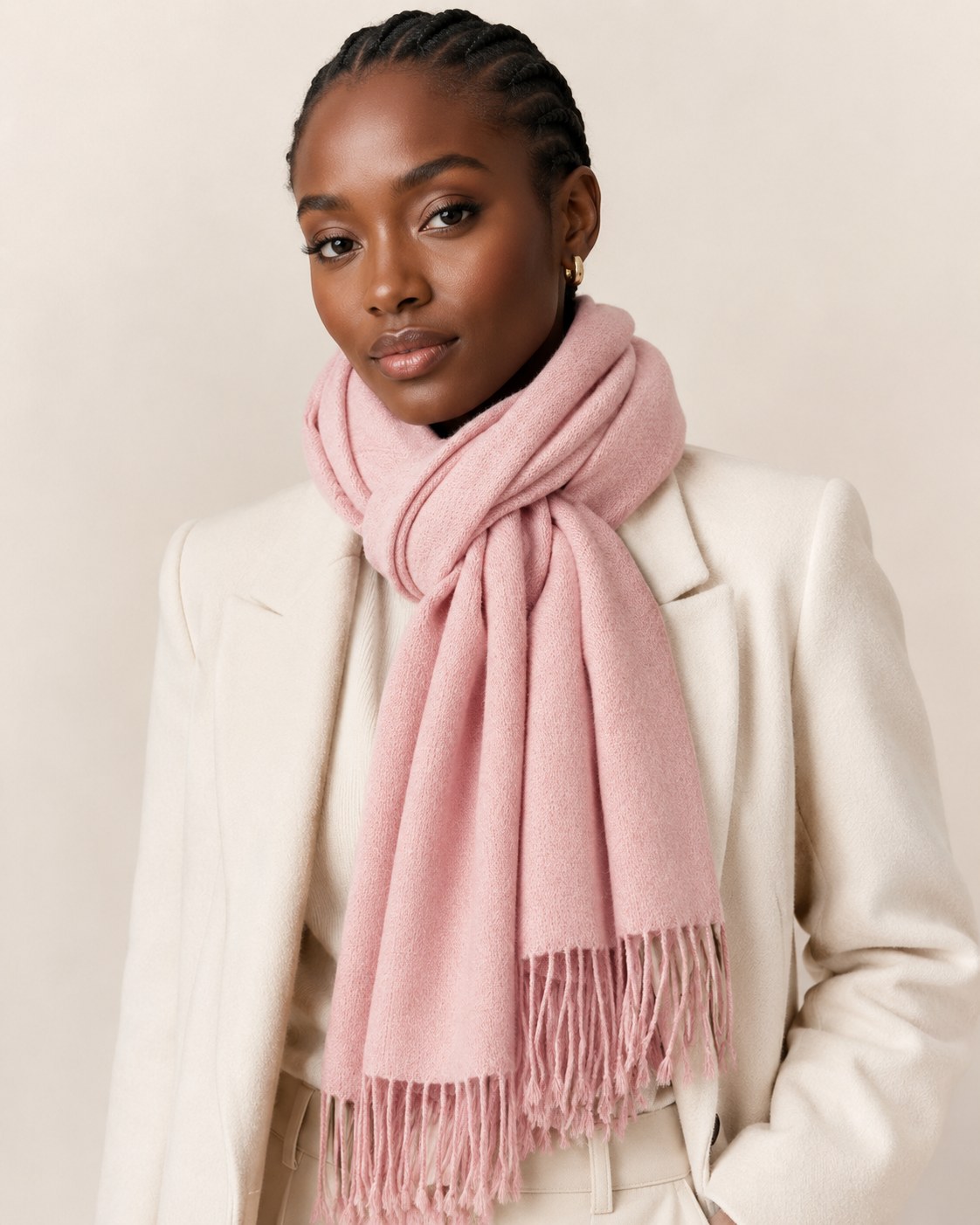
When the project is centered on cold-weather luxury, a custom cashmere scarf direction may be suitable. When the goal is broader accessory merchandising, the same planning can connect to the wider custom scarves category.
Compare Cashmere, Silk-Wool, and Silk-Cashmere
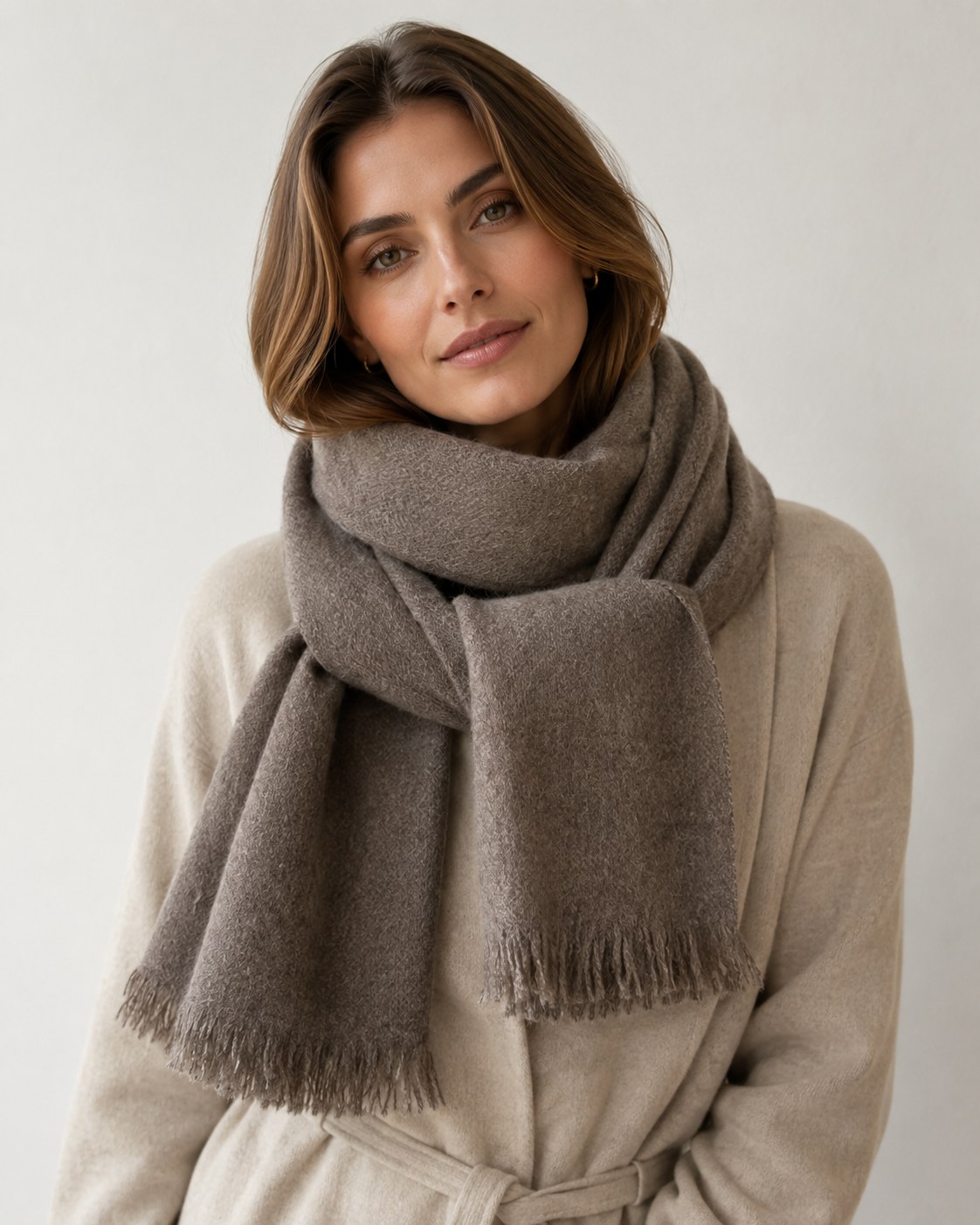
Cashmere is known for softness, warmth, and a premium hand feel. It works well for high-value winter accessories, executive gifts, boutique collections, and brand merchandise where warmth is part of the product promise. For cashmere scarves, buyers should check fiber feel, yarn quality, density, size, fringe or edge finish, label position, and packaging level.
Silk-wool offers a useful balance between softness, drape, warmth, and print or color potential. It can feel lighter and more fluid than a heavy winter scarf, while still carrying a premium touch. Silk-cashmere can be positioned even more softly, combining cashmere warmth with silk smoothness and sheen. These blended scarf options are often useful when a brand wants something refined but not too heavy.
For brands comparing material routes, DOCSUN's custom silk-wool scarf development can be part of the same sourcing discussion as cashmere and silk-cashmere scarf customization.
| Material direction | Best fit | Buyer checkpoint |
|---|---|---|
| Cashmere | Warm premium scarves, winter gifts, boutique collections | Check softness, density, size, fringe, and packaging value |
| Silk-wool | Refined scarves with drape, warmth, and lighter styling | Confirm hand feel, print suitability, and edge finish |
| Silk-cashmere | Premium soft scarves with a smoother, more polished touch | Review fiber blend, color effect, and final price target |
| Silk twill or silk satin | Printed scarf collections, brand gifts, fashion accessories | Use when artwork clarity and silk sheen matter more than warmth |
When Silk Twill or Silk Satin Also Makes Sense
Although the page begins with cashmere scarf manufacturing, not every premium scarf project should be forced into cashmere. If the buyer's main goal is artwork, seasonal styling, handbag pairing, or a lighter brand accessory, silk twill or silk satin may be more suitable. Silk twill gives structure and print clarity. Silk satin gives a smoother, glossier surface and a more polished drape.
This is why a useful scarf manufacturer should be able to discuss the full material decision, not only one fiber. A brand may use cashmere for winter gifts, silk-wool for transitional accessories, silk-cashmere for premium soft scarves, and silk twill or satin for printed fashion pieces. The strongest collection strategy often comes from matching each material to a specific sales channel and customer use case.
Turn Artwork into a Premium Scarf Product
Brand accessory development usually includes more than a logo. Buyers may provide artwork, color references, seasonal mood boards, product sketches, packaging ideas, or existing brand patterns. DOCSUN can help review artwork scale, repeat layout, border position, label placement, and color direction so the scarf works as a finished product rather than a flat image.
For printed scarf formats, artwork must be checked when folded, hanging, worn, or styled with other accessories. For cashmere, silk-wool, and silk-cashmere directions, color blocks, woven patterns, embroidery, jacquard effects, label placement, and fringe or edge finish may become more important than high-detail digital print. The development route should match the fabric.
Color, material, and finish choices can be reviewed through DOCSUN's fabric, colors, and craftsmanship process before final sample approval.
Choose Frayed, Hand Rolled, or Dense Overlock Edges
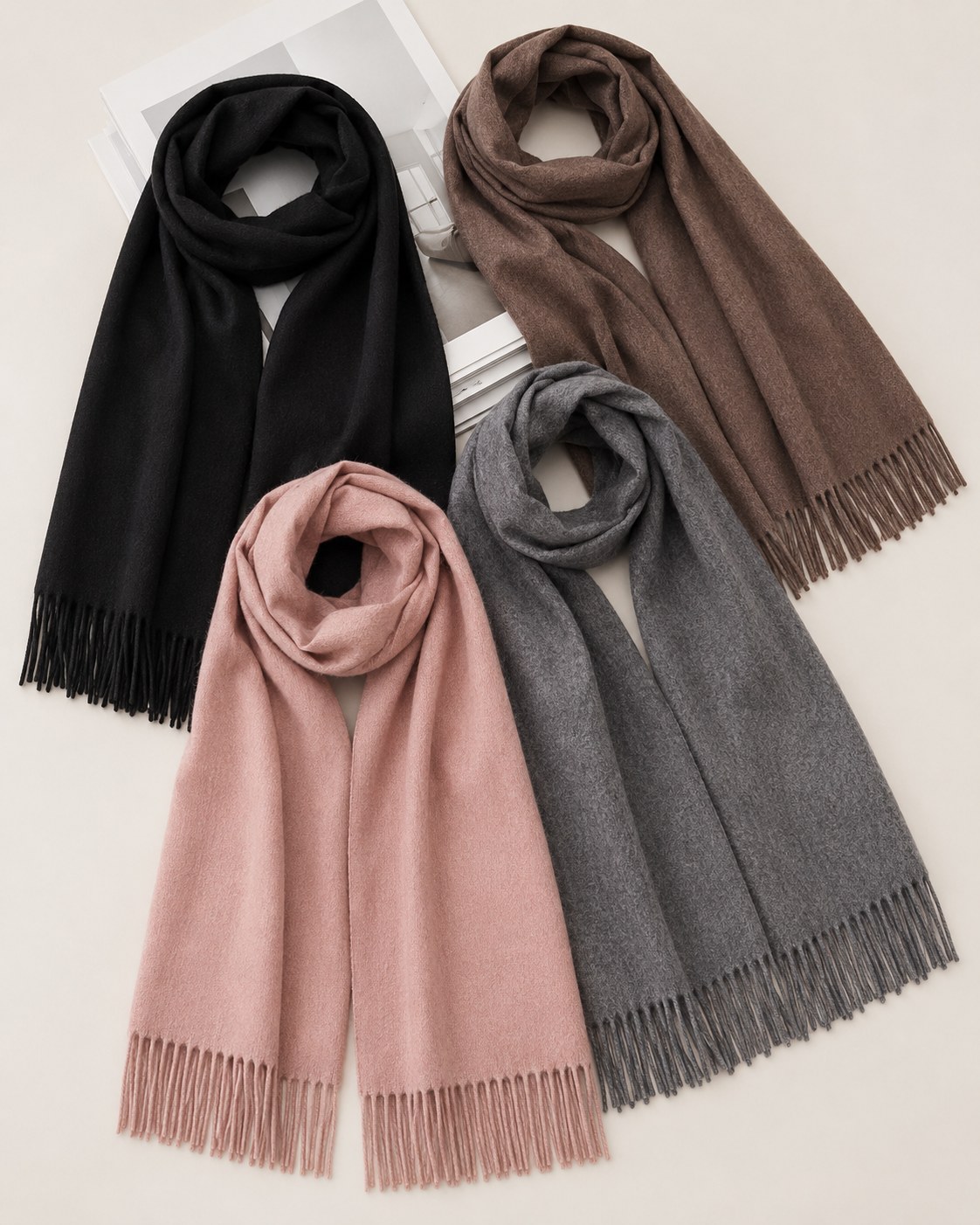
Edge finishing changes both the look and the cost of a scarf. Frayed edges can work for certain cashmere, wool, or blended scarves when the buyer wants a soft, relaxed, or classic winter accessory. Hand rolled hems are often used for silk scarf formats and premium square scarves when the edge needs a refined handmade appearance. Dense overlock can create a neat and consistent edge for suitable scarf fabrics and price targets.
The edge should be chosen with the fabric, size, artwork, and packaging in mind. A hand rolled silk scarf may feel elegant in a gift box. A frayed cashmere or silk-wool scarf may feel softer and more seasonal. A dense overlock edge may support a clean and efficient production route. Buyers should approve edge samples before bulk production, especially when the edge color interacts with borders or artwork.
Plan Labels, Packaging, Sampling, and Production
Packaging is part of premium scarf customization. Brand labels, care labels, hang tags, pouches, gift boxes, paper sleeves, insert cards, barcode stickers, and carton marks can all be included. A corporate gift scarf may need a box and message card. A retail scarf may need barcode and SKU handling. A boutique accessory may need a pouch and hang tag that match the brand's visual language.
DOCSUN can support custom packaging together with fabric and scarf production, so the buyer reviews the finished presentation before placing a larger order. Sampling should confirm fabric hand feel, size, edge finish, artwork or color effect, label placement, packaging fit, and packing method. MOQ and sample timing depend on the material, design, and finishing route, so buyers should confirm those details early.
Fabric route
Compare cashmere, silk-wool, silk-cashmere, silk twill, and silk satin against the brand's use case and price target.
Edge finish
Review frayed edges, hand rolled hems, and dense overlock options with the chosen fabric before sampling.
Brand details
Plan woven labels, care labels, hang tags, logo positions, packaging cards, and retail information together.
Presentation
Use pouches, gift boxes, sleeves, or insert cards to make the scarf ready for retail, gifting, or seasonal launch.
FAQ
Does DOCSUN provide cashmere scarf customization?
Yes. DOCSUN can support custom cashmere scarves, silk-wool scarves, silk-cashmere scarves, and broader premium scarf accessory programs for brands.
Which fabrics are most relevant for premium scarf accessories?
Cashmere, silk-wool, and silk-cashmere are strong options for warm premium scarves. Silk twill and silk satin can also be used when the project needs a smoother printed scarf or a lighter fashion accessory.
Which edge finishes can be used for custom premium scarves?
Depending on the fabric and scarf format, edge options can include frayed edges, hand rolled hems, and dense overlock finishes. The right finish should be confirmed together with fabric weight, artwork, and price target.
Can labels, hang tags, pouches, and gift boxes be included?
Yes. Brand labels, care labels, hang tags, pouches, gift boxes, insert cards, and other packaging elements can be planned as part of the custom scarf program.
Develop a Premium Scarf Accessory Program
DOCSUN can help brands compare cashmere, silk-wool, silk-cashmere, silk twill, and silk satin scarf options, then develop artwork, edge finishes, labels, packaging, samples, and wholesale production details.
Contact DOCSUNShare your material direction, target use, artwork, packaging needs, and quantity plan for a practical sourcing discussion.