Why This Should Stay as a Fabric and Printing Guide
This URL is best kept as a news guide because it answers a technical buyer question. It should support the custom silk scarf landing page and the wider custom scarves category, rather than becoming a standalone product page.
The useful value is decision support. Buyers need to understand how silk fabric and printing method affect hand feel, shine, drape, print clarity, color control, price, MOQ, sampling time, and the finished product's retail presentation.
Start With the Scarf's Use Case and Artwork Brief
Before choosing fabric or printing, define the project use. A retail fashion scarf, corporate gift, museum merchandise item, hotel gift, brand uniform accent, or premium packaging accessory may need different fabric weight, print method, edge finish, and packaging. The intended use should guide the technical decision.
Artwork also matters. A watercolor illustration, marble-inspired texture, full-color brand artwork, logo repeat, border composition, or limited-color graphic design will not behave the same on every silk base. Buyers should prepare artwork files, color references, size, quantity range, label plan, packaging goal, and launch timeline before requesting a production recommendation.
Compare Silk Twill, Crepe Satin, Silk Wool Blend, and Chiffon
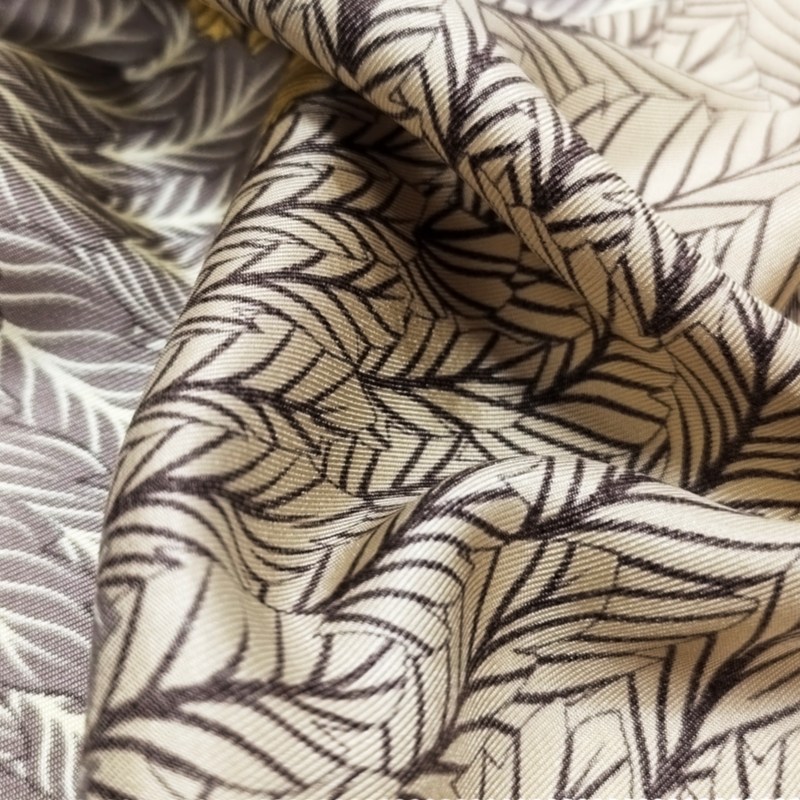
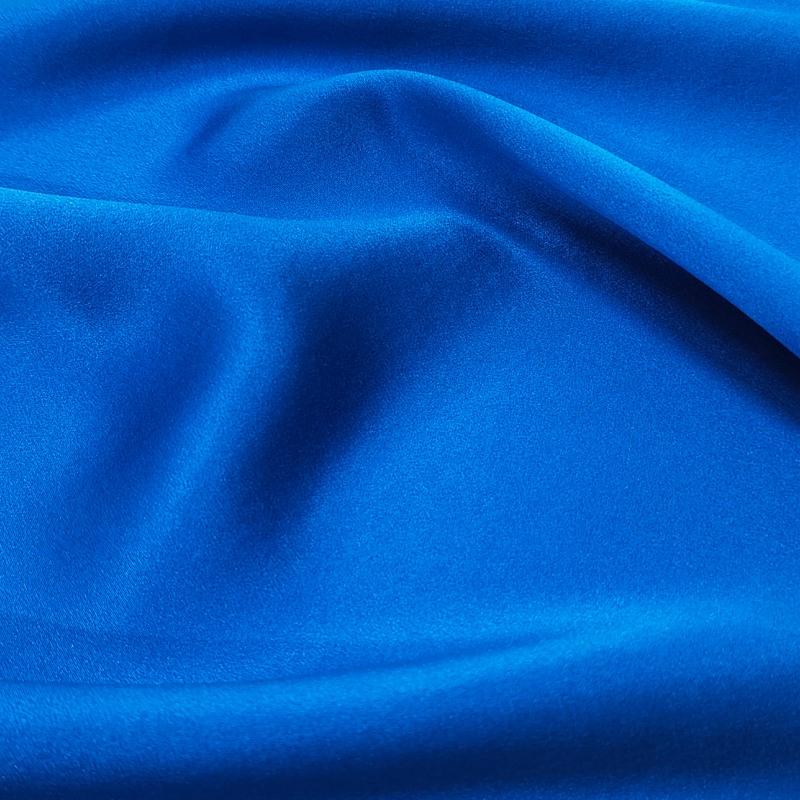
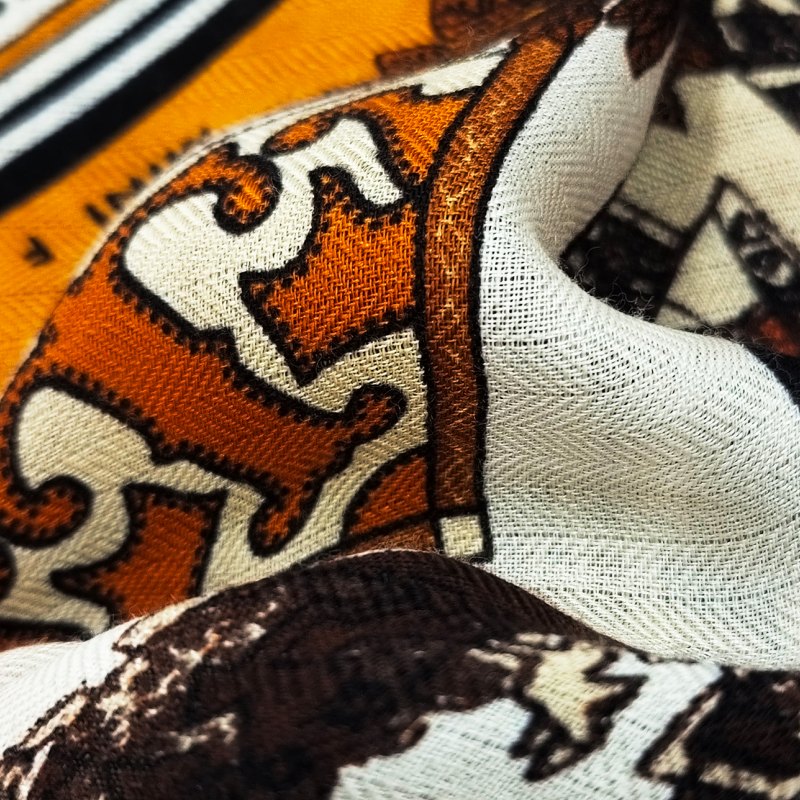
Most custom silk scarf projects start with 100% mulberry silk, but the weave and finish decide how the scarf feels and prints. Silk twill is structured and refined, making it strong for square scarves, borders, and detailed artwork. Silk crepe satin has a smooth luster and softer luxury feeling. Silk chiffon is light, airy, and translucent, often used for long scarves and delicate styling. Silk wool blends can support premium seasonal scarf projects when warmth, softness, and a richer hand feel matter.
Fabric should be reviewed together with fabric, colors, and craftsmanship planning. The same artwork can look brighter on satin, more structured on twill, softer on crepe satin, lighter on chiffon, and warmer on silk wool blends.
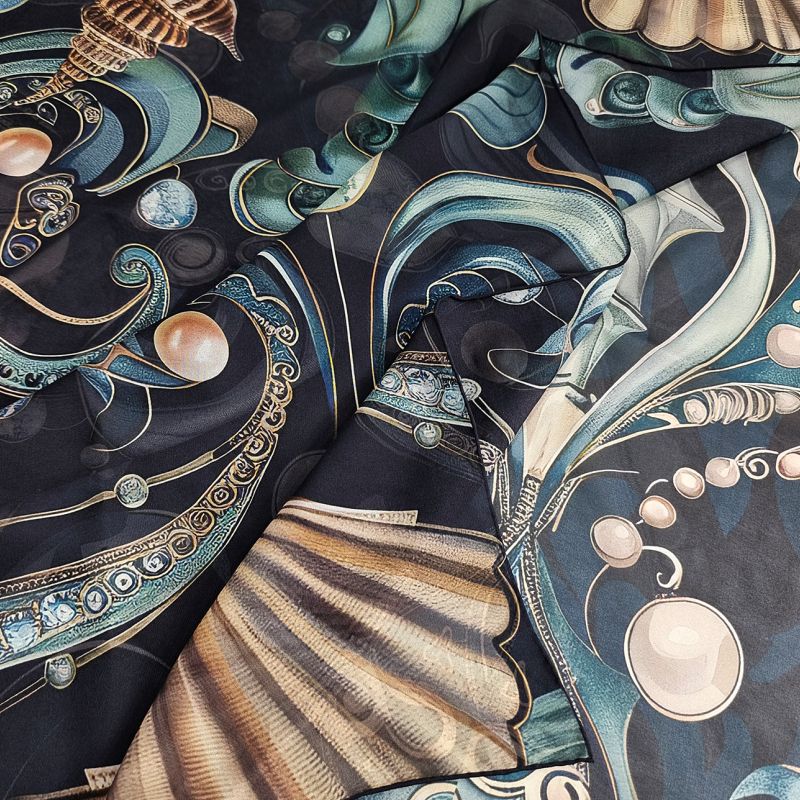
| Fabric | Best use | Buyer checkpoint |
|---|---|---|
| Silk twill | Premium square scarves, borders, detailed prints | Check structure, print clarity, diagonal texture, and folded view |
| Silk crepe satin | Luxury gifts, polished color stories, soft shine | Check luster, drape, handling marks, and color depth |
| Silk chiffon | Light long scarves and airy styling | Check transparency, edge comfort, and print visibility |
| Silk wool blend | Premium seasonal scarves and warmer accessories | Check softness, weight, shrinkage behavior, and care label |
Choose Digital, Double-Sided Digital, or Screen Printing
Digital printing is often the best route for complex scarf artwork, gradients, detailed illustration, marble texture, watercolor effects, and small-batch development. It allows flexible proofing and is useful when a brand needs detailed sample review before production.
Double-sided digital printing can be considered when both sides of the scarf need stronger visual performance. This is useful for scarves that twist, drape, or show the reverse side during styling. Buyers should confirm whether the project needs single-sided printing, double-sided printing, or a different back-side color effect through the custom printing process.
Screen printing can still make sense for bold artwork, fewer colors, larger quantities, and strong solid color areas. It requires careful color separation and is less flexible for gradients or photographic details, but it can be effective when the artwork and order quantity match the method.
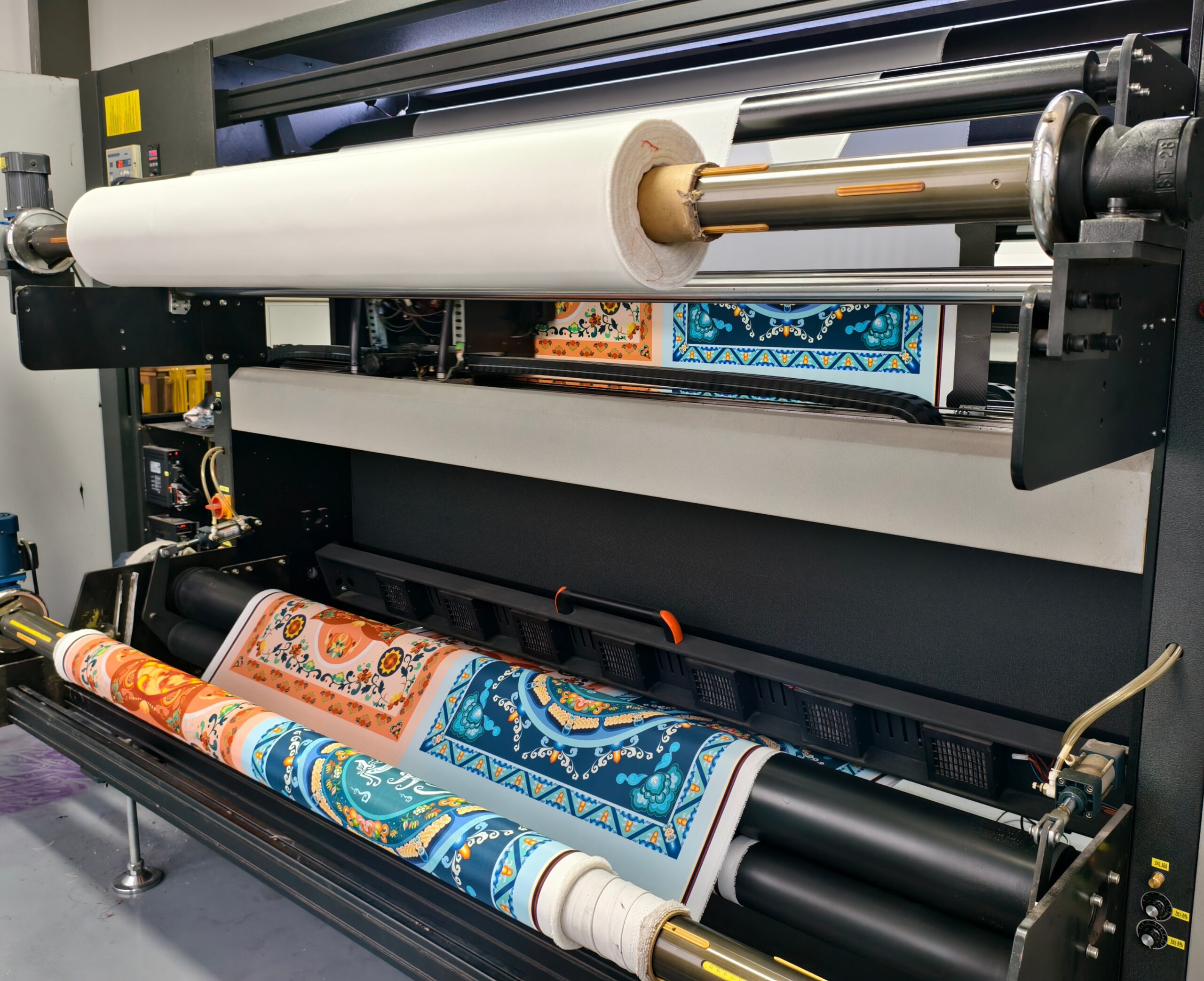
Control Color, Artwork Scale, and Sampling Risk
Color is one of the most common production risks in custom scarves. A screen color, Pantone reference, printed paper proof, and silk fabric sample can all look different. Buyers should provide color references, but the final approval should come from a physical textile sample whenever possible.
Batch color difference, dark color saturation, light color cleanliness, gradient smoothness, and fine-line clarity should be checked before bulk production. Artwork scale should also be reviewed in flat view, folded view, tied view, and packaging view. A border that looks balanced on a digital file may become too close to the hem after sewing.
Plan Edges, Labels, Packaging, MOQ, and Sampling
Edge finishing is part of the product design, not an afterthought. Hand rolled hems can support premium square scarves. Machine hems are clean and practical for many wholesale projects. Baby hems can suit lighter silk and delicate formats. Edge allowance should be planned with the artwork so borders, corner logos, and motif details are not crowded.
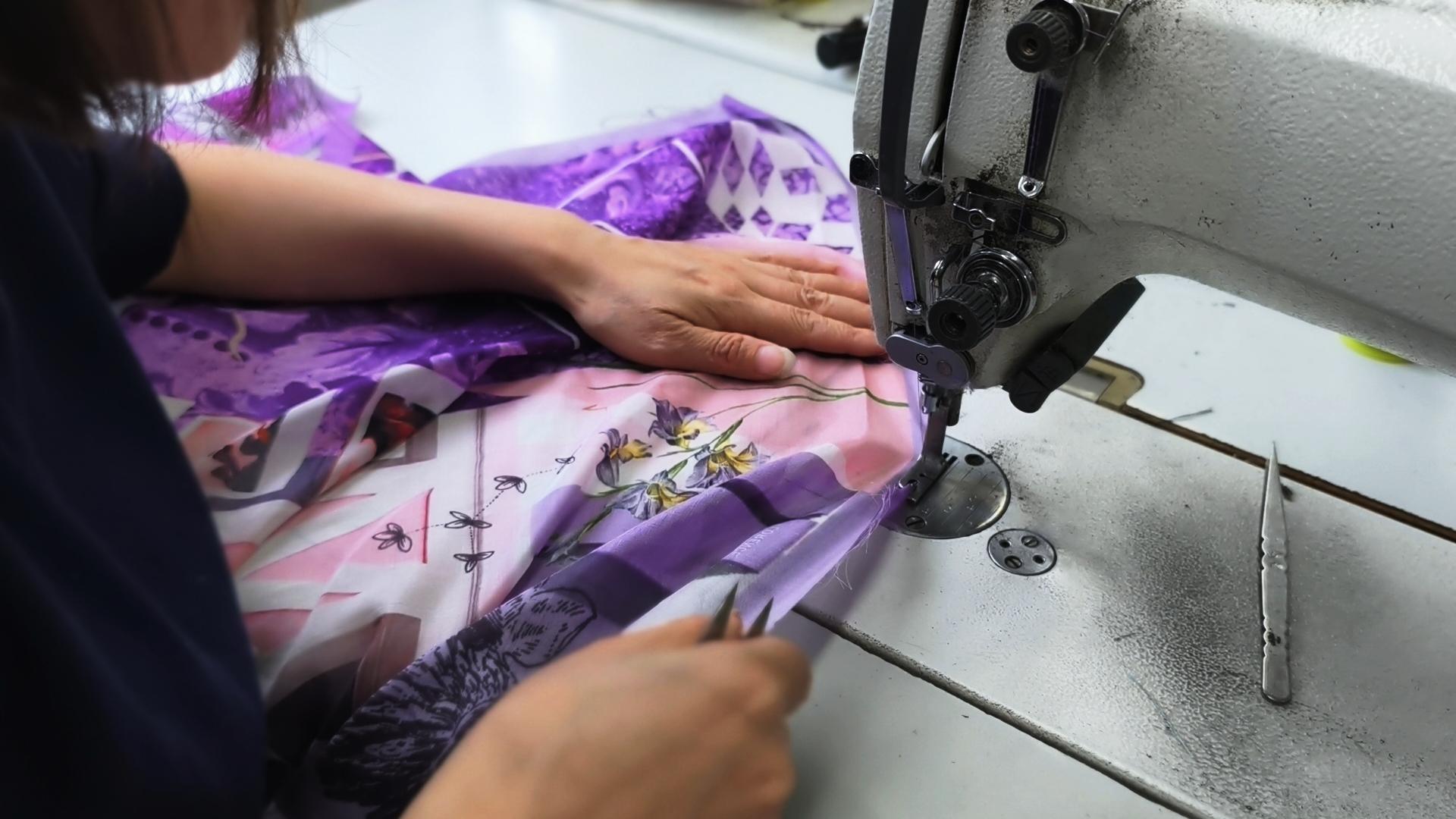
Labels and packaging should be confirmed before sample approval. Buyers can plan woven labels, printed care labels, hang tags, barcode stickers, paper sleeves, pouches, gift boxes, tissue wrap, insert cards, and carton marks. DOCSUN's custom packaging support can connect scarf fold, label position, retail presentation, and shipping requirements.
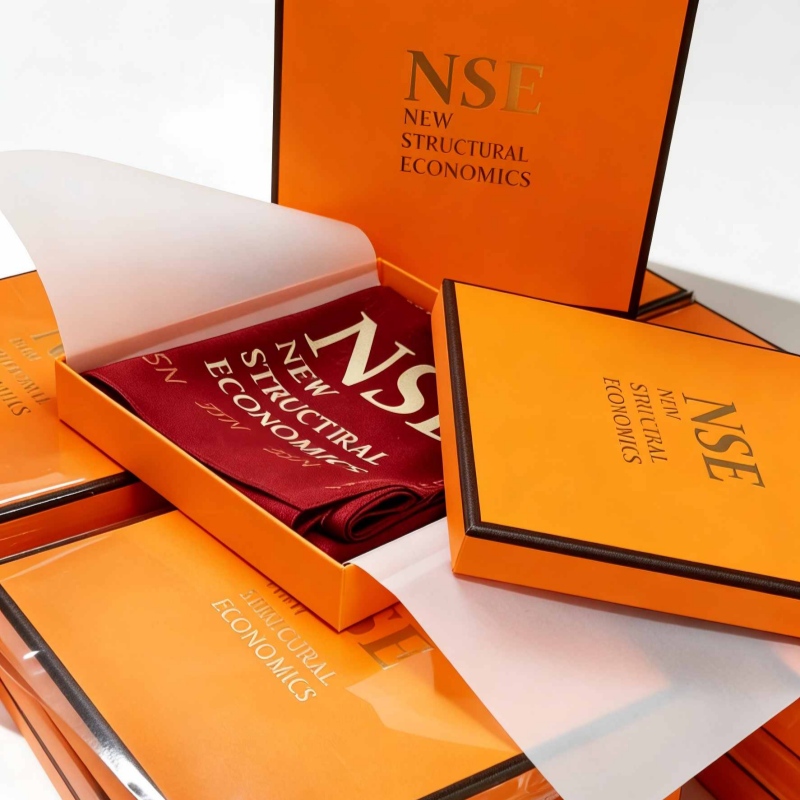
Many custom silk scarf projects can start from 30 to 50 pieces, depending on fabric, print method, size, edge finish, label, and packaging. Sampling usually takes about 5 to 7 working days after artwork, fabric, size, color reference, edge, label, packaging, and quantity details are confirmed.
FAQ
Which silk fabric is best for custom silk scarves?
Silk twill is often the most practical premium choice for printed square scarves because it has structure, clear print performance, and a refined diagonal texture. Silk satin, crepe satin, chiffon, and silk wool blends can be better for specific hand feel, shine, season, or styling needs.
When should buyers choose digital printing for silk scarves?
Digital printing is useful for detailed artwork, gradients, watercolor effects, photographic motifs, small-batch development, and flexible sampling. It is also suitable when buyers need color proofing before bulk production.
When does screen printing make sense?
Screen printing can work well for bold artwork, fewer colors, larger quantities, and projects that need strong solid color areas. Buyers should confirm color count, artwork separation, MOQ, and sample appearance before choosing it.
What should be approved before bulk scarf production?
Buyers should approve fabric, silk weight, print method, artwork scale, color reference, edge finish, label position, packaging, MOQ, sample timeline, and a physical sample showing the full product.
Choose the Right Fabric and Printing Method With DOCSUN
Send your scarf size, silk fabric preference, artwork file, color reference, print requirement, edge finish, label plan, packaging needs, quantity, and launch schedule. DOCSUN can help prepare a sample-ready custom silk scarf plan.
Start a Custom Scarf ProjectFor a broader product view, start with the custom silk scarf service page.