
Why Silk Scarves Feel Luxurious
The luxury of a silk scarf is not created by print alone. It comes from the way silk reflects light, the way the fabric moves, the softness against the skin, the clarity of color, and the precision of the finishing. A well-made scarf can feel refined before the customer even understands the story behind the artwork.
Mulberry silk is especially valued because it offers smooth touch, elegant drape, and strong print potential. When a scarf uses the right fabric weight, correct printing method, and careful edge finishing, it becomes more than a decoration. It becomes a product that customers can wear repeatedly and associate with the brand's quality standard.
For brands, this is why custom silk scarves remain useful in 2026. They can carry seasonal artwork, introduce a new color story, create giftable value, and build a small but memorable product line around a visual identity.
Styling Tips for Different Scarf Sizes
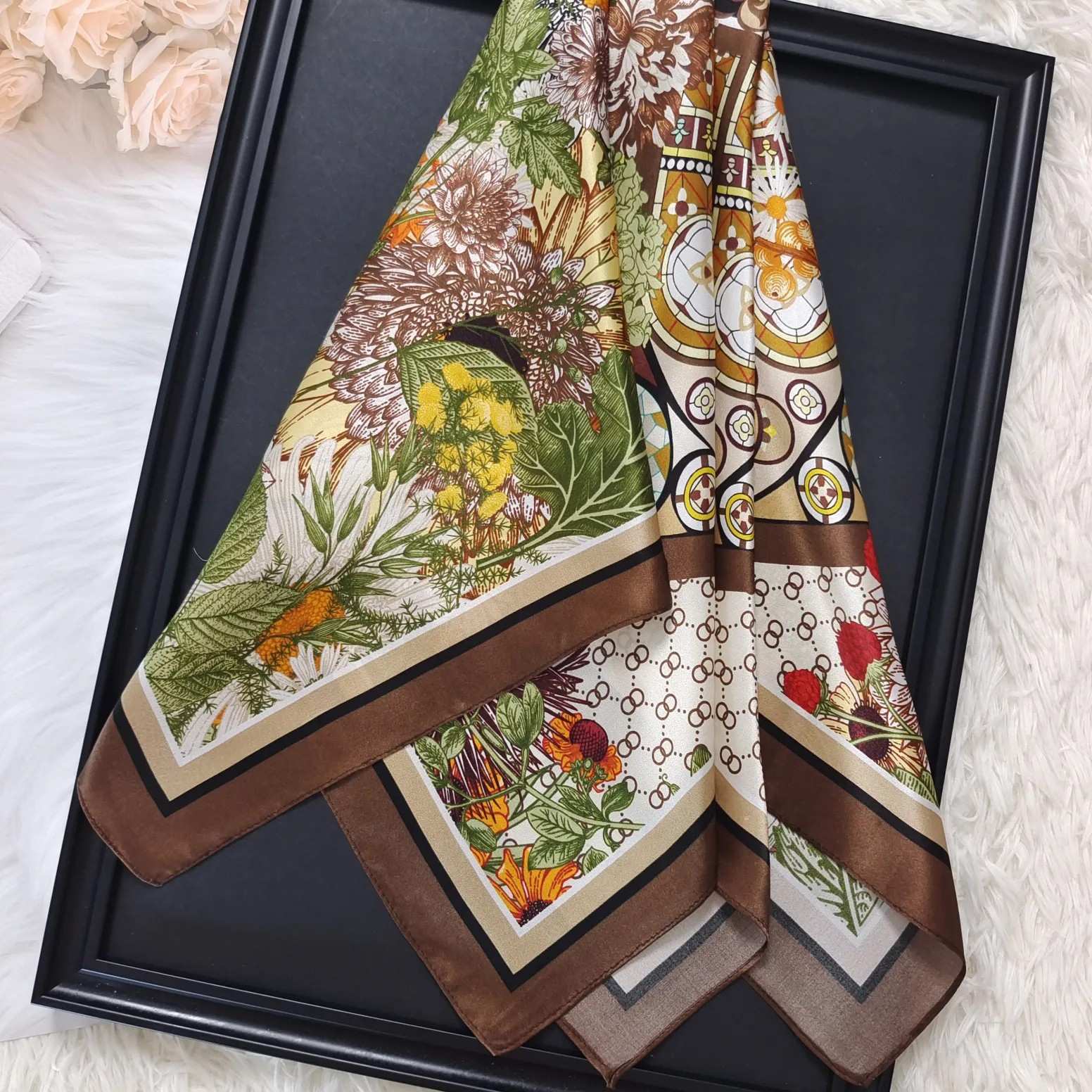
A small square scarf can be tied close to the neck, wrapped around a handbag handle, used as a hair scarf, or styled as a wrist accent. It is compact, affordable, and easy to include in gift programs. For brands testing a first scarf accessory, small and medium sizes are often practical entry points.
A 68cm square gives more visual impact while remaining easy to wear. It can work as a neck scarf, headscarf, bag accessory, or light top accent. A 90cm square feels more luxurious and creates stronger styling flexibility, especially for boutique collections, designer collaborations, and gift products.
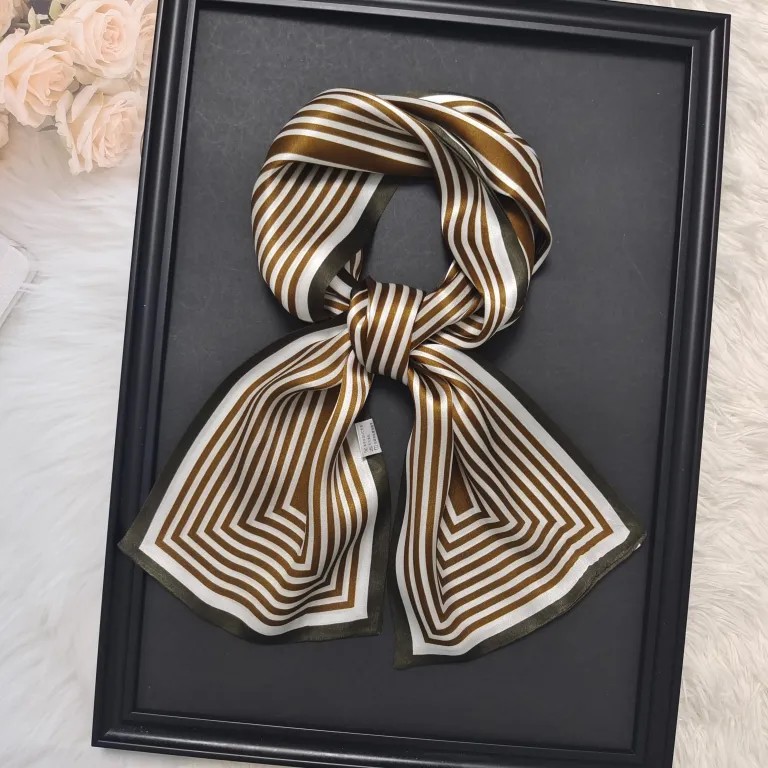
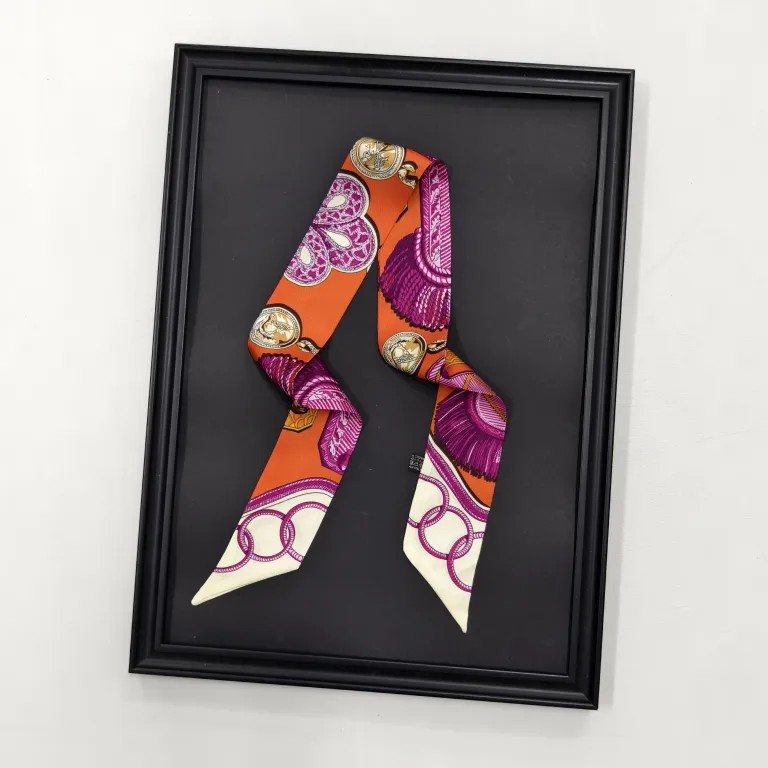
Long scarves and twillies are useful when the goal is repeated styling rather than a large artwork statement. They can be tied with blazers, shirts, ponytails, hats, and handbags. For a complete scarf line, a brand can combine square scarves with twillies or hair accessories so customers can build coordinated looks.
Benefits Customers Notice When Wearing Silk
Customers often notice silk's softness first. A silk scarf is comfortable around the neck and can feel lighter than many wool or synthetic scarves. It also offers a polished sheen that works with both casual and dressy outfits. This combination makes silk useful for daily styling as well as gifting.
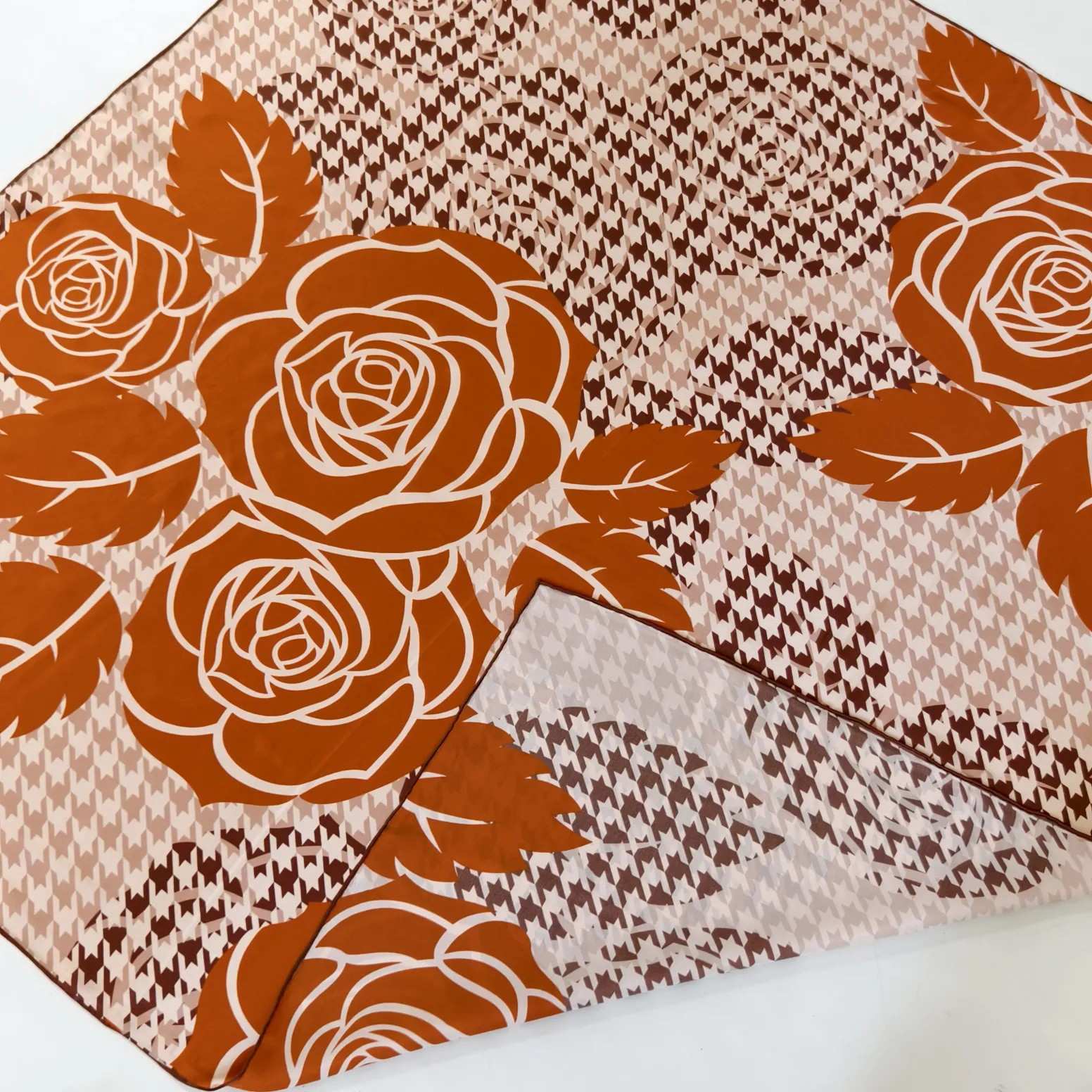
Silk also has strong design value. It accepts detailed prints, rich borders, painterly motifs, and refined color gradients. A brand can use silk scarves to tell a story through artwork without committing to a full garment collection. For custom development, review custom silk scarf options before choosing fabric and size.
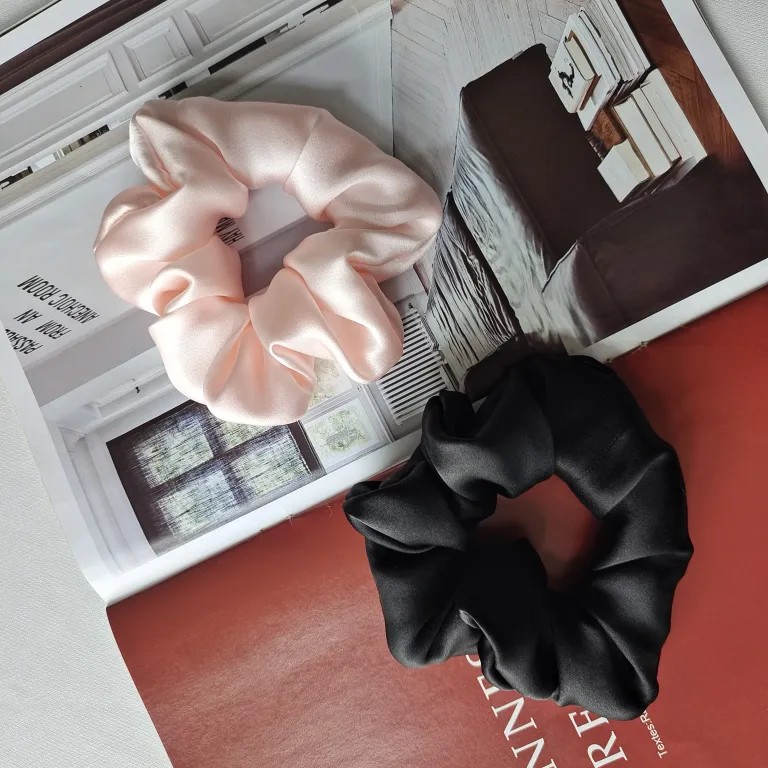
For accessory collections, silk scarves can pair with custom silk scrunchies, hair bands, pocket squares, or packaging sets. This helps brands create a family of small products with shared colors and motifs.
Fabric, Printing, and Edge Finishing Decisions
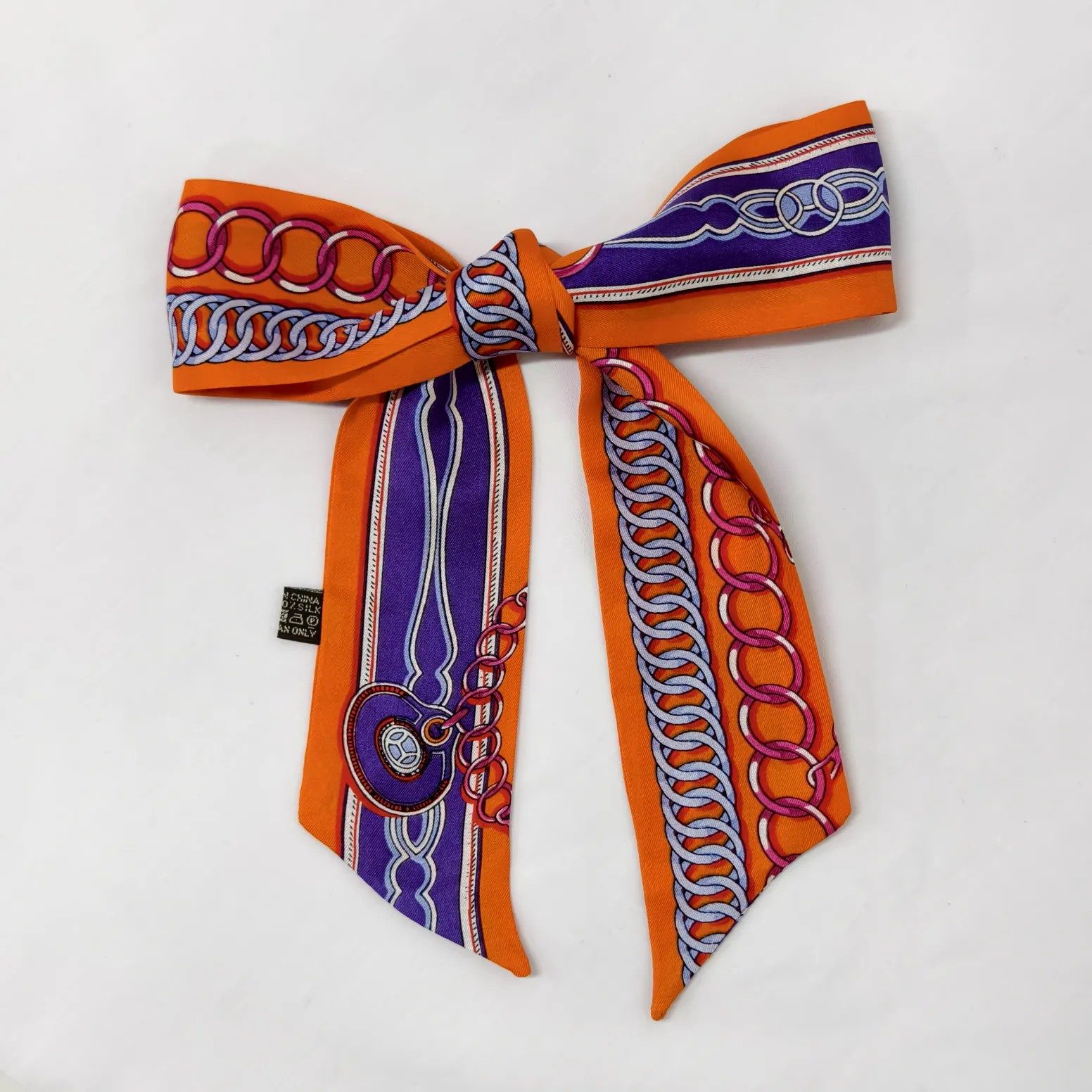
Silk twill is often used for premium printed scarves because it has structure, color depth, and a refined surface. Silk satin gives a smoother shine and a dressier look. Silk chiffon feels airy and romantic. Silk-wool blends bring warmth and seasonal softness. The best choice depends on target market, price, season, and styling use.
Printing should be planned around artwork and fabric. Fine-line drawings, strong borders, watercolor effects, and logo placements behave differently on twill, satin, and chiffon. Before production, use the custom printing workflow to confirm digital files, color references, print proofing, and sample approval.
Edge finishing is part of luxury perception. Machine hems can be clean and efficient for larger programs, while hand-rolled edges communicate craftsmanship for premium scarves. Brands should choose the finishing method based on product position, target price, delivery schedule, and expected customer experience.
How Brands Can Turn Silk Scarves into Product Stories
A luxury scarf works best when it has a reason to exist. The story can come from a brand archive, artist collaboration, seasonal collection, local culture, floral motif, hotel landscape, museum artwork, wedding theme, or corporate identity. The story helps customers understand why the scarf is special.
Packaging can strengthen that story. A scarf placed in a plain bag feels different from a scarf folded with tissue paper, an insert card, care instructions, and a branded box. If the scarf is sold as a gift, the presentation should be planned as carefully as the print. DOCSUN can support custom packaging for retail and gift programs.
Brands can also link scarves with broader collections. A printed scarf can coordinate with silk dresses, robes, pajamas, scrunchies, or pocket squares. This makes the scarf a bridge between fashion, accessories, and gifting rather than a standalone item.
Checklist for a Custom Luxury Silk Scarf Project
Before sampling, define the audience, scarf purpose, size, fabric, artwork style, color standard, edge finishing, label placement, packaging, quantity, budget, and delivery date. These details help the supplier recommend a realistic path instead of guessing from artwork alone.
During sample review, check fabric hand feel, print clarity, color accuracy, reverse-side appearance, folding effect, edge line, label comfort, packaging fit, and overall perceived value. If the scarf is intended for premium retail, evaluate how it looks in photography and how it feels when opened as a gift.
For broader planning, compare custom scarves, review fabric, colors, and craftsmanship, and study scarf custom cases. When the direction is clear, contact DOCSUN with artwork, target quantity, and schedule.
FAQ
Why are silk scarves considered luxury accessories?
Silk scarves feel luxurious because of their softness, natural sheen, drape, print clarity, and finishing quality. A strong design plus good fabric and clean edges creates high perceived value.
What size silk scarf is easiest to style?
A 68cm square is versatile for neck, hair, and bag styling. A 90cm square feels more premium and offers more styling options, while twillies are useful for handbags, hair, and smaller gift programs.
Which silk fabric is best for printed scarves?
Silk twill is a strong choice for premium printed scarves because it has structure and color depth. Silk satin is smoother and shinier, while chiffon is lighter and more delicate.
Can a brand create matching silk accessories?
Yes. A scarf print can be adapted for scrunchies, hair bands, pocket squares, twillies, robes, dresses, or packaging. Matching accessories help create a more complete collection.
What should be checked before bulk production?
Check artwork, color standard, fabric, size, edge finishing, label placement, packaging, sample quality, quantity, budget, and delivery date before approving bulk production.
Plan Your Custom Project with DOCSUN
Send your target market, product idea, artwork direction, fabric preference, quantity, packaging requirement, and delivery schedule. DOCSUN can help you turn the concept into a practical sample and production plan.
Contact UsFabric cards, color cards, and craftsmanship references are available in our Australia, United States, and United Kingdom offices on request.