
Why Custom Silk Scarves Feel Personal
A silk scarf becomes personal when it carries a story that belongs to the wearer, the brand, or the occasion. That story may come from a family symbol, an animal motif, an artist's drawing, a city memory, a luxury collection, a wedding theme, or a private gift program. The scarf is small, but the emotional space it carries can be large.
Unlike many fashion products, a scarf can show artwork without requiring a complex garment fit. It can be worn on the neck, hair, handbag, shoulder, or wrist. This flexibility makes it ideal for personal luxury because the customer can decide how visible, private, formal, or playful the scarf should be.
For brands, this is where custom silk scarves become powerful. They allow a brand to create a premium accessory with strong visual identity, manageable sizing, and high gift value. The scarf can be sold, gifted, collected, or used to introduce a larger design language.
Turning Artwork into a Wearable Object
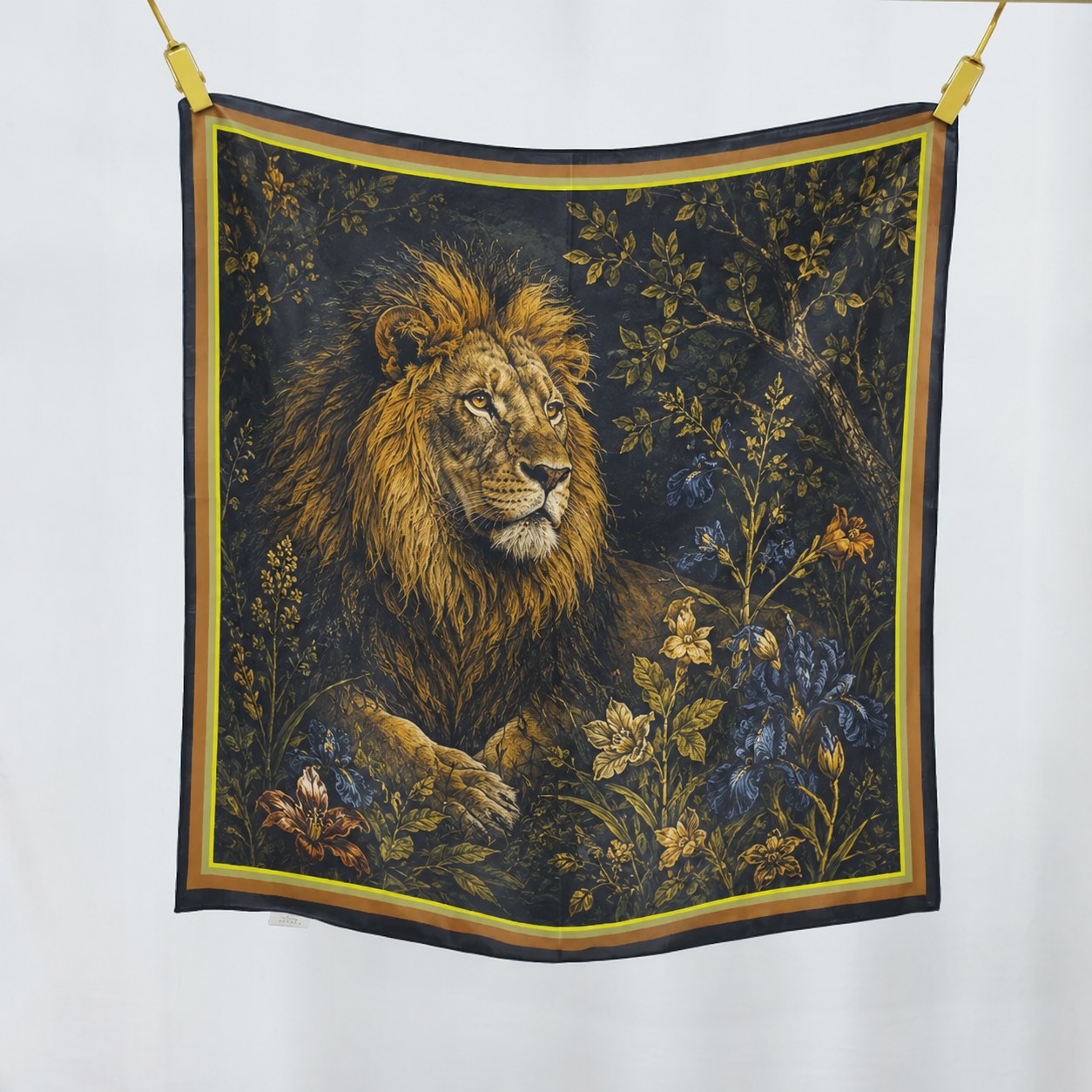
Artwork for a scarf must be designed for movement and folding. A flat image may look impressive on a screen but fail when tied around the neck. Important motifs should remain visible in corners, borders, repeat sections, or diagonal folding lines. Negative space, border weight, and color balance all affect how the scarf looks when worn.
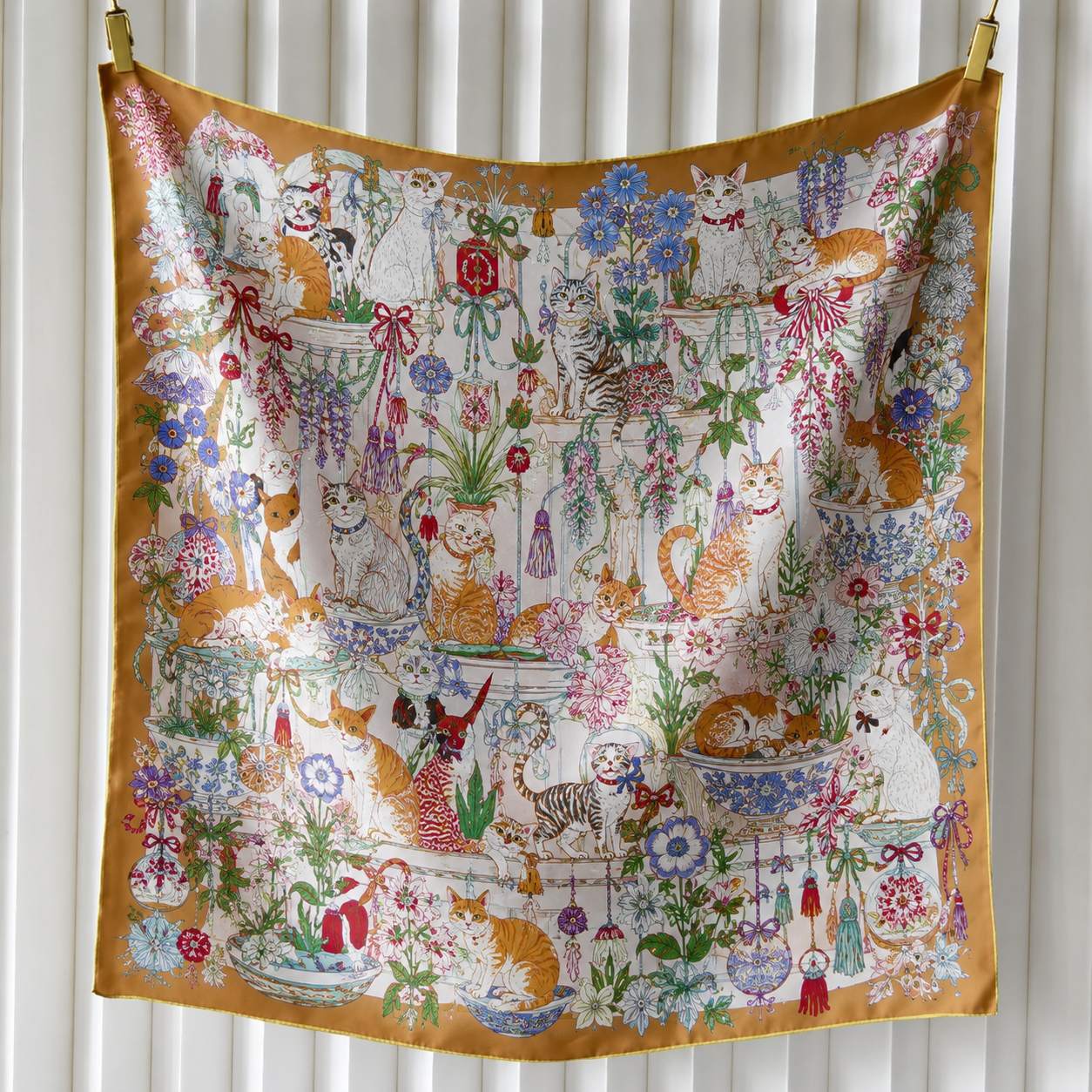
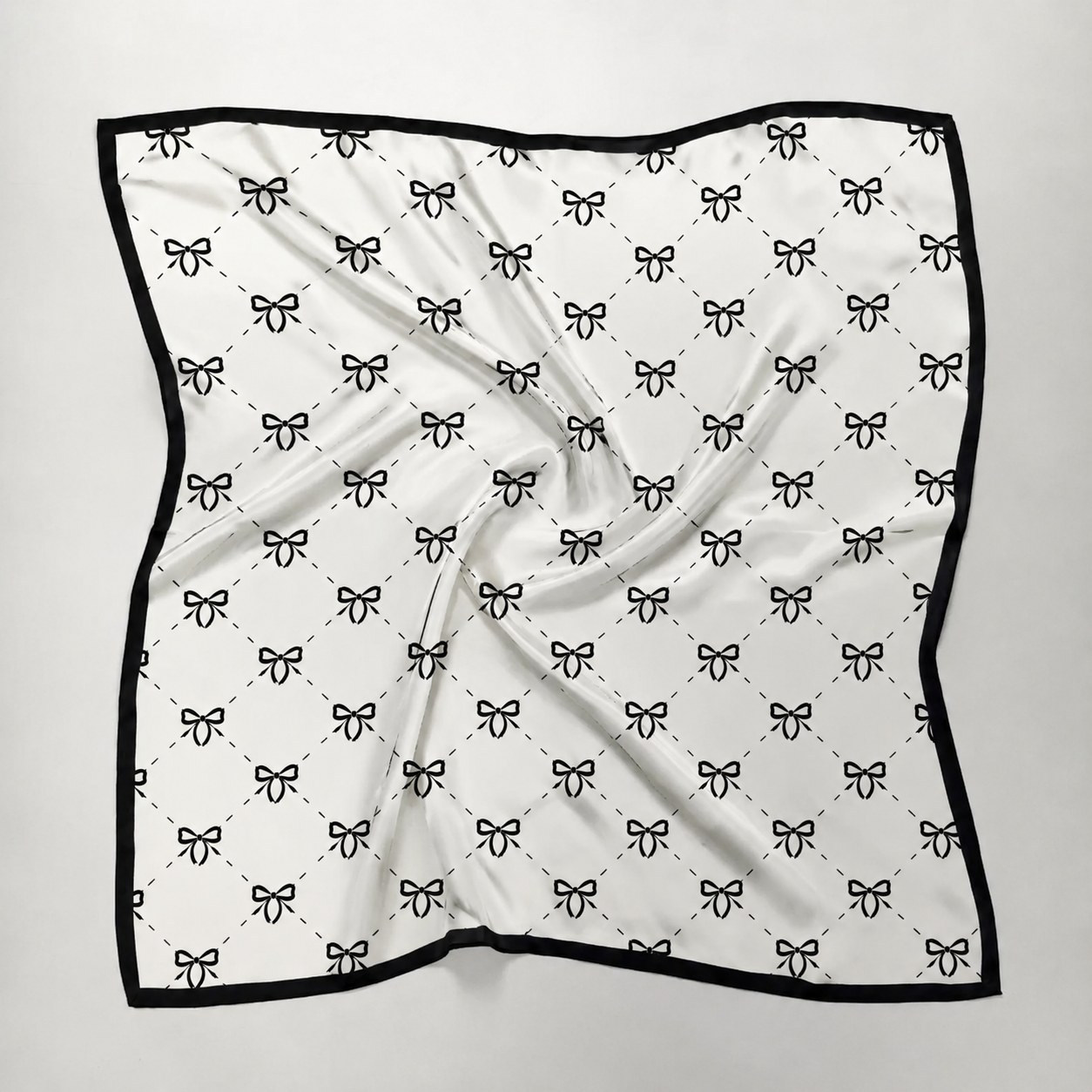
Animal motifs, floral details, lattice patterns, maps, and symbolic illustrations can work beautifully when their scale is controlled. Fine lines need enough contrast to print clearly. Large motifs need supporting details so the scarf does not feel empty when folded. A luxury scarf should reward both distance viewing and close inspection.
DOCSUN recommends reviewing the artwork at actual scarf scale before sampling. This helps brands check whether logo placement, motif size, border visibility, and corner composition support real styling. The custom printing workflow can then confirm file quality, color reference, proofing, and sample production.
Choosing Silk Fabric for Luxury Positioning
Mulberry silk twill is often the preferred choice for luxury printed scarves because it has structure, color depth, and a refined hand feel. It supports detailed artwork and holds shape well when tied. For many designer-style scarves, silk twill creates the best balance between beauty and wearability.
Silk satin gives more shine and a smoother surface, which can support elegant evening accessories or gift programs. Silk chiffon creates a lighter and more romantic look. The right fabric depends on the customer's use, season, price point, artwork, and desired hand feel.
Brands should not choose fabric only from a name. Weight, density, weave, luster, and print result all matter. Review fabric, colors, and craftsmanship before confirming the production direction.
Color Proofing and Detail Control
Luxury scarves require disciplined color control. A design may use black, gold, brown, cream, red, or rich accent colors, but the final print must match the brand's expectation on actual silk. Digital screens cannot predict final fabric appearance with complete accuracy.
Color proofing should check overall tone, line clarity, reverse-side appearance, and how colors look after folding. Fine-line lattice details, animal faces, borders, and small symbols can lose quality if the file resolution, print method, or fabric choice is wrong.
For high-end projects, sample review should include both flat inspection and styling inspection. Look at the scarf under natural light, fold it, tie it, photograph it, and place it in the intended package. This is how brands discover whether the product feels like personal luxury or simply printed fabric.
Finishing, Labels, and Packaging
Edge finishing is one of the clearest signals of quality. Hand-rolled edges are often used for premium scarves because they communicate craftsmanship and softness. Machine hemming can still be appropriate when the line is clean, consistent, and matched to the target price.
Label placement should be planned carefully. A woven label can support brand identity, but it should not make the scarf uncomfortable or disrupt folding. For personal luxury gifts, a care card, story card, or artist card can add meaning without overloading the scarf surface with text.
Packaging completes the experience. A premium silk scarf may need tissue paper, a rigid box, ribbon, envelope, insert card, or coordinated gift set. Review custom packaging early so the scarf fold, label, and box all work together.
Production Brief for a Bespoke Silk Scarf
A bespoke or luxury custom scarf brief should include the target customer, story, artwork, scarf size, fabric, color reference, print method, edge finishing, label, packaging, quantity, budget, sample deadline, and bulk delivery date. The more precise the brief, the easier it is to avoid repeated sample changes.
For high-end scarves, check artwork scale, fabric hand feel, print clarity, color accuracy, line detail, border visibility, reverse-side appearance, edge finishing, label comfort, packaging fit, and final presentation. These details define the customer's perception of value.
To develop your own scarf, start with custom silk scarf options, review scarf custom cases, and contact DOCSUN with artwork and production goals. The team can help turn the concept into a sample-ready plan.
FAQ
What makes a custom silk scarf feel luxurious?
Luxury comes from the combination of silk fabric, artwork scale, color accuracy, print clarity, edge finishing, label placement, packaging, and the emotional story behind the design.
Which fabric is best for a luxury custom scarf?
Mulberry silk twill is often preferred for luxury printed scarves because it has structure, color depth, and a refined feel. Satin and chiffon can also work for different moods.
Can detailed artwork be printed on silk scarves?
Yes, but fine lines and small details need proper file resolution, fabric choice, and print proofing. Sampling is important before bulk production.
Should a luxury scarf use hand-rolled edges?
Hand-rolled edges are a strong premium choice, but machine hemming can also be appropriate for certain price points and quantities if the finish is clean and consistent.
What should be included in a bespoke silk scarf brief?
Include target customer, story, artwork, size, fabric, color reference, print method, edge finishing, labels, packaging, quantity, budget, sample deadline, and delivery date.
Plan Your Custom Project with DOCSUN
Send your target market, product idea, artwork direction, fabric preference, quantity, packaging requirement, and delivery schedule. DOCSUN can help you turn the concept into a practical sample and production plan.
Contact UsFabric cards, color cards, and craftsmanship references are available in our Australia, United States, and United Kingdom offices on request.