
FABRIC, COLORS & CRAFTSMANSHIP
Fabric, Colors & Craftsmanship for Custom Silk Products
Choose the right silk fabric, color direction, printing method, edge finish, machinery, and production detail before sampling. This guide helps brands turn scarf, apparel, home textile, hair accessory, and gift ideas into practical custom production plans.
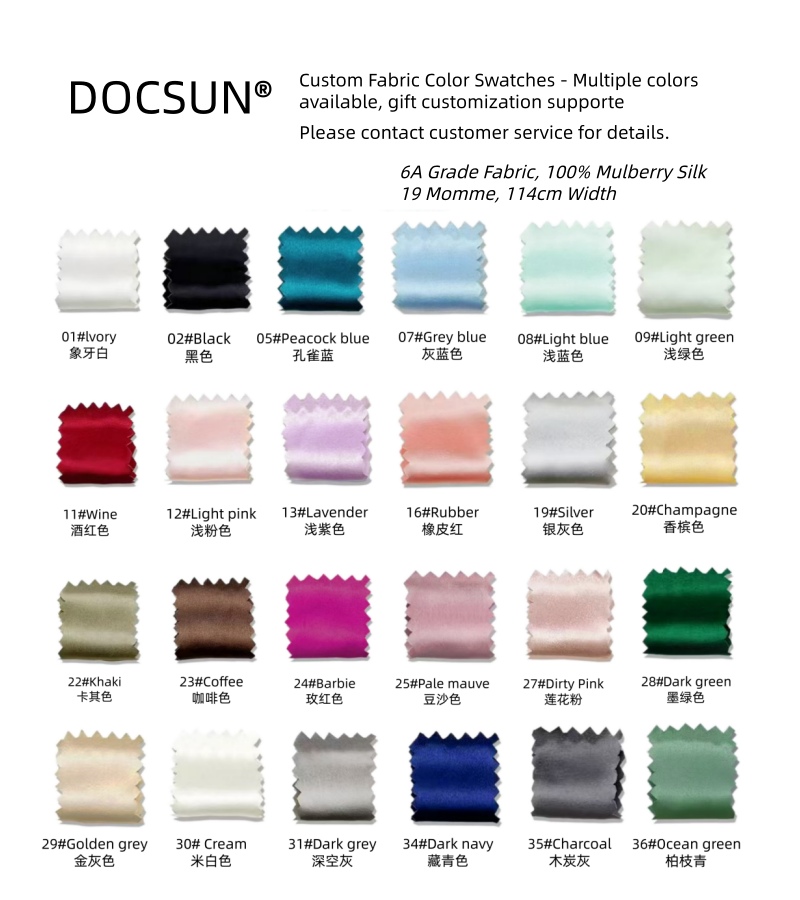
Fabric Cards, Color Cards and Craftsmanship Cards Available in Three Markets
DOCSUN keeps selected fabric cards, color cards, craftsmanship cards and print reference materials available through our teams in the United Kingdom, the United States and Australia. If you need to compare hand feel, color direction, momme weight, finishing, or print result before sampling, please contact us with your product type, target fabric and delivery market.
Silk Fabric Library for Custom Development
Different silk fabrics change drape, shine, opacity, hand feel, print color, and final product positioning. For custom scarves, silk twill and satin are often premium choices. For apparel, crepe, chiffon, habotai, organza, and blends may create better movement, comfort, or structure.
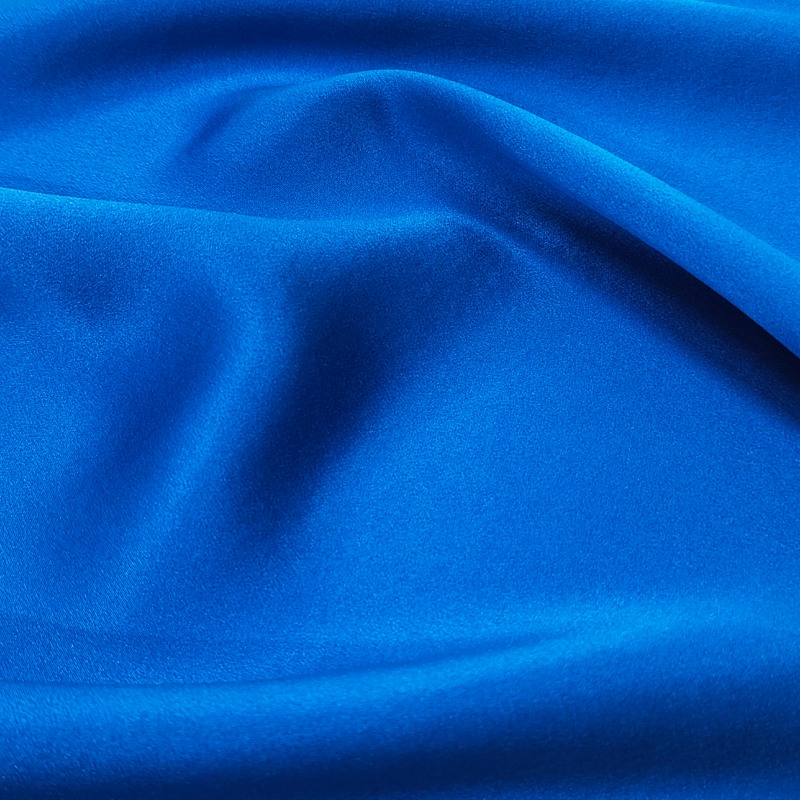
Crepe Satin
Smooth shine with a slightly textured hand, useful for scarves, dresses, blouses, and premium gift products.
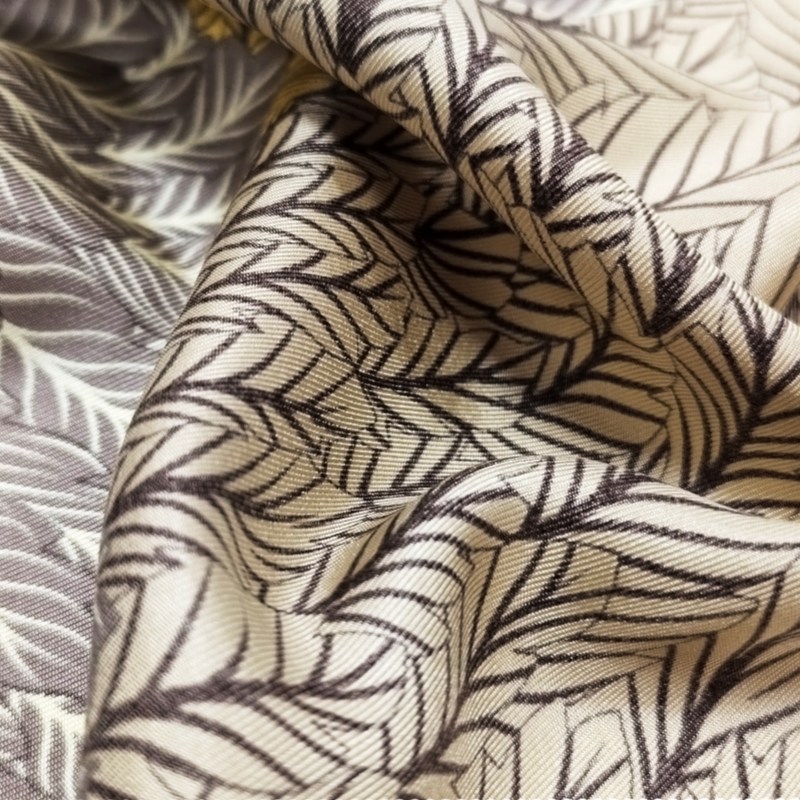
Silk Twill
Structured, print-friendly, and often preferred for luxury square scarves and designer-style accessories.
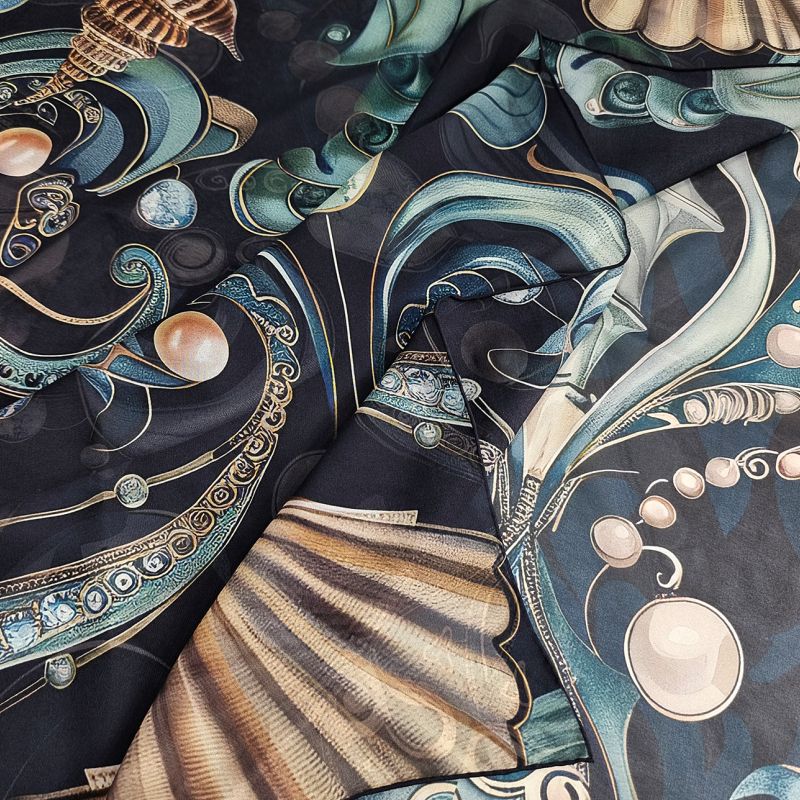
Silk Chiffon
Light, airy, and semi-sheer for summer scarves, resort apparel, and soft layered looks.
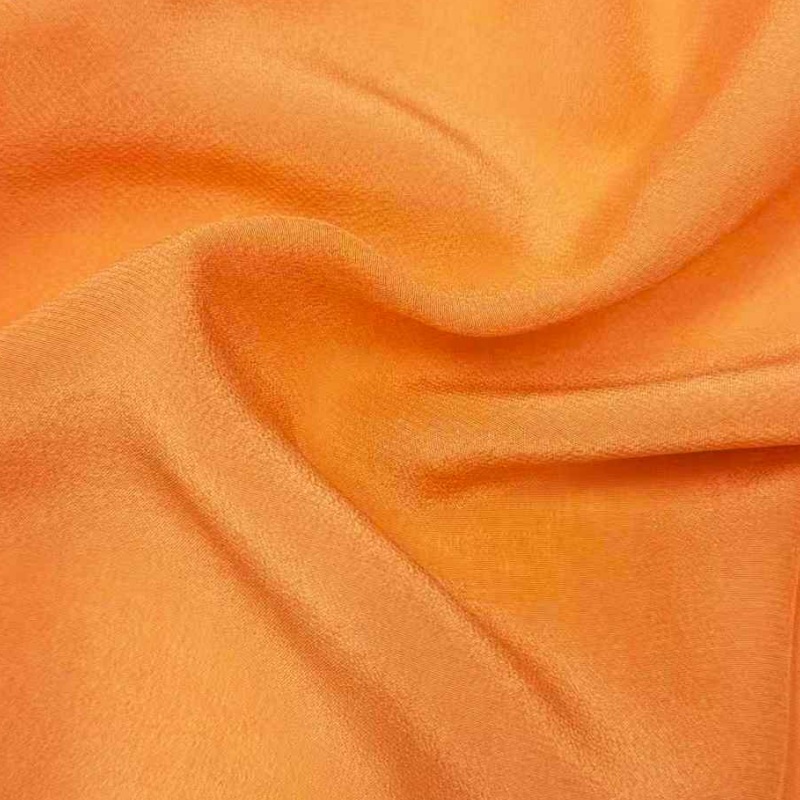
Double Crepe
Elegant drape and matte texture for custom apparel and refined silk garments.
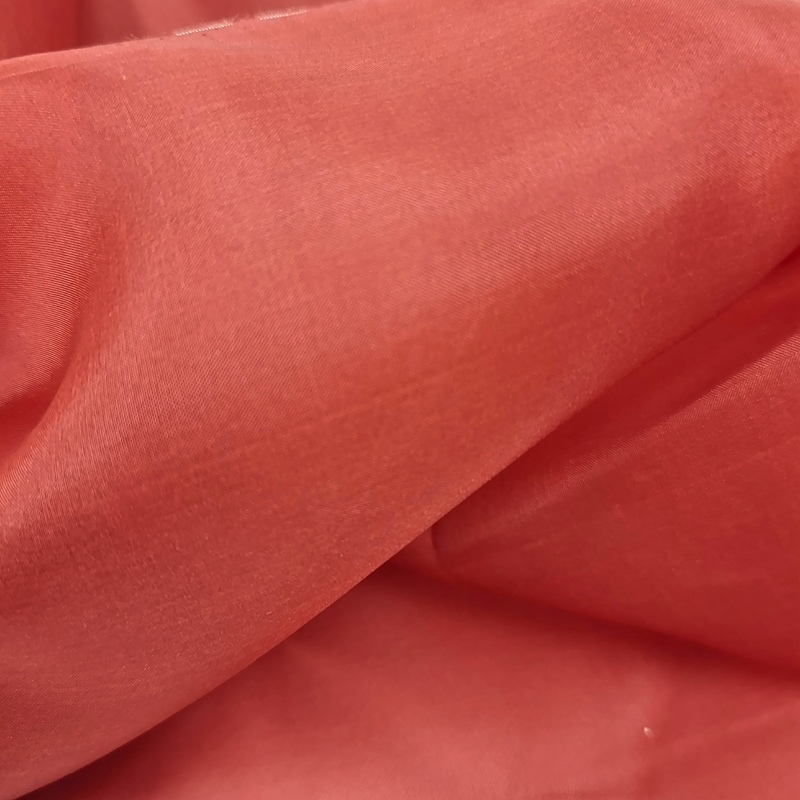
Silk Organza
Crisp and transparent for structured design, trims, layering, and decorative applications.
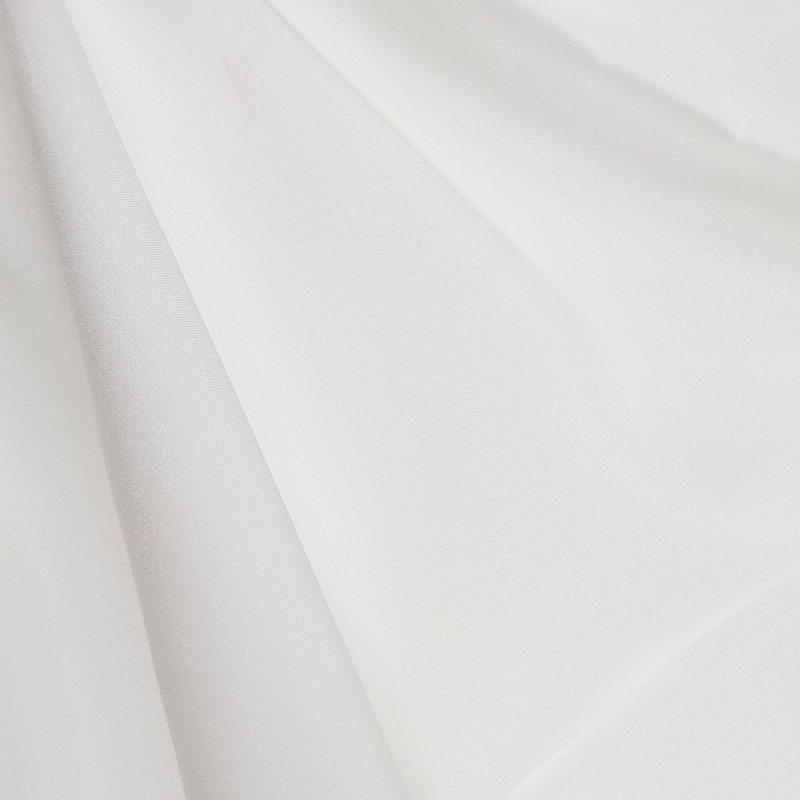
Silk Habotai
Lightweight and soft for linings, simple scarves, sleepwear, and budget-sensitive silk programs.
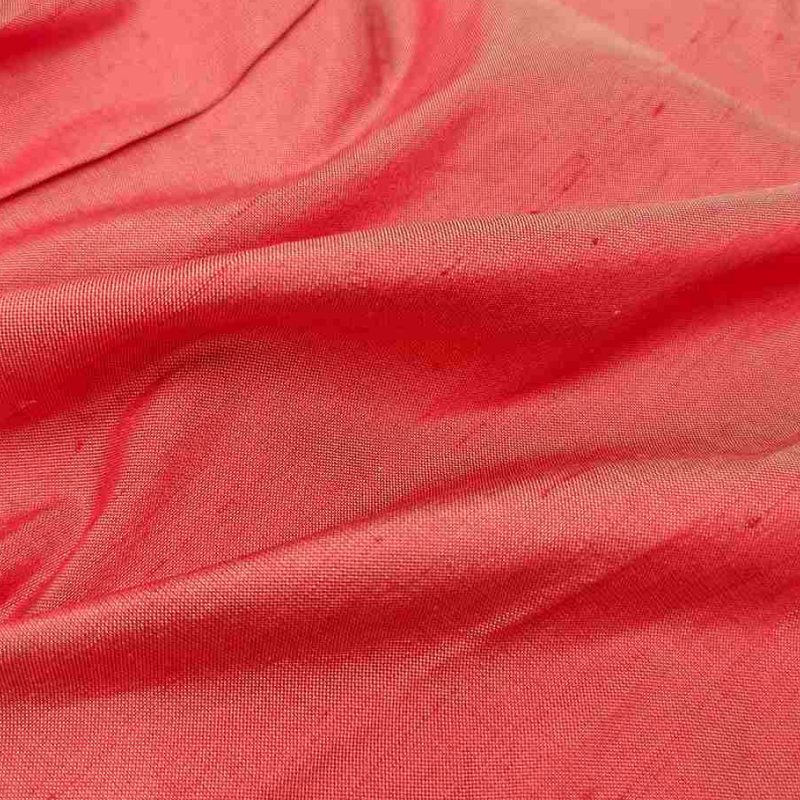
Dupion Silk
Textured surface and natural slub effect for structured apparel, accessories, and special packaging ideas.
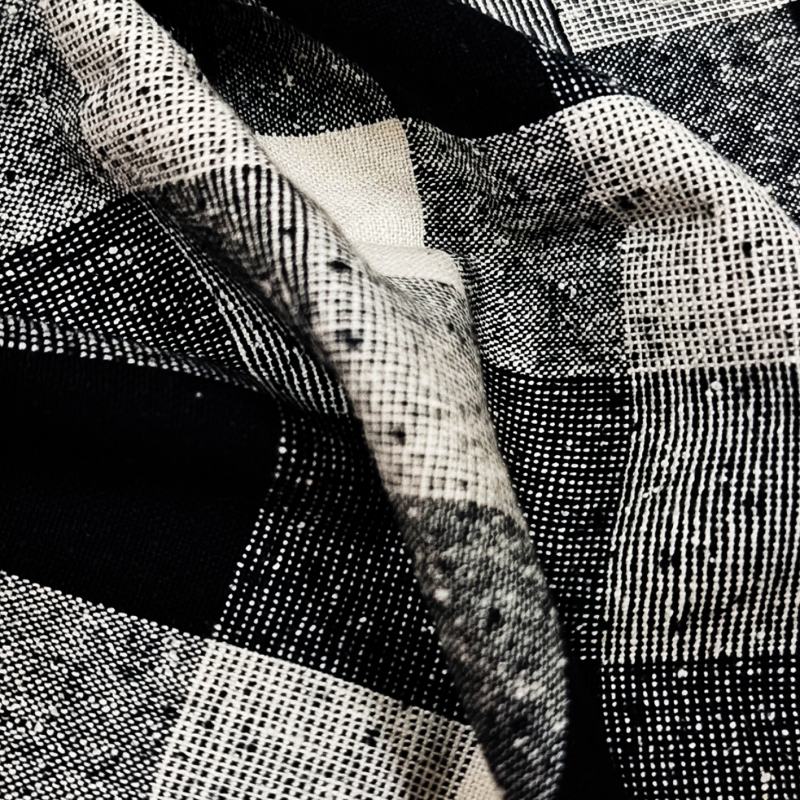
Silk Noil
Natural texture and relaxed appearance for brands seeking organic or artisanal visual language.
Specialty Fabric Routes Beyond Classic Scarf Silk
Not every custom silk product should use the same woven scarf fabric. Blended silk and knitted silk solve different product problems: one expands texture, warmth, opacity, and price positioning; the other adds stretch, softness, and comfort for close-to-skin products.
Silk Blends for Texture, Warmth, and Product Positioning
Silk blends combine mulberry silk with fibers such as wool, cotton, linen, modal, or decorative yarns. They are useful when a brand needs warmer scarves, breathable apparel, textured resort pieces, premium loungewear, or a fabric story that feels more seasonal than classic silk twill.
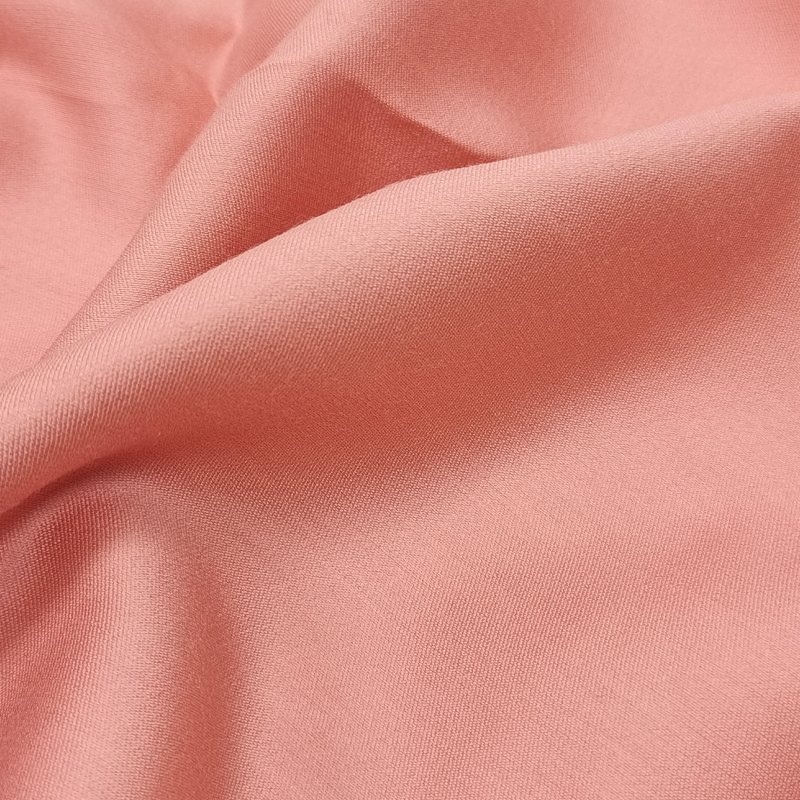
Silk Wool Satin
Warm, soft, and seasonal for scarves, shawls, and winter accessory collections.
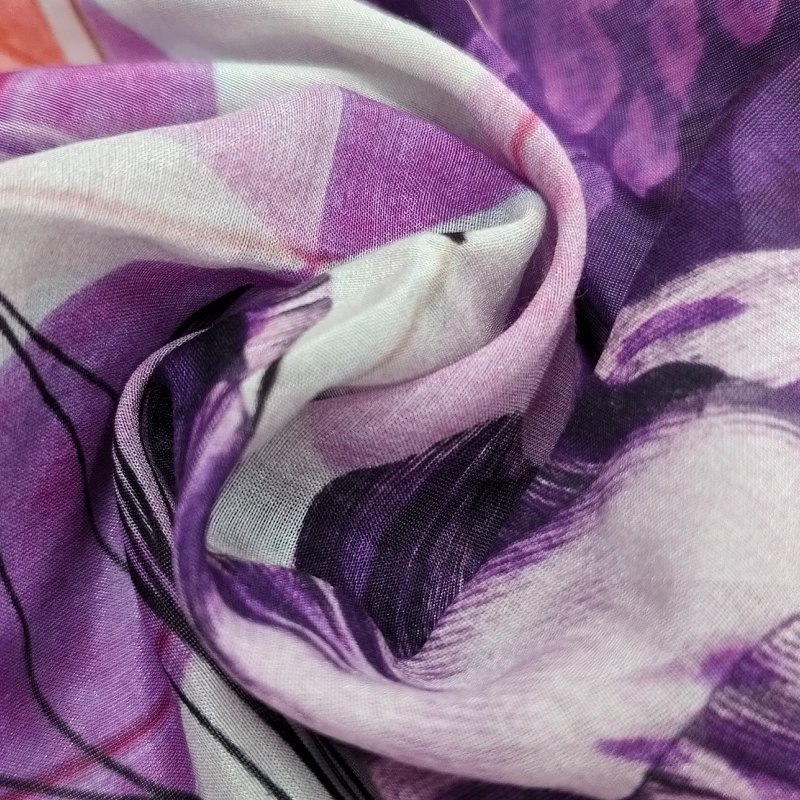
Silk Cotton Blend
Breathable and practical for apparel, pillowcases, and comfort-focused products.
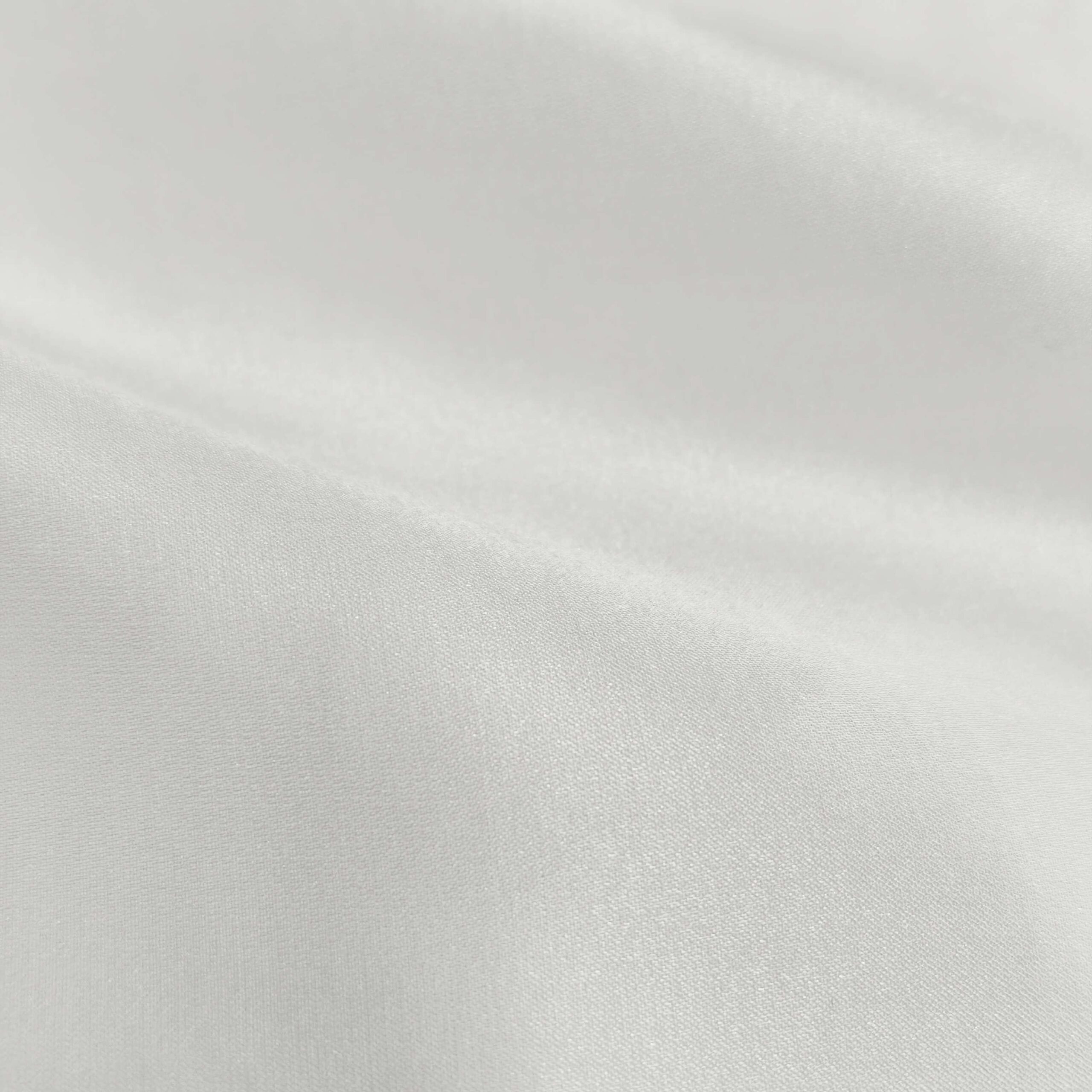
Silk Modal Satin
Smooth and fluid for sleepwear, robes, and apparel with a soft drape.
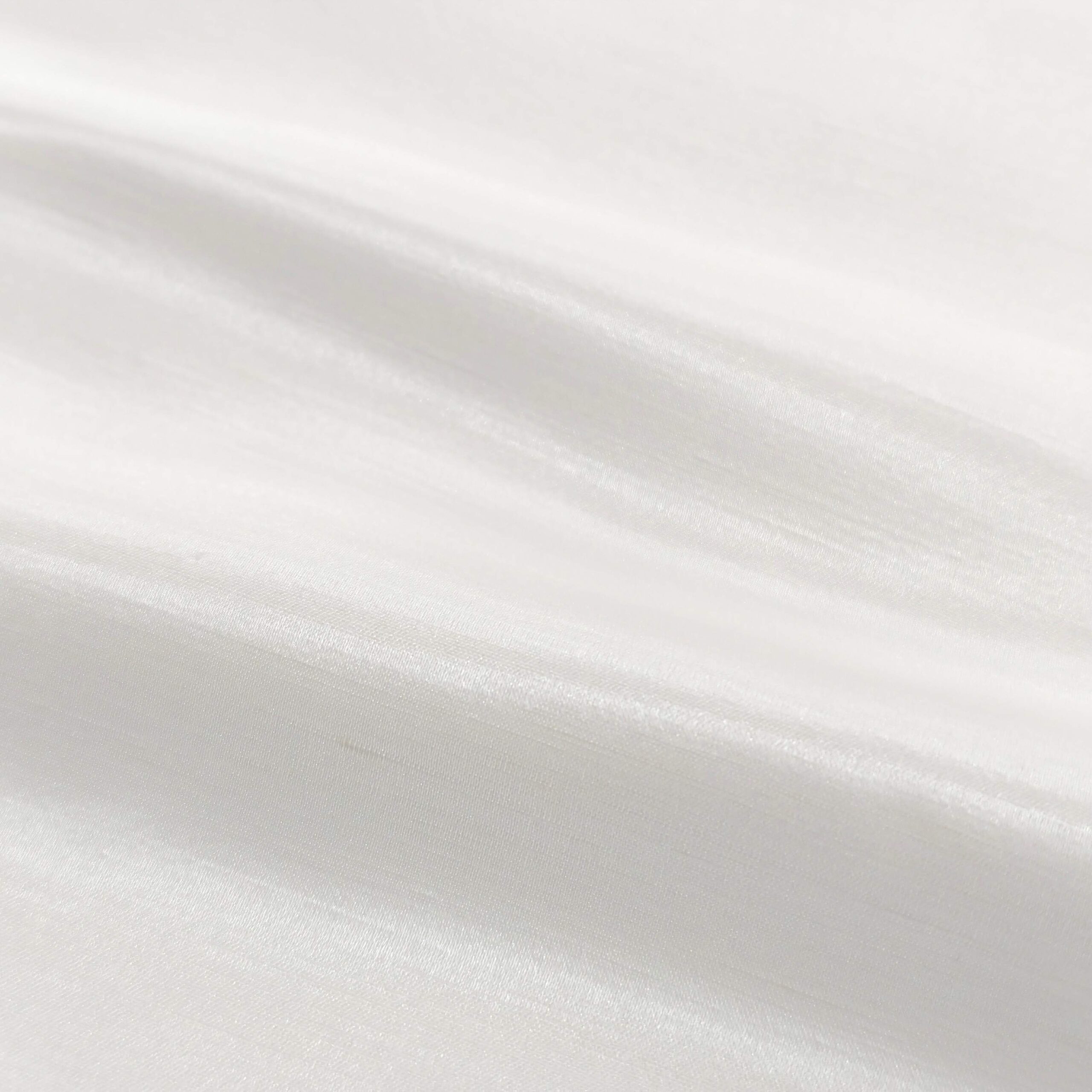
Silk Linen Satin
Natural texture with refined sheen for resort apparel and premium casual collections.
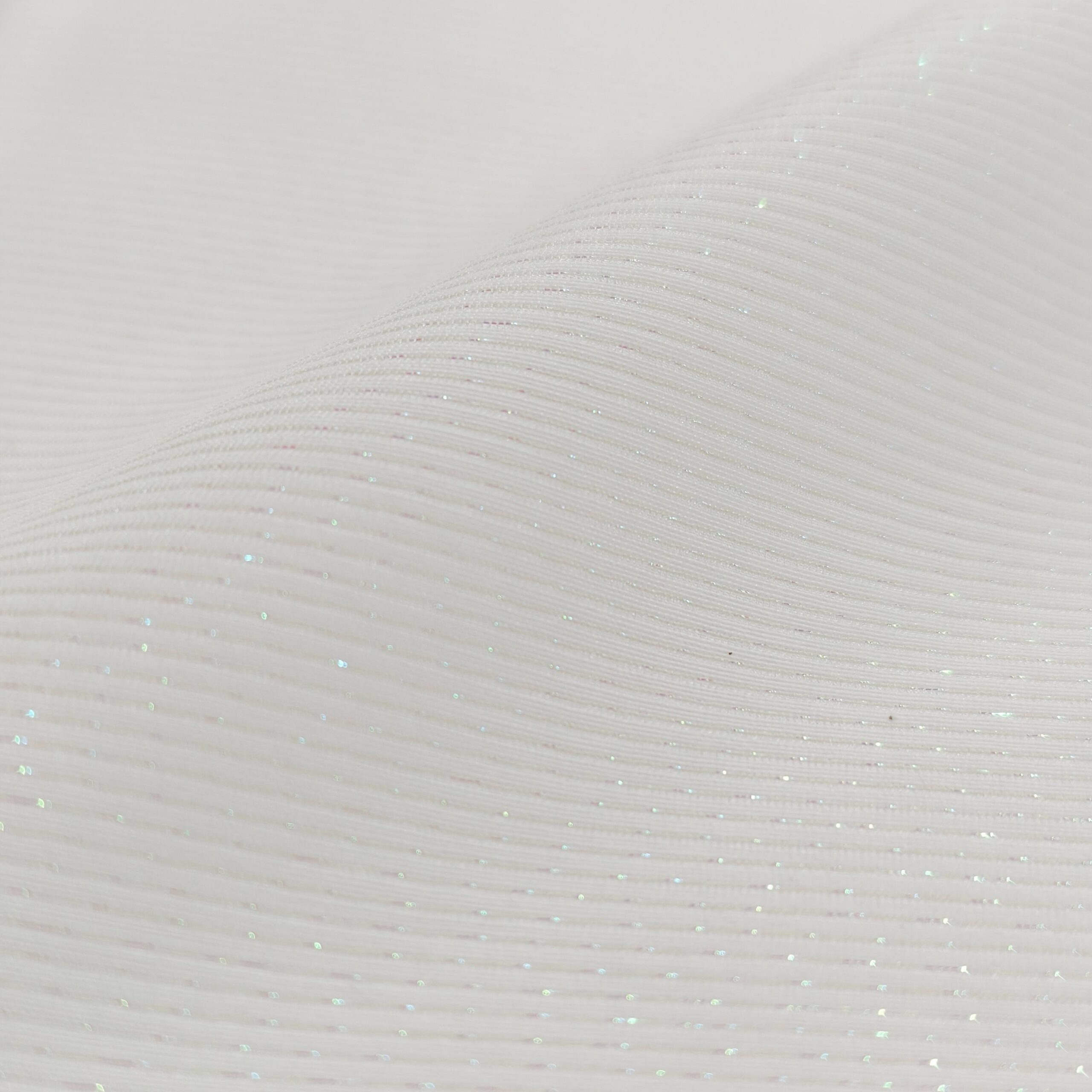
Gold Thread Satin
Decorative luster for premium fashion pieces, gift products, and special edition collections.
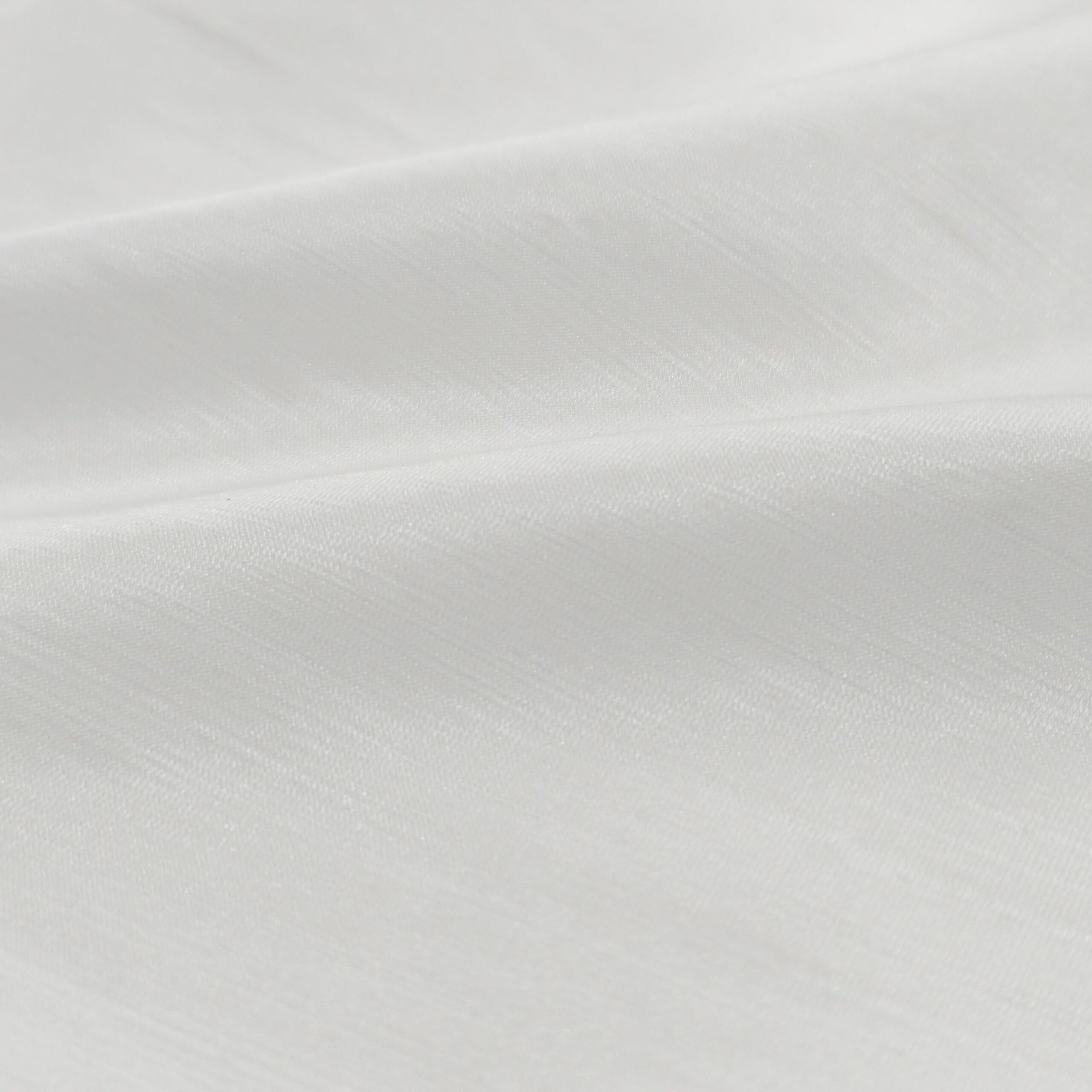
Silk Slub Cotton Satin
Visible texture for a more natural, tactile, and contemporary fabric story.
Knitted Silk Options for Stretch and Close-to-Skin Comfort
Knitted silk is a different construction from woven scarf silk. It is better for underwear, base layers, sleepwear, bonnets, soft apparel, and personal care products where elasticity, breathability, and skin feel matter more than crisp drape or square scarf structure.
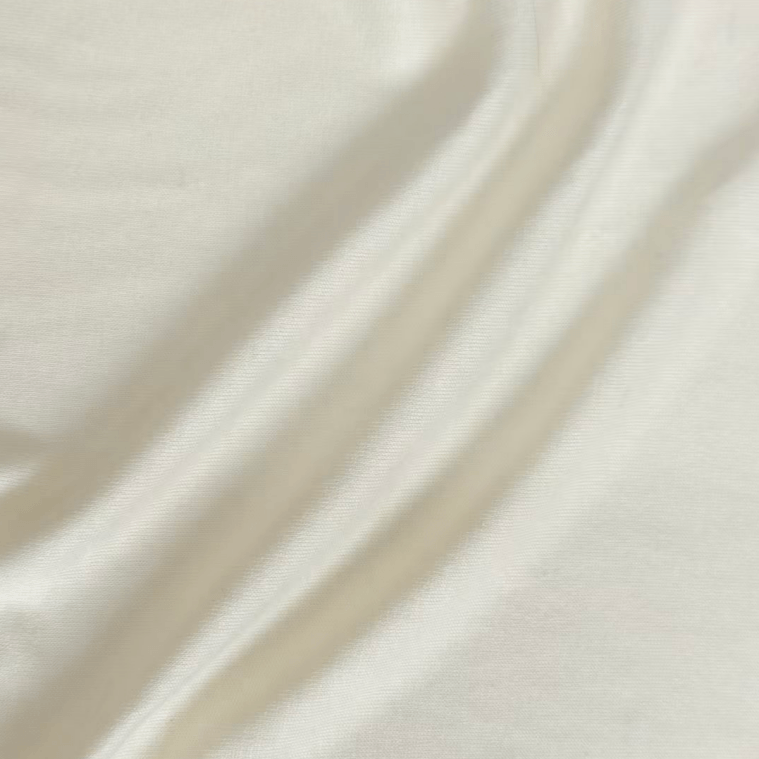
Elastic Knitted Silk
Comfortable stretch for underwear, base layers, and flexible apparel development.
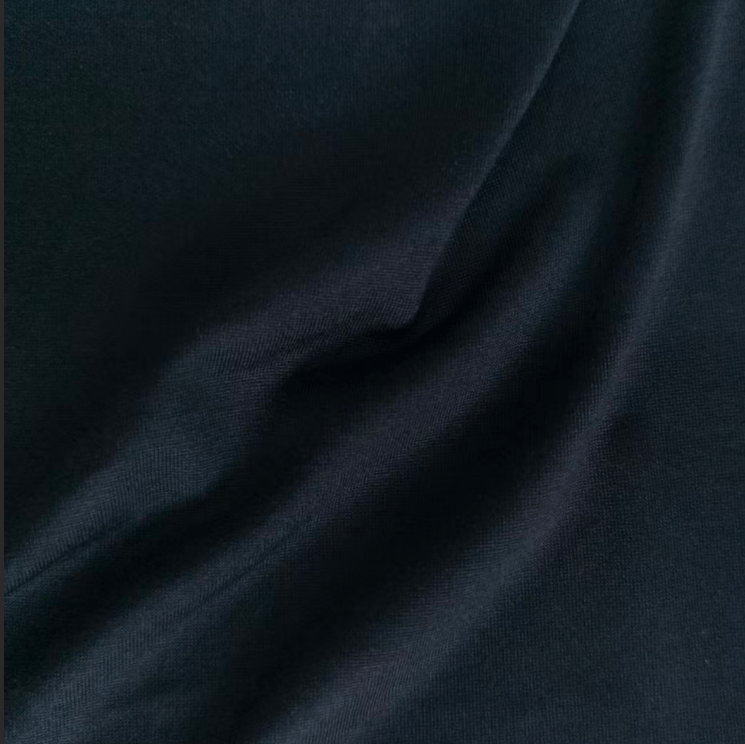
Lightweight Mulberry Silk Knit
Soft and breathable for close-to-skin apparel and summer knitwear.
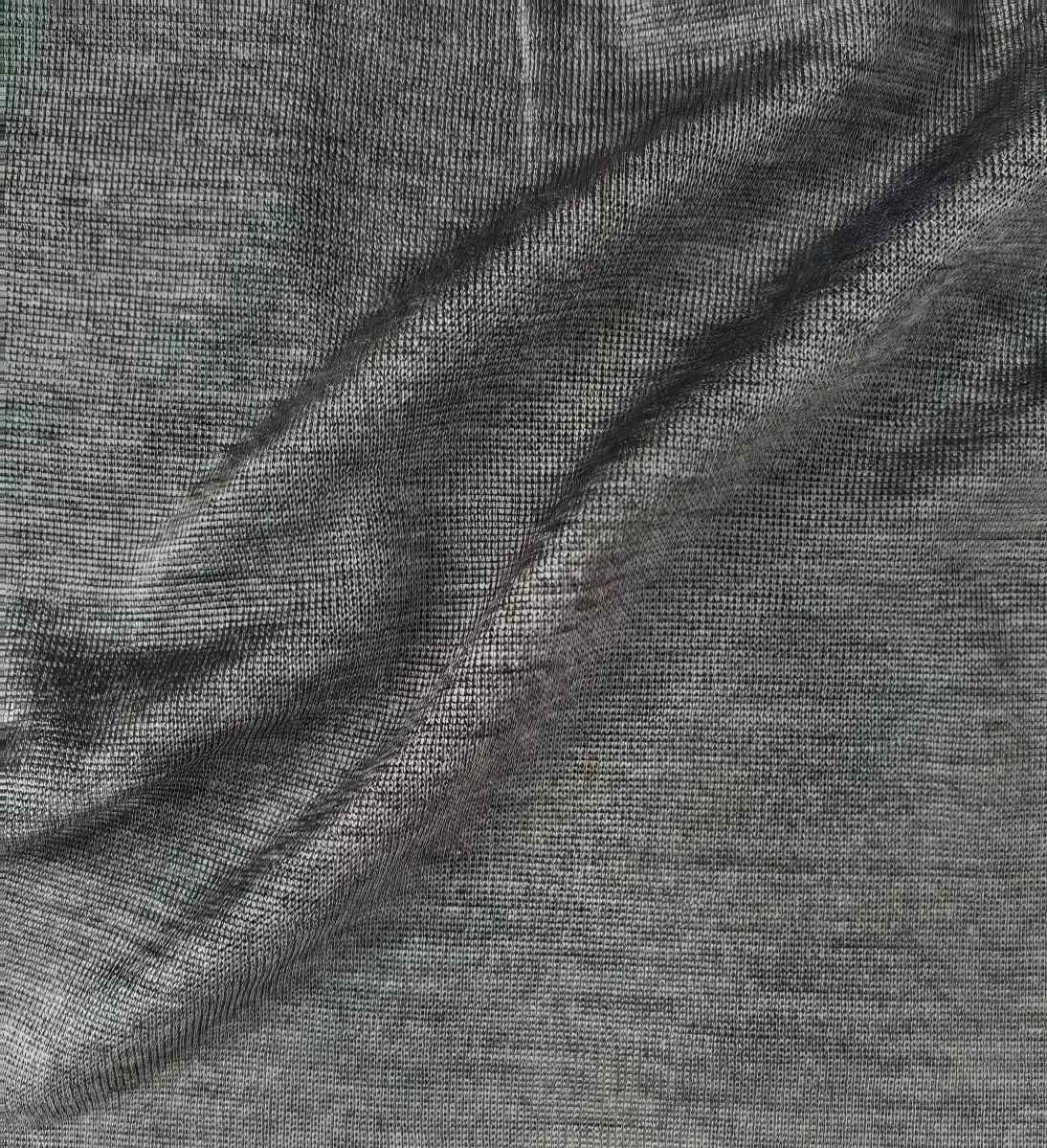
Thick Mulberry Silk Knit
More substantial feel for premium knitwear, loungewear, and cooler seasons.
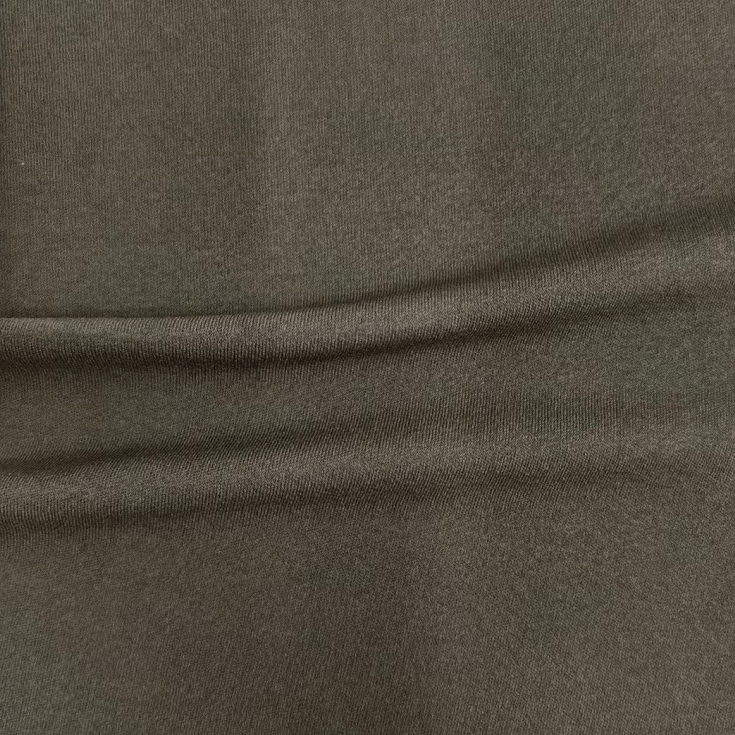
Skin-Friendly Silk Knit
Delicate touch for personal care, underwear, sleepwear, and comfort-focused products.
Production Equipment Supports Fabric Choice
Fabric development is not only a swatch decision. Looms, knitting machines, jacquard capability, embroidery equipment, and finishing control influence what can be produced consistently at sample and bulk scale.
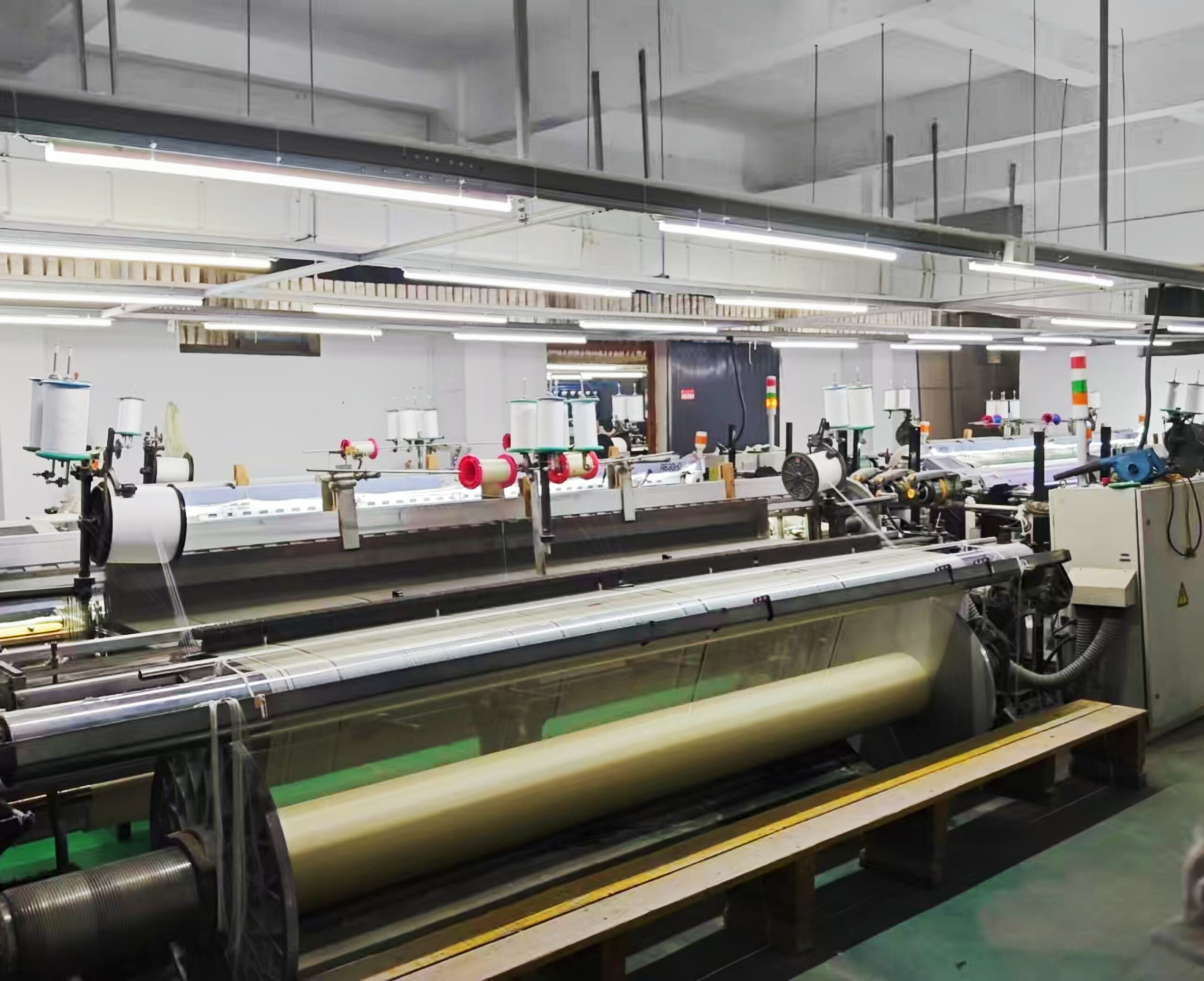
Large Rapier Loom
Supports woven silk fabric development and repeatable production.
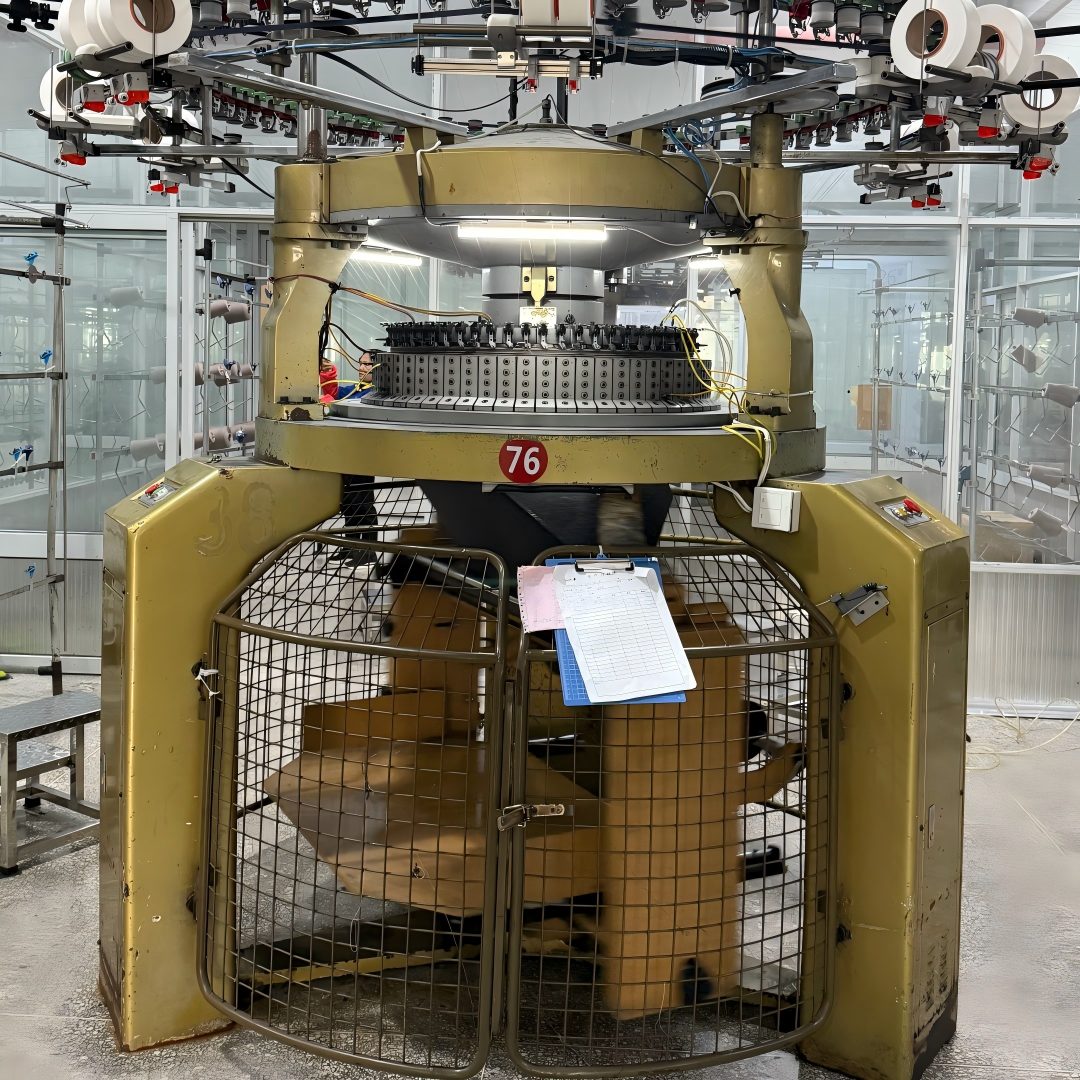
Circular Knitting Machine
Supports silk knitwear, underwear, and elastic comfort fabrics.
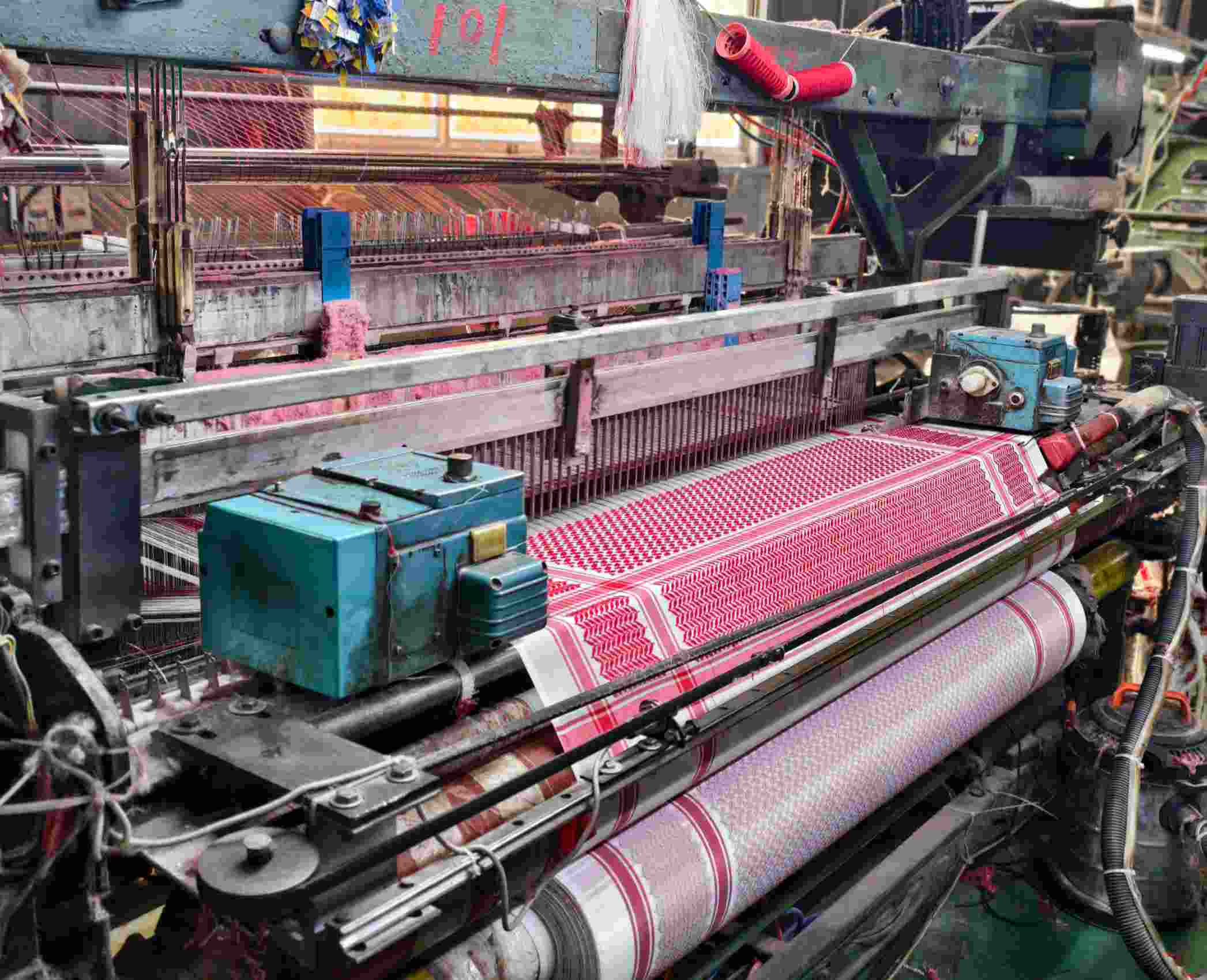
Jacquard Loom
Supports woven pattern, texture, and premium fabric structure.
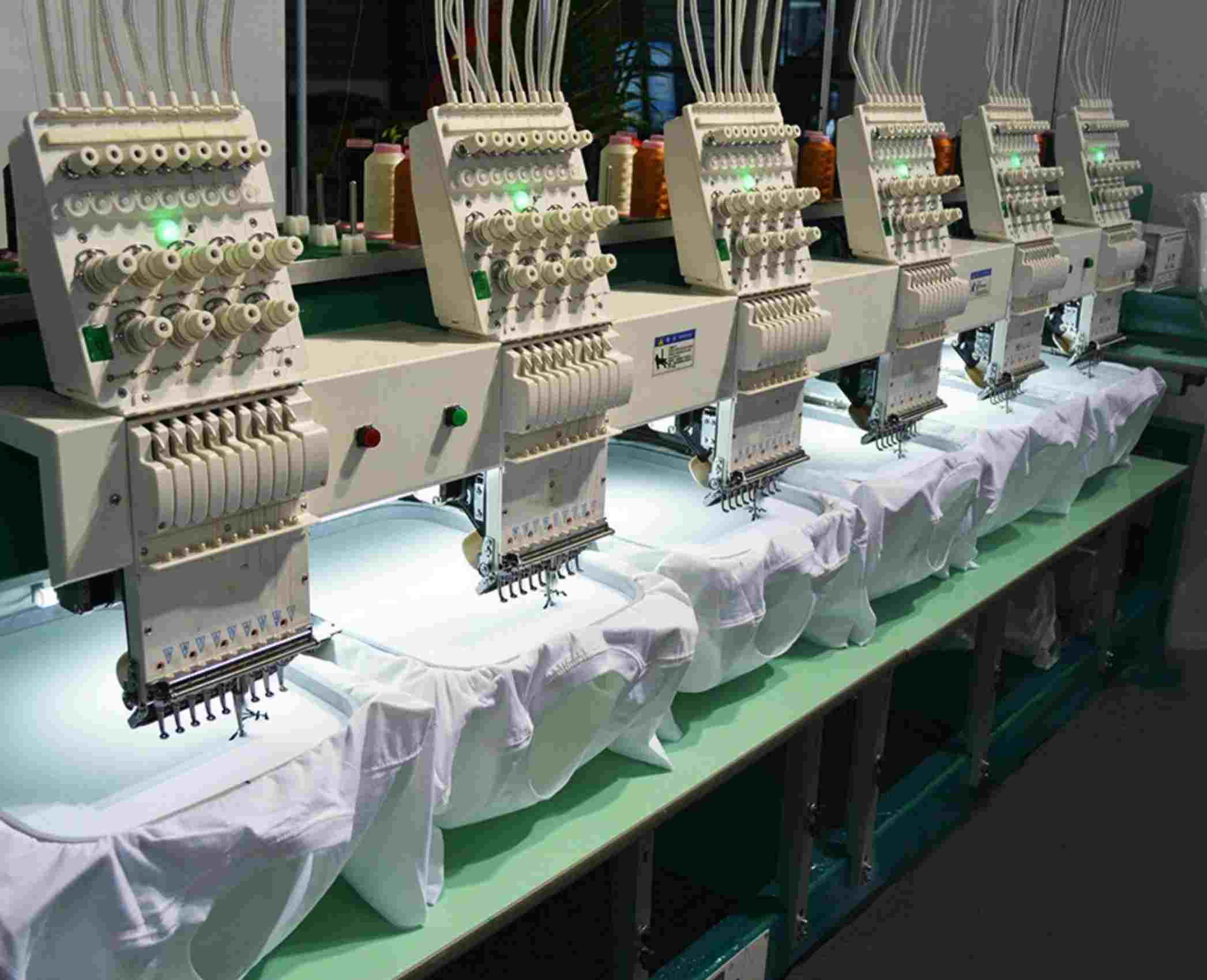
Embroidery Machine
Supports custom decoration, logos, labels, and garment details.
Color Matching, Printing, and Edge Craftsmanship
Color and finishing choices decide whether a product feels premium, practical, or promotional. DOCSUN can support color swatches, single-sided printing, double-sided planning, hand rolled hems, machine hems, overlock, lace trim, fringe, and packaging coordination.
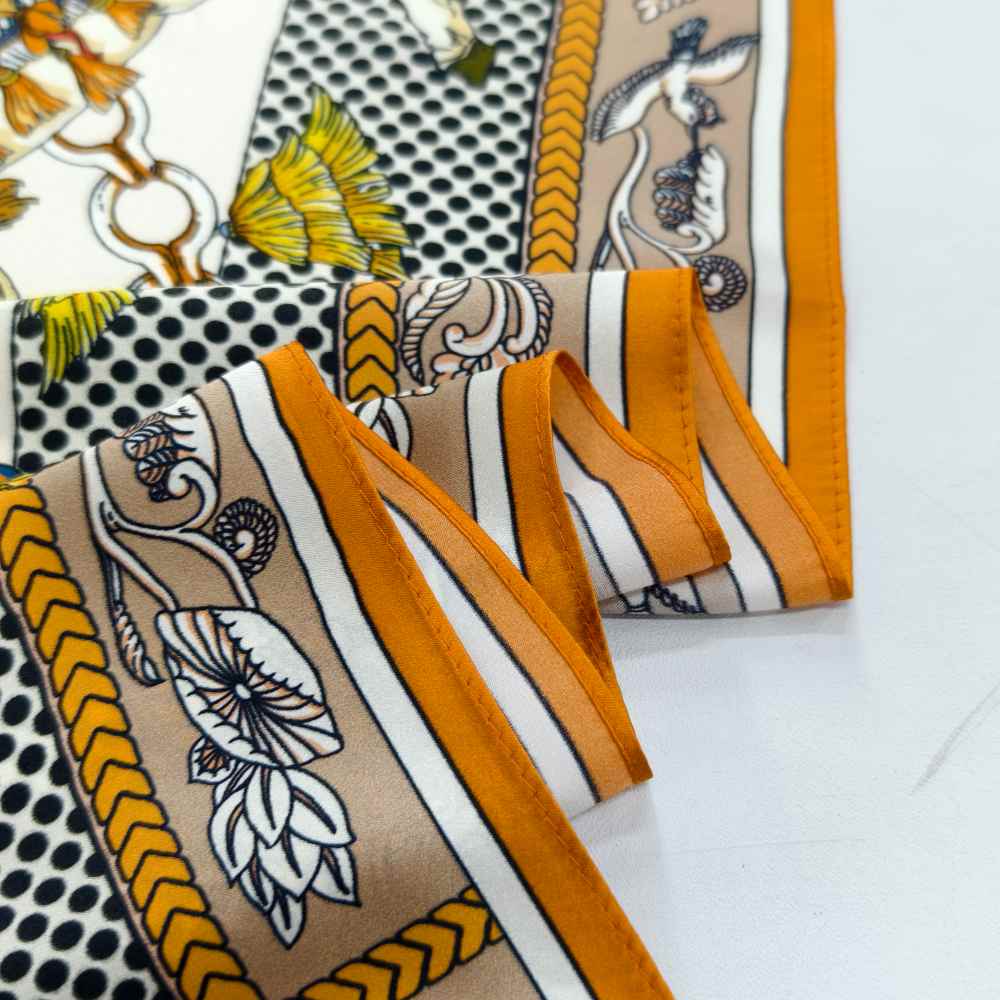
Machine Rolled Hem
Efficient, consistent, and suitable for larger scarf programs.
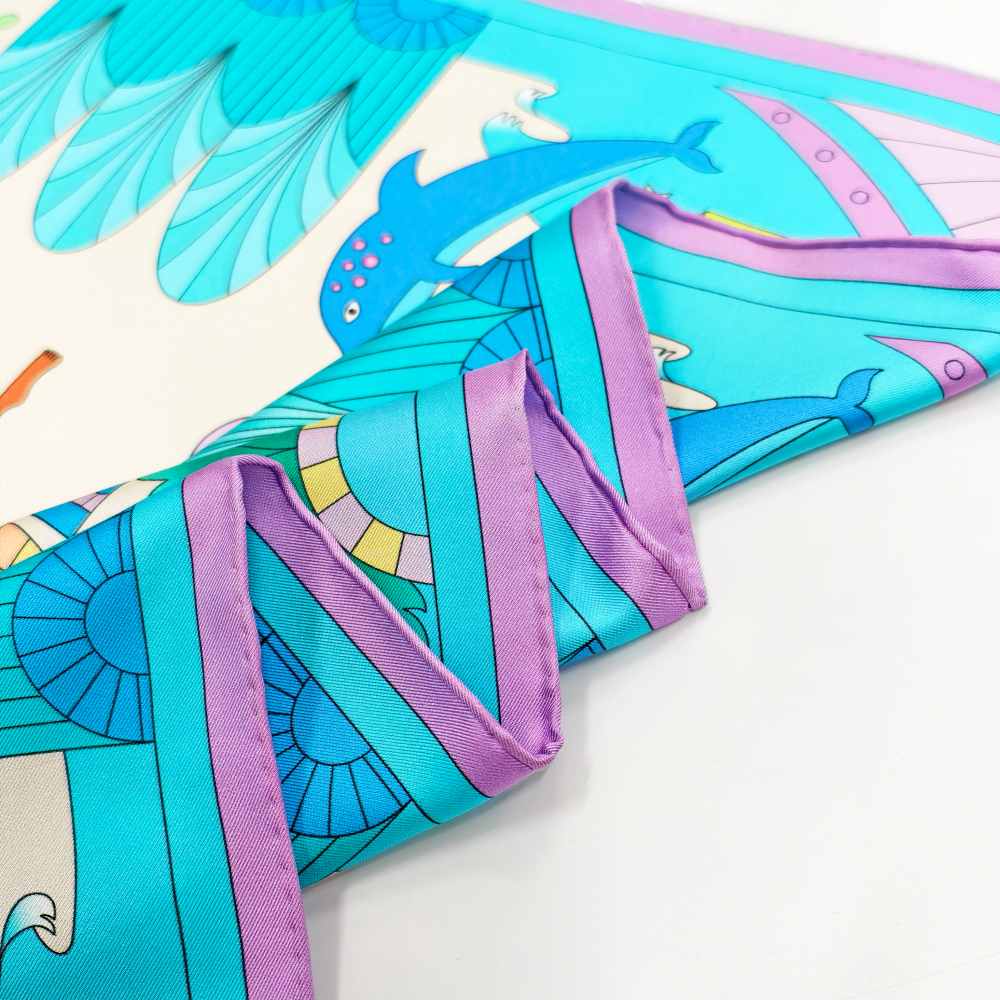
Hand Rolled Hem
Premium hand-finished edge for luxury silk scarves and gift products.
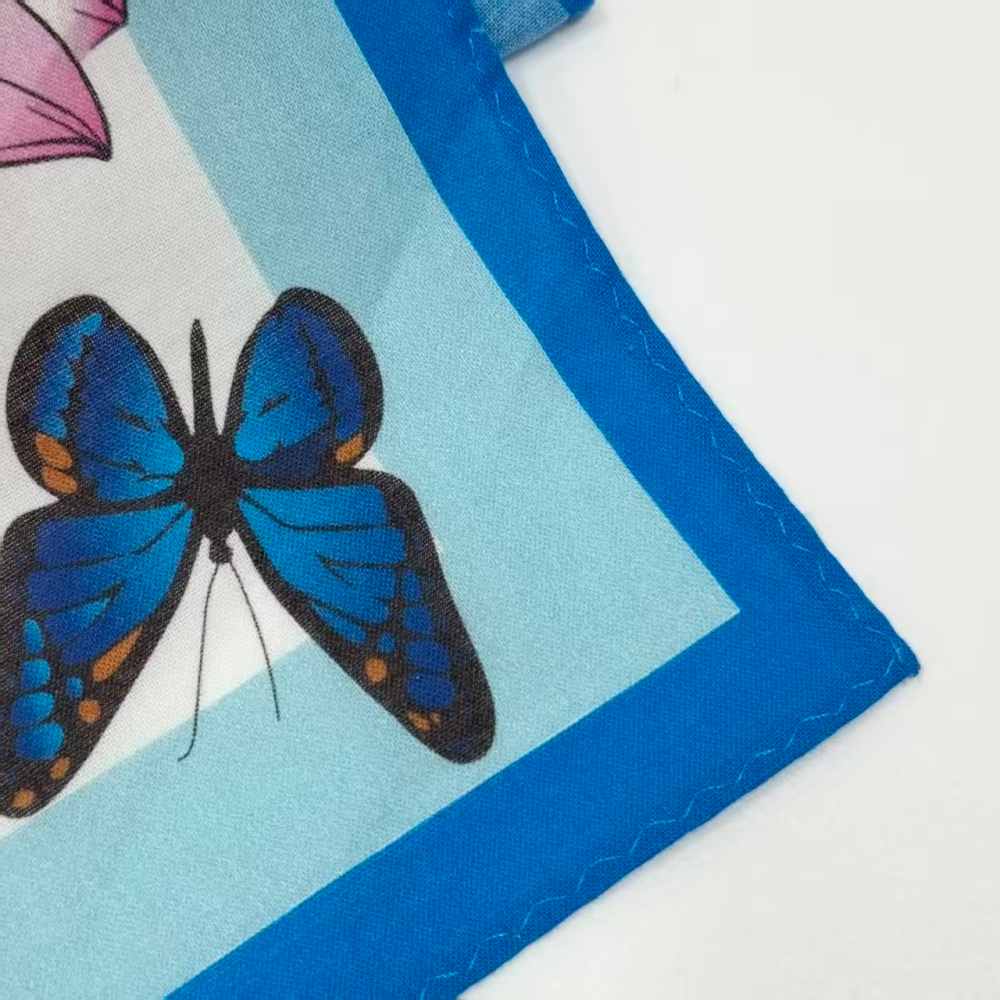
Overlock Hem
Practical edge finish for certain scarves, apparel, and lightweight fabrics.
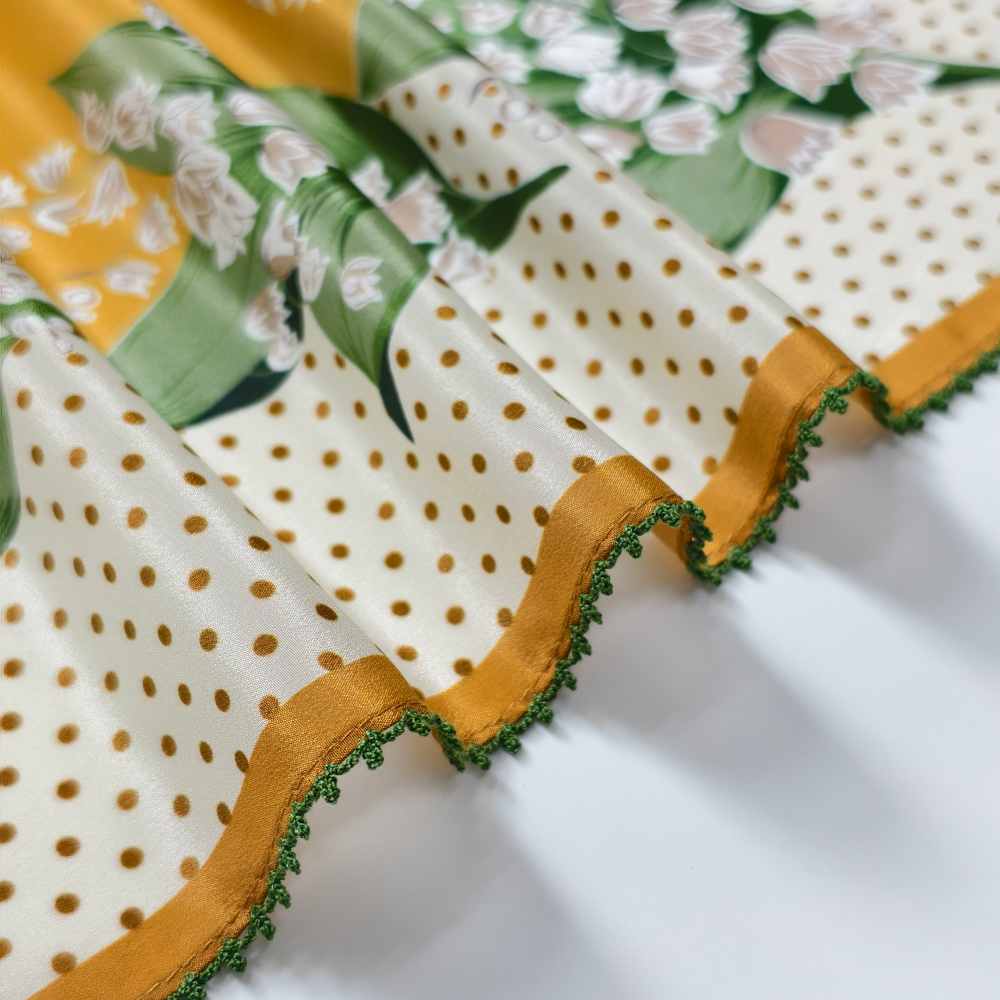
Crochet Lace Edge
Decorative edge detail for feminine, giftable, or boutique accessories.
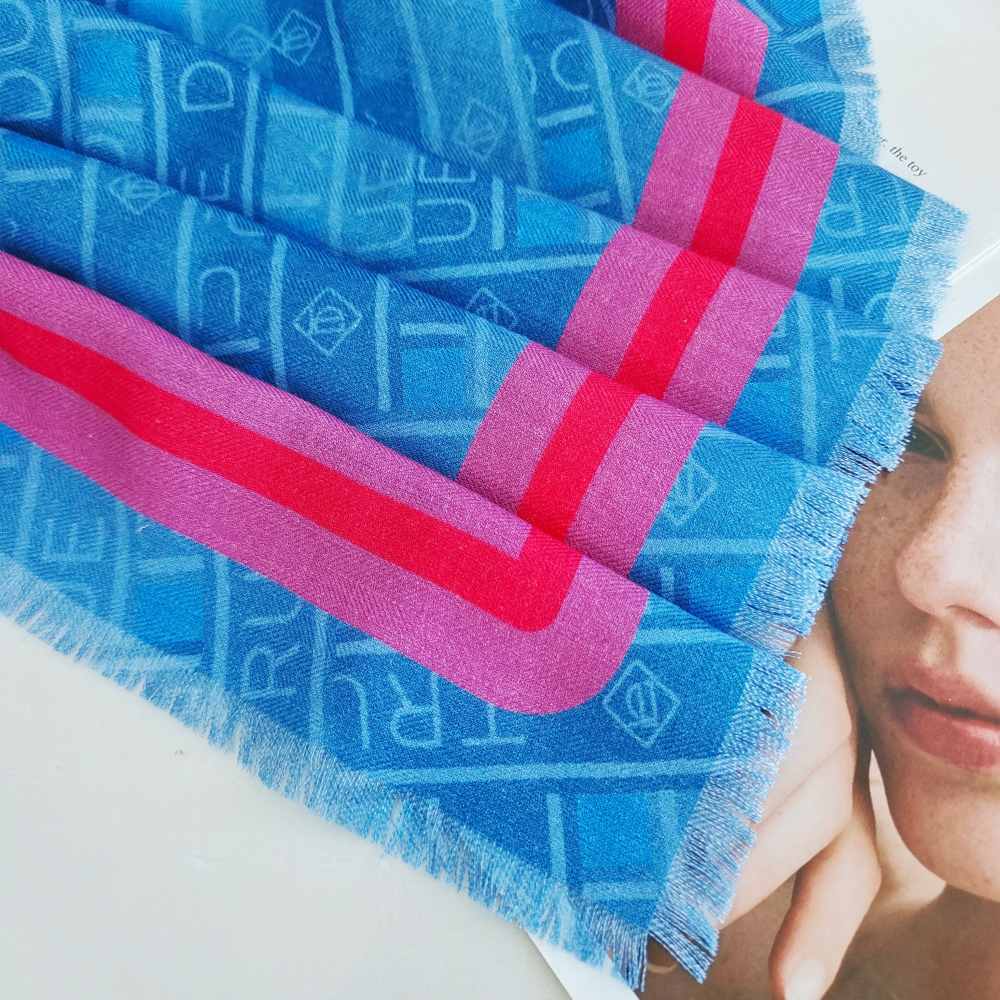
Short Fringe
Textured finishing option for shawls, scarves, and seasonal accessory lines.
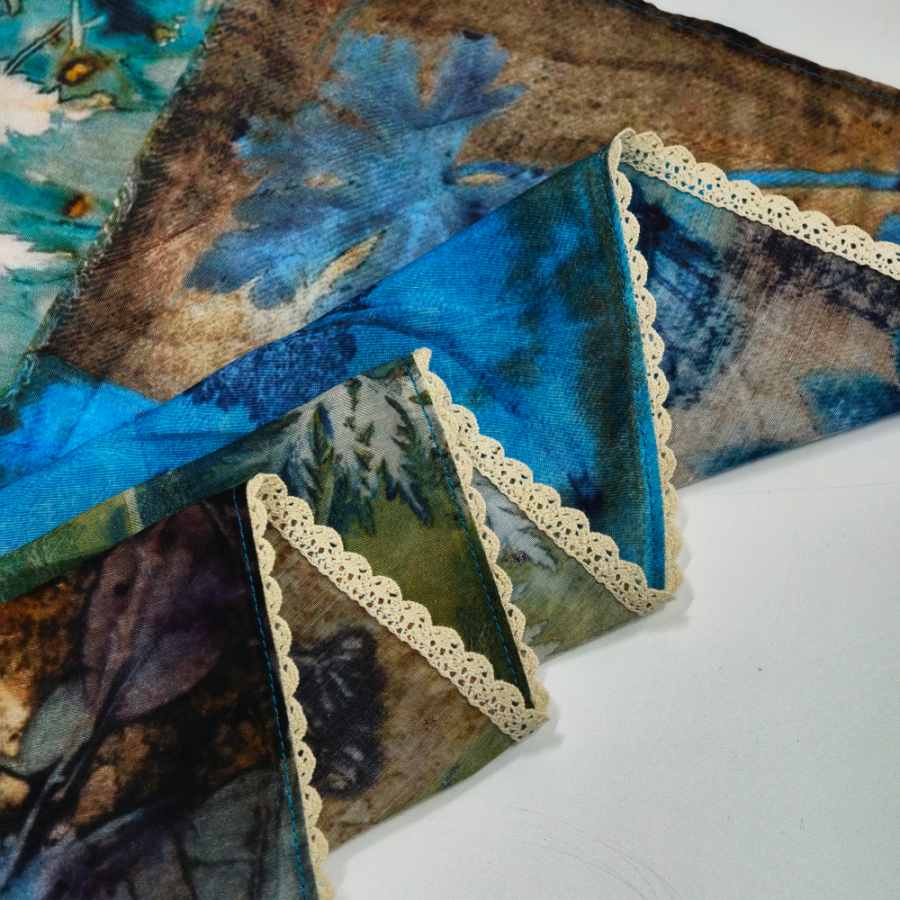
Lace Trim
A decorative option for apparel, scarves, robes, and delicate silk products.
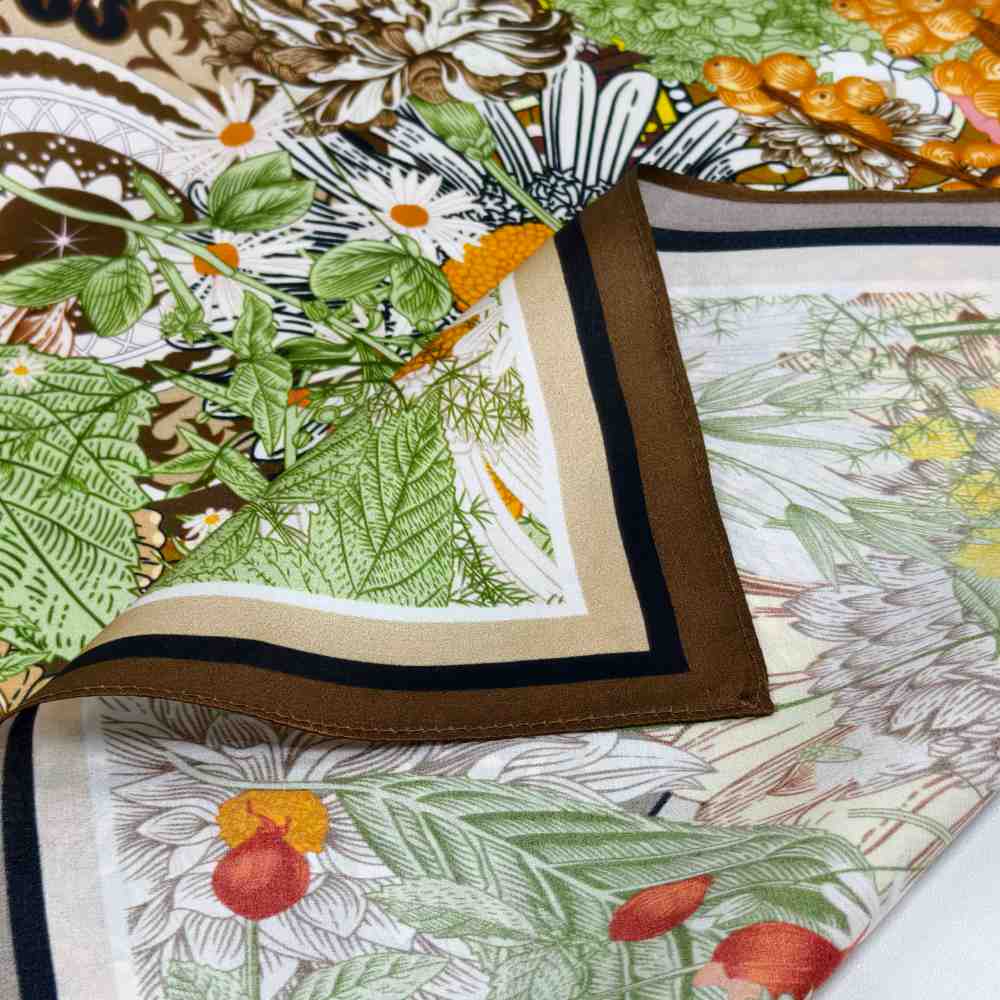
Single-Sided Printing
A practical option for many scarf, apparel, and accessory projects.
How to Choose the Right Option
Start from the product purpose and customer, then match fabric, color, craftsmanship, packaging, MOQ, and delivery schedule. A luxury scarf, a pillowcase, a silk dress, a scrunchie set, and a corporate gift will not use the same decision path.
FAQ
Which silk fabric is best for custom scarves?
Silk twill is often the safest premium choice for printed scarves because it balances structure, color depth, and hand feel. Satin, chiffon, silk-wool, and blends may be better for different styling, seasons, and price points.
Can DOCSUN help choose fabric before sampling?
Yes. DOCSUN can help compare fabric cards, color cards, craftsmanship cards, hand feel, weight, print result, and target price before sample development.
Do different fabrics change print color?
Yes. Twill, satin, chiffon, crepe, organza, brushed silk, and blends reflect light differently, so color should be confirmed on the selected fabric rather than only on a screen.
What craftsmanship options are available for scarves?
Common scarf options include machine rolled hems, hand rolled hems, overlock edges, lace trim, crochet lace edges, fringe, single-sided printing, double-sided printing, labels, and packaging.
Which products can use these fabric and craftsmanship options?
The selection applies to custom scarves, apparel, hair accessories, pillowcases, eye masks, robes, pajamas, dresses, blouses, and other silk or silk-blend products.
Build Your Fabric and Craftsmanship Plan
Send your product type, target market, fabric preference, artwork, color references, quantity, packaging needs, and delivery schedule. DOCSUN can recommend fabric cards, color cards, craftsmanship cards, samples, and production steps.
Contact DOCSUN