A Complete Guide to Custom Twill Silk Scarf Manufacturing for Luxury Brands
A custom twill silk scarf is not only a printed accessory. For luxury brands, it is a complete product system that connects silk fabric, artwork, double-sided printing, hand finishing, labels, packaging, quality control, and client communication.
Why Twill Silk Works for Luxury Scarves
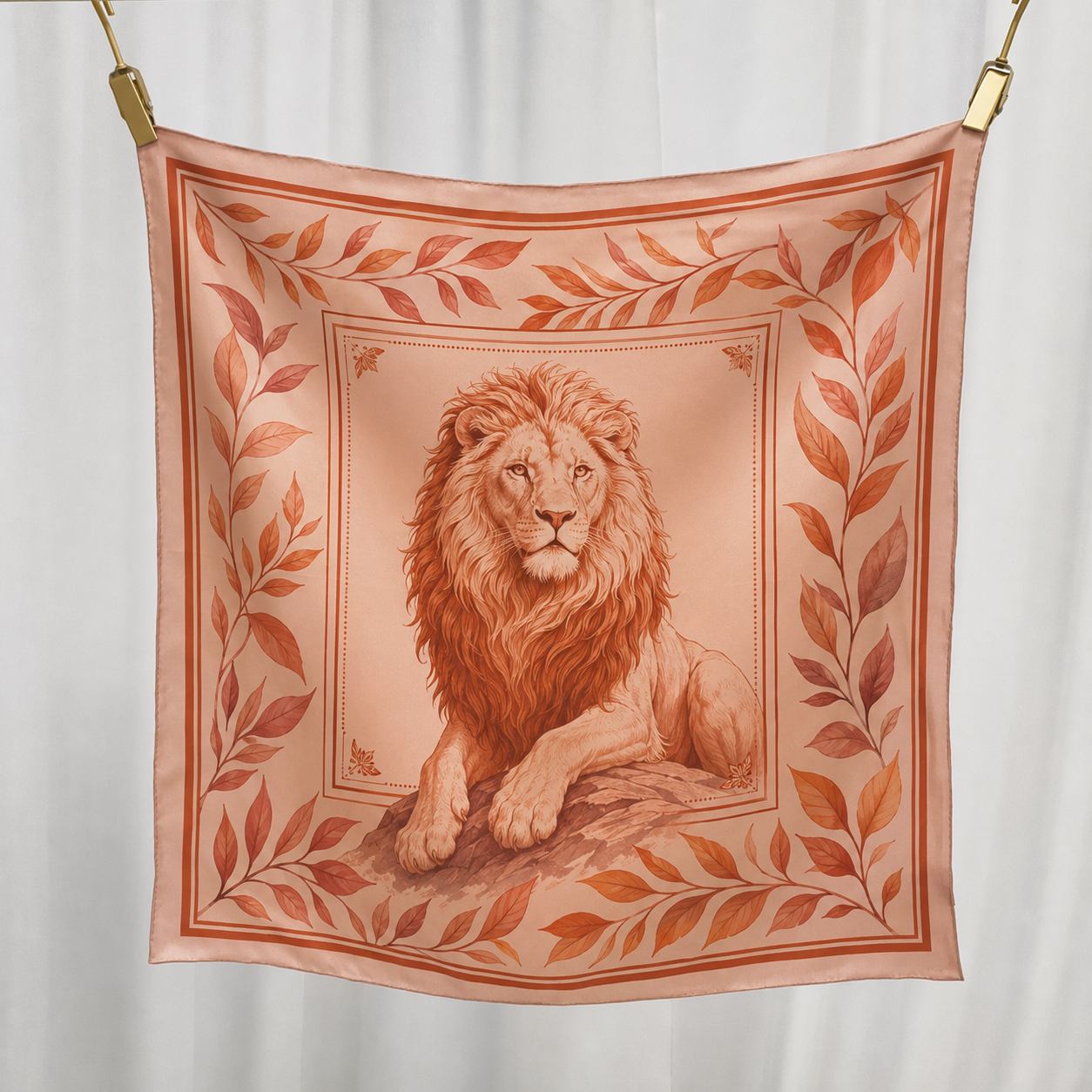
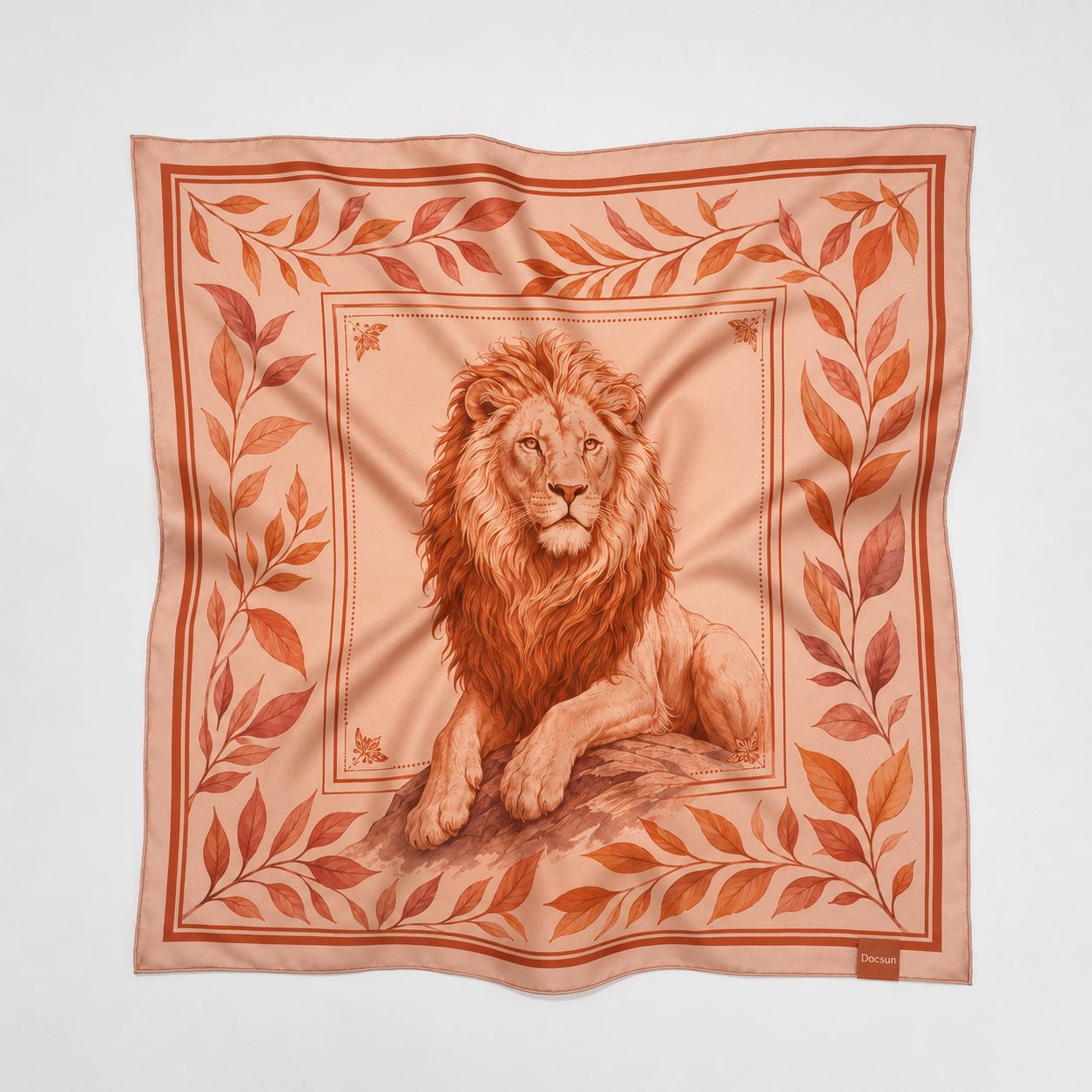
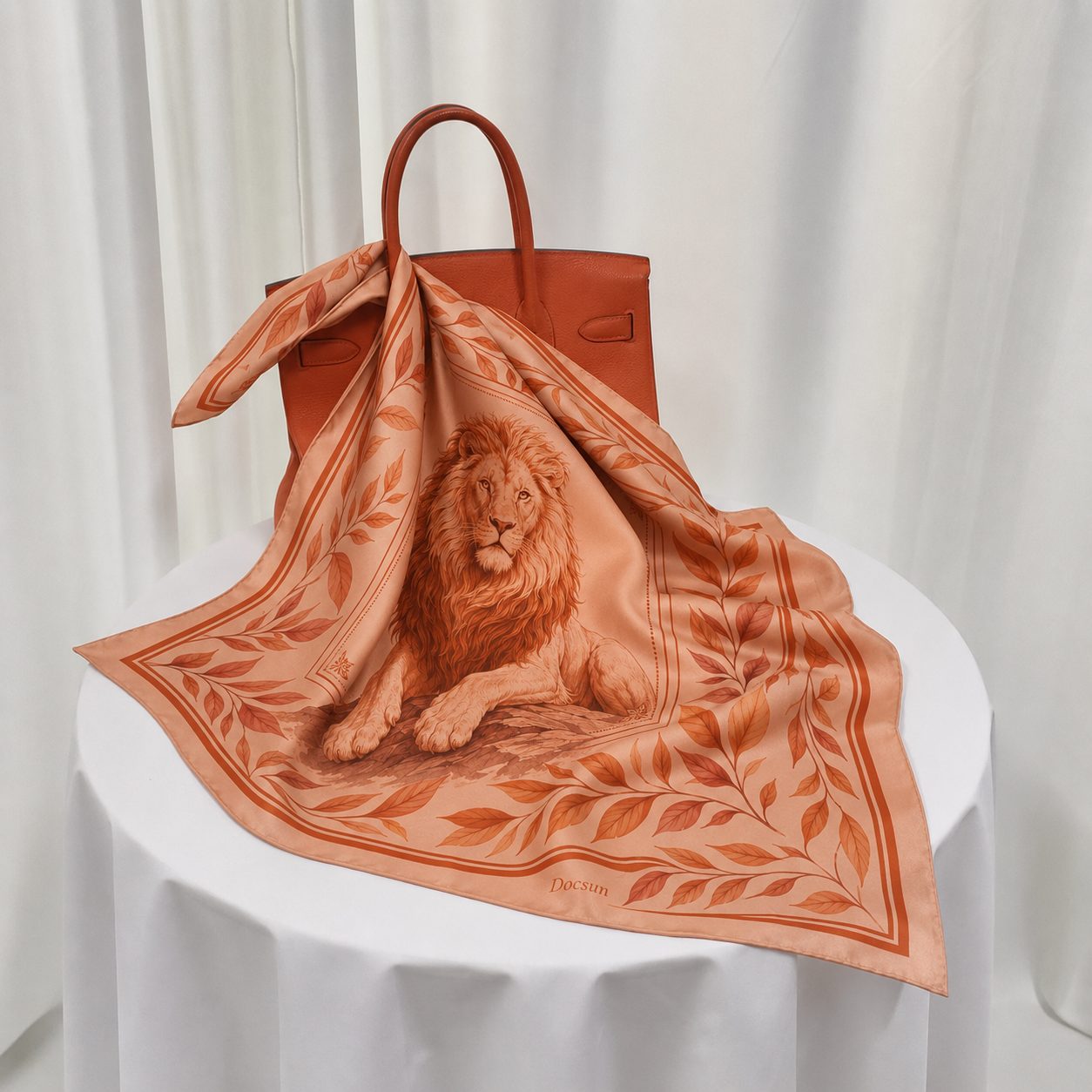
Twill silk is one of the most practical and refined choices for custom silk scarves. The diagonal weave gives the fabric a subtle texture, stable drape, and better shape retention when tied. This makes it useful for luxury scarves that must look good in flat product photography, folded presentation, neck styling, handbag styling, and retail display.
For brands, the benefit is not only visual. Twill silk supports a more substantial hand feel than many very light silk fabrics. It can carry detailed artwork, borders, monograms, and color stories while still feeling elegant on the skin. That balance is why many premium scarf programs begin with twill during fabric and craftsmanship selection.
Choosing Mulberry Silk and Twill Weave
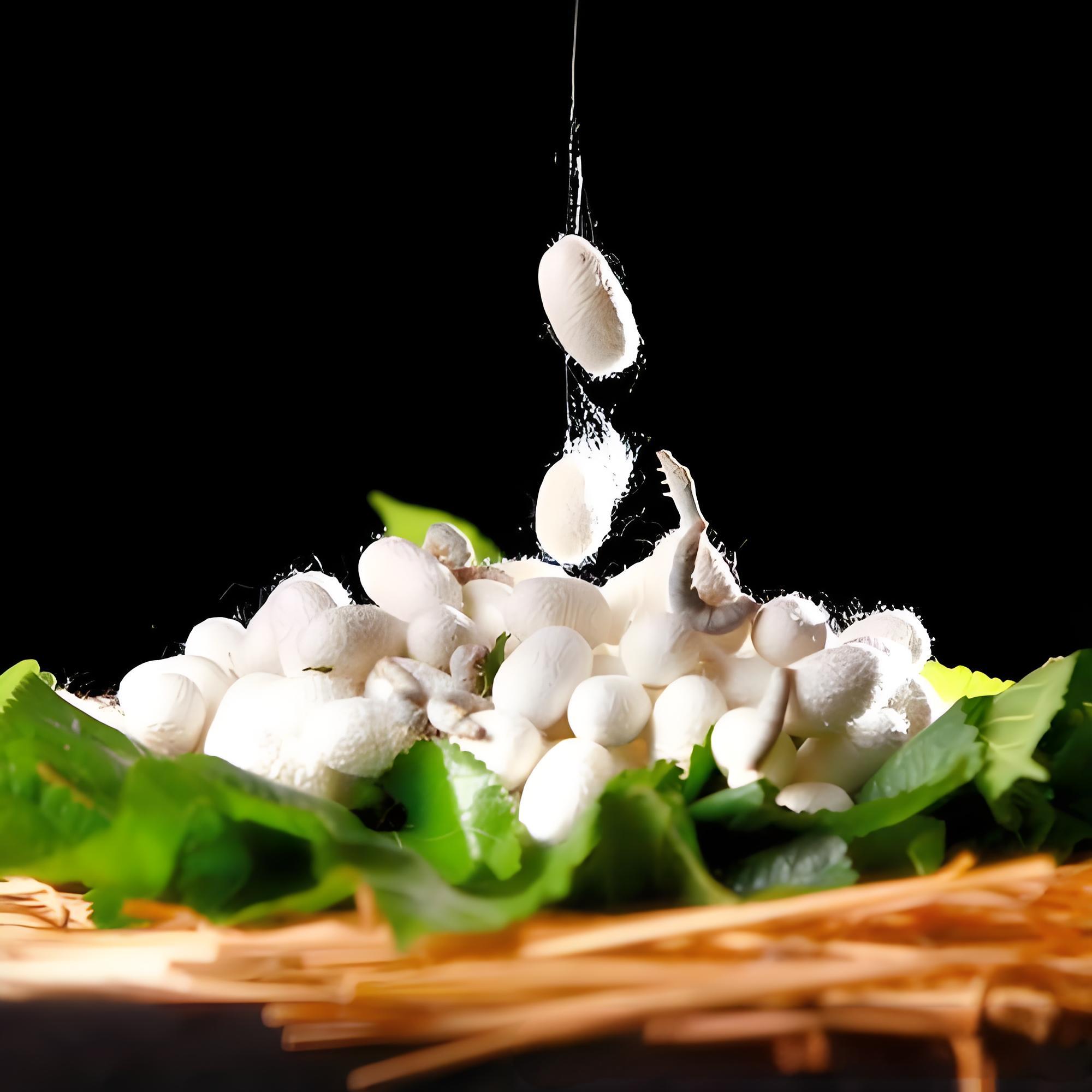
For a luxury scarf, the fabric should match the brand's positioning and target price. 100% mulberry silk is valued for its smooth hand feel, natural luster, breathability, and comfort. In a custom scarf program, the question is not simply whether the fabric is silk, but whether the fabric weight, weave, opacity, and finish match the artwork and final use.
A 65 x 65 cm twill silk scarf can work well as a compact neck scarf, gift item, or branded accessory. Larger formats such as 90 x 90 cm create more artwork space and stronger luxury presence. If the scarf will use bold colors, dark grounds, or double-sided artwork, the fabric should be reviewed through sampling before bulk production.
Double-Sided Printing and Artwork Planning
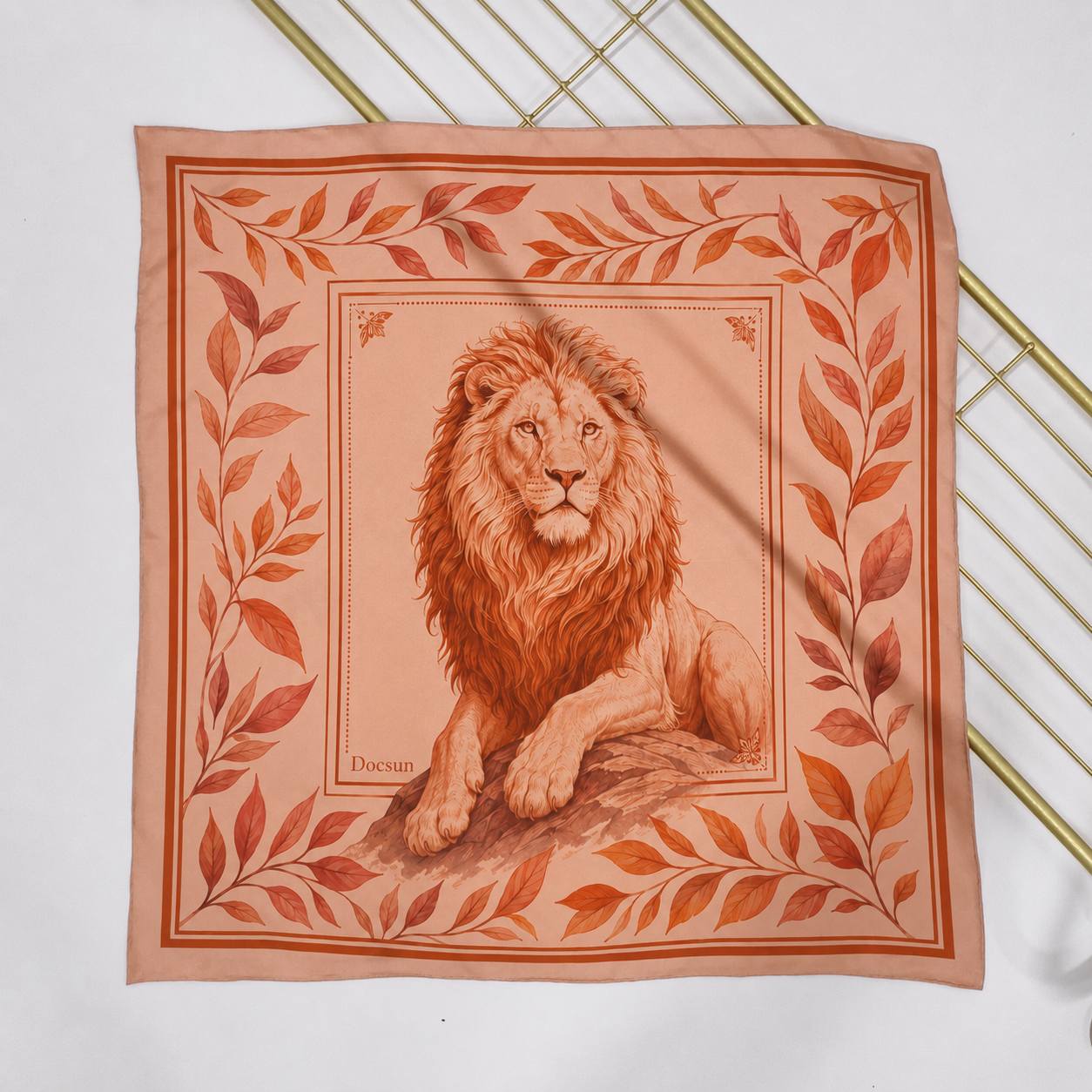
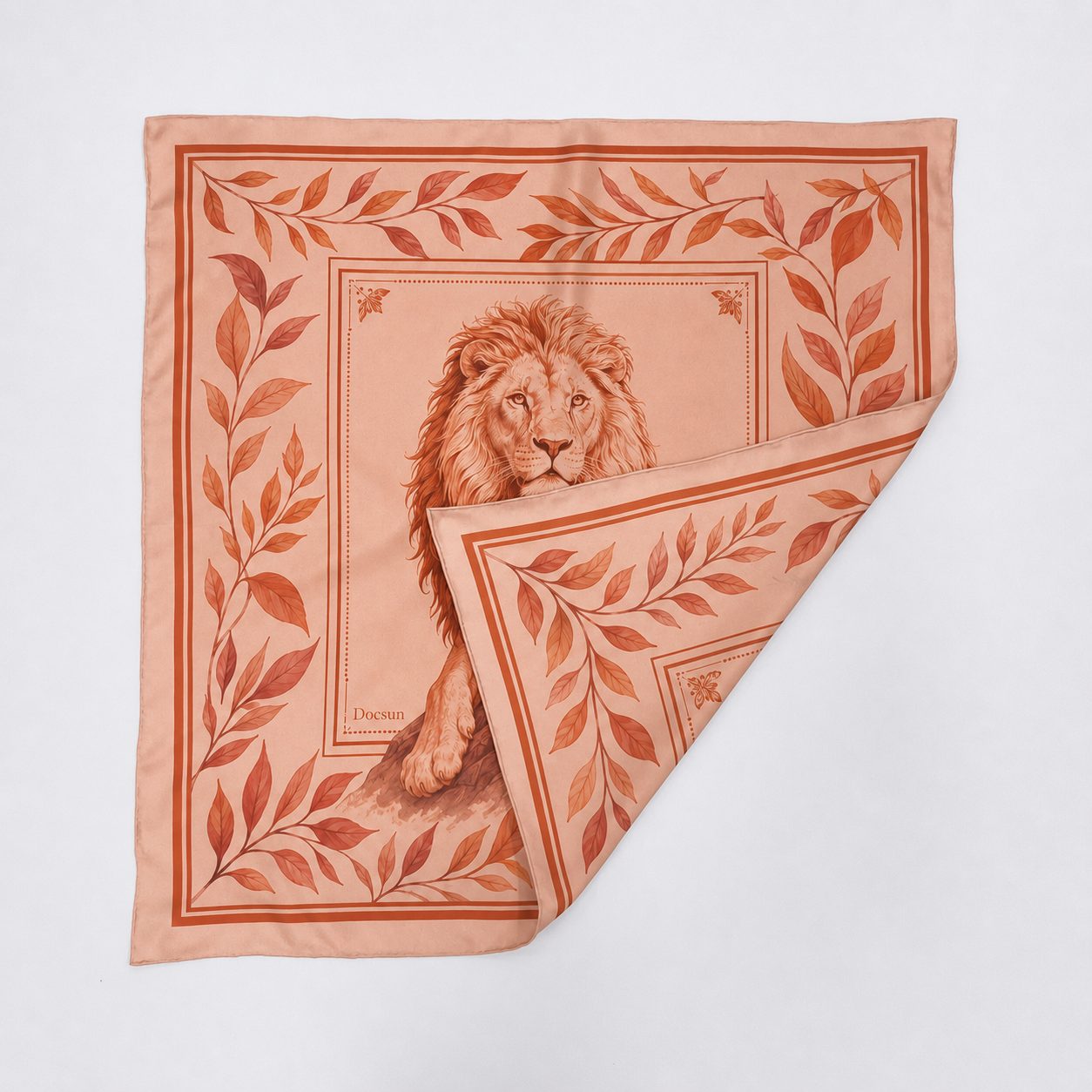
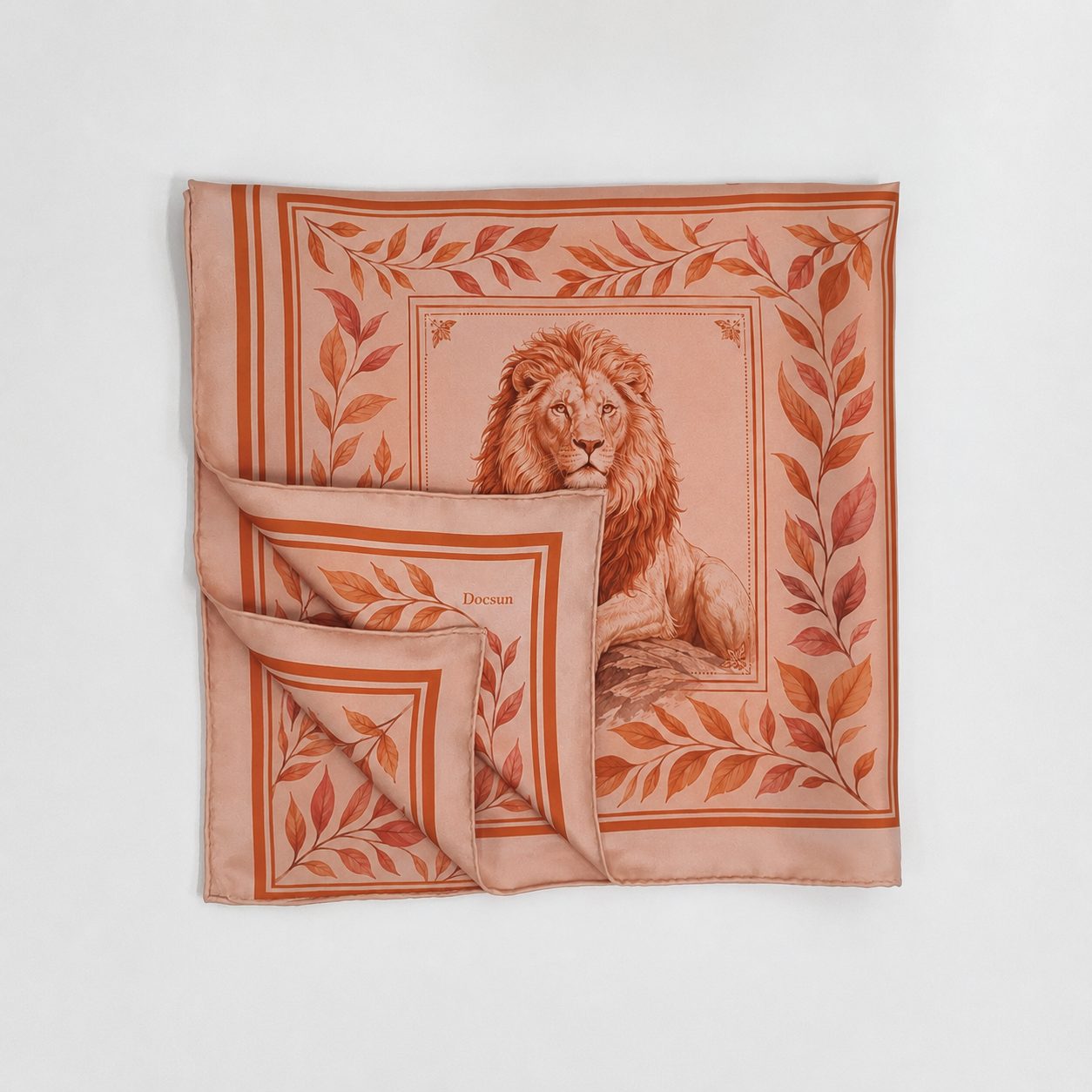
Double-sided printing is valuable when both sides of the scarf may be visible during styling. It helps avoid the flat or pale reverse side that can appear in single-sided printing. For luxury scarves, this can improve the customer's experience when the scarf is folded, tied, draped, or photographed.
However, double-sided printing requires careful artwork planning. The design team should confirm front and back alignment, color saturation, border position, logo placement, fabric behavior, and acceptable tolerance. The best result comes from a clear sample review rather than guessing from a digital mockup. See our custom printing process for how print methods, color references, and sampling affect the final product.
| Production decision | Why it matters | What to confirm |
|---|---|---|
| Single-sided or double-sided print | Controls reverse-side appearance and styling value. | Artwork visibility, color effect, and fabric suitability. |
| Border and corner layout | Scarves are often folded, so corners and borders remain visible. | Hemming margin, logo placement, and folded appearance. |
| Color standard | Luxury buyers expect repeatable color across sampling and bulk. | Pantone references, sample approval, and tolerance range. |
| Fabric weight | Affects opacity, drape, color depth, and reverse-side control. | Fabric card, sample scarf, and final brand positioning. |

Hand-Rolled Edges, Hemming, and Finishing Quality
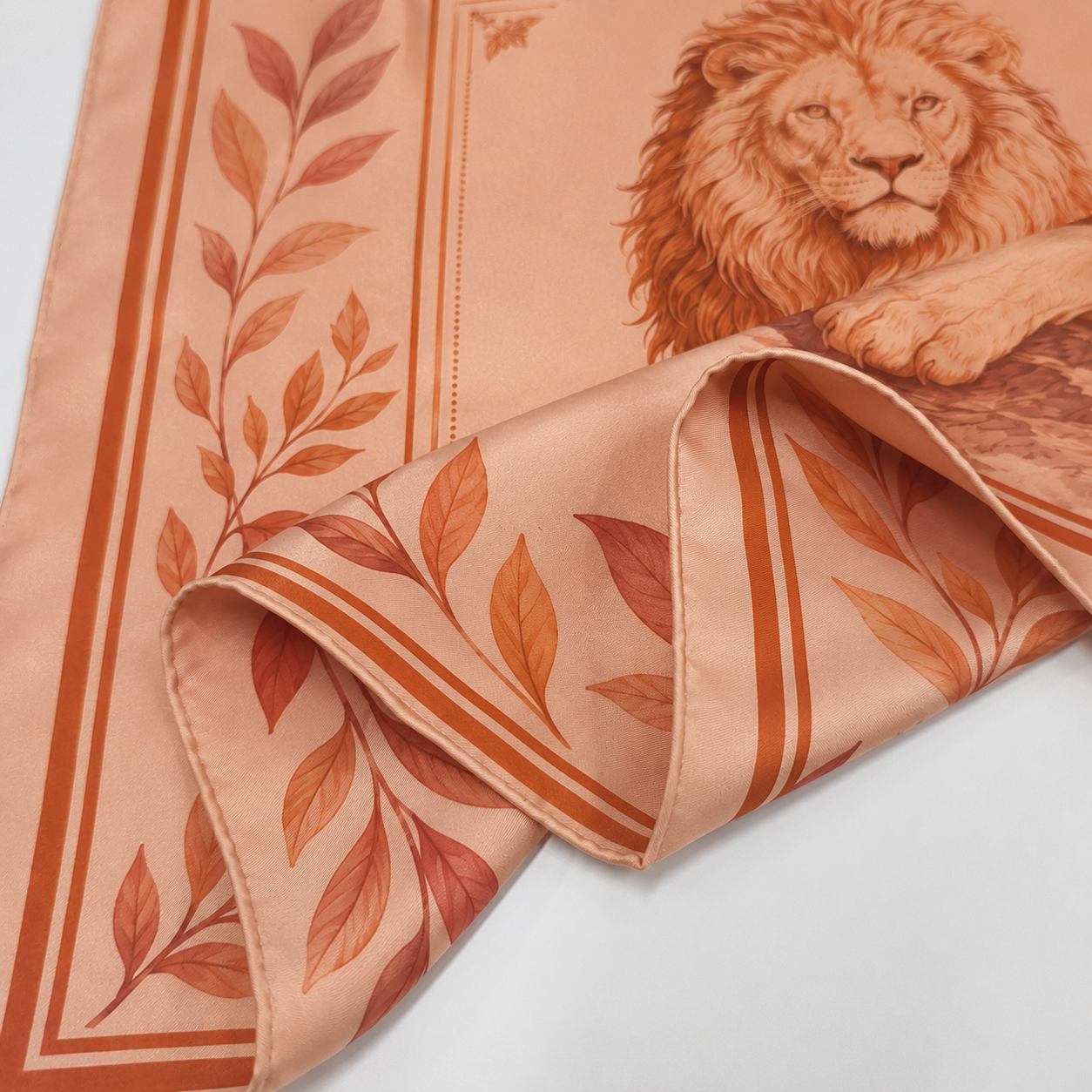
Edge finishing is one of the most visible signs of scarf quality. Hand-rolled edges create a soft, rounded, artisanal edge and are often chosen for premium silk scarves. Machine hemming can be more consistent, efficient, and scalable for larger orders. The right choice depends on brand positioning, target price, order volume, and launch timeline.
For a luxury custom twill silk scarf, the edge should be planned together with the artwork. Borders need enough allowance for hemming, and the design should still look balanced after the edge is finished. This is especially important for scarves with frames, geometric borders, or signature corner details.
Custom Labels, Care Labels, and Brand Details
Labels are small, but they affect brand recognition and retail trust. A custom scarf can include a woven brand label, care label, paper hangtag, sticker, barcode label, or hand-sewn label. For luxury projects, label size, position, thread color, and sewing method should be confirmed during sampling.
Brand details should never feel like an afterthought. A scarf may have beautiful silk and print quality, but weak labels or inconsistent packaging can reduce perceived value. If the product is sold through boutiques, museums, hotels, or gift programs, the label and packaging should match the story of the scarf.
Packaging, QC, and Production Workflow
Packaging turns a scarf from a textile product into a finished brand experience. A transparent bag may be enough for basic wholesale handling, while a paper box, drawer box, envelope box, pouch, ribbon, care card, or custom printed sleeve can make the product suitable for luxury retail and gifting. Explore custom packaging early if the scarf is part of a gift collection.
Quality control should include fabric inspection, print clarity, color consistency, size tolerance, hemming quality, label position, stain checks, loose thread checks, packaging checks, and carton labeling. For bulk orders, brands should define acceptable standards before production begins.
Frequently Asked Questions
What makes twill silk scarves suitable for luxury brand customization?
Twill silk scarves have refined texture, stable drape, good knot behavior, and strong print presentation. They work well for square scarves, gift collections, designer accessories, and premium retail programs.
Can a custom twill silk scarf use double-sided printing?
Yes. Double-sided printing can be used when the scarf needs a premium appearance from both sides. Fabric weight, artwork position, color tolerance, and sampling should be confirmed before bulk production.
Are hand-rolled edges necessary for luxury silk scarves?
They are not always required, but they are recommended for premium scarves because they add artisanal value. Machine hemming is also suitable when consistency, scale, and cost control are priorities.
What should brands prepare before sampling custom silk scarves?
Prepare artwork files, size requirements, fabric preference, target price, color references, label requirements, packaging direction, order quantity, and launch timing.
Can DOCSUN support labels, packaging, QC, and bulk production?
Yes. DOCSUN can support custom silk scarf projects with fabric selection, artwork checking, printing, edge finishing, woven labels, care labels, packaging, quality control, sampling, and bulk production.
Plan a Custom Twill Silk Scarf for Your Brand
Send us your artwork, scarf size, fabric preference, edge finish, label requirement, packaging idea, order quantity, and launch timing. DOCSUN can help turn your scarf concept into a sample-ready manufacturing plan.
Contact DOCSUNFabric cards, color cards, and craftsmanship references are available through our Australia, U.S., and U.K. office support when needed.