
Why the 132x132cm Format Works for Premium Scarves
A 132x132cm scarf has a different commercial role from a small neck scarf. It can be worn as a shawl, folded around the neck, styled as a travel wrap, layered over knitwear, used as a headscarf, or presented as a statement accessory for colder seasons.
The larger square also gives designers more room for floral artwork, border systems, corner details, and two-sided color stories. When the product is intended for boutiques, corporate gifts, holiday programs, resort travel, or premium retail, this scale feels substantial enough to justify refined packaging and a higher perceived value.
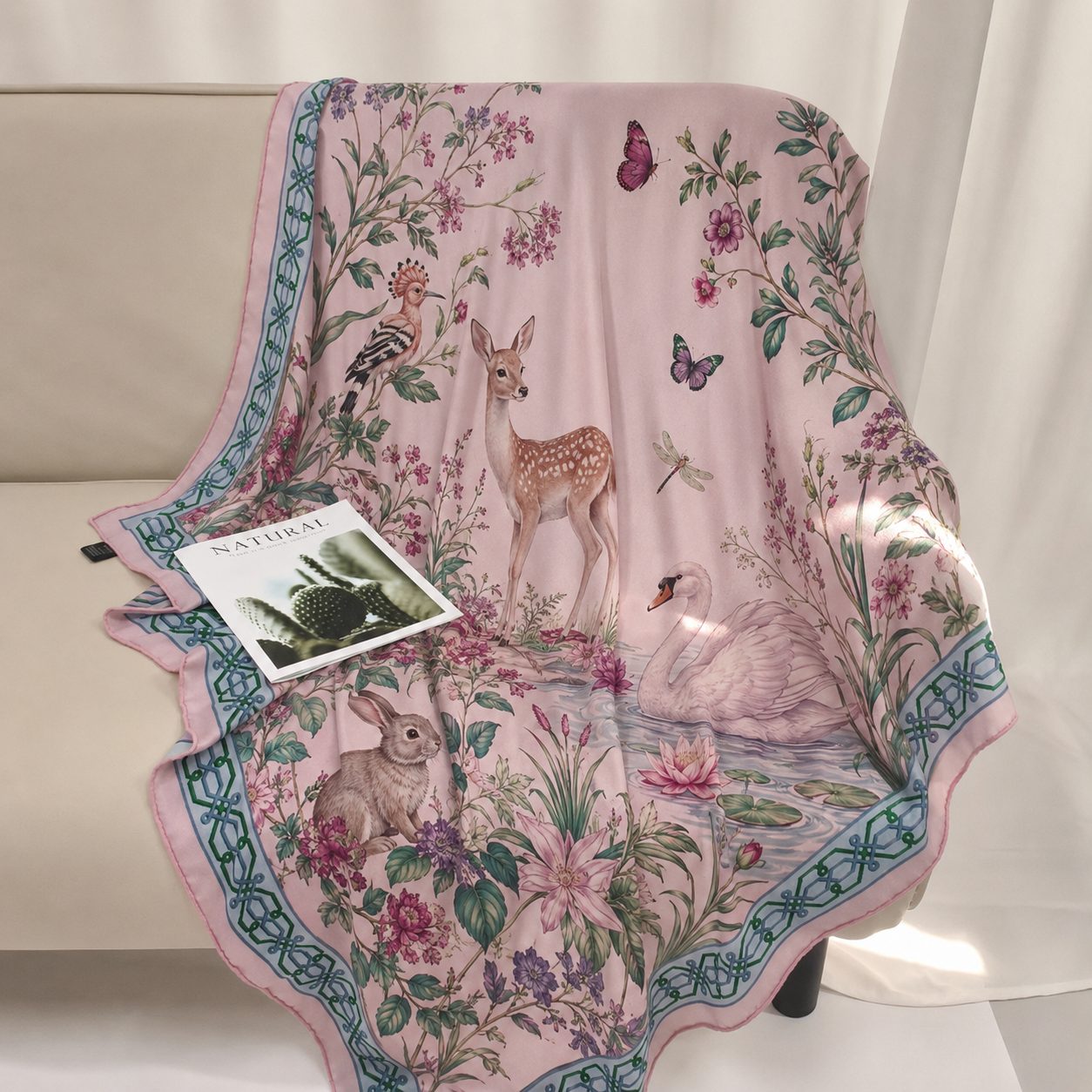
Choose 60% Wool and 40% Silk for Warmth and Refinement
The original scarf used a 60% wool and 40% silk blend. Wool contributes warmth, resilience, and a soft insulating hand feel, while silk adds smoothness, gentle luster, drape, and a more elevated surface. This makes the fabric useful for autumn, winter, spring, travel, air-conditioned offices, and cool evenings.
For sourcing, do not treat silk-wool as one fixed material. The exact result depends on fiber ratio, yarn, weave, fabric weight, brushing, washing, and finishing. Before confirming bulk production, compare hand feel, drape, skin comfort, wrinkle recovery, print clarity, and color behavior through fabric, colors, and craftsmanship review.
Plan Double-Sided Printing Before Artwork Approval
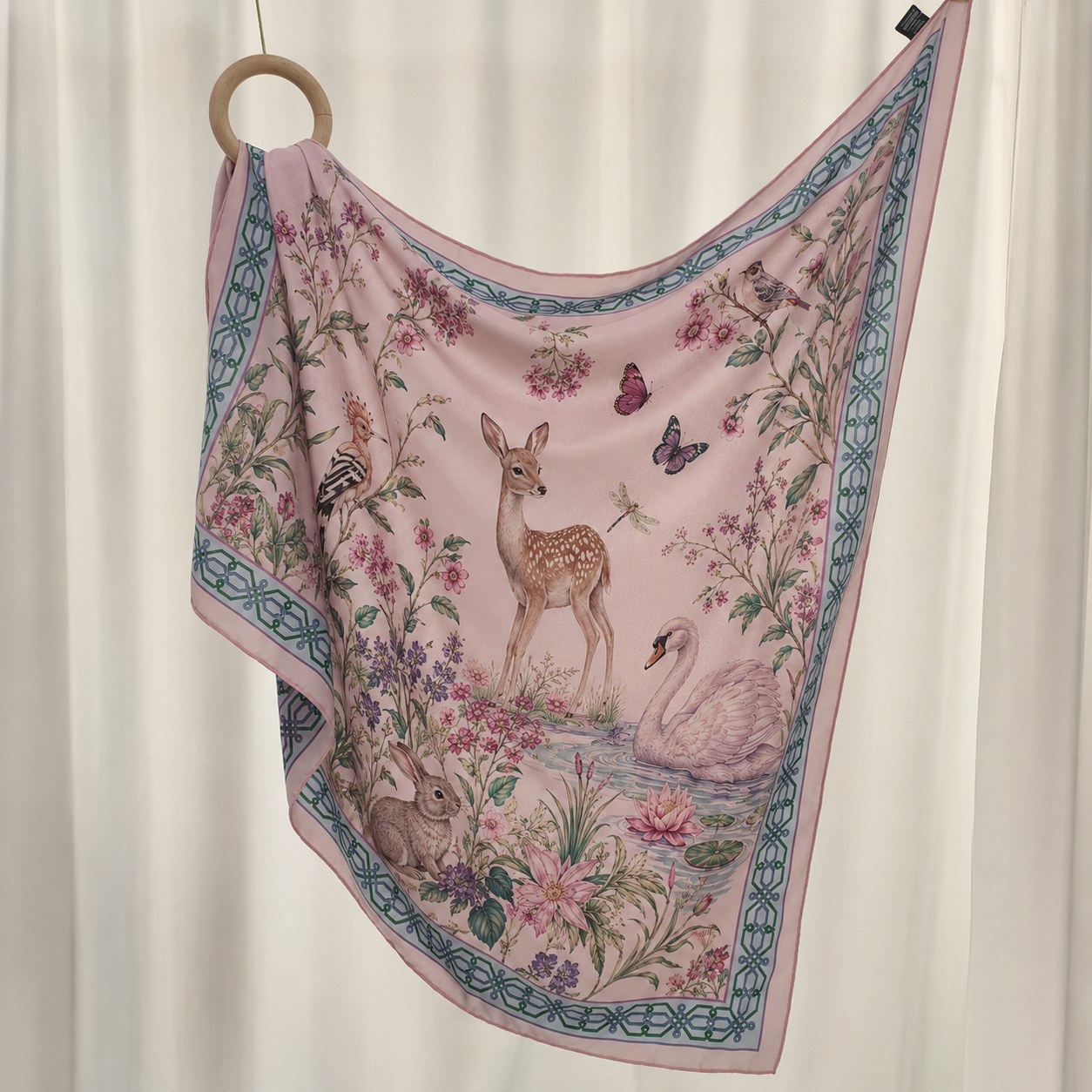
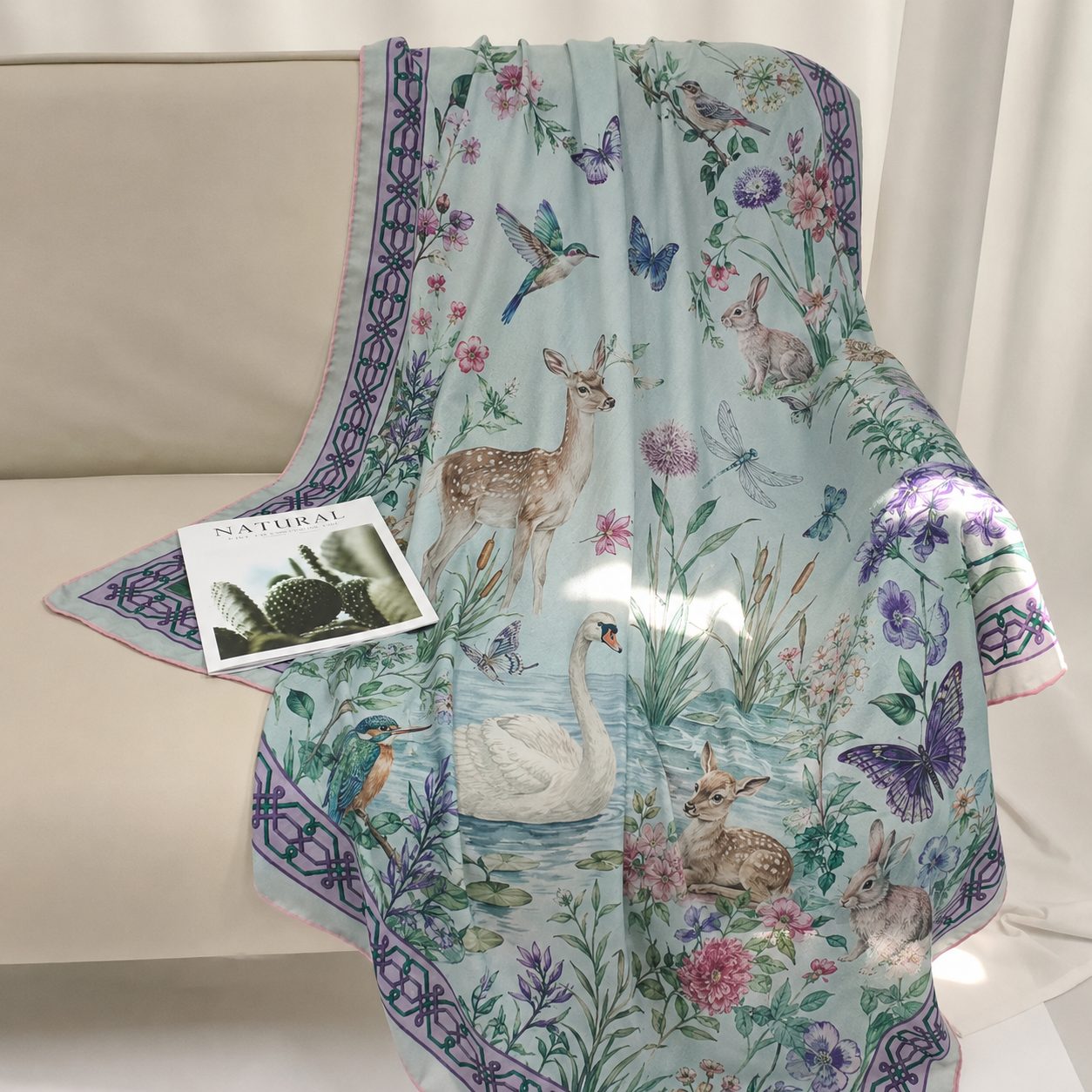
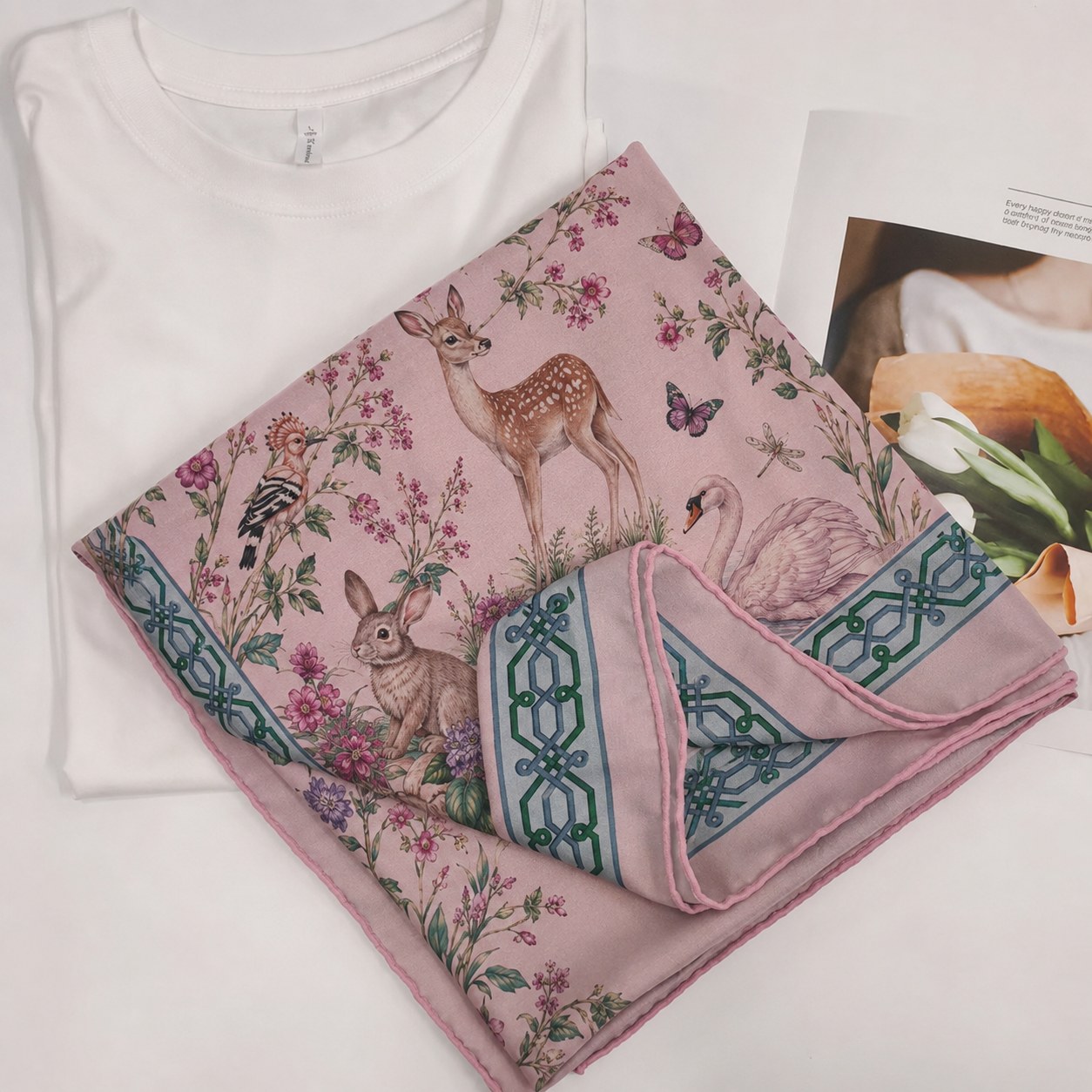
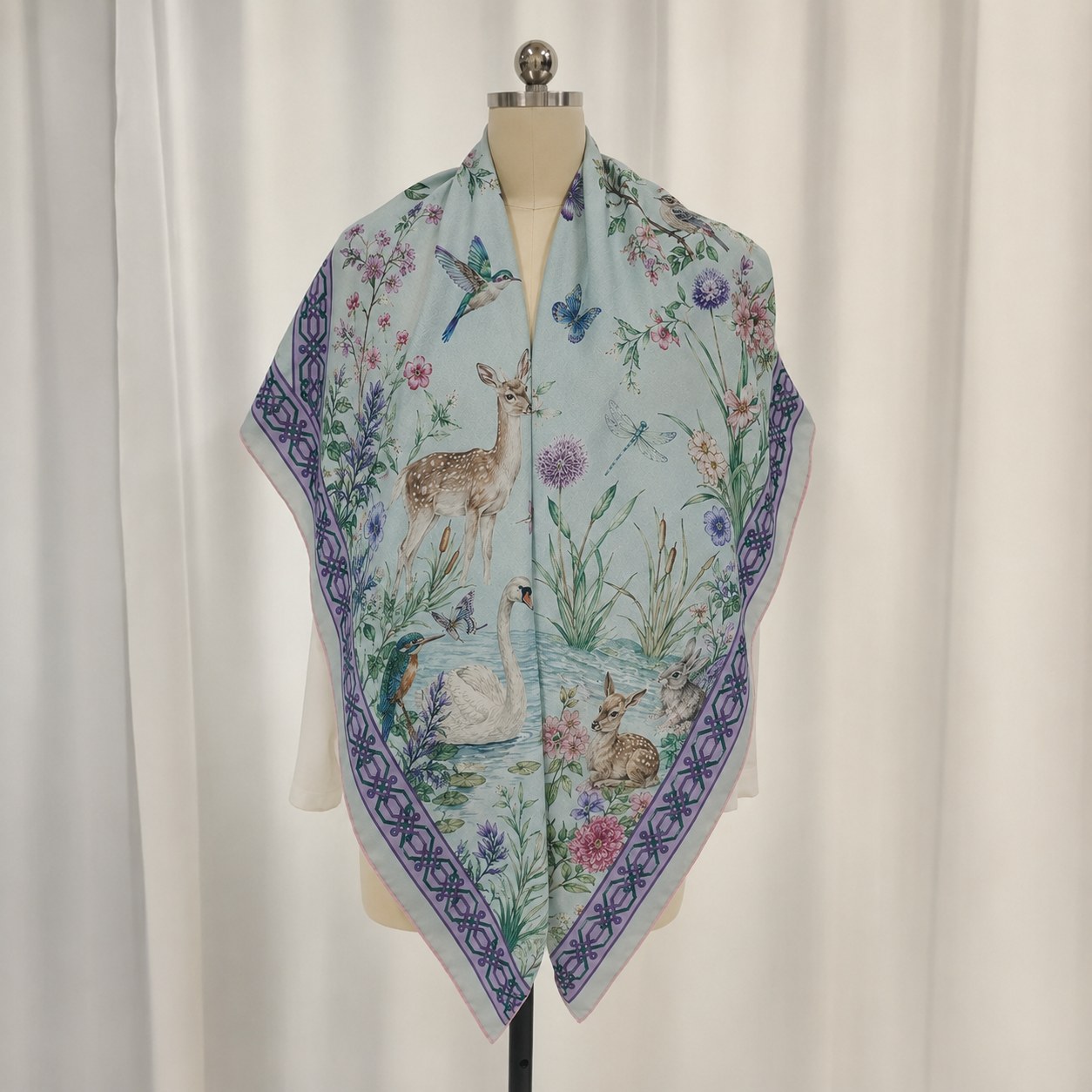
The original project used double-sided printing with a soft pink side and a calmer blue side, allowing the wearer to change the mood of the scarf depending on outfit and occasion. This is a strong direction for gift products because the scarf feels like two styling options in one product.
Double-sided scarves need more careful planning than single-sided scarves. Buyers should check print penetration, color contrast, pattern alignment, reverse-side appearance, and how the scarf looks when folded. If the two sides use different colorways, the supplier must control color bleeding and visual interference. For artwork and sampling, connect the project with custom printing rather than approving only a digital mockup.
Design for Real Styling, Not Only Flat Product Photos
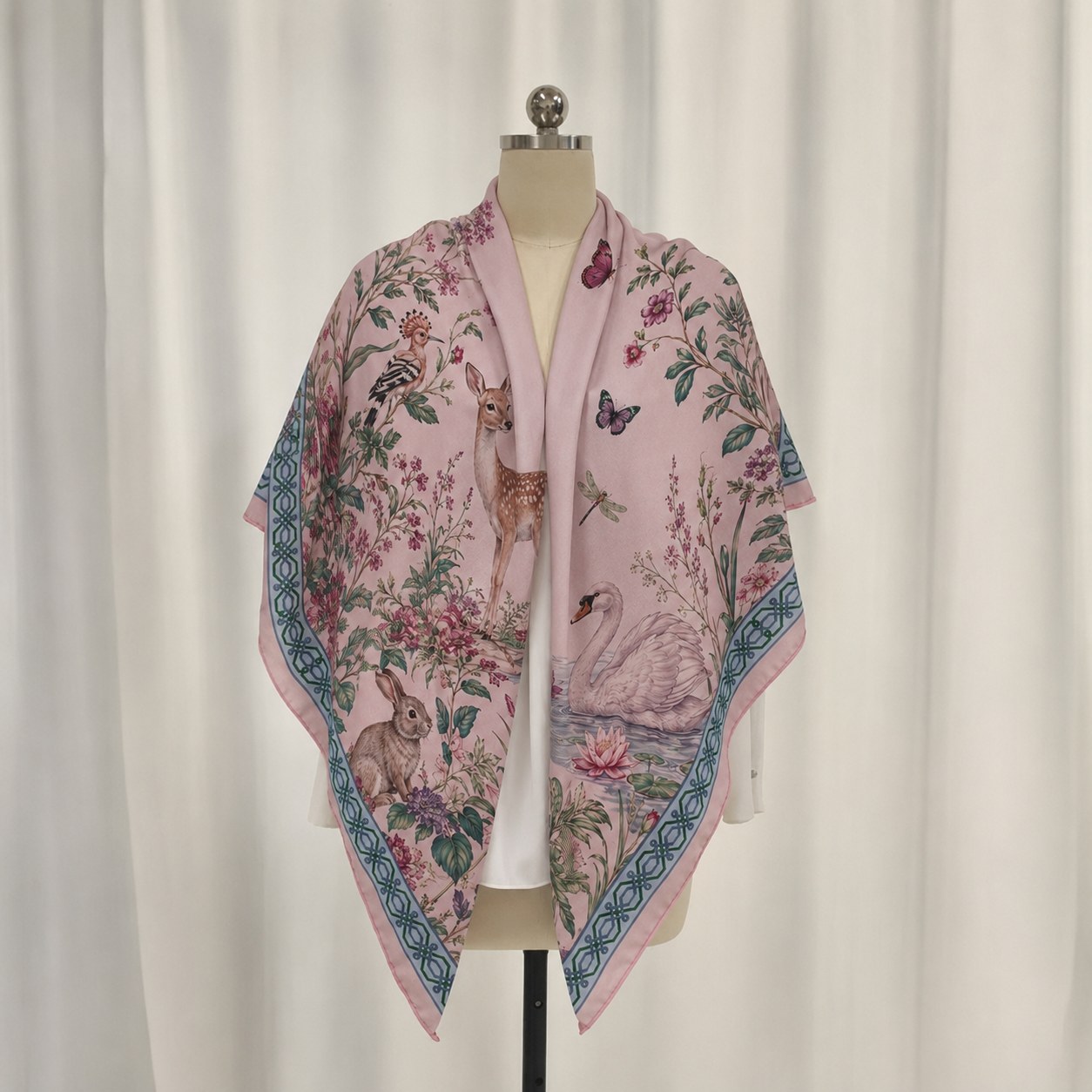
Large silk-wool scarves should be checked in multiple states: flat, folded into a triangle, wrapped around the neck, draped over the shoulders, used as a headscarf, and packed into the final box. A pattern that looks impressive flat may lose its border or focal motif when worn.
For a floral scarf, the border, corners, and background color are especially important. The pink side can support romantic, feminine, and gift-oriented styling; the blue side can feel calmer and more professional. A useful custom sample should show both color moods, not only one hero image.
Use Hand-Rolled Edges for a Higher-End Finish
The original page emphasized hand-rolled edging. For premium scarves, hand-rolled edges can create a softer, more artisanal appearance than a basic machine hem. They also communicate craftsmanship when customers inspect the scarf closely.
The decision should still match fabric weight and order positioning. For a 132x132cm silk-wool blend scarf, confirm edge thickness, stitch consistency, corner neatness, label placement, and whether the finish feels comfortable against the neck. If the project is gift-oriented or boutique-level, hand-rolled edges are usually worth considering.
Match the Scarf to Office, Travel, Gift, and Retail Scenarios
A large silk-wool scarf is practical for office commuting because it can soften a suit, coat, trench, or simple dress while helping with air-conditioning or cooler weather. For travel, it can work as a shawl on flights, a light wrap, or a styling piece that changes the look of the same outfit.
For gifting, the product works for holiday gifts, corporate gifts, Mother's Day, Valentine's Day, VIP programs, and boutique customer rewards. If budget or quantity is a concern, brands can plan a tiered accessory strategy: a large 132x132cm scarf for premium gifts, and smaller silk scarves or twillies as lower-cost options within the same print family.
Packaging and Customer Relationship Value
A 132x132cm scarf needs packaging that respects its size and fabric. A box that is too small can create hard creases, while a weak presentation can make a premium scarf feel ordinary. Options include rigid boxes, sleeves, tissue paper, care cards, brand story cards, ribbons, woven labels, and thank-you inserts.
Because the original project received positive feedback from fashion users, gift buyers, and individual customers, the lesson is clear: packaging is part of the customer relationship. A beautiful scarf plus a thoughtful unboxing experience can increase repeat orders, referrals, and brand loyalty. Review custom packaging early, not at the end of production.
Development Checklist for Buyers
Before production, confirm target customer, scarf size, fabric composition, fabric weight, print method, color standards, front and back design, hand feel, edge finish, care label, brand label, packaging, sample approval method, inspection points, and delivery schedule.
For a brand project, keep one sample for flat inspection, one for styling photos, and one for packaging review if possible. When the scarf is designed as a premium gift, the sample should be judged as a full product experience: fabric, color, finish, label, box, care card, and final presentation together.
Where This Guide Should Link in the Site Structure
This article should remain a guide on the old case URL, while its strongest material can support future landing pages. The fabric and size discussion can support Custom Silk Wool Scarf; the broader scarf development logic can support Custom Scarves; and the print and packaging details can support the printing and packaging service pages.
Keep the internal links focused. This page does not need to link to every scarf product. It should guide the reader toward the most relevant next decision: fabric selection, custom printing, packaging, and contacting DOCSUN for a project brief.
FAQ
What is a 132x132cm silk-wool blend scarf?
It is a large square scarf made from a silk and wool blend. The size gives enough surface area for shawl styling, travel use, winter layering, and premium gift presentation.
Why use 60% wool and 40% silk for a scarf?
Wool adds warmth and resilience, while silk adds smoothness, drape, and refined shine. The blend can feel warmer than pure silk but lighter and more elegant than a heavy wool scarf.
Is double-sided printing suitable for silk-wool scarves?
Yes, but the sample must be checked carefully for color penetration, reverse-side appearance, pattern clarity, and whether the two sides interfere with each other visually.
Are hand-rolled edges necessary for premium scarves?
They are not mandatory, but they can improve the perceived value of a premium scarf, especially for gift collections, boutique products, and luxury accessory programs.
What packaging works for a 132x132cm scarf?
A structured gift box, sleeve, tissue paper, care card, brand story card, ribbon, and custom label can all help protect the scarf and improve the unboxing experience.
What should buyers confirm before bulk production?
Confirm fabric composition, hand feel, color standard, double-sided print sample, edge finish, label placement, packaging method, inspection requirements, and delivery schedule.
Plan Your Custom Project with DOCSUN
Send your target market, product idea, artwork direction, fabric preference, quantity, packaging requirement, and delivery schedule. DOCSUN can help you turn the concept into a practical sample and production plan.
Contact UsFabric cards, color cards, and craftsmanship references are available in our Australia, United States, and United Kingdom offices on request.