
Why This Case URL Should Become a Guide
This page comes from a case URL, but it is better published as a guide because the product information is more valuable than a narrow customer story. A white silk twilly involves decisions that many brand buyers need to understand: white fabric cleanliness, custom dimensions, double-layer construction, stitching, labels, packaging, and sample approval.
The page can support the main custom silk scarf service page and the broader custom scarves category, while still keeping the original URL for migration. The buyer intent is specific enough to deserve its own guide rather than being folded into a general scarf article.
Use Cases for Silk Twillies and Ribbon Scarves
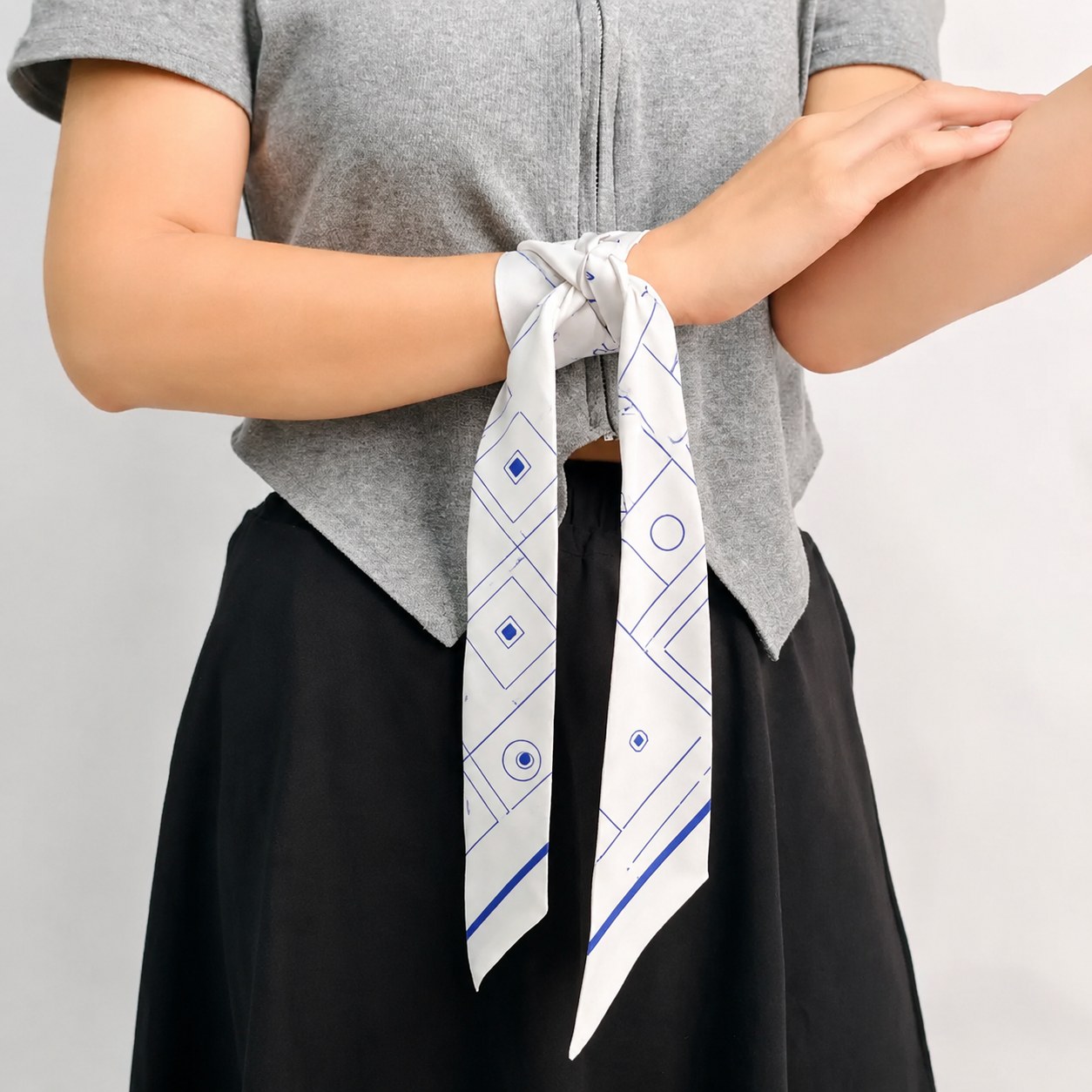
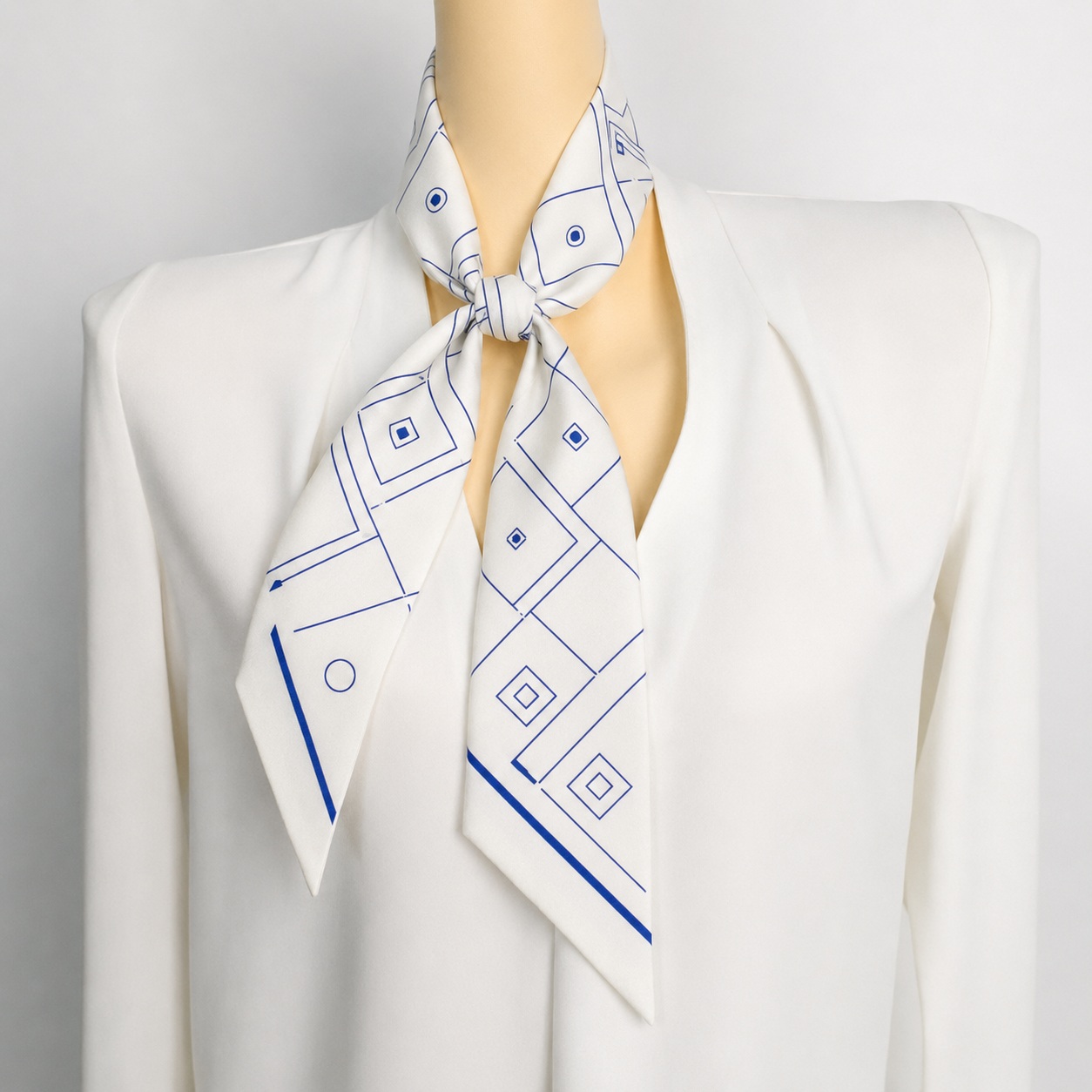
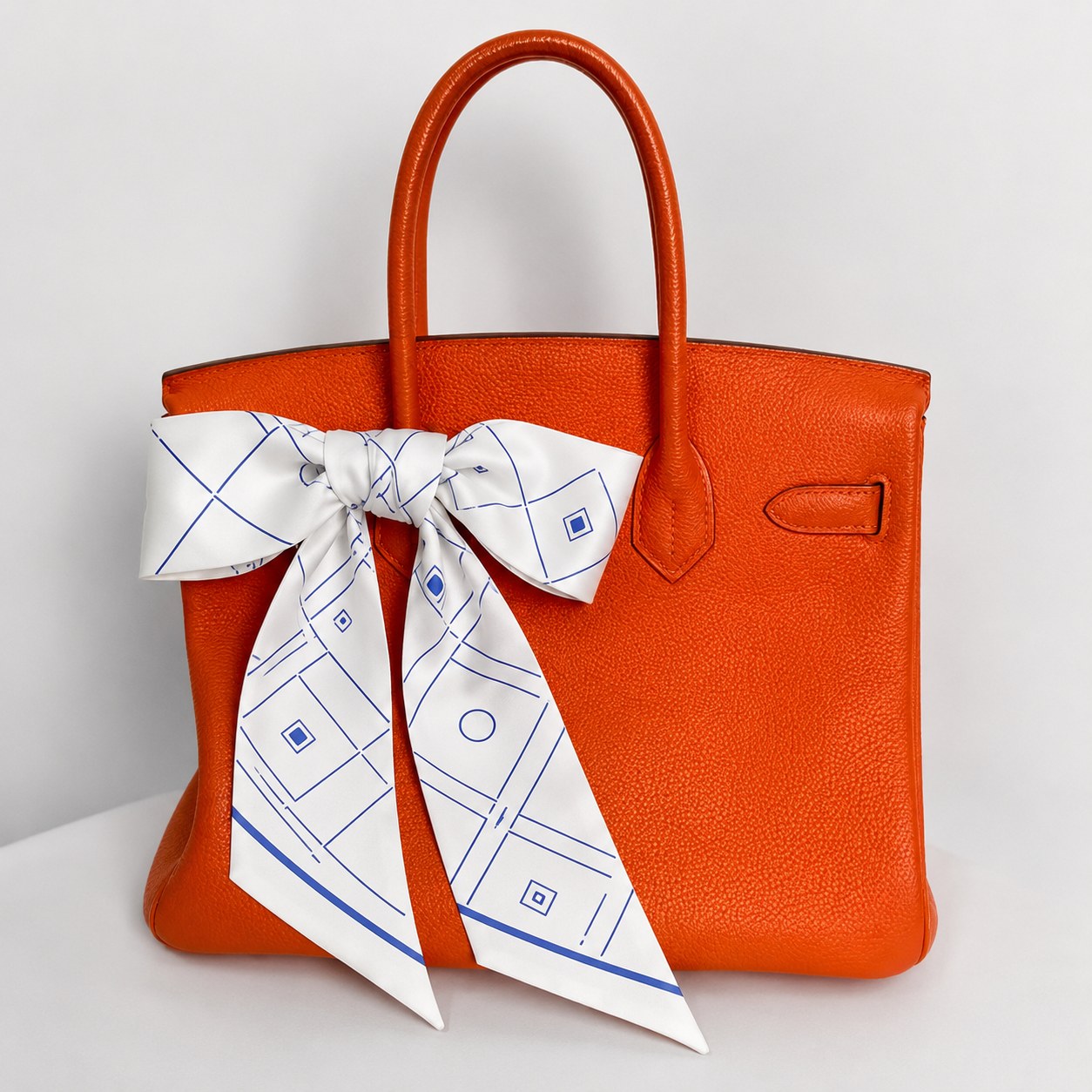
A custom white mulberry silk twilly may also be searched as a silk ribbon scarf, silk tie scarf, bag scarf, handbag ribbon, hair scarf, skinny silk scarf, or narrow silk scarf. These terms describe similar product needs: a slim accessory that can be tied, wrapped, folded, or packed as a small branded item.
Brand buyers can use twillies for handbag handles, neck styling, hair styling, wrist wrapping, uniform accents, boutique gifts, event gifts, cosmetics gift sets, hotel or airline uniform details, and private-label accessories. White works especially well when the buyer wants a clean, refined, and versatile base, but it also makes production control more demanding.
White Silk Quality, Cleanliness, and Color Control
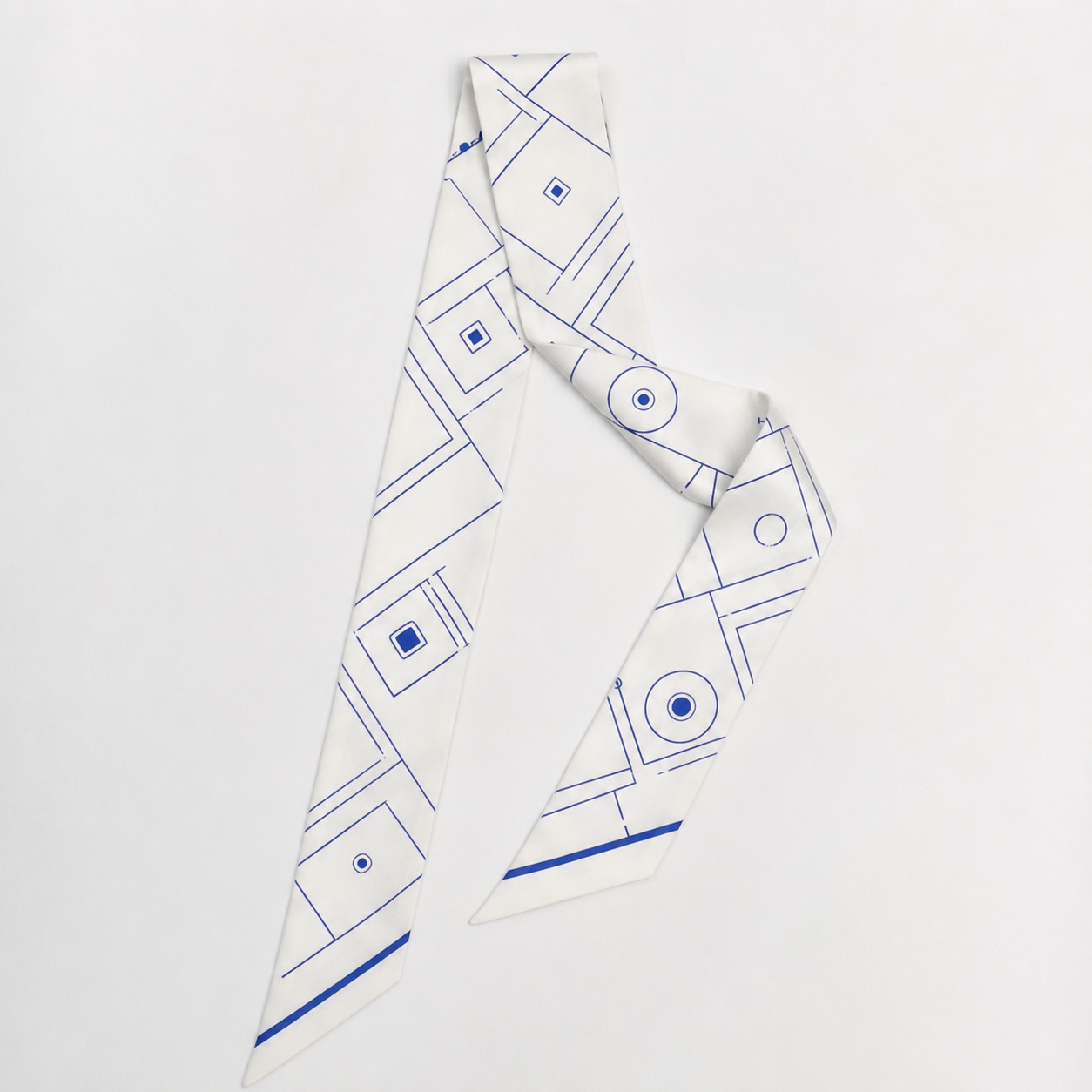
White silk needs stricter handling than darker printed scarves. Small stains, dust, oil marks, uneven shade, yellow undertones, and handling creases are easier to see. Buyers should approve the white shade standard before production, especially if the twilly will be paired with packaging, clothing, handbags, or other white accessories.
Packaging protection is also part of color control. White silk should be kept clean during sewing, pressing, folding, and packing. Tissue wrap, individual bags, careful carton lining, and clean work surfaces can reduce the risk of marks. For repeat orders, buyers should also pay attention to batch shade consistency so new production does not look different from previous stock.
Double-Layer Structure and Stitching
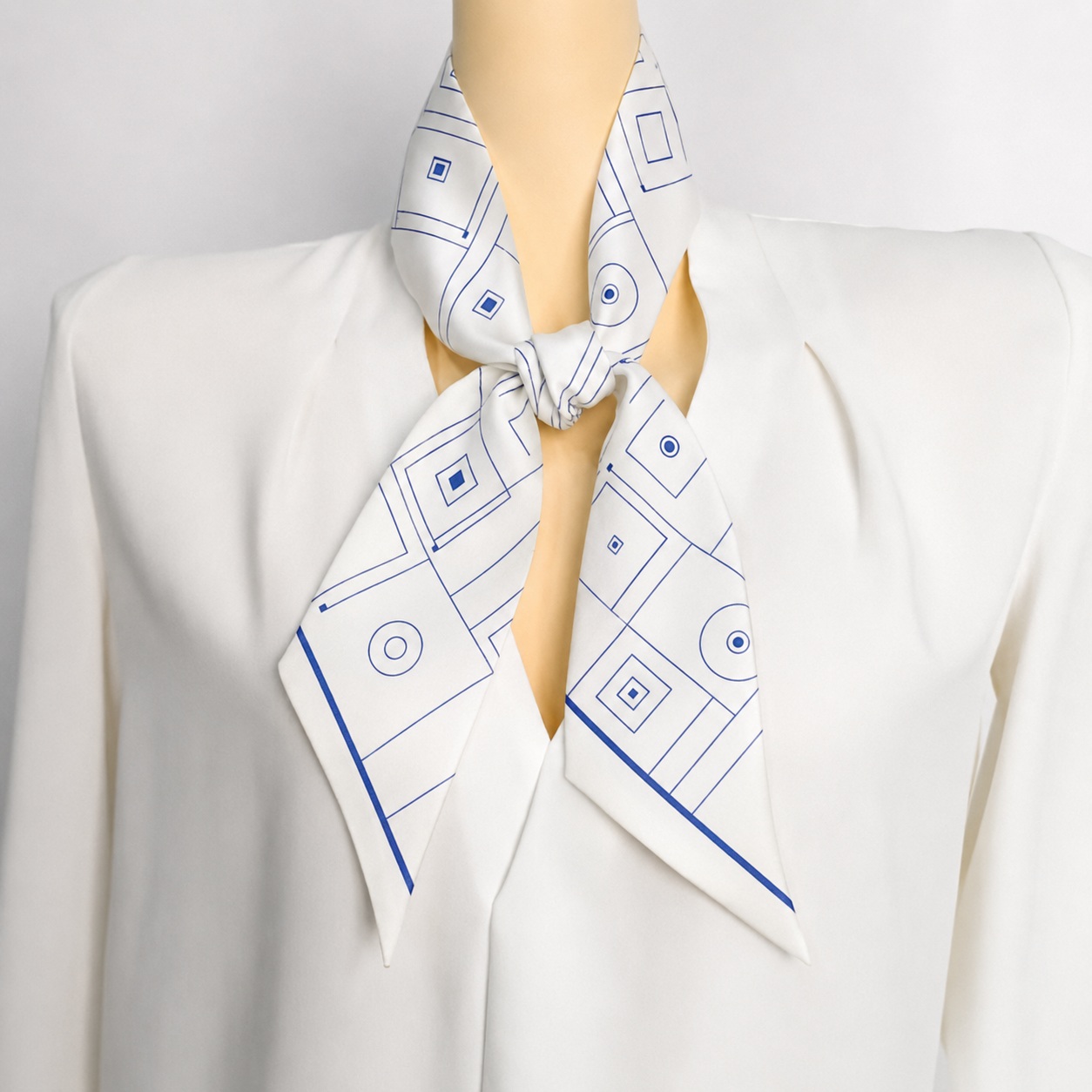
Double-layer construction is the key structure feature for this twilly direction. It can make a ribbon scarf feel more finished, more opaque, and more substantial when tied. The tradeoff is that the scarf needs careful cutting, fabric alignment, stitching, turning, pressing, and final shape control.
Structure details should be confirmed early. Buyers should decide whether they want a pointed end, straight end, angled end, narrow ribbon shape, wider neck-tie shape, or a softer scarf-like drape. Machine sewing, topstitching, edge control, seam allowance, end shape, and pressing should all be checked in the sample. Hand rolled edges are usually more relevant to square scarves; for a double-layer twilly, stitched construction is normally the more practical route.
Fabric and Size Decisions
Mulberry silk can be developed in different fabric qualities for twilly and ribbon scarf projects. Silk twill gives more body and structure, making it useful for handbag ribbons and uniform accents. Silk satin gives a smoother, glossier surface and can feel more polished for fashion gifts. Crepe de chine is softer and more matte. Silk habotai can be lighter and more flexible. Selected silk blends may be reviewed when buyers need a different price, drape, or durability balance.
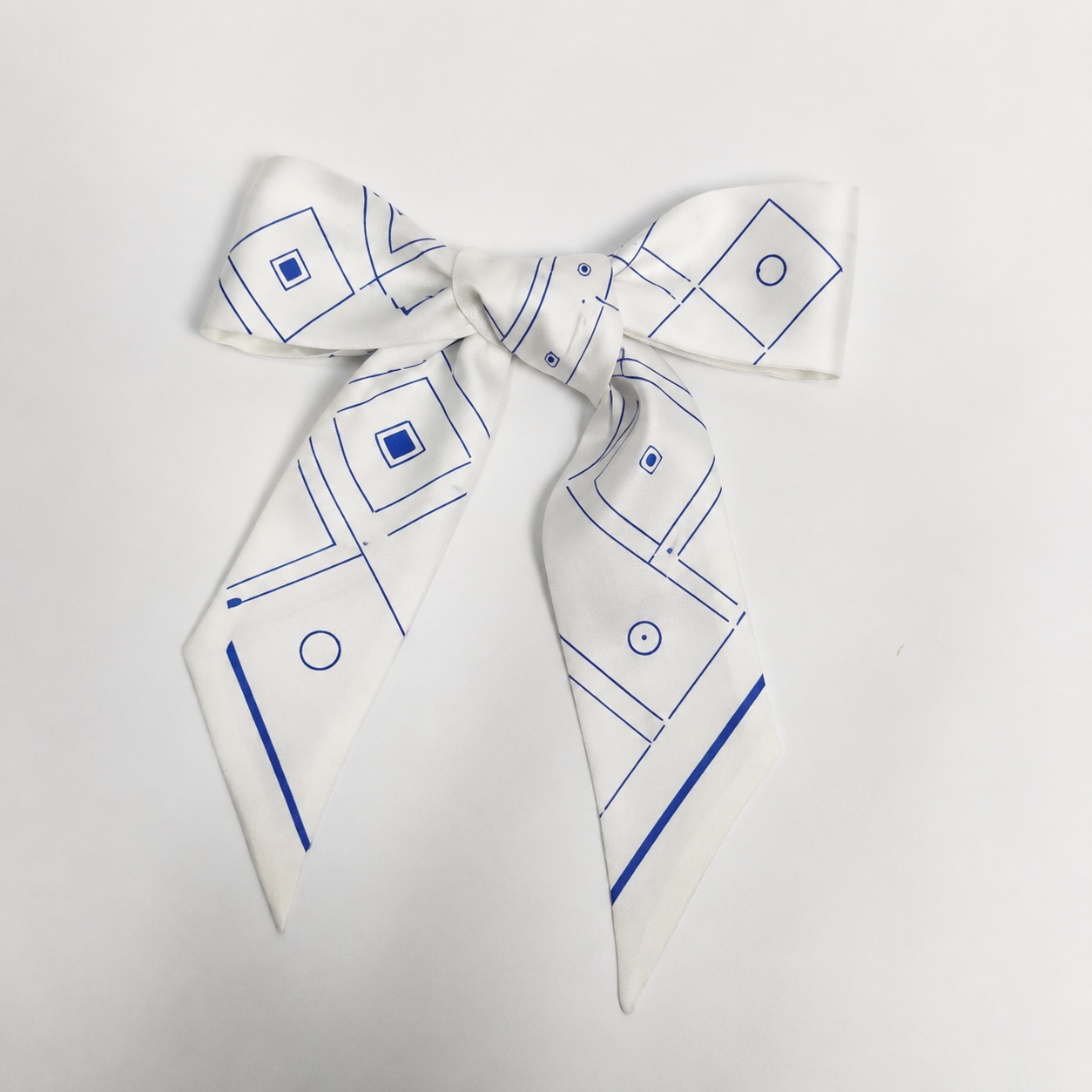
Size can be customized. A narrow twilly may be better for handbag handles and hair styling, while a wider ribbon scarf can work better as a neck tie or uniform accent. Length also matters: a shorter ribbon may suit bags and packaging inserts, while a longer version gives more tying options. Fabric, color, and construction decisions can be reviewed through DOCSUN's fabric, colors, and craftsmanship planning before sampling.
| Decision | What to confirm | Why it matters |
|---|---|---|
| Use case | Bag ribbon, hair scarf, neck tie, wrist wrap, uniform accent | Controls size, structure, and packaging |
| Fabric | Silk twill, silk satin, crepe de chine, habotai, or silk blend | Changes body, sheen, opacity, and price |
| Structure | Double-layer, stitching, end shape, pressing standard | Affects tie performance and finished appearance |
| White control | Shade, cleanliness, stain prevention, batch consistency | Protects the refined look of white silk |
Labels, Packaging, MOQ, and Sampling
Because a twilly is small, label and packaging placement needs more attention. Brand buyers can plan woven labels, printed labels, small care labels, hang tags, barcode stickers, pouch packaging, paper sleeves, custom cards, gift boxes, tissue wrap, and carton marks. The label should not make the ribbon bulky or uncomfortable when tied. DOCSUN's custom packaging support can help connect the accessory, fold, pouch, box, insert card, and carton information.
Many custom white mulberry silk twilly projects can start from 30 to 50 pieces, depending on fabric, size, structure, label, and packaging details. Sampling usually takes about 5 to 7 working days after size, fabric, white shade, double-layer construction, stitching, label, and packaging details are confirmed. Before bulk production, approve fabric hand feel, white shade, stitching neatness, end shape, tying performance, label placement, packaging fit, cleanliness, and carton packing.
FAQ
What is a custom white mulberry silk twilly used for?
A custom white mulberry silk twilly can be used as a handbag ribbon, neck tie, hair scarf, wrist wrap, uniform accent, small gift, or brand accessory for boutique and private-label programs.
Why use double-layer construction for a silk twilly?
Double-layer construction can add body, opacity, and a more finished feel. It also needs careful fabric alignment, stitching, turning, pressing, and sample review so the ribbon ties cleanly.
Which fabrics can be used for custom twilly or ribbon scarves?
Brand buyers can consider silk twill, silk satin, crepe de chine, silk habotai, or selected silk blends depending on sheen, softness, opacity, print clarity, structure, and budget.
What is the usual MOQ and sample timeline?
Many custom silk twilly projects can start from 30 to 50 pieces. Sampling usually takes about 5 to 7 working days after size, fabric, white shade, structure, label, and packaging details are confirmed.
Plan a Custom White Silk Twilly Project
Share your target size, white shade standard, silk fabric, double-layer structure, stitching requirement, label plan, packaging style, MOQ, and launch schedule. DOCSUN can help turn the brief into a sample-ready twilly or ribbon scarf project.
Contact DOCSUNStart from the main custom silk scarf service page or send your accessory brief for review.