
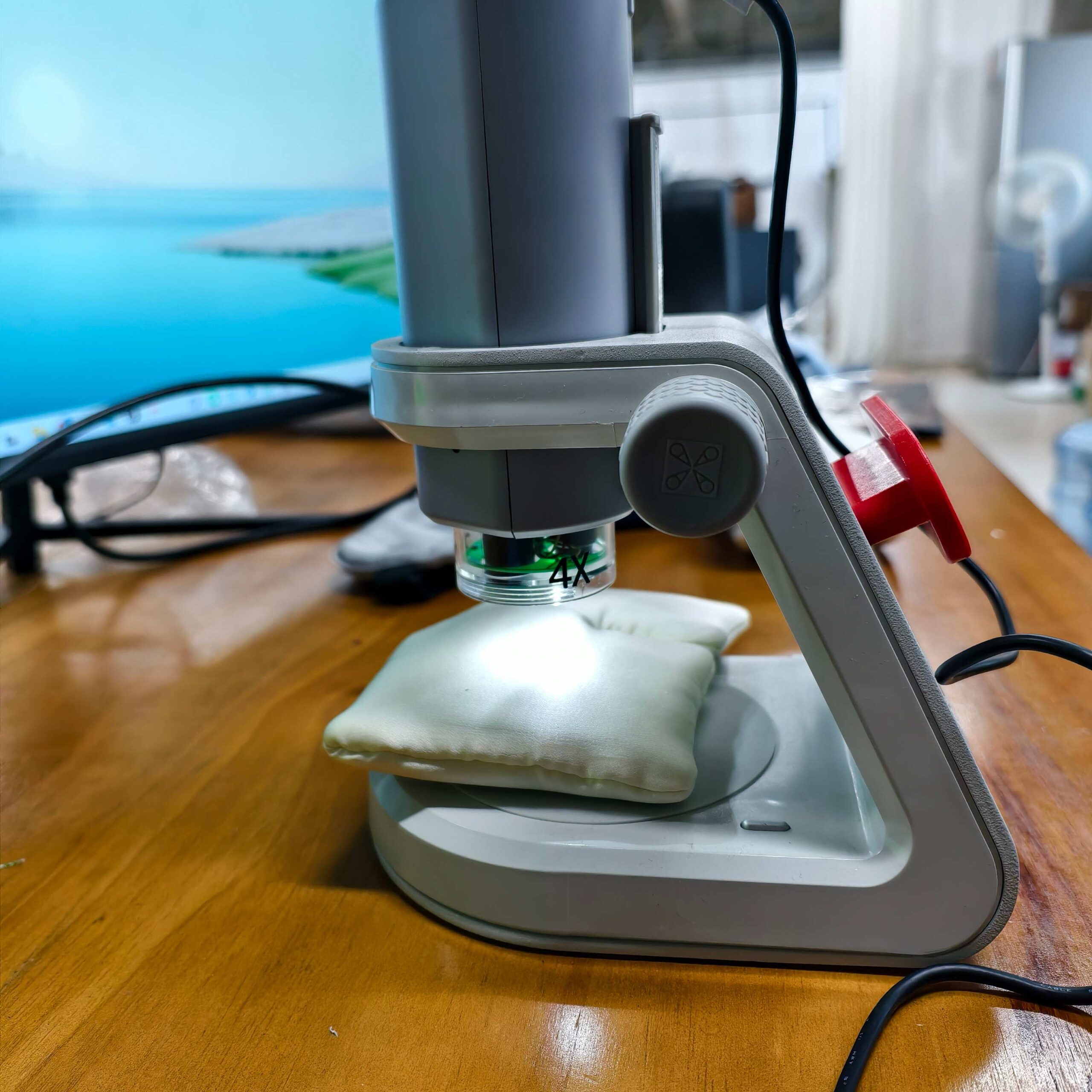
Clarify Satin Before Testing the Fabric
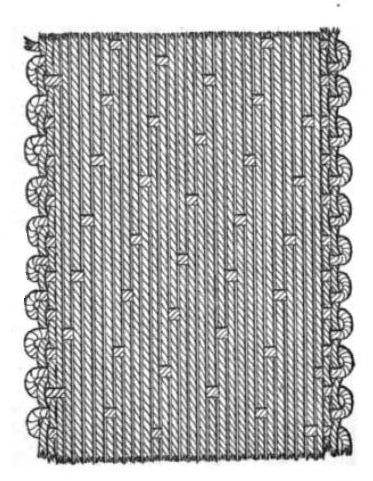
The first point is simple but important: satin is a weave structure, not a fiber. A fabric can be silk satin, silk charmeuse, silk crepe satin, polyester satin, acetate satin, or another satin-weave fabric. The word satin only describes how yarns are arranged to create a smooth surface and luster.
For brand buyers, the real question is fiber content and fabric construction. Mulberry silk charmeuse or crepe satin is made with natural silk protein fiber. Polyester satin is synthetic. Both can look smooth, but they behave differently in breathability, static, hand feel, skin contact, care, price, and brand positioning.
Start With Non-Destructive Buyer Checks
Before ordering a burn test, start with documents and simple observations. Ask for fiber composition, fabric name, momme or weight, care label information, sample record, and supplier specification. For skin-contact products such as custom silk pillow cases, custom silk eye masks, scrunchies, sleepwear, and robes, this step matters because comfort and claim accuracy affect the product promise.
A non-destructive review can include touch, drape, opacity, front and back surface, seam behavior, label information, and comparison against an approved sample. These checks do not replace lab testing, but they help buyers identify risk before bulk production.
| Check | What to look for | Buyer note |
|---|---|---|
| Label and documents | Fiber content, momme or weight, care instruction, supplier spec | Ask for consistency between label, invoice, and sample record. |
| Hand feel and drape | Softness, cool touch, body, fluidity, spring-back | Compare with an approved reference sample, not memory. |
| Light reflection | Soft pearl-like luster versus flatter or harsher shine | Check under natural light and controlled indoor light. |
| Macro or microscope | Yarn structure, weave density, surface texture, gaps | Use this to support decisions, not as a single proof for every claim. |
Use Light Reflection and Macro Photos
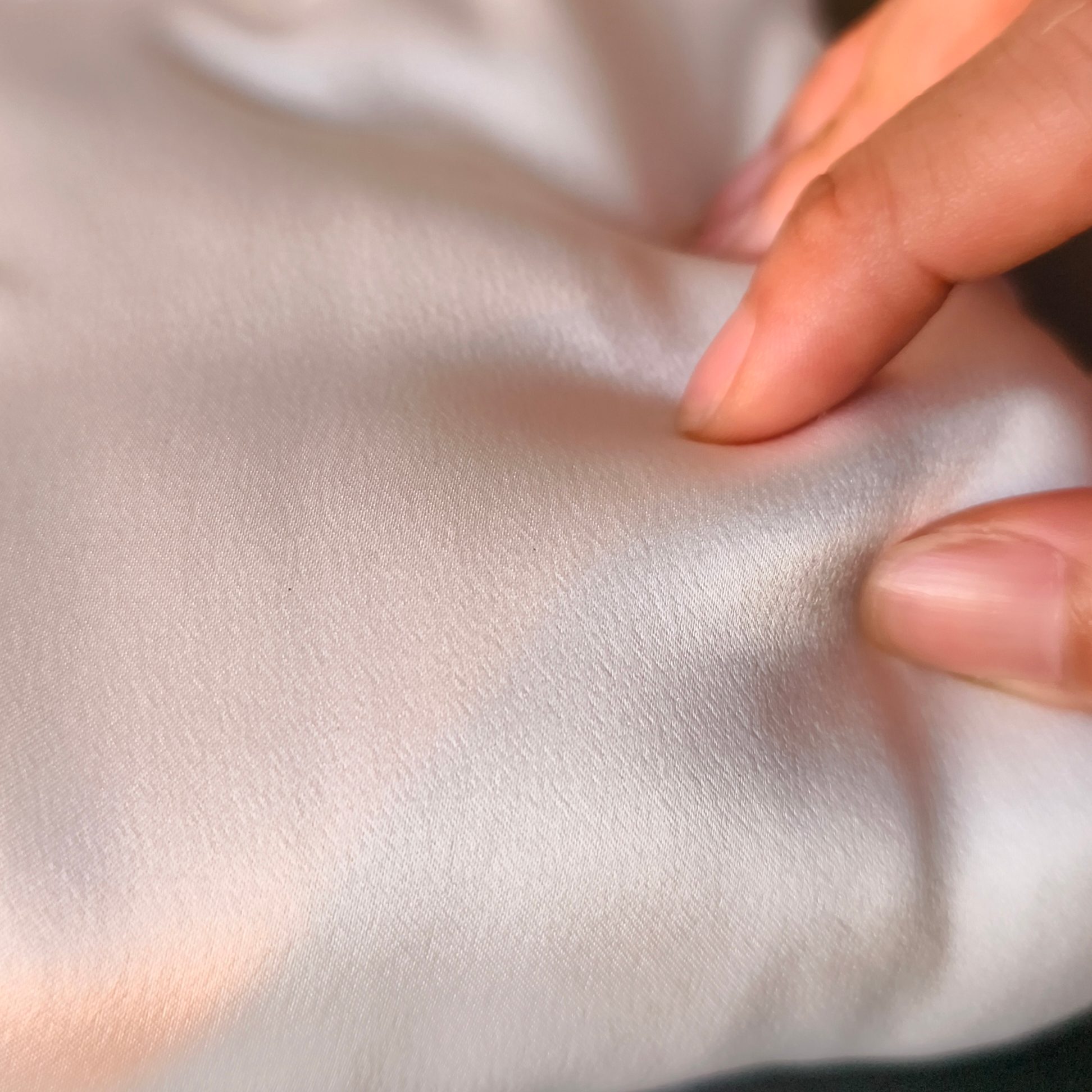
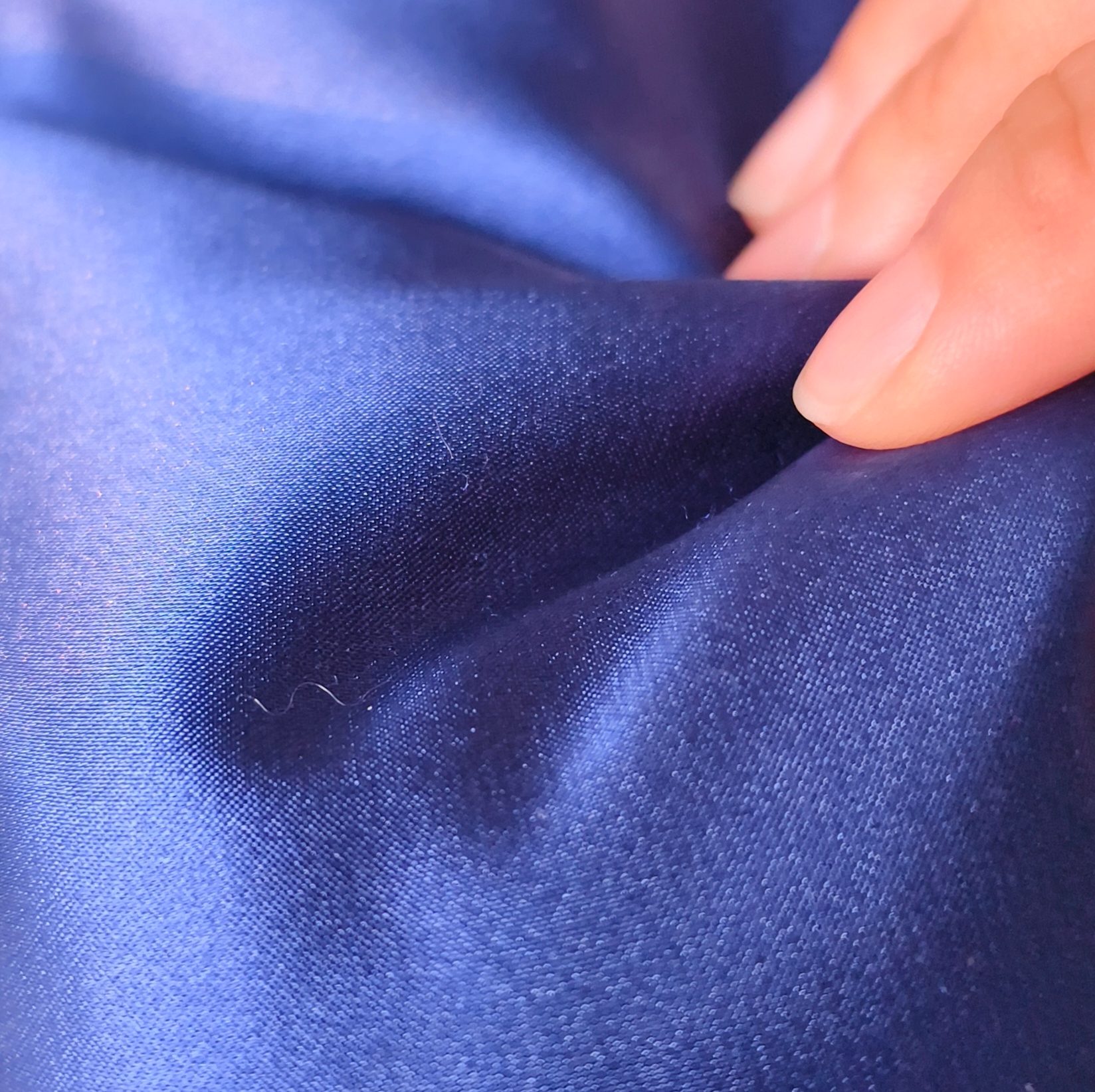
Under bright but even light, mulberry silk charmeuse or crepe satin often shows a softer, more complex luster. The reflection can feel warmer and less mechanical because natural silk filaments scatter light in a different way. Polyester satin can still be smooth and shiny, but the reflection may appear flatter or harsher depending on yarn and weave quality.
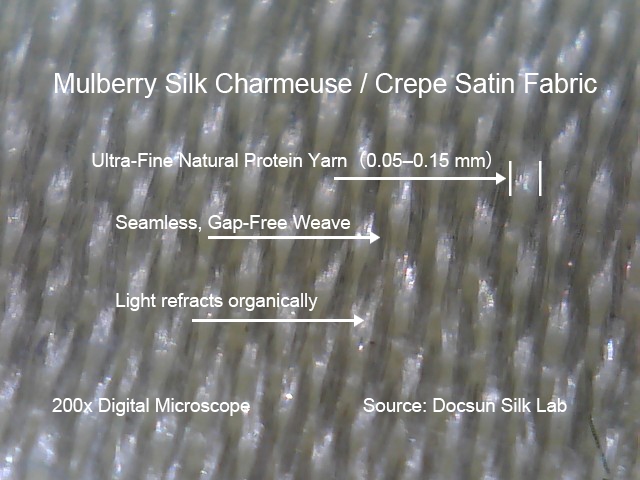
A smartphone macro photo can help the buyer document surface texture, thread direction, weave density, and visible irregularity. It is useful for comparing a production sample against a previous approved sample, especially when developing custom silk scrunchies, pillowcases, eye masks, and sleepwear where skin and hair contact are part of the product value.
Use Microscope Review When the Sample Matters
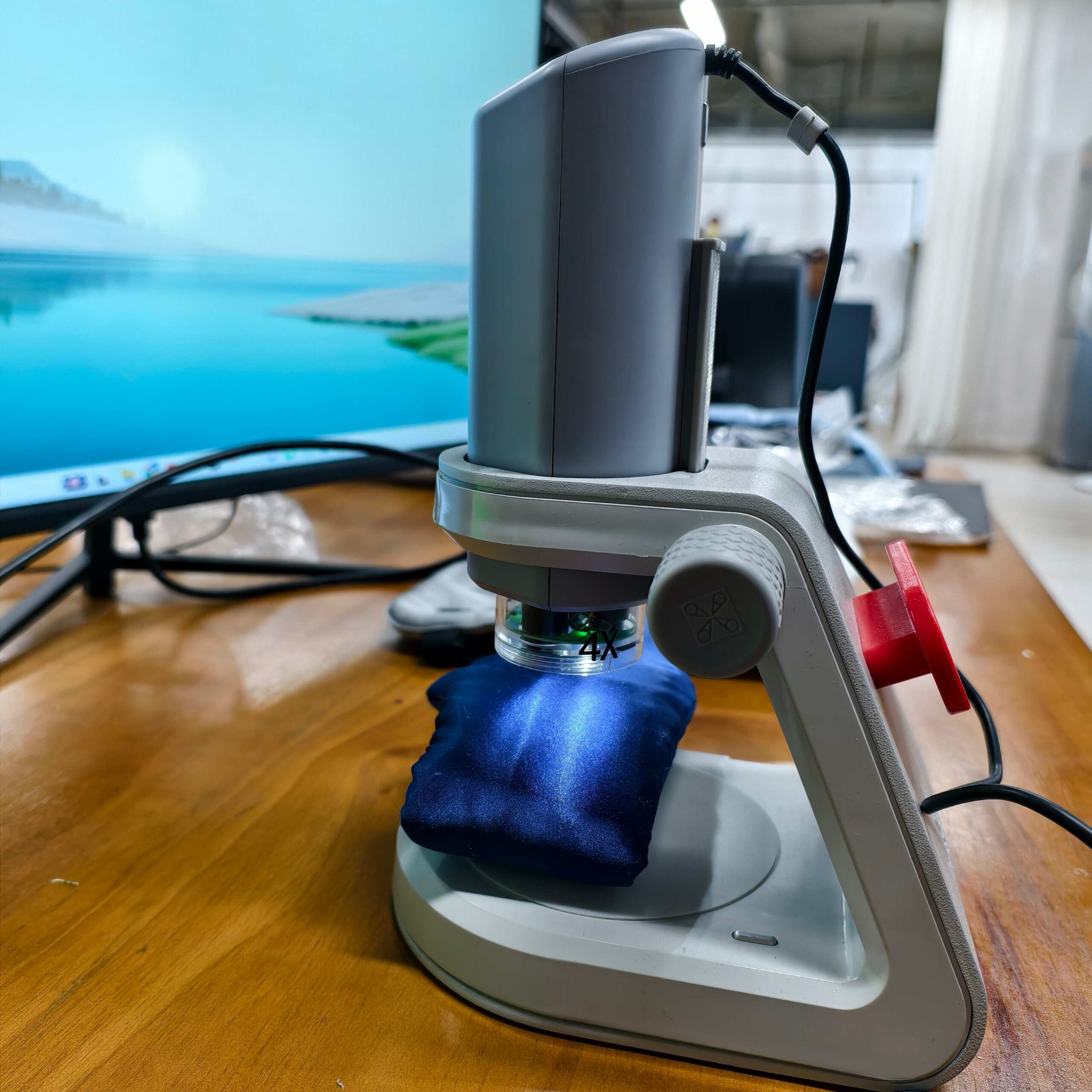
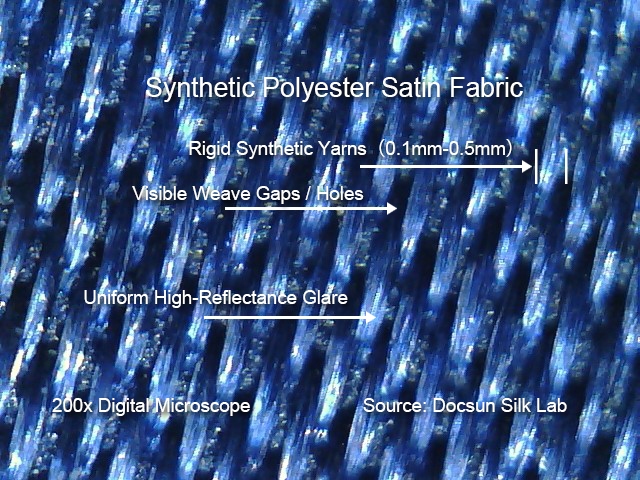
A portable digital microscope can give buyers another non-destructive view. It may show yarn thickness, weave density, surface texture, and gaps that are hard to see by eye. For sensitive product categories, microscope review can support internal quality discussions before approving bulk production.
This does not mean every brand needs a laboratory setup. The practical point is traceability: keep photos, fabric specs, sample records, and approval notes. DOCSUN can discuss fabric selection through fabric, colors, and craftsmanship planning so buyers understand what they are approving.
When Is a Burn Test Appropriate?
A burn test can be useful in controlled textile testing because natural protein fibers and synthetic fibers behave differently under flame. But it is destructive, creates odor and residue, and should not be used on finished customer samples, showroom pieces, or branded stock.
If a buyer needs a burn test, it should be done on waste fabric, a cut swatch, or a lab sample, not on the finished product. For production sourcing, non-destructive checks plus supplier documents and a controlled pre-production sample are usually more practical.
Turn Fabric Checks Into Production Control
The purpose of silk testing is not only to identify a single sample. It is to prevent quality drift between sampling and bulk production. For products such as custom silk pajamas, pillowcases, eye masks, and scrunchies, buyers should confirm fabric, momme, color, sewing finish, labels, packaging, and care instructions before production.
For printed or dyed silk goods, testing should also connect with printing and color approval. A product may use the correct fiber but still fail buyer expectations if color, shrinkage, sewing, label placement, or packaging is not controlled.
- Confirm fiber content, fabric name, and momme or weight.
- Compare the sample with an approved reference under consistent lighting.
- Take macro photos or microscope images if surface texture matters.
- Approve sewing, labels, packaging, and care information before bulk production.
FAQ
Can you test silk without burning it?
Yes. For finished products or buyer samples, use non-destructive checks first: label and supplier documents, hand feel, light reflection, macro photography, microscope review, fabric weight, and sample comparison. Burn testing should be reserved for controlled testing on waste fabric or lab swatches.
Is satin the same as silk?
No. Satin is a weave structure, not a fiber. Mulberry silk charmeuse, silk crepe satin, polyester satin, and other satin fabrics can all exist. Buyers should confirm fiber content and weave instead of relying on the word satin alone.
What is the difference between mulberry silk charmeuse and polyester satin?
Mulberry silk charmeuse or crepe satin uses natural silk protein fiber and can offer breathable comfort, soft luster, and refined hand feel. Polyester satin is synthetic and can look smooth and shiny, but it has different breathability, static, texture, and brand positioning.
What should brand buyers confirm before bulk production?
Buyers should confirm fiber content, weave, momme or fabric weight, test sample, supplier documents, print or dye result, shrinkage and colorfastness expectations, sewing finish, labels, packaging, and a physical pre-production sample.
Check Silk Fabric Before Custom Production
Send your product type, fabric requirement, target fiber content, momme, color, sample photos, label plan, packaging needs, quantity, and launch schedule. DOCSUN can help review silk fabric choices before sampling and bulk production.
Discuss a Silk Quality CheckFor material planning, start with fabric, colors, and craftsmanship.