
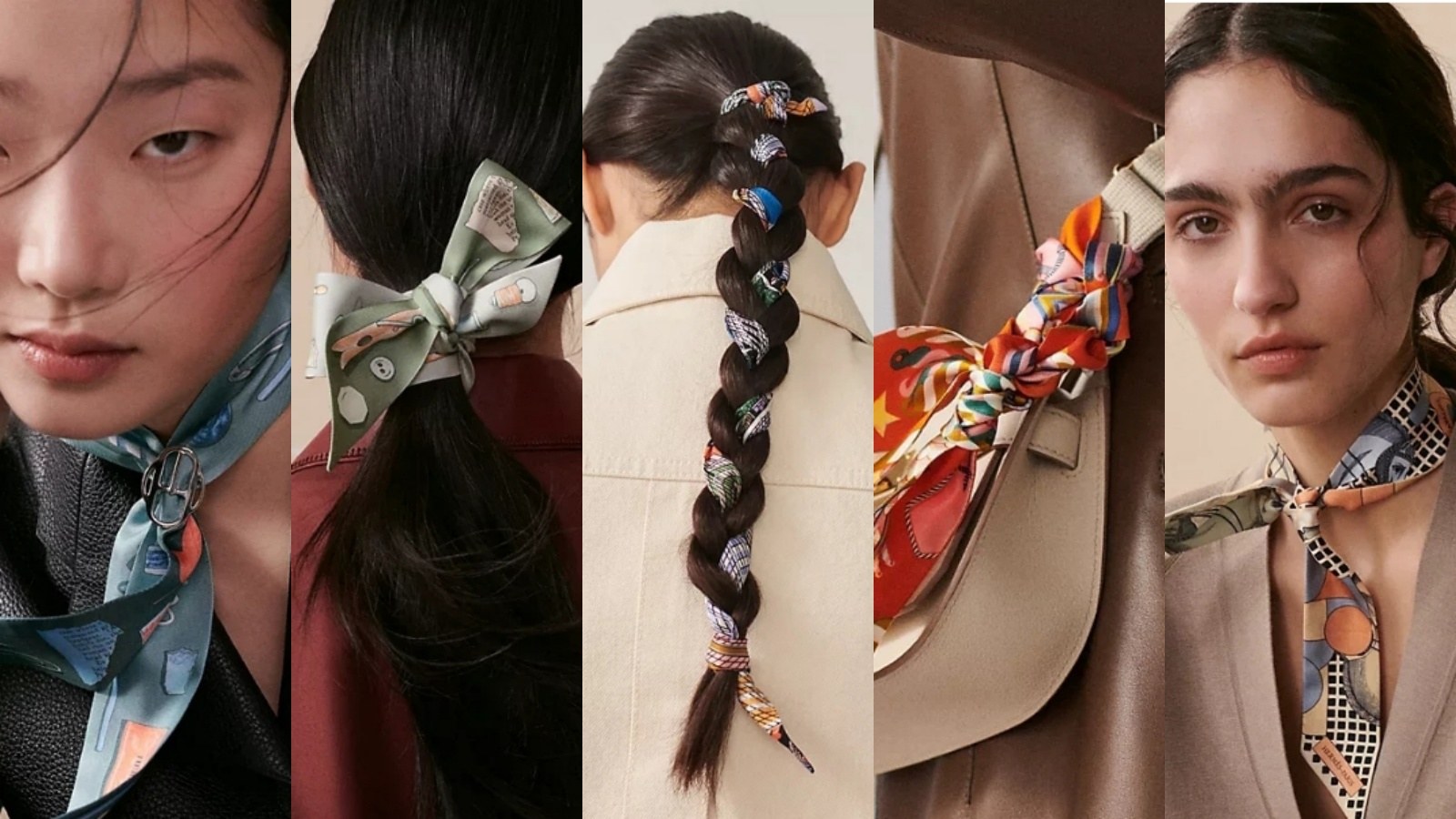
Trend 1: Wearable Artwork, Not Flat Decoration
The most successful silk scarf designs in 2026 look artistic when flat and still make sense when folded, tied, or photographed in motion. This is an important distinction. A scarf is not a poster. It becomes a wearable object, so the artwork must survive real styling.
Brands should think about border visibility, corner details, repeat rhythm, and motif placement. A large center image can be dramatic, but it may disappear when the scarf is worn around the neck. A strong border can frame the face and remain visible after folding. Small secondary motifs can make the scarf interesting in close-up photography.
This is why trend-led scarf design should begin with styling scenarios. A scarf for a resort boutique, museum gift shop, fashion capsule, hotel retail program, or corporate gift will each need different artwork logic even if the fabric is similar.
Trend 2: Color Stories with Commercial Discipline
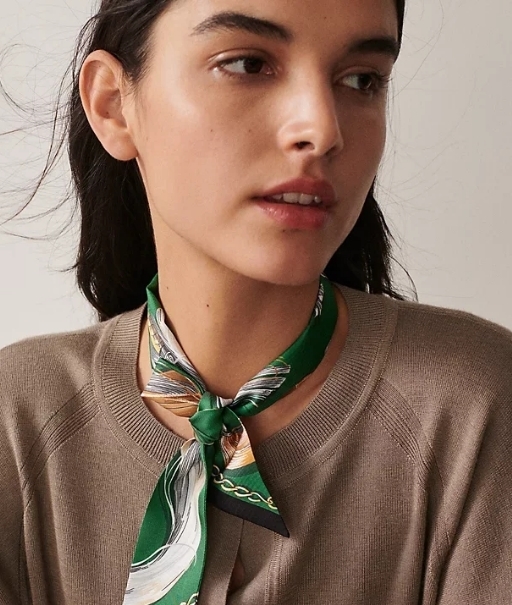
Bold color is still important, but the strongest scarf collections use color with discipline. Instead of choosing colors only because they are fashionable, brands are building palettes around season, customer complexion, styling use, and packaging presentation.
Deep green, soft pink, warm orange, black floral, cream, blue, and botanical tones can all work when the print and fabric support the color direction. For wholesale projects, color should be approved through a physical sample because silk twill, satin, chiffon, and silk-wool blends can all shift the perceived depth and shine.
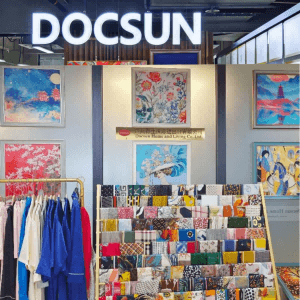
If your brand needs consistent color across scarves, packaging, and other products, use fabric, colors, and craftsmanship references before final approval. This reduces the risk of beautiful artwork becoming inconsistent in production.
Trend 3: Silk Twill, Satin, and Fabric-Led Positioning
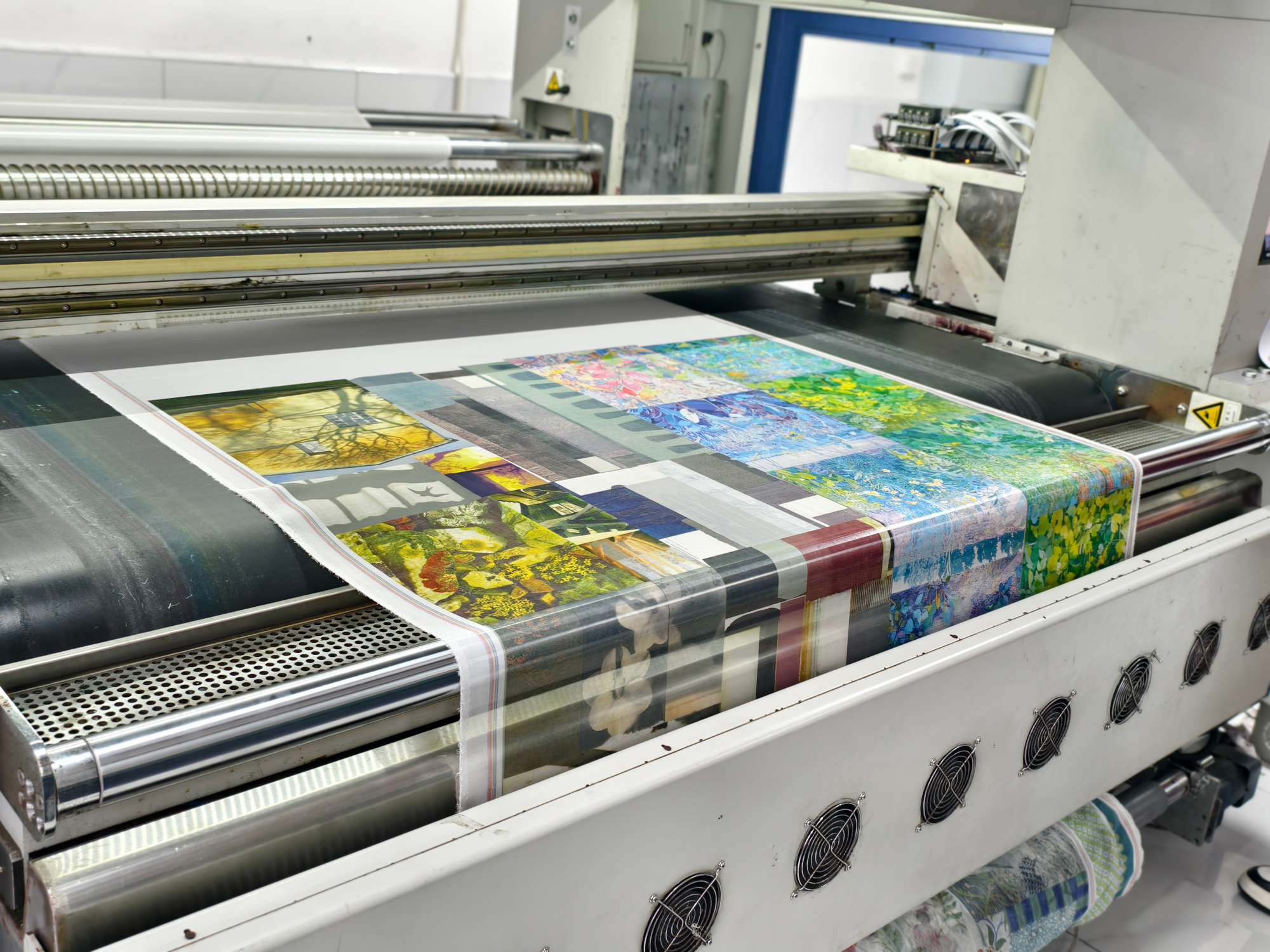
Fabric choice is becoming part of the trend language. Silk twill communicates structure, print clarity, and premium scarf tradition. Silk satin gives shine and a dressier impression. Silk chiffon is light and airy for resort or summer lines. Silk-wool blends create warmth and seasonal softness.
For many fashion brands, silk twill remains the most reliable option for premium printed scarves because it balances hand feel, color depth, and styling structure. Satin is useful when the collection needs a smoother and more glamorous surface. Chiffon works best when the design is soft, delicate, and movement-focused.
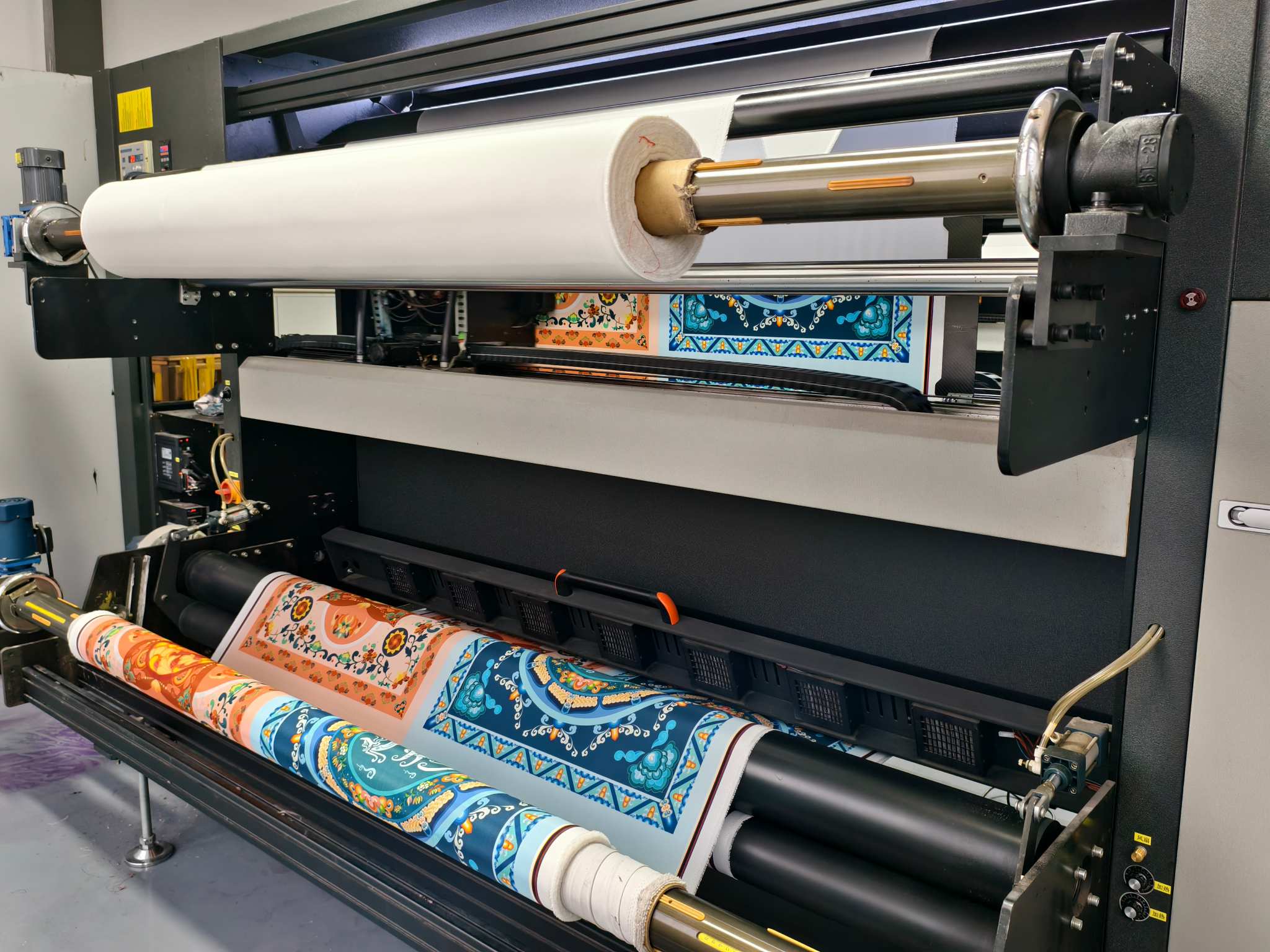
Instead of treating fabric as a back-end production decision, brands should choose fabric early. The same artwork can look completely different across fabric surfaces. Start with the main custom silk scarf direction, then sample the fabric that best matches the intended customer.
Trend 4: Finishing Details Become Visible Luxury
Customers may not always name the finishing technique, but they feel it. Edge finishing, label placement, fold quality, and packaging can decide whether a scarf feels premium or ordinary. In 2026, brands are paying more attention to these visible details because online customers judge product value through images and unboxing moments.
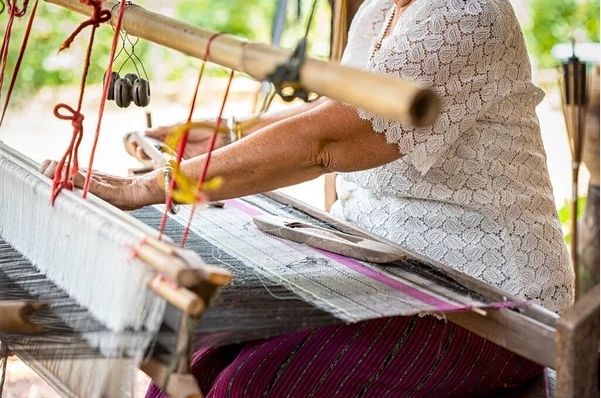
Machine hemming is practical, consistent, and scalable. Hand-rolled edges communicate craftsmanship and are often used for higher-end scarves. The right choice depends on retail price, target customer, quantity, fabric, and delivery schedule. A premium scarf with weak finishing loses value quickly.
Labels should be planned carefully. A woven label can support brand recognition, but it should not irritate the skin or interfere with folding. For gift programs, labels, hangtags, care cards, and custom packaging should be designed as one presentation system.
Trend 5: Scarves as Compact Brand Collections
A silk scarf is no longer only a single accessory. Brands are using scarves as compact collection builders. One artwork direction can extend into a 90cm square scarf, 68cm scarf, twilly, pocket square, scrunchie, hair band, or packaging story. This helps brands build a richer product family without developing many garments.
For cultural retail, hotels, museums, wedding planners, and event brands, scarves can turn a place, artwork, or story into a wearable object. For fashion brands, they can introduce a seasonal print in a lower-risk format. For corporate gifting, they can carry brand identity in a more elegant way than ordinary merchandise.
Use custom scarves as the broader planning hub, then connect the trend direction to the right product page, case reference, and production process. This keeps the article useful without making it compete with a product landing page.
How to Turn Trends into a Production Brief
A trend only becomes useful when it turns into a clear production brief. Before sampling, define the customer, target price, scarf size, fabric, artwork file, color standard, edge finishing, label placement, packaging, quantity, and delivery date.
During sample review, check color accuracy, print clarity, motif visibility after folding, fabric hand feel, edge line, label comfort, packaging fit, and photography performance. If the scarf is intended for wholesale retail, also check barcode, care label, country requirements, and carton packing needs.
DOCSUN can help translate a trend concept into artwork review, custom printing, fabric selection, sample approval, and bulk production planning. If you are preparing a custom scarf collection, contact us with your design direction and timeline.
FAQ
What are the main silk scarf trends for 2026?
Key trends include wearable artwork, disciplined color palettes, premium silk twill and satin, visible finishing quality, thoughtful packaging, and scarf collections that connect with broader brand stories.
Which silk fabric is best for trend-led scarf collections?
Silk twill is often the most reliable for premium printed scarves. Silk satin is smoother and shinier, chiffon is lighter, and silk-wool blends work for seasonal warmth.
How should brands choose scarf colors?
Choose colors based on target customer, season, styling use, packaging, and brand identity. Physical sampling is important because fabric surface changes the final appearance of color.
Are hand-rolled edges necessary for luxury scarves?
Not always, but hand-rolled edges communicate craftsmanship and can support premium positioning. Machine hemming is more efficient and can still look clean when executed well.
How can a trend article support a product landing page?
A trend article can explain design ideas, customer behavior, and production choices, then link contextually to the main product page, fabric page, printing page, packaging page, and contact page.
Plan Your Custom Project with DOCSUN
Send your target market, product idea, artwork direction, fabric preference, quantity, packaging requirement, and delivery schedule. DOCSUN can help you turn the concept into a practical sample and production plan.
Contact UsFabric cards, color cards, and craftsmanship references are available in our Australia, United States, and United Kingdom offices on request.