
Why Sensitive-Skin-Friendly Fabric Matters
Sensitive skin customers often pay close attention to touch. A scarf, pillowcase, eye mask, bonnet, robe, blouse, or dress may sit close to the neck, face, hairline, or shoulders for long periods, so roughness, stiffness, heavy seams, and poor dyeing can quickly affect comfort.
This is where mulberry silk becomes valuable. High-quality silk has a smooth surface and a soft hand feel, which can reduce the scratchy sensation associated with rougher fabrics. For accessories such as scarves, this comfort can influence whether a customer wears the product once or returns to it repeatedly.
It is important to describe this benefit responsibly. Mulberry silk can be positioned as gentle, smooth, breathable, and low-friction. It should not be described as a cure for skin conditions. Customers with serious allergies or medical concerns should follow professional advice.
What Hypoallergenic Means in Product Language
Hypoallergenic usually means a material is less likely to cause irritation for many users, not that it is guaranteed to be safe for every person. In textile marketing, this distinction matters. A responsible brand should avoid absolute promises and focus on the physical qualities that make silk feel gentle.
Mulberry silk is valued because the fiber is fine, the surface can be very smooth, and the fabric can feel cool and soft against the skin. When the fabric is woven, dyed, printed, washed, and finished properly, the final product can support a premium comfort story for sensitive-skin-aware customers.
The finished product still depends on quality control. Harsh dyeing, poor finishing, rough labels, stiff seams, low-grade fabric, or unsuitable packaging can reduce the comfort advantage. That is why brands should treat fabric selection and production standards as part of the skin-friendly story.
Why Mulberry Silk Works Well for Scarves
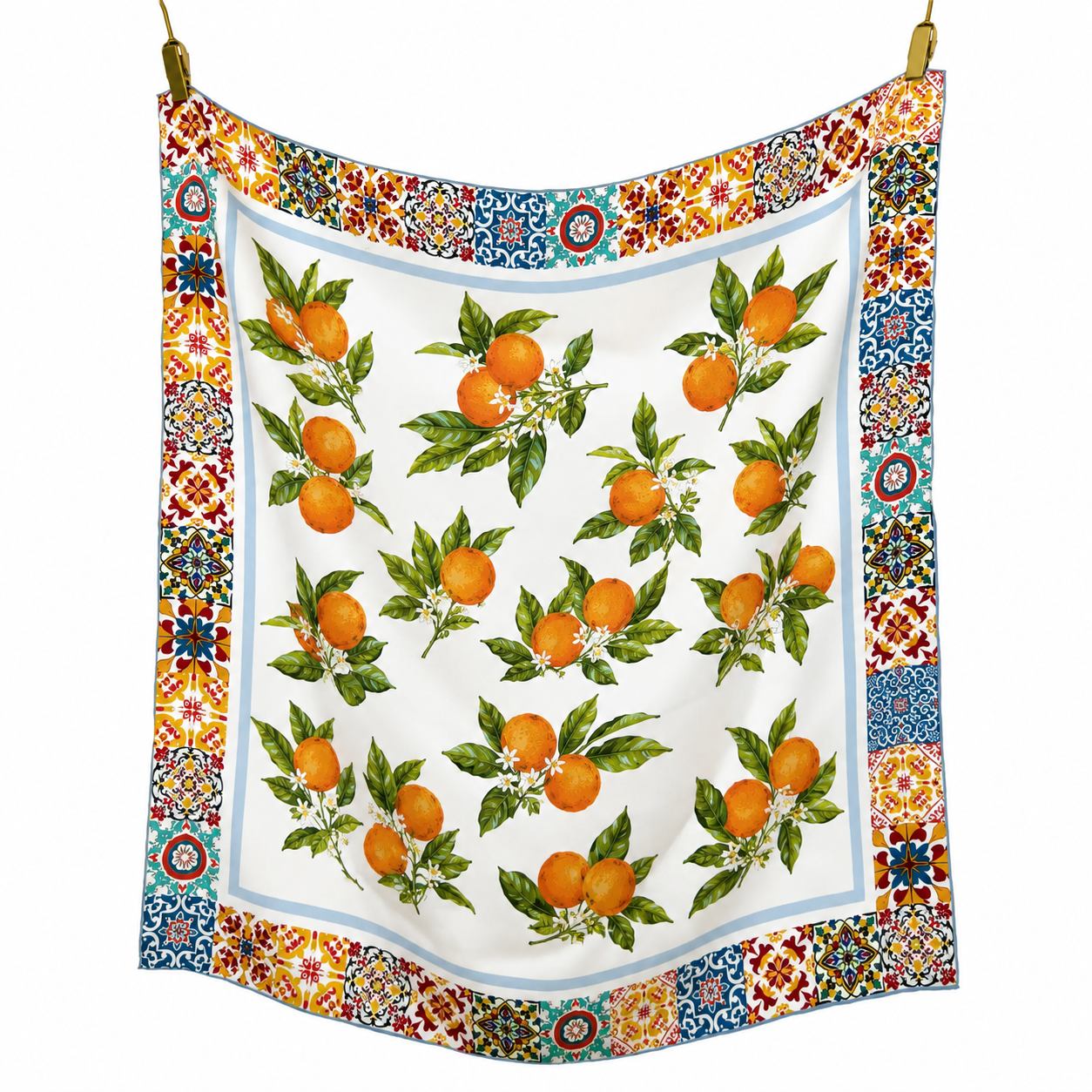
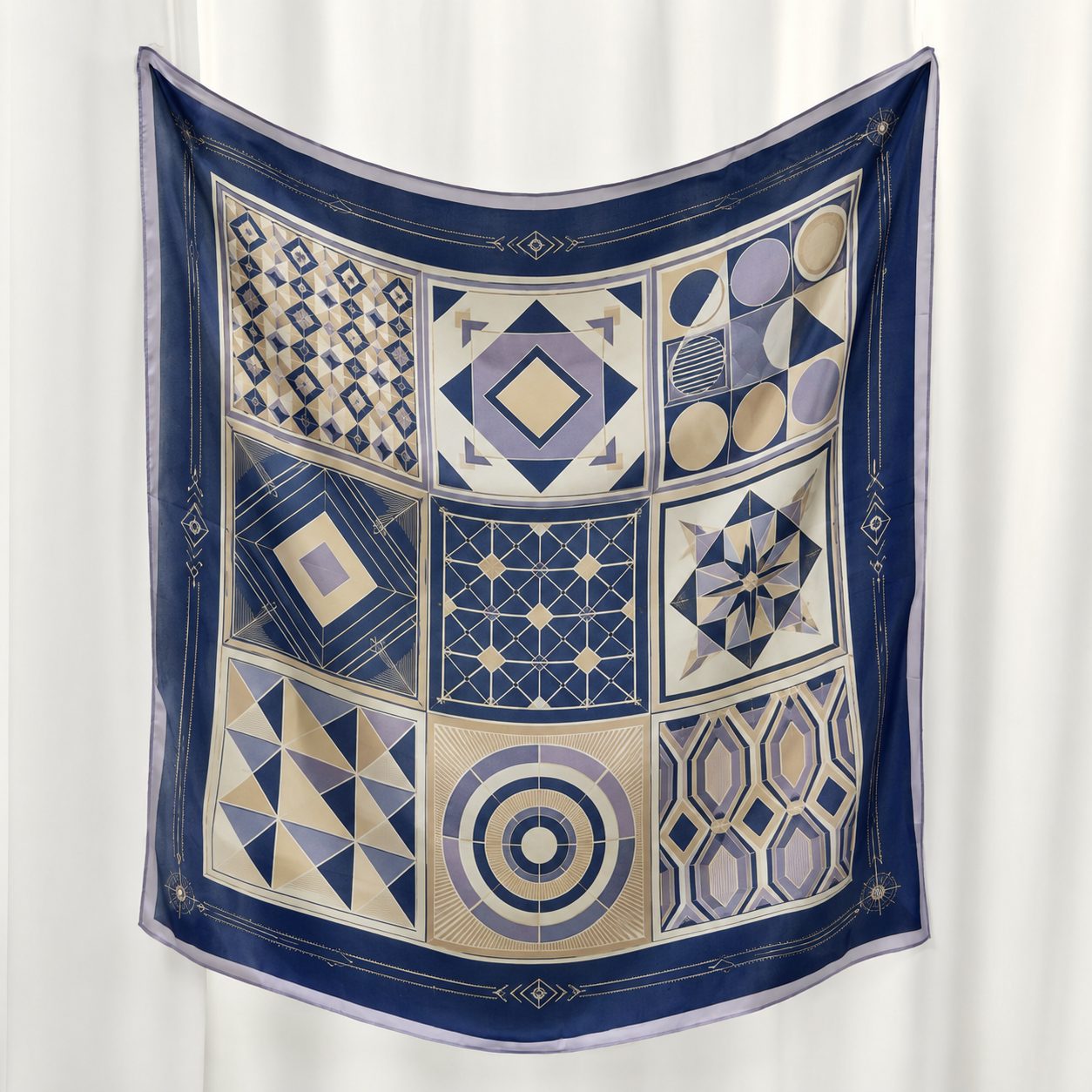
A silk scarf touches the neck and sometimes the face, hair, or shoulders. For this reason, softness and drape matter. A smooth mulberry silk scarf can feel lighter and more comfortable than many rougher materials, especially when worn close to the skin.
Silk twill is often used for premium printed scarves because it combines structure with softness. Silk satin gives a smoother shine and a dressier feeling. Silk chiffon is lighter and airier. Choosing the right fabric depends on whether the scarf is designed for daily wear, gifting, summer styling, luxury retail, or hair protection.
For product planning, brands can begin with custom silk scarf options, then compare fabric surfaces through fabric, colors, and craftsmanship. The final choice should match both comfort and visual identity.
Dyeing, Printing, and Finishing Are Part of Comfort
A fabric can be soft, but the final scarf may still feel uncomfortable if production details are weak. Dyeing and printing should be controlled so the fabric keeps a pleasant hand feel. Heavy coating, harsh finishing, or poor washing can make a silk accessory feel less refined.
Printed silk scarves require a balance between color depth and touch. Rich color is attractive, but the final surface should still feel comfortable. This is why sample review should include both visual inspection and touch inspection. Look at the color, then feel the fabric against the skin.
DOCSUN recommends using the custom printing workflow to review artwork, color references, fabric choice, proofing, and sample quality. For sensitive-skin-positioned products, comfort should be part of the approval checklist, not an afterthought.
Labels, Edges, and Packaging for Skin-Friendly Accessories
Labels can affect comfort more than brands expect. A scratchy woven label, stiff care label, or poorly placed tag can make a scarf, pillowcase, bonnet, or eye mask less pleasant to use. For skin-friendly accessories, label position and label softness should be reviewed during sampling.
Edge finishing also matters. A clean machine hem can be comfortable and efficient. A hand-rolled edge can feel refined and support premium positioning. The best choice depends on scarf size, fabric, budget, quantity, and target customer.
Packaging should protect the smooth silk surface from dust, friction, and crushing. A clean envelope, paper sleeve, gift box, or tissue wrapping can help the product arrive in good condition. For retail or gift programs, review custom packaging as part of the comfort and presentation strategy.
Brand Checklist Before Developing a Sensitive-Skin-Friendly Silk Product
Before sampling, define the product type, customer group, fabric, size, artwork, color standard, dyeing or printing method, edge finishing, label position, packaging, quantity, budget, and delivery schedule. If the product will be marketed for sensitive-skin comfort, add hand feel and label comfort to the approval checklist.
During sample review, check fabric smoothness, breathability, print feel, color accuracy, reverse-side appearance, edge softness, label placement, packaging fit, and final presentation. If specific allergy or performance claims are required, confirm what testing or documentation is needed for the target market.
Mulberry silk can support many product categories, including scarves, bonnets, scrunchies, pillowcases, eye masks, robes, dresses, blouses, and pajamas. For a custom project, review relevant product pages, study scarf custom cases, and contact DOCSUN with your product idea and quality requirements.
FAQ
Is mulberry silk good for sensitive skin?
Mulberry silk is often chosen for sensitive-skin-friendly products because it is smooth, soft, breathable, and low-friction. However, it should not be treated as a medical cure, and individual reactions can vary.
What does hypoallergenic silk mean?
Hypoallergenic means the material is less likely to irritate many users, not that it is guaranteed for everyone. For silk products, comfort depends on fiber quality, fabric construction, dyeing, finishing, labels, and washing.
Which silk fabric is best for a gentle scarf?
Silk twill is a strong premium choice because it balances structure and softness. Silk satin feels smoother and shinier, while chiffon is lighter and airier. The best choice depends on use and target customer.
Can printed silk scarves still feel soft?
Yes, if the fabric, printing method, dyeing control, and finishing are well managed. Sample review should check not only color and artwork, but also the final hand feel.
What should brands check for skin-friendly silk products?
Check fabric smoothness, hand feel, breathability, print feel, edge softness, label placement, packaging, washing instructions, and any testing required for specific marketing claims.
Plan Your Custom Project with DOCSUN
Send your target market, product idea, artwork direction, fabric preference, quantity, packaging requirement, and delivery schedule. DOCSUN can help you turn the concept into a practical sample and production plan.
Contact UsFabric cards, color cards, and craftsmanship references are available in our Australia, United States, and United Kingdom offices on request.