What Personalization Really Means in Scarf Design
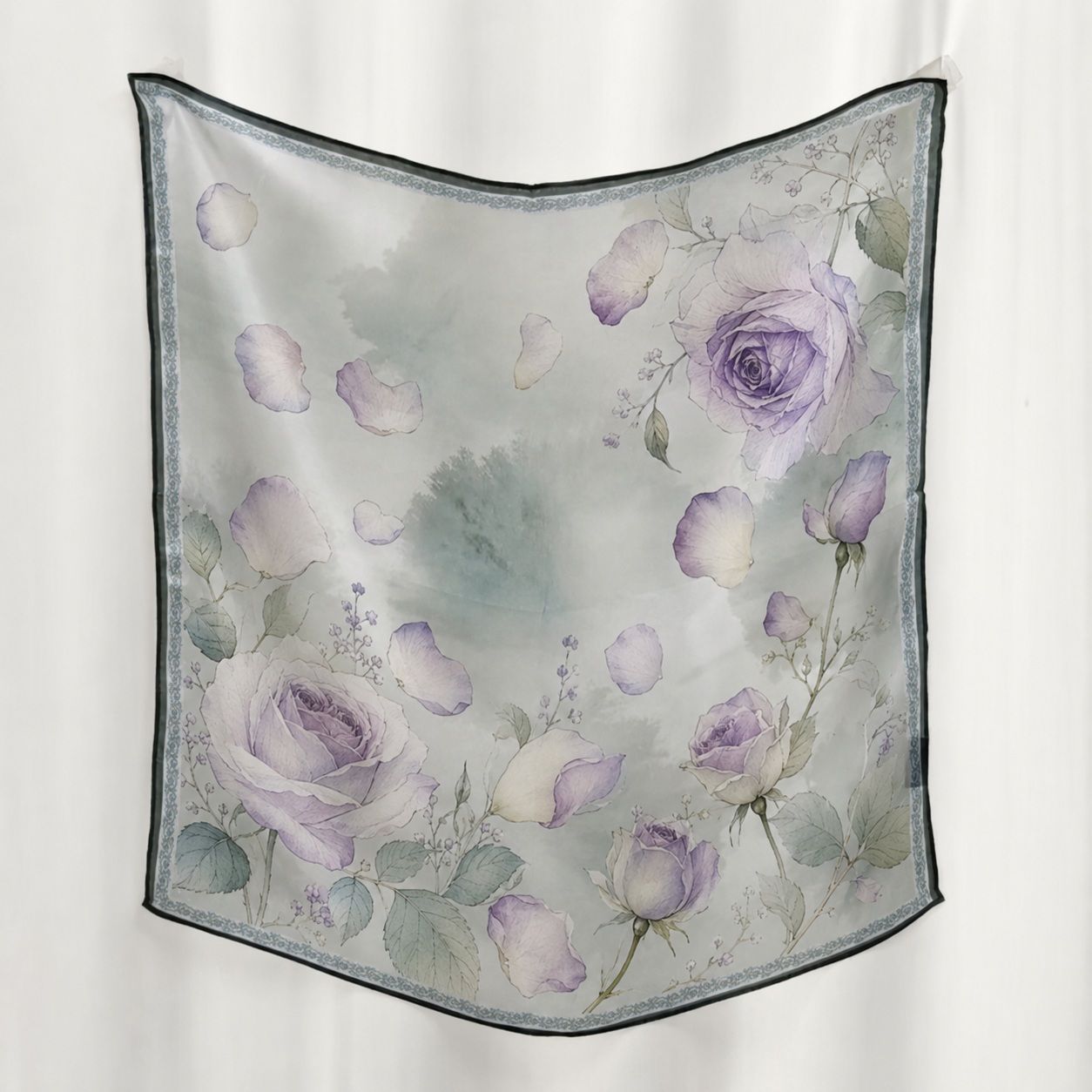
Personalization is not limited to putting a name or logo on fabric. In scarf development, it can mean choosing the right size for a customer group, translating a brand story into artwork, using meaningful colors, placing symbols in a wearable layout, and matching the packaging to the gift or retail moment.
For a fashion brand, personalization may come from an archive print, seasonal palette, or artist collaboration. For a hotel, museum, school, wedding planner, or corporate buyer, it may come from architecture, local culture, floral references, maps, initials, or a private event story. The key is to make the scarf feel designed, not merely decorated.
A successful personalized scarf should still be easy to wear. If the design is too literal, too logo-heavy, or too difficult to fold, customers may keep it in a drawer rather than use it. DOCSUN usually recommends balancing story elements with wearable borders, repeat details, and colors that suit the target customer.
Start with the Customer, Not the Artwork
Before designing the scarf, define who will use it. A boutique customer, wedding guest, museum visitor, airline employee, hotel VIP, corporate client, or online fashion buyer will each expect a different product. The use case affects fabric, size, packaging, quantity, and budget.
For premium retail, a 90cm silk twill scarf may deliver stronger luxury value. For event gifts, a 53cm or 68cm square can be more practical. For handbag styling or corporate gifting, twillies and smaller scarves can reduce cost while keeping the silk accessory feeling refined.
This is also where internal product architecture matters. If the project is clearly a silk scarf, it should support the custom silk scarf landing page. If the brand is exploring multiple scarf materials, it can connect to the broader custom scarves hub.
Choosing Mulberry Silk, Satin, Chiffon, or Blends
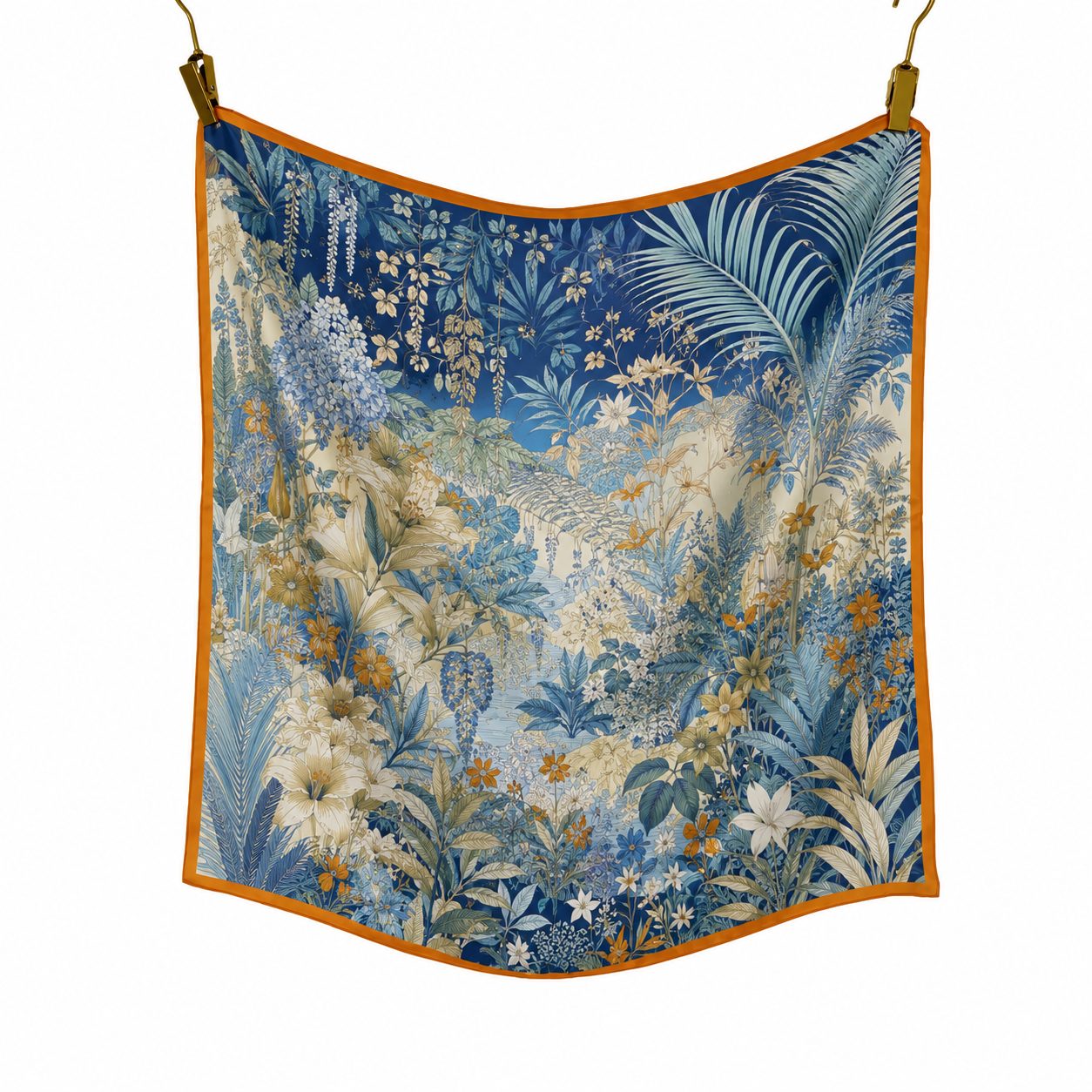
Mulberry silk twill is often the safest premium choice for personalized printed scarves because it offers structure, color depth, and a luxury hand feel. It is suitable for designer collections, cultural retail, corporate gifts, and scarves where the print needs to remain clear after folding.
Silk satin creates a smoother shine and a dressier mood. Chiffon feels light, airy, and romantic. Silk-wool blends are warmer and more seasonal. Polyester or silk-like fabrics may be considered for budget programs, but they should be chosen carefully because hand feel and print quality can change customer perception.
Fabric should be selected with artwork and price in mind. Before sampling, compare options through fabric, colors, and craftsmanship, then confirm the final choice with a physical sample.
Artwork, Motifs, and Logo Placement
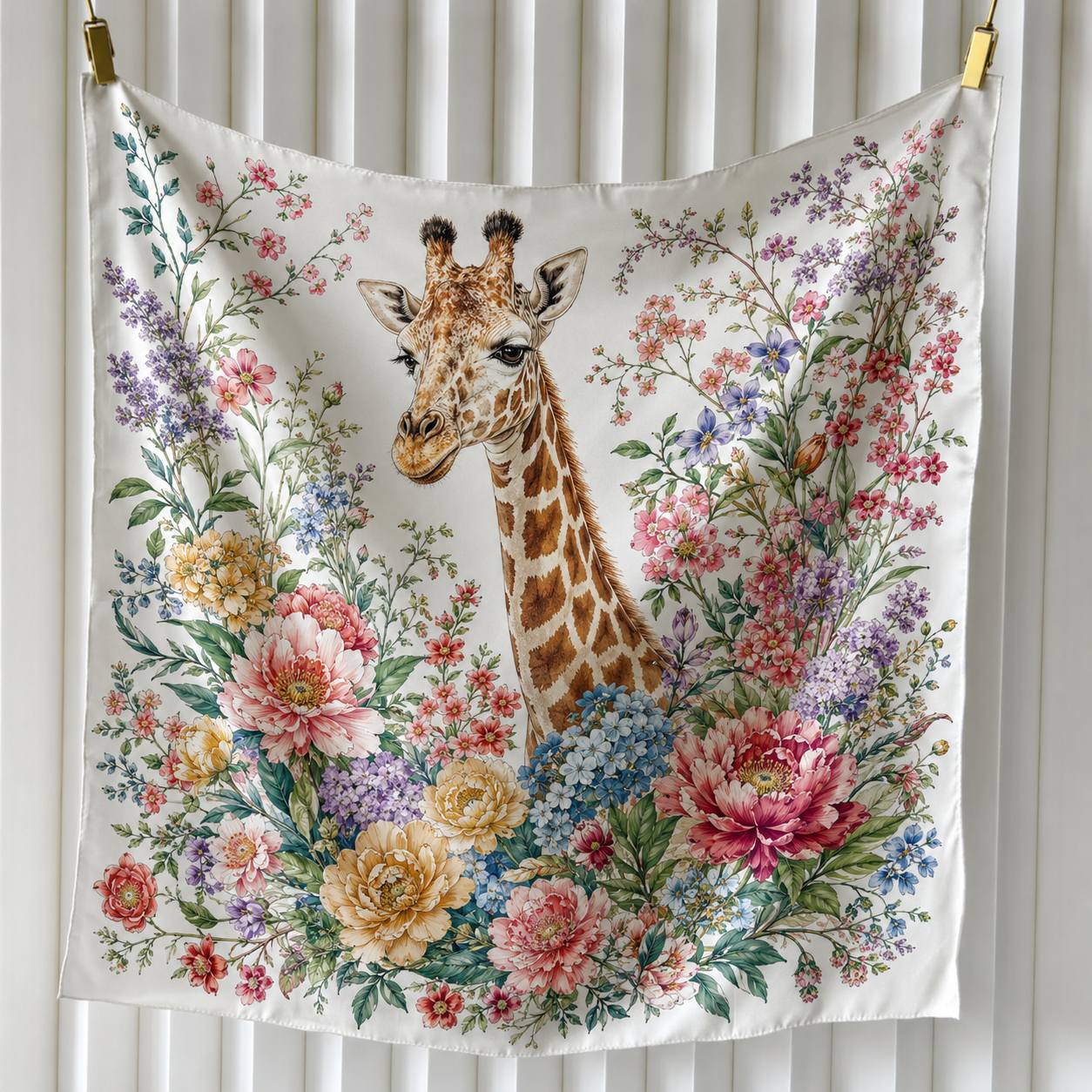
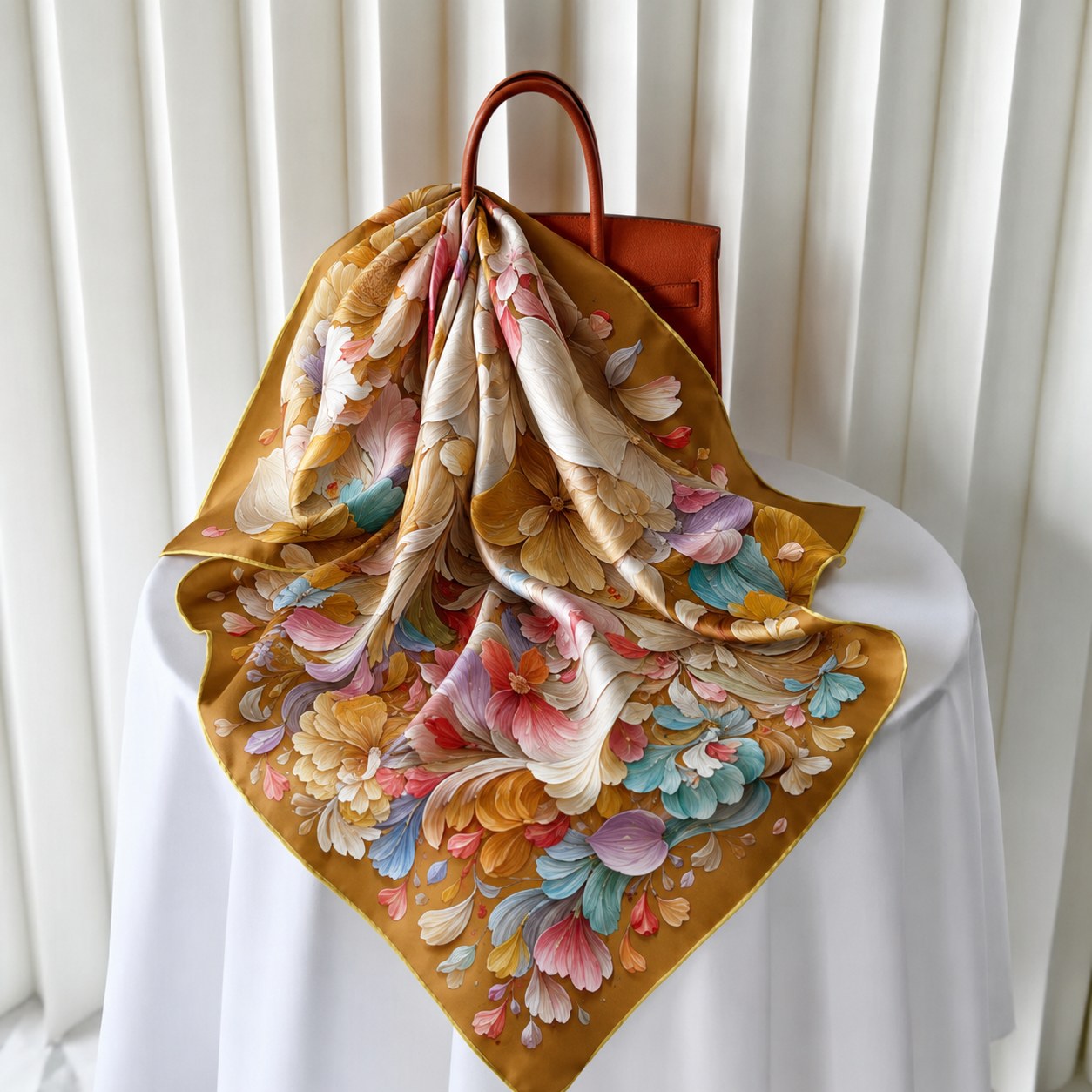
Personalized artwork should be designed for folding. Important motifs can be placed in corners, borders, or repeated areas so they remain visible when the scarf is tied. A large central image may work for photography, but it can disappear when worn around the neck.
Logo placement should be subtle enough to keep the scarf wearable. Brands can use corner logos, border logos, repeat icons, woven labels, care labels, hangtags, or packaging. For gift projects, the logo can also appear on the card or box rather than dominating the scarf surface.
If the design uses animals, plants, cultural symbols, or destination references, check that the motif feels appropriate for the target market. A well-made scarf should carry meaning without becoming too literal. Use the custom printing process to review files, colors, and proofing before bulk production.
Packaging Turns a Scarf into a Gift
Personalized scarves often succeed because they feel giftable. Packaging can transform a scarf from a fabric product into an experience. A simple envelope may work for retail, while a wedding, VIP, or corporate gift may need a box, tissue paper, ribbon, insert card, or story card.
The package should match the scarf size and folding method. A 90cm square needs different presentation than a twilly or 53cm square. If the scarf is part of a larger gift set, the packaging should protect the fabric and present the brand clearly when opened.
DOCSUN supports custom packaging for silk scarves, including box styles, sleeves, cards, labels, and coordinated gift presentation. Packaging should be planned before bulk production so the folded scarf, label, and box fit correctly.
Production Checklist for Personalized Silk Scarves
A practical production brief should include target customer, use case, scarf size, fabric, artwork file, color references, edge finishing, label requirement, packaging, quantity, budget, sample deadline, and bulk delivery date. These details reduce unnecessary revisions.
During sample review, check fabric hand feel, print clarity, color accuracy, motif visibility after folding, reverse-side appearance, edge finishing, label comfort, packaging fit, and final photography. For premium products, do not approve only from a flat image; review how the scarf feels and folds.
If you are building a personalized scarf program, review scarf custom cases for reference and contact DOCSUN with your artwork, quantity, and schedule. The team can help turn the idea into a sample and production plan.
FAQ
What is a personalized silk scarf?
A personalized silk scarf is a custom scarf designed around a brand, artwork, customer group, event, destination, logo, color palette, or gift story rather than a generic print.
Which fabric is best for custom silk scarves?
Mulberry silk twill is often best for premium printed scarves because it offers structure, print clarity, and luxury hand feel. Satin, chiffon, and silk-wool blends can support different moods and price points.
Can logos be added to silk scarves?
Yes. Logos can be placed in corners, borders, repeat patterns, woven labels, care labels, hangtags, packaging, or insert cards. Subtle placement usually makes the scarf more wearable.
What scarf size works for personalized gifts?
A 53cm or 68cm square is practical for gifts and styling. A 90cm square feels more luxurious. Twillies can work well for handbags, hair, and lower-cost premium gifting.
What should be prepared before sampling?
Prepare target customer, scarf purpose, artwork, size, fabric, color reference, edge finishing, label, packaging, quantity, budget, and delivery schedule.
Plan Your Custom Project with DOCSUN
Send your target market, product idea, artwork direction, fabric preference, quantity, packaging requirement, and delivery schedule. DOCSUN can help you turn the concept into a practical sample and production plan.
Contact UsFabric cards, color cards, and craftsmanship references are available in our Australia, United States, and United Kingdom offices on request.