What Eco-Friendly Means in Scarf Production
For fashion accessories, "eco-friendly" should not be treated as a decoration word. It should connect to real product decisions: what fabric is used, how much waste is created during development, whether the design will remain wearable, and how the finished scarf is packaged and delivered.
Silk scarves can support a more thoughtful fashion strategy because they are seasonless, compact, giftable, and often kept for years. But a scarf is not automatically sustainable just because it is made from silk. Brands still need to manage sampling, color approval, production quantity, claims, and packaging with care.
For a custom silk scarf project, the best starting point is a clear brief: target customer, fabric preference, scarf size, artwork purpose, print method, edge finishing, order volume, packaging, and any sustainability documentation required by the sales channel.
Fabric Selection and Product Longevity
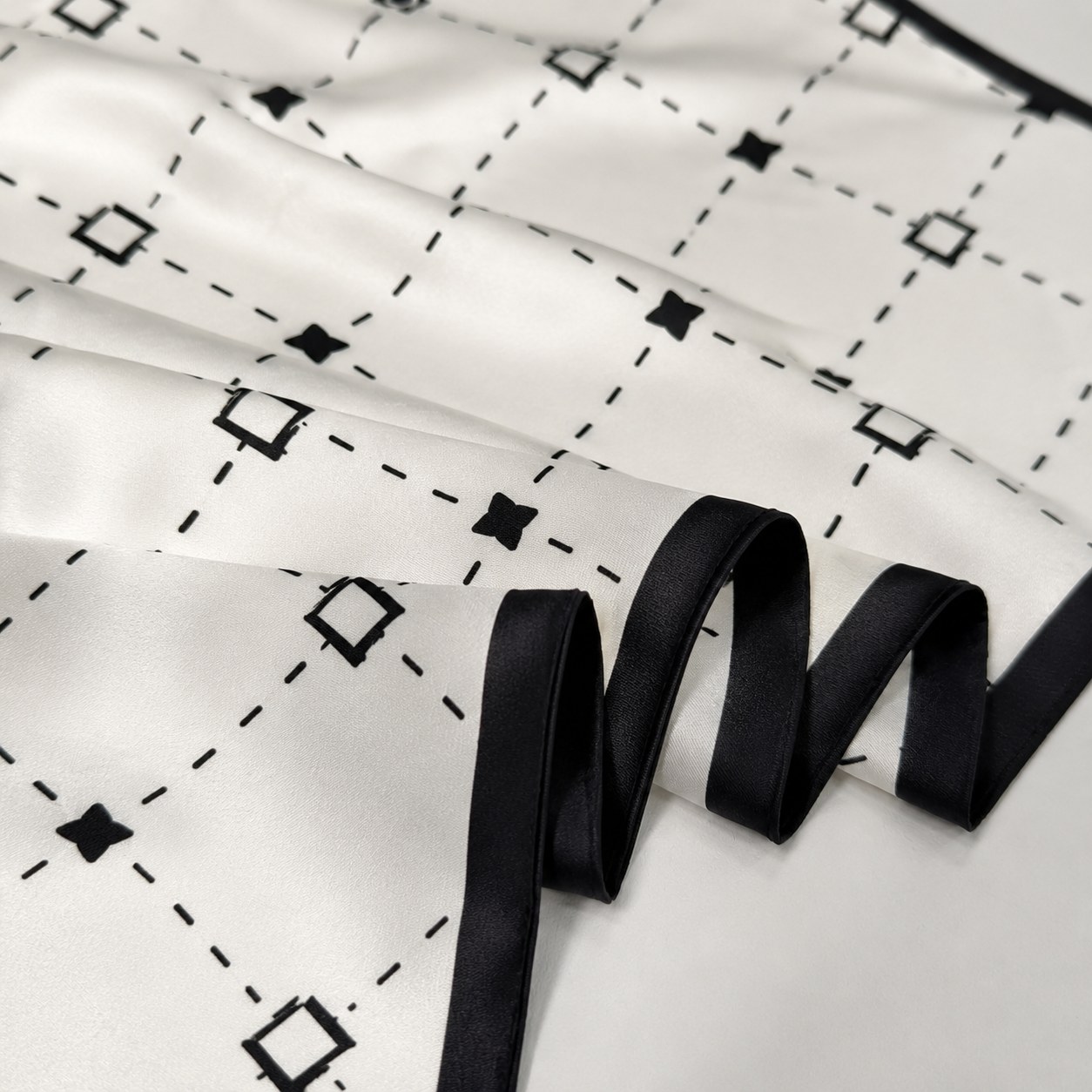
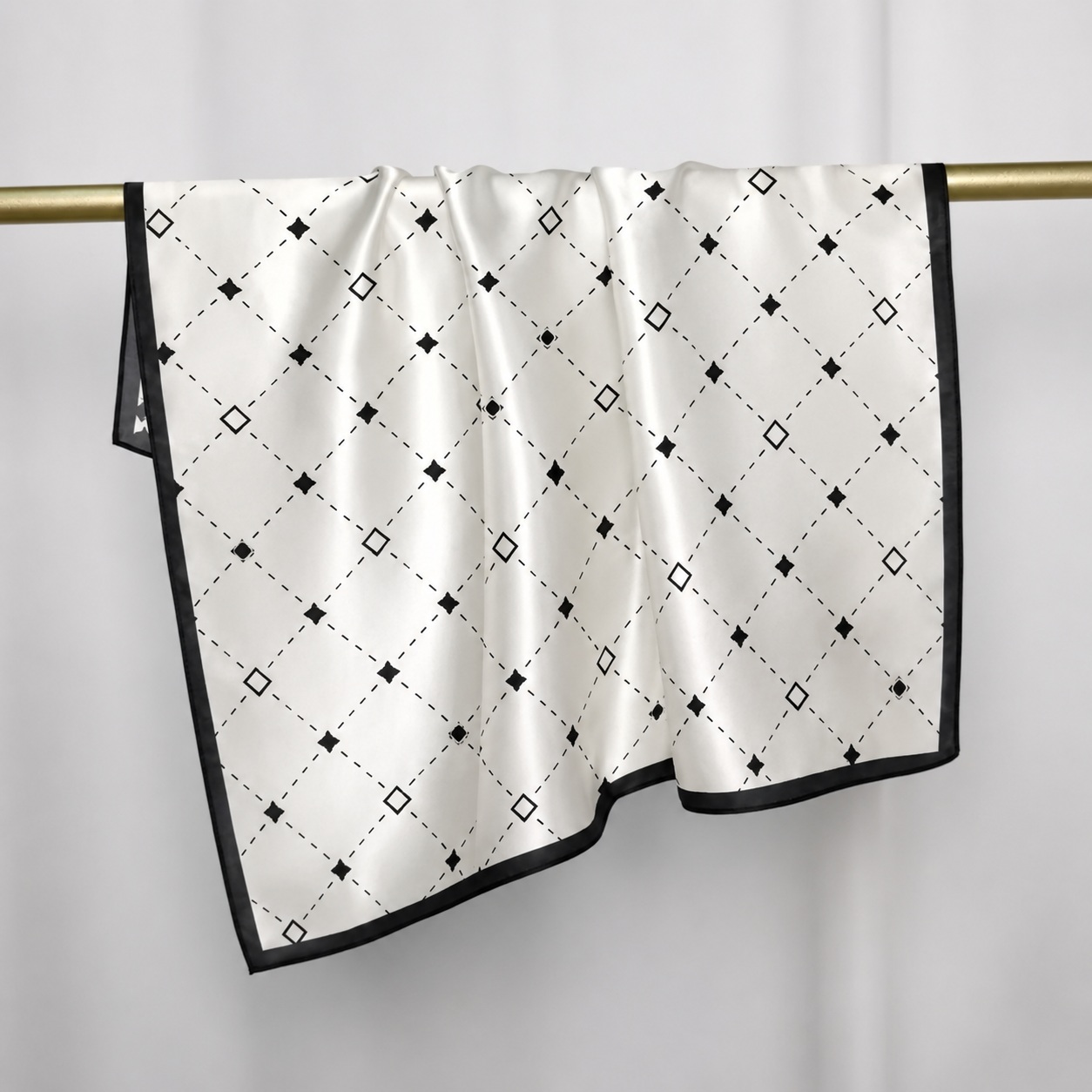
Fabric is the foundation of both quality and responsible product development. A scarf that feels good, prints well, and lasts longer is less likely to become a short-life promotional item. For premium collections, 100% mulberry silk twill, satin, or chiffon can each work, depending on the design and use scenario.
Silk twill is often selected for structured square scarves, detailed motifs, and premium gifts. Silk satin gives stronger shine and color depth. Silk chiffon is light and airy for soft styling. If your team is comparing options, our silk fabric guide explains fabric differences in more detail.
Printing, Color Planning, and Sample Approval
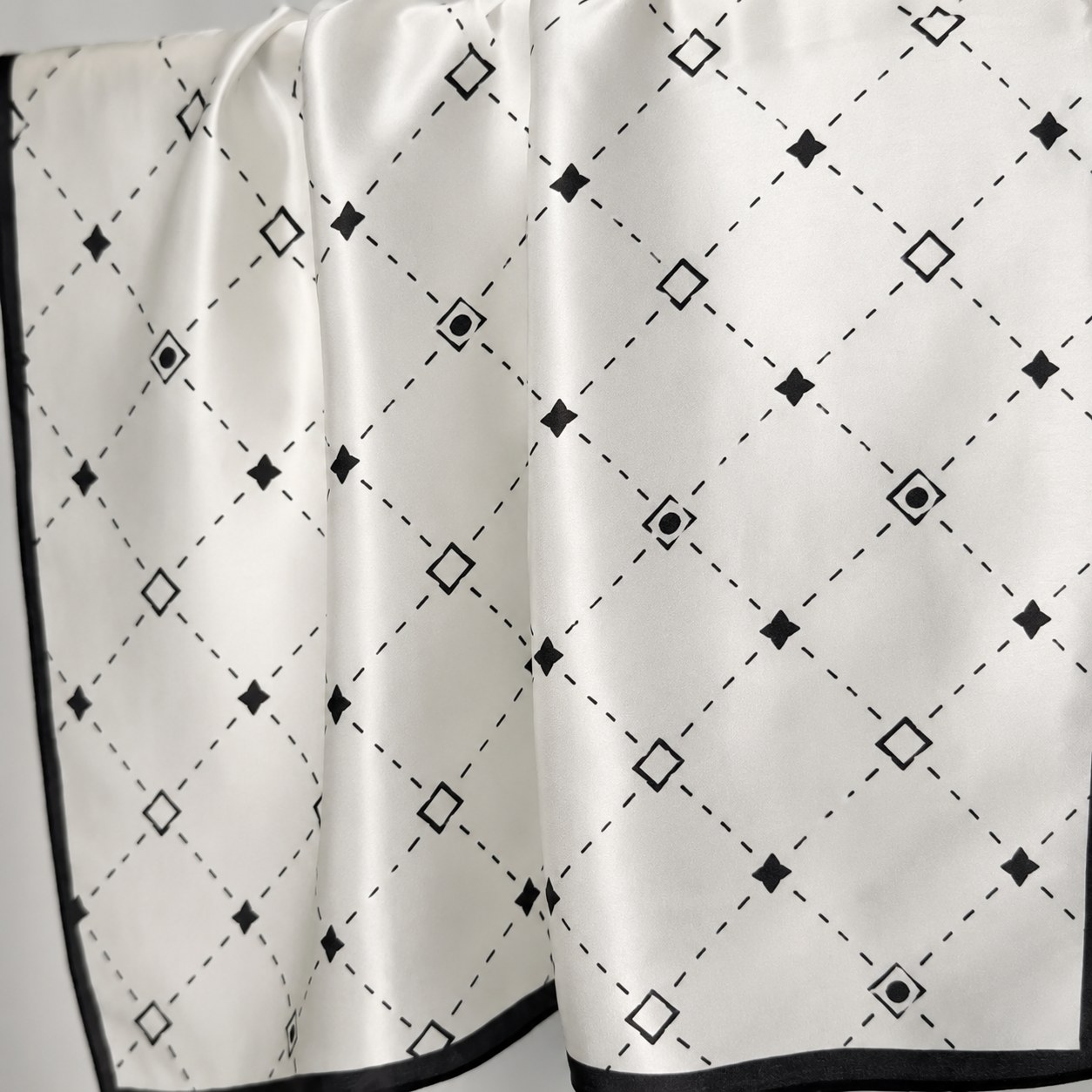
Efficient sampling is one of the most practical ways to reduce waste. Before printing, confirm artwork size, color references, border position, repeat direction, and whether the scarf needs one-sided or double-sided visual performance.
For many custom scarf projects, digital printing can support detailed artwork and flexible production. Screen printing may be considered when the artwork and volume match that method. The right choice depends on color count, artwork style, fabric, quantity, and budget. Review the custom printing process before finalizing production files.
Color approval should use physical samples whenever possible. Screen colors, Pantone references, and fabric results can differ. A clear approval workflow reduces unnecessary remake cycles.
Design for Longer Use
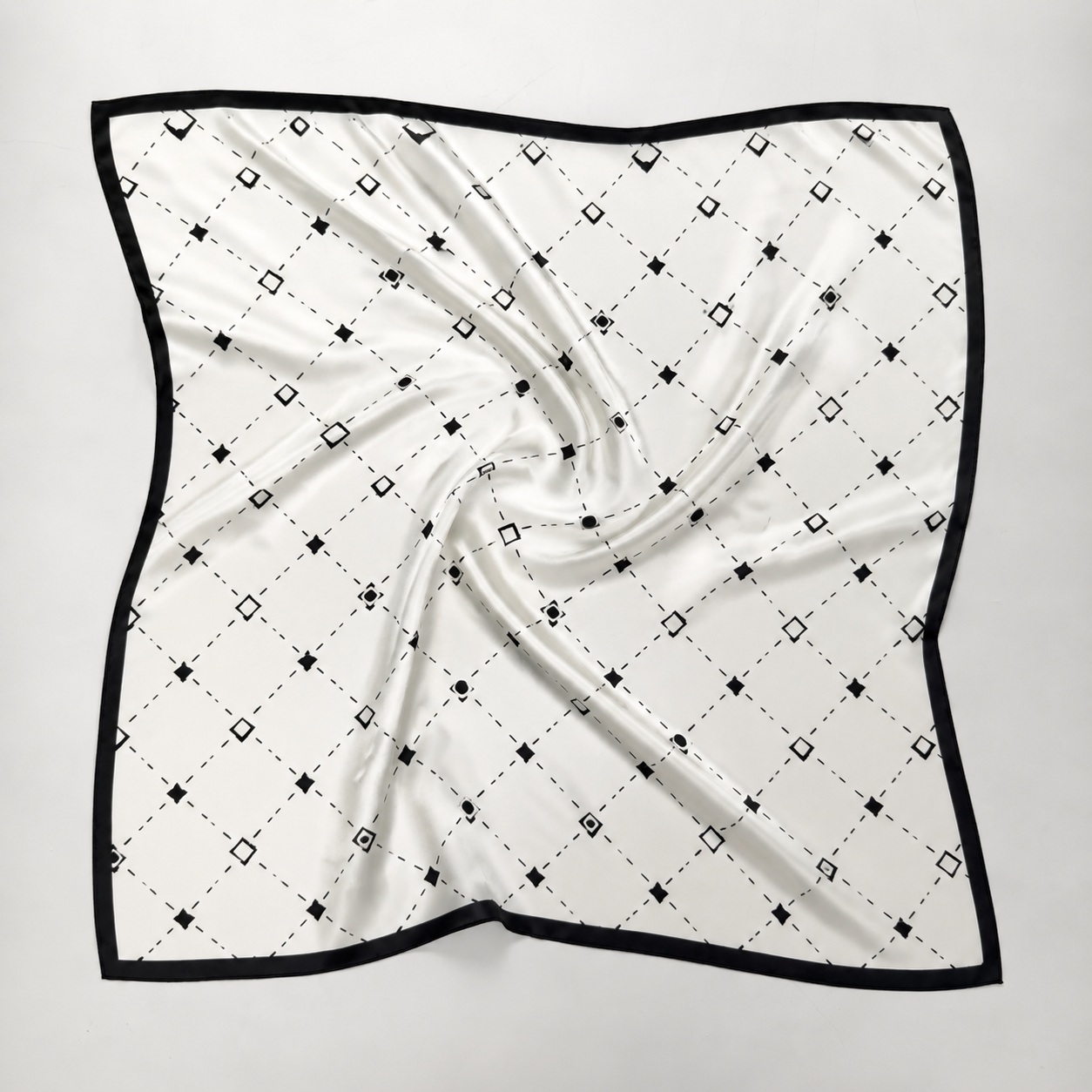
One of the strongest sustainability decisions is to design a product that customers want to keep. Scarves with balanced color palettes, meaningful motifs, quality hand feel, and flexible styling value often have a longer life in a wardrobe.
Seasonal artwork can still be responsible if the scarf is designed with enough versatility. Instead of relying only on a short trend, brands can use refined borders, wearable base colors, brand symbols, regional motifs, or art-inspired layouts that feel collectible.
Packaging and Presentation Choices
Packaging has a direct impact on both customer experience and material use. A luxury scarf may need a box, card, sleeve, or gift-ready presentation. But packaging should be sized correctly and designed with purpose rather than excess.
For retail, corporate gifting, or boutique collections, brands can consider envelope boxes, paper sleeves, reusable boxes, care cards, and label systems. Packaging should protect the scarf, support the brand story, and avoid unnecessary layers. DOCSUN can support custom packaging options for scarf projects.
How to Avoid Greenwashing
Customers, retailers, and search engines are becoming more sensitive to unsupported environmental claims. If a brand says a scarf is sustainable, eco-friendly, organic, recycled, low-impact, or biodegradable, the claim should be specific and backed by evidence.
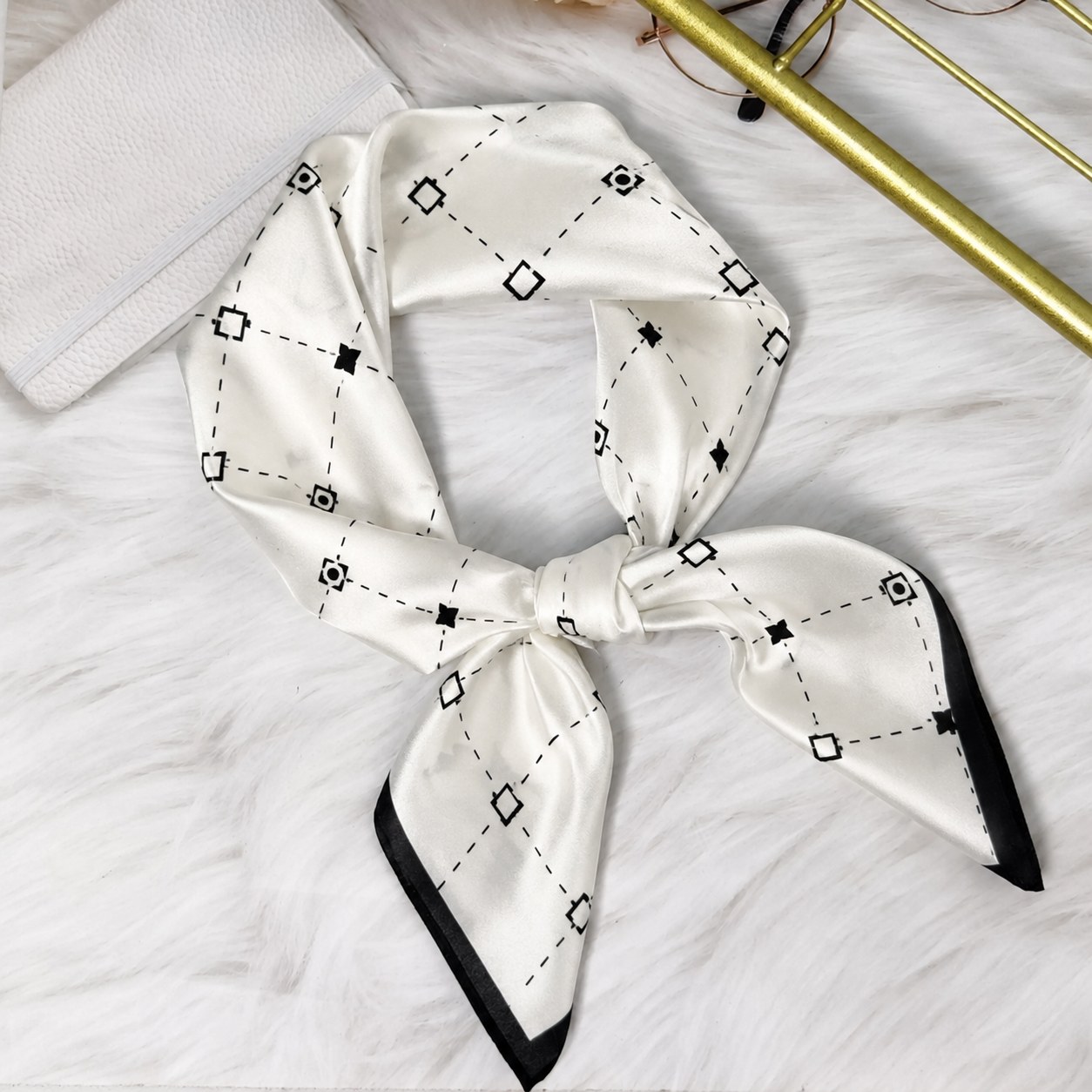
A safer approach is to describe the real choices: 100% mulberry silk fabric, made-to-order production, durable finishing, right-sized packaging, careful color approval, and long-wear design. If certification is available, name it accurately. If it is not available, avoid implying that the product has been independently certified.
Checklist for Brands
| Decision | What to confirm | Why it matters |
|---|---|---|
| Fabric | Fiber, weave, momme weight, hand feel, opacity | Controls quality, durability, and print performance |
| Printing | Artwork scale, color reference, sampling, approval process | Reduces remake risk and color disputes |
| Finishing | Hand-rolled edge, machine hem, label, care label | Supports product positioning and lifespan |
| Packaging | Box size, sleeve, care card, material choice, shipping needs | Balances presentation and material use |
| Claims | Certificates, test reports, traceability, wording | Prevents unsupported sustainability messaging |
Frequently Asked Questions
Are custom printed silk scarves eco-friendly?
They can be part of an eco-conscious product strategy when the project uses quality fabric, careful sampling, realistic quantity planning, durable finishing, and appropriate packaging. Avoid broad claims unless they are supported by documentation.
Is mulberry silk a sustainable fabric?
Mulberry silk is a natural luxury fiber, but sustainability depends on sourcing, production, dyeing or printing, packaging, transport, and product lifespan. Specific claims should be supported by supplier documentation or certification.
Which print method is better for lower-waste scarf development?
There is no single answer. Digital printing can be useful for detailed artwork and flexible production, while screen printing can suit some larger orders. The best choice depends on fabric, artwork, color requirements, and quantity.
How can brands reduce waste during scarf sampling?
Prepare complete artwork files, confirm color references, approve fabric before sampling, use a clear sample review process, and avoid changing size, border, or color direction after print approval.
Can DOCSUN help with eco-conscious scarf packaging?
Yes. DOCSUN can discuss packaging size, presentation style, care cards, labels, and custom boxes so the packaging fits the product and brand positioning without unnecessary excess.
Plan an Eco-Conscious Custom Silk Scarf Project
Share your artwork, target market, fabric preference, packaging needs, and any documentation requirements. DOCSUN can help align silk fabric, printing, finishing, and packaging before sampling.
Contact DOCSUNFast response within 24 hours.