
Why Fabric Choice Matters for Wholesale Scarf Printing
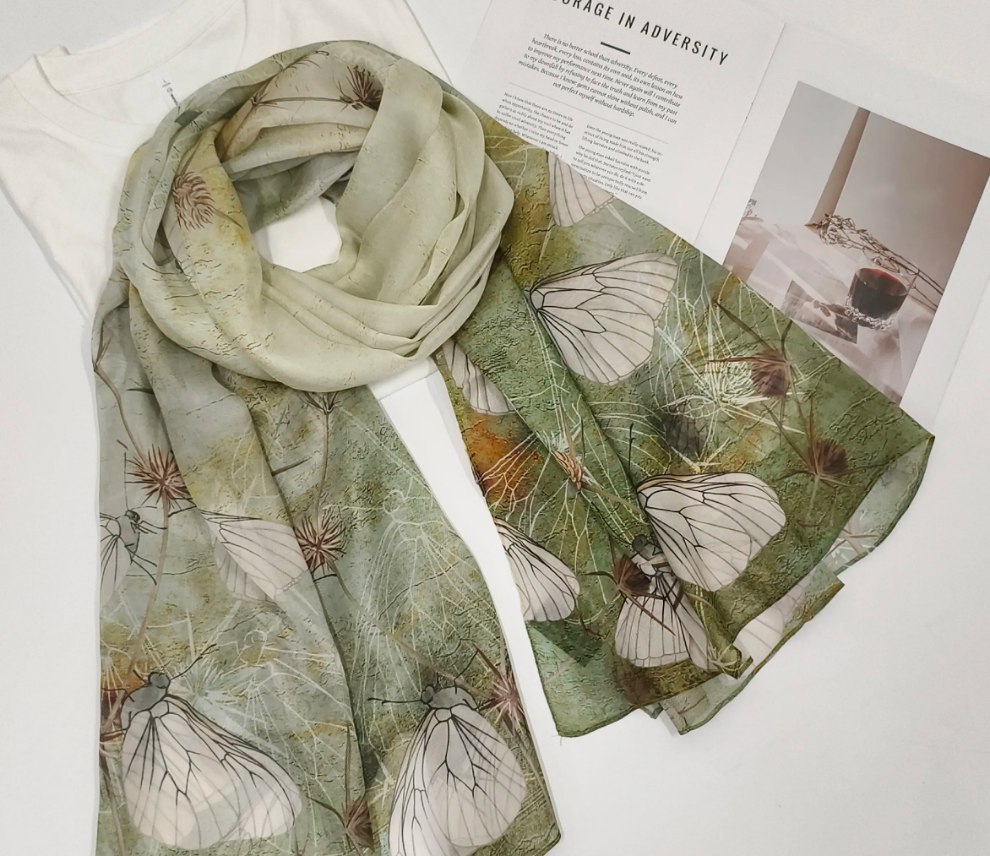
Fabric is not just a base material. It decides how the artwork prints, how the scarf folds, how the edge finishes, how the label sits, and how customers judge quality when they touch the product. A beautiful design can look weak if the fabric is too transparent, too rough, too shiny for the artwork, or unsuitable for the intended print method.
For wholesale projects, fabric also affects sampling cost, bulk price, production time, packaging size, and repeat order consistency. Buyers should choose the fabric before final artwork approval, because the same motif can look sharper, softer, richer, or more transparent depending on the weave and weight.
Start with the Scarf's Commercial Role
Before comparing fabric names, define the scarf's job. A luxury 90cm square scarf, a promotional twilly, a resortwear wrap, a museum gift, a corporate scarf, and a seasonal boutique accessory do not need the same fabric. The right choice comes from target customer, retail price, size, styling use, order quantity, and packaging level.
For a premium collection, silk twill or heavier satin may justify a higher perceived value. For a lighter accessory program, chiffon or lighter silk may be more suitable. For cold-weather or soft-touch collections, a custom silk wool scarf direction can be considered. For a full scarf range, connect fabric planning with the broader custom scarves structure.
Silk Twill: Stable, Structured, and Print-Friendly
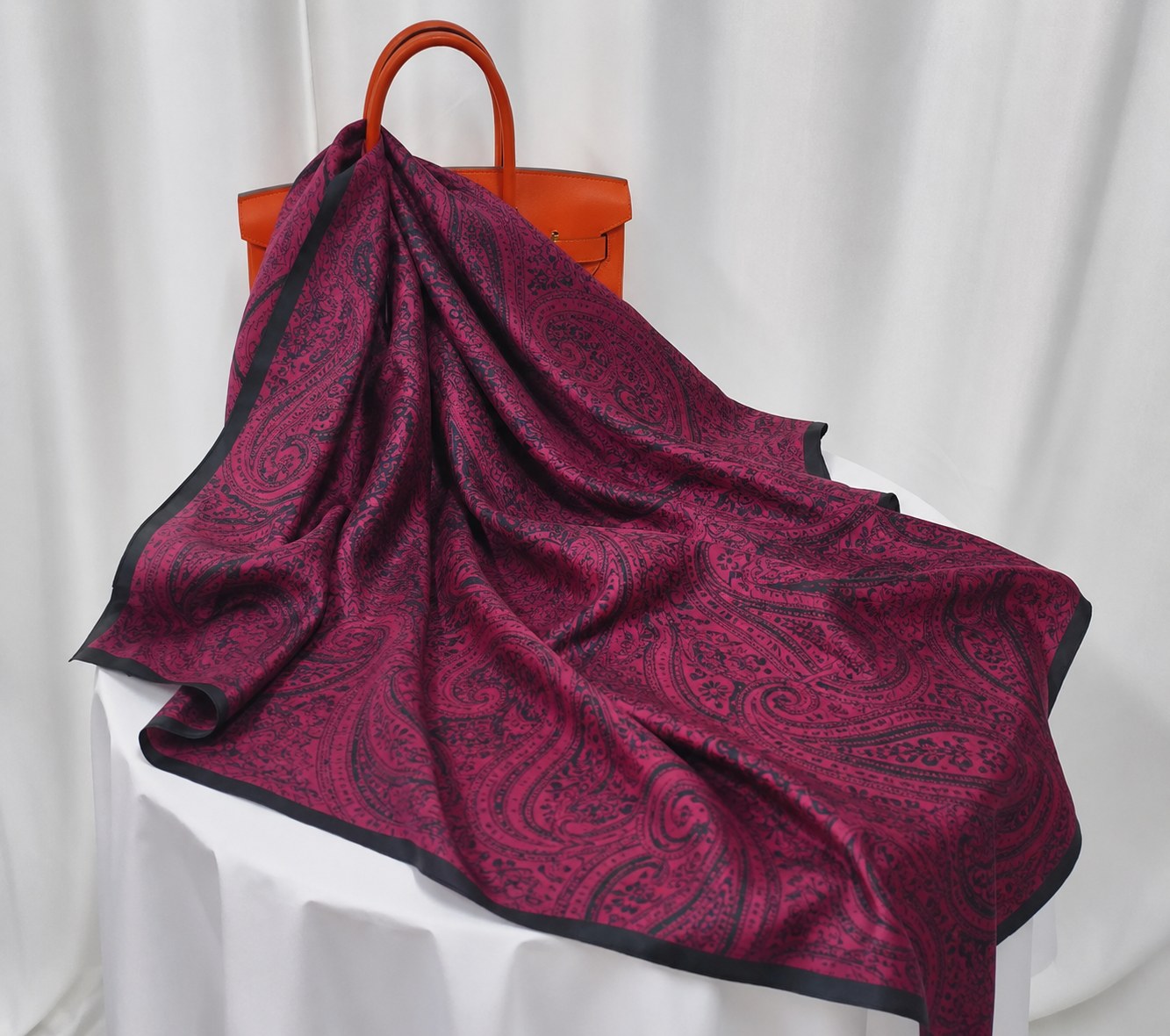
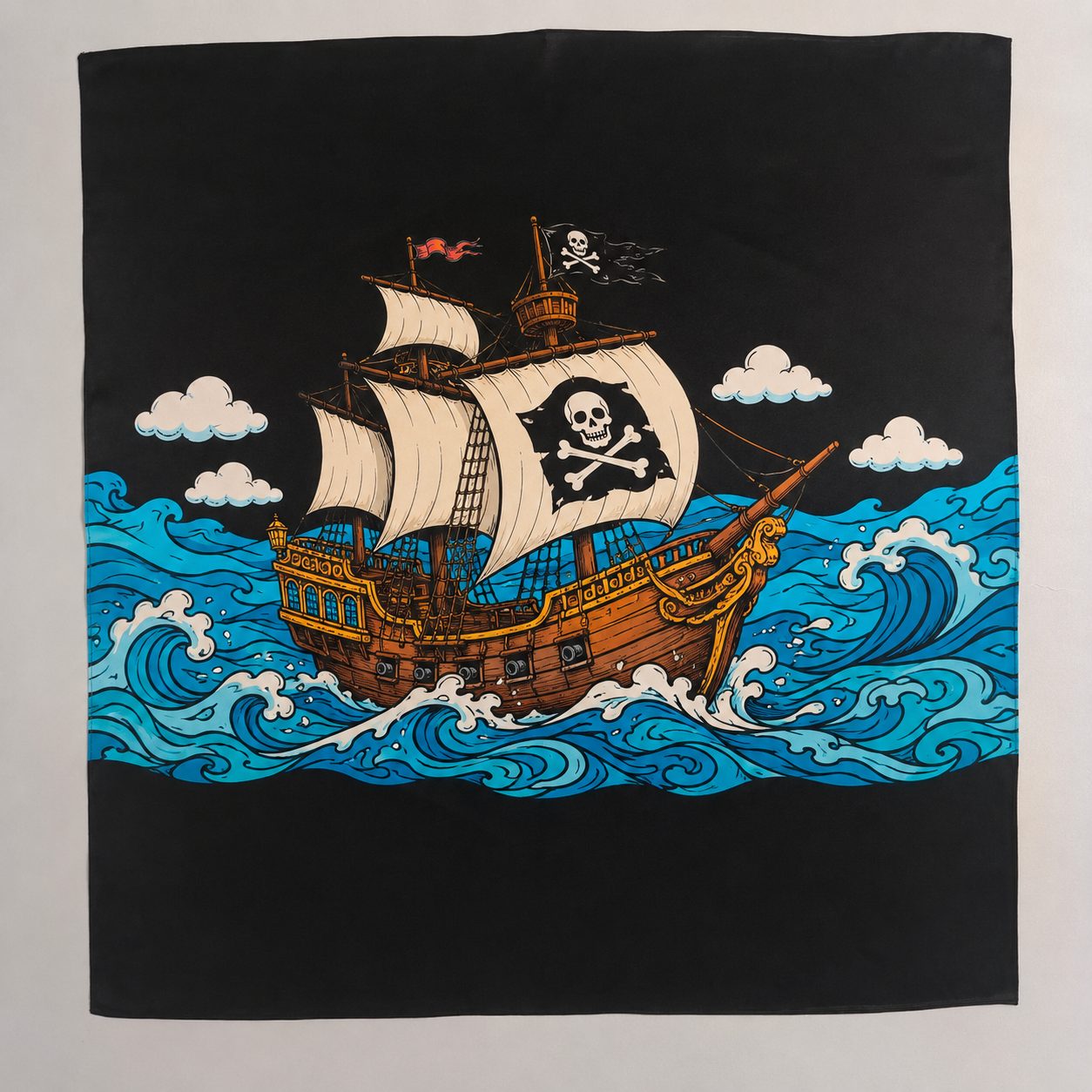
Silk twill is often the safest choice for premium printed square scarves because it has body, diagonal texture, and good print definition. It folds neatly, holds shape better than very light fabrics, and supports border-led scarf layouts. For brands building a recognizable scarf line, twill is often the first fabric to test.
Twill is especially useful for 53cm, 68cm, and 90cm square scarves, brand gifts, boutique collections, museum scarves, and designs with borders, chains, architectural motifs, or detailed illustration. If the buyer wants a classic printed silk scarf with reliable hand feel and strong perceived quality, start with twill sampling on the custom silk scarf product route.
Silk Satin: Shine, Smoothness, and Rich Color
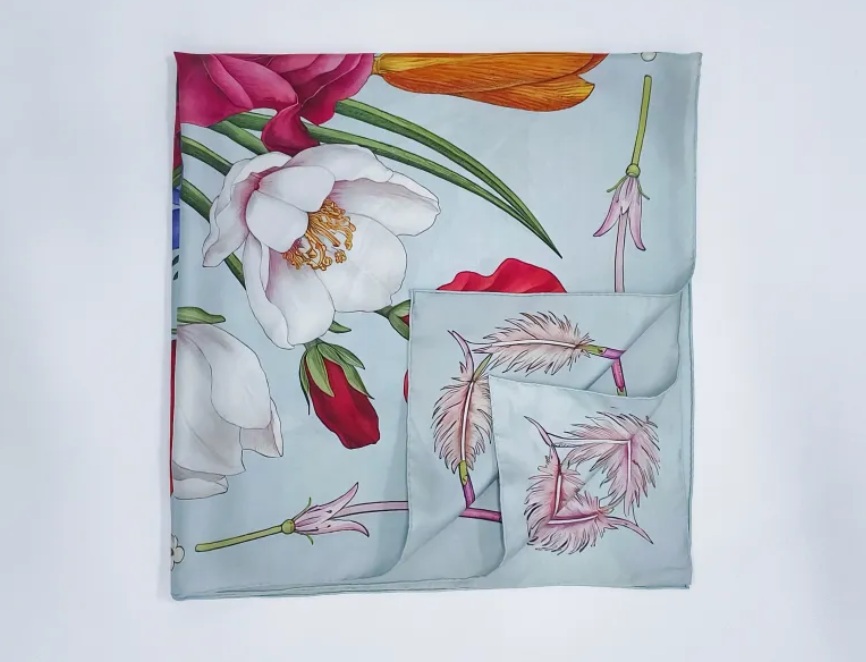
Silk satin has a smoother and more luminous surface than twill. It can make color look richer, softer, and more dressy. This is useful for elegant gift scarves, fashion accessories, sleepwear-linked scarf sets, and products where shine is part of the design language.
The tradeoff is that satin can show creases, light reflection, and surface marks more obviously in photography. If the artwork relies on subtle gradients or luxury shine, satin can be excellent. If the design needs stronger structure, sharp borders, or a more classic scarf body, twill may be easier to control.
Silk Chiffon and Lightweight Silk: Airy but More Transparent
Silk chiffon and lighter silk fabrics create a floating, translucent effect. They work well for resortwear, summer scarves, soft neck accessories, feminine styling, and layered looks. They may also support lower-weight programs where the goal is movement rather than structure.
The important point is expectation control. Fine lines, pale artwork, and low-contrast details may look softer on transparent fabric. Buyers should review opacity, color strength, and drape on a real printed sample instead of relying only on a digital mockup.
Silk-Wool Blends: Warmth and Seasonal Hand Feel
Silk-wool blends can help brands create scarves with a warmer, softer, more seasonal feeling while keeping a refined hand. They are suitable for autumn and winter collections, premium gift programs, travel accessories, and brands that want a scarf to feel more substantial than lightweight silk.
This fabric direction needs careful testing because wool content, weave, brushing, print method, and finishing can all affect color clarity. If the scarf needs warmth and softness, silk-wool is meaningful; if the priority is crisp artwork and a classic square scarf identity, twill is usually more straightforward.
Match Print Method with Fabric Surface
Digital printing is flexible for detailed motifs, gradients, small batches, complex color stories, and seasonal collections. Screen printing may be considered for certain solid color designs or larger runs. The fabric surface must support the intended print clarity, color depth, and registration accuracy.
For technical planning, review DOCSUN's custom printing process and confirm artwork size, border allowance, print direction, logo placement, and color references before sample production. A scarf print should be reviewed both flat and folded, because real customers rarely see the full artwork at once.
Color Control, Momme Weight, and Drape
Wholesale scarf buyers should check printed color under natural light, indoor light, and photography lighting. Silk fabric can change the perceived color because of shine, texture, and transparency. Dark colors may look rich on satin, crisp on twill, and softer on chiffon. Pale colors may need stronger testing when the fabric is thin.
Momme weight should match the product's purpose. Heavier silk can improve opacity and perceived value, but it may increase cost and change drape. Lighter silk can feel graceful but may need more careful artwork planning. Use fabric cards and printed samples through DOCSUN's fabric, color, and craftsmanship resources before approving bulk production.
Edge Finishing, Label Position, and Packaging
The fabric choice also affects edge finishing. A structured silk twill scarf may support a refined rolled edge or clean machine hem, while chiffon and very light silk need careful handling to avoid distortion. Label position should be planned before sampling so the scarf remains comfortable and visually balanced when worn.
Packaging matters for wholesale presentation. A scarf for boutique retail, corporate gifts, or museum shops may need a box, sleeve, care card, sticker, tissue paper, or gift-ready presentation. Use custom packaging when the scarf needs to look finished at the point of sale, not only during production approval.
Buyer Checklist Before Bulk Production
Confirm fabric type, momme weight, scarf size, print method, artwork resolution, color references, border allowance, edge finish, label position, packaging, quantity, sampling deadline, bulk delivery date, and repeat-order requirements. Keep one approved production sample as the benchmark for future orders.
If the project is still unclear, prepare a short brief with target customer, retail price, size, fabric preference, artwork file, color references, quantity, packaging needs, and delivery schedule. Then send it through contact us so fabric, printing, and sampling can be planned together rather than corrected later.
FAQ
What is the best silk fabric for scarf printing?
Silk twill is often best for premium square scarves and clear print definition, satin is useful for shine and rich color, chiffon works for lighter airy scarves, and silk-wool blends are useful for warmer seasonal products.
Is silk twill better than silk satin for scarves?
Neither is always better. Twill has body and print clarity, while satin has a smoother shine and more luminous surface.
Should wholesale buyers request fabric cards?
Yes. Fabric cards help buyers compare hand feel, shine, opacity, texture, and drape before paying for samples.
Can the same artwork print differently on different silks?
Yes. Fabric weave, surface, weight, and transparency can change color depth and print detail.
Can DOCSUN help with fabric and printing selection?
Yes. DOCSUN can help buyers choose fabric, printing method, edge finishing, labels, packaging, sampling, and bulk production planning for custom scarves.
Plan Your Custom Project with DOCSUN
Send your target market, product idea, artwork direction, fabric preference, quantity, packaging requirement, and delivery schedule. DOCSUN can help you turn the concept into a practical sample and production plan.
Contact UsFabric cards, color cards, and craftsmanship references are available in our Australia, United States, and United Kingdom offices on request.