Why Brands Choose Logo Printed Scarves
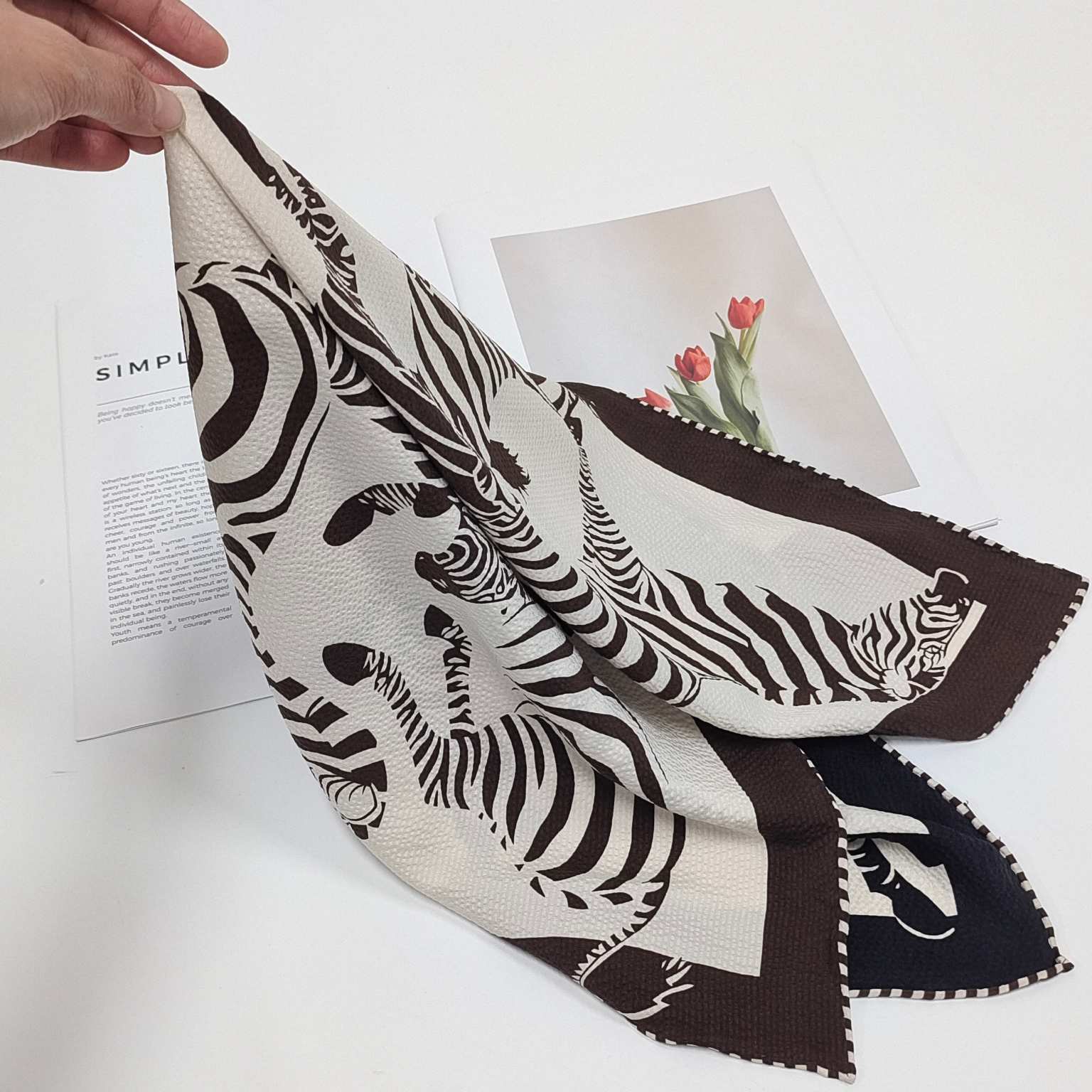
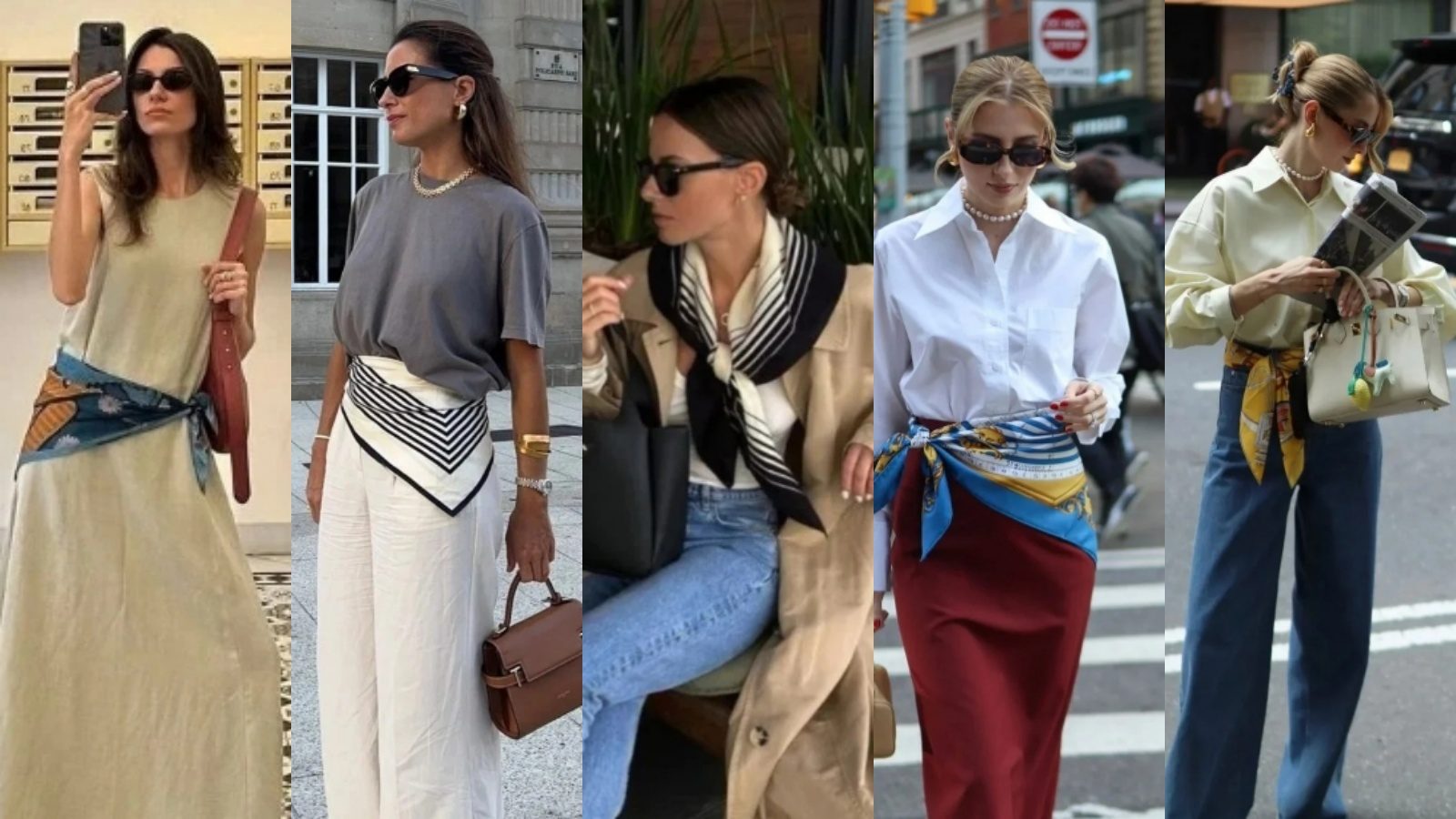
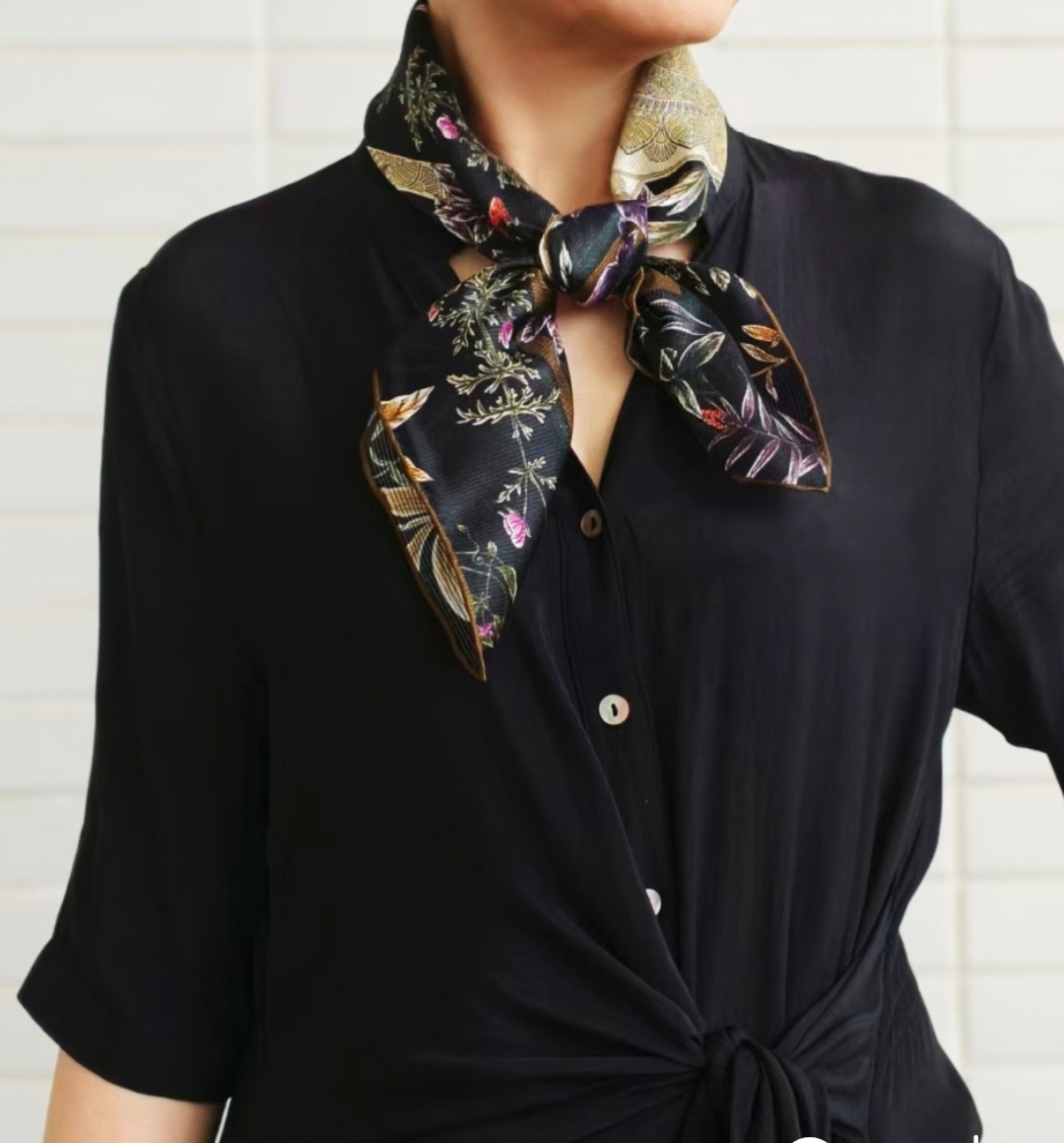
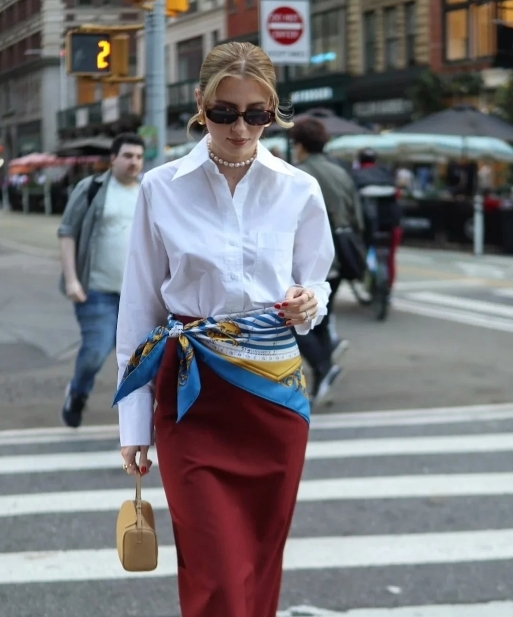
A logo printed scarf can communicate brand identity without feeling like a standard promotional item. When the fabric, print, and finishing are well chosen, the scarf becomes a wearable object that customers can style around the neck, wrist, bag handle, hair, or packaging presentation.
For fashion labels, hotels, museums, beauty brands, corporate events, and boutique retailers, scarves are flexible because they can carry logo marks, seasonal artwork, color palettes, campaign graphics, or regional motifs. The key is to make the logo feel integrated into the design rather than simply placed on top of the fabric.
If your project is part of a wider scarf line, review the full custom silk scarf development route before deciding fabric, size, and print method.
Choose the Right Scarf Size
The size of a logo printed scarf changes its use. A 53 cm scarf is compact and practical for neckwear, handbag styling, hair styling, gift boxes, and campaign sets. Larger formats such as 68 cm or 90 cm give more artwork space and a stronger fashion statement.
For a logo-focused scarf, smaller sizes can be effective because the product remains easy to wear and easy to package. However, small scarves need careful artwork placement. Borders, corner logos, repeat motifs, and center compositions should be tested at real scale.
| Scarf size | Common use | Logo planning tip |
|---|---|---|
| 53 x 53 cm | Neck scarf, bag scarf, gift scarf, campaign accessory | Use corner logos, borders, or compact repeat motifs. |
| 68 x 68 cm | Fashion scarf, premium gift, boutique accessory | Allows stronger center artwork and wider borders. |
| 90 x 90 cm | Luxury square scarf, brand collection, art scarf | Best for detailed storytelling and large visual layouts. |
Fabric Choice for Logo Printing
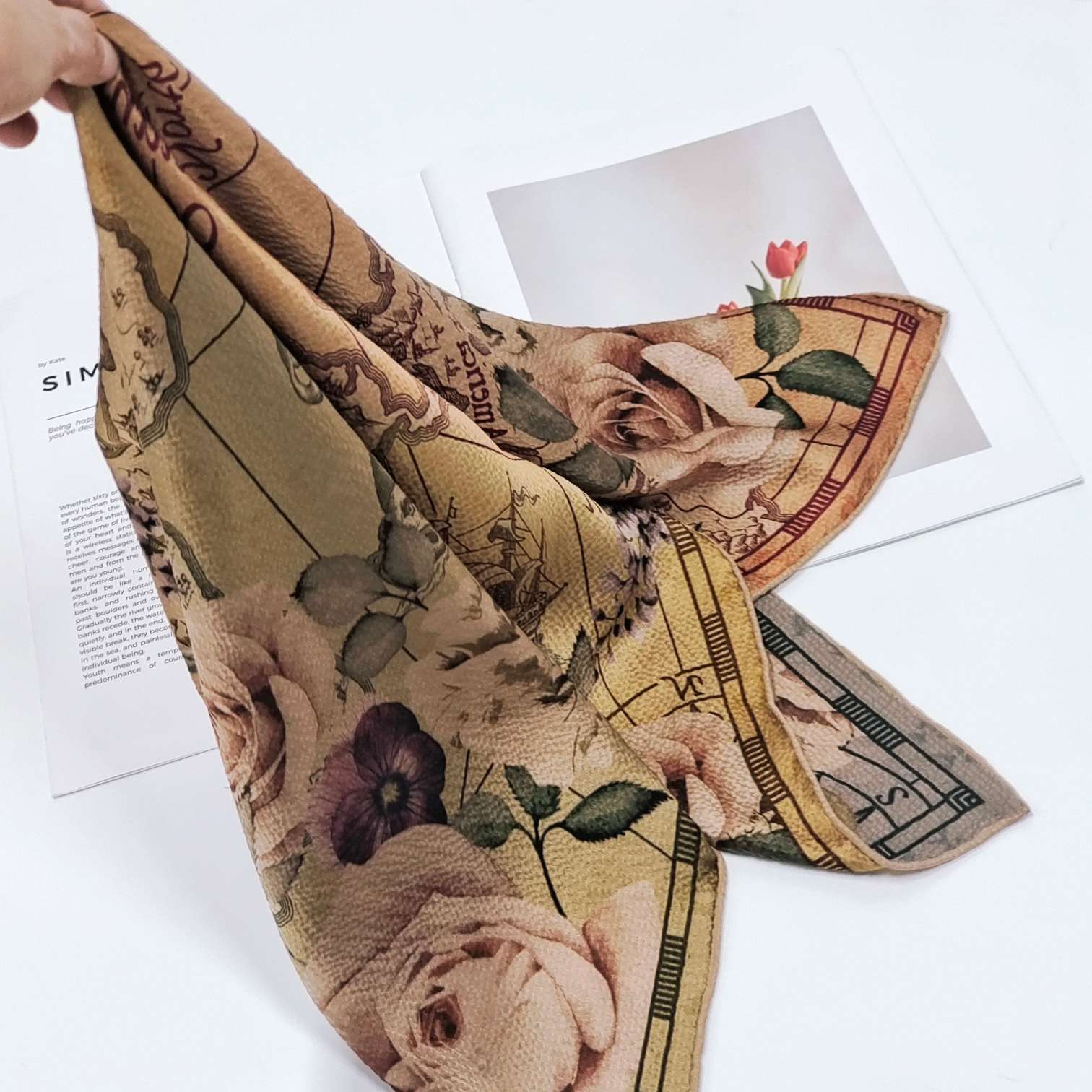
Fabric affects how the logo looks and how the scarf feels. Silk twill is often chosen for premium square scarves because it supports detailed prints and has a refined structure. Silk satin gives stronger shine and color depth. Silk chiffon is softer and lighter but may not hold a logo as sharply as denser silk fabrics.
For brand logos, print clarity is important. If the logo has fine lines, small text, or a strict color requirement, the fabric should be tested before bulk production. A manufacturer should help you compare fabric surface, momme weight, opacity, hand feel, and cost.
For a deeper comparison, see our guide to the best silk fabrics for scarves.
Logo Placement and Artwork Planning
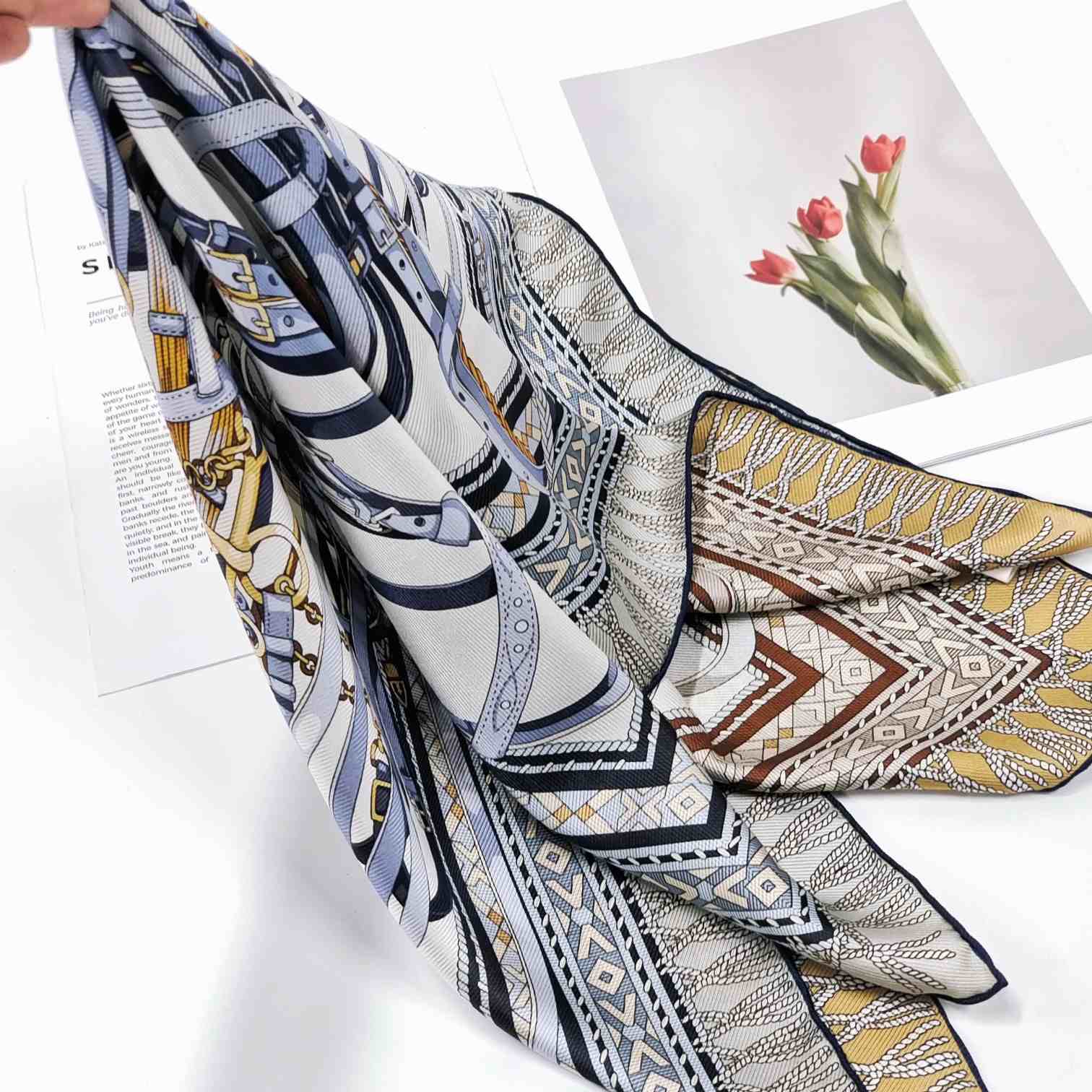
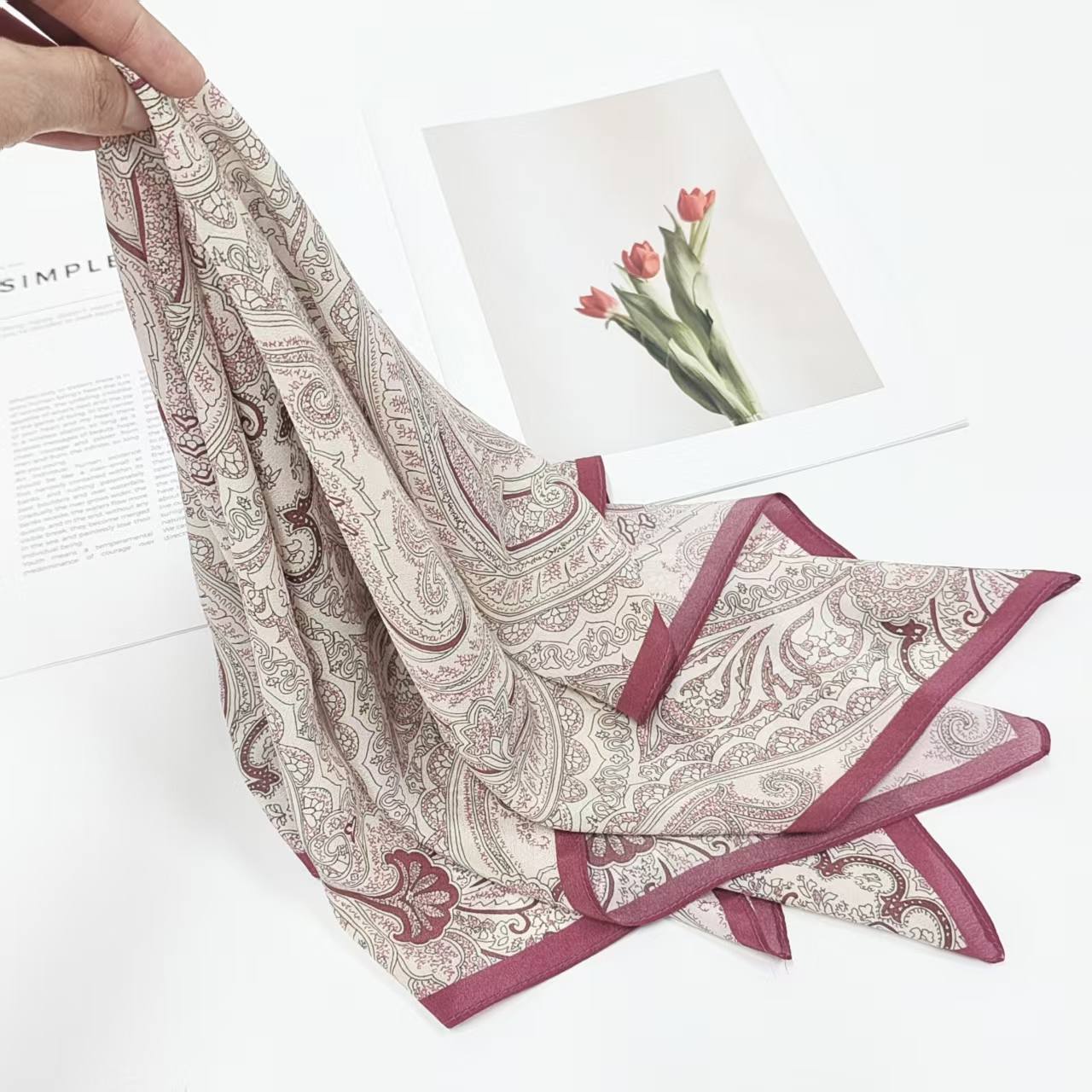
Logo printing is not only about placing a mark on a scarf. The logo needs to work with the scarf's folding behavior. A logo may disappear when tied if it is only placed in the center. Corner logos, border logos, repeat patterns, and diagonal layouts can keep brand identity visible during use.
Before sampling, prepare vector logo files, Pantone references if needed, artwork size, repeat direction, and clear notes for border placement. If the scarf will be folded into packaging, check whether the visible folded area still communicates the brand.
Printing Method and Color Matching
Digital printing is suitable for detailed artwork, gradients, illustrated motifs, and flexible custom runs. Screen printing can be considered for certain solid-color designs and higher-volume projects. The right method depends on fabric, artwork, color count, quantity, and target price.
Color matching should be discussed early. Screen colors and fabric colors can differ, especially on silk surfaces with shine or texture. For logo projects, a strike-off sample is useful because it confirms scale, color, and clarity before bulk production. Learn more about our custom printing process before preparing final artwork files.
Finishing, Labels, and Packaging
Finishing details influence how customers judge the scarf. Hand-rolled edges, machine hems, woven labels, care labels, and hangtags should match the scarf's positioning. A luxury gift scarf may benefit from refined edges and branded packaging, while a campaign scarf may need a simpler but consistent finish.
Packaging is especially important for logo printed scarves because it can complete the brand presentation. Options may include paper sleeves, envelope boxes, gift boxes, care cards, custom labels, or retail-ready sets. Explore custom packaging if the scarf will be used for gifts, retail, or brand events.
Manufacturer Checklist
A good scarf manufacturer with logo printing should help you move from idea to repeatable production. Use the checklist below when comparing suppliers.
Frequently Asked Questions
What is a scarf manufacturer with logo printing?
It is a supplier that can produce custom scarves with brand logos, artwork, color matching, fabric selection, printing, edge finishing, labels, and packaging.
Which scarf size is best for logo printing?
A 53 cm scarf is practical for compact logo scarves, bag scarves, and gift projects. Larger sizes such as 68 cm or 90 cm provide more artwork space for fashion or luxury collections.
Can a logo be printed on silk twill or satin?
Yes. Silk twill is often used for premium printed scarves with detailed artwork, while satin gives a glossier look. The best option depends on logo detail, color needs, and target positioning.
Should a logo scarf use digital printing or screen printing?
Digital printing is flexible for detailed artwork and smaller custom runs. Screen printing may suit certain solid-color or higher-volume projects. Sampling helps confirm the best method.
Can DOCSUN help with logo scarf packaging?
Yes. DOCSUN can support scarf fabric selection, logo printing, edge finishing, woven labels, care labels, hangtags, and custom packaging for retail or gift programs.
Develop Logo Printed Scarves for Your Brand
Send your logo, artwork direction, preferred scarf size, fabric idea, quantity, and packaging needs. DOCSUN can help you review fabric, printing, finishing, and sampling before bulk production.
Contact DOCSUNFast response within 24 hours.