

The Origins of Silk Scarves
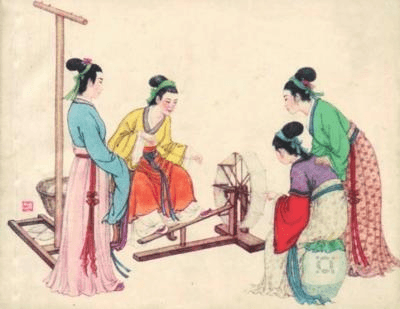
Silk scarves trace their roots to ancient China, where silk production changed the history of textiles. Silk was rare, technically difficult to produce, and closely associated with refinement and status. In early use, scarves could be practical, offering light protection from wind, dust, and weather. Over time, they became symbols of luxury and cultural taste.
As silk traveled through trade routes, scarves became valued objects of exchange. The Silk Road connected China with Central Asia, the Middle East, and Europe, allowing textile techniques, motifs, and tastes to influence one another. The scarf became both a fashion object and a record of cultural movement.
Silk Scarves in European Culture
During the Renaissance, silk became highly prized in Europe, especially in textile centers such as Florence and Venice. Scarves gained a stronger role in elite wardrobes, where color, drape, and pattern communicated refinement.
In the nineteenth and twentieth centuries, silk scarves became canvases for artistic expression. Art Nouveau introduced flowing nature-inspired motifs, while Art Deco brought bold geometry and stylized color. Later, film icons and luxury houses helped make silk scarves a permanent symbol of elegant dressing.
Why Silk Scarves Feel Luxurious
At the heart of a high-quality scarf is the fabric. Mulberry silk is valued for its smooth hand feel, natural luster, light weight, and elegant drape. It can feel soft against the skin while displaying color and printed artwork beautifully.
Craftsmanship and Finishing Details
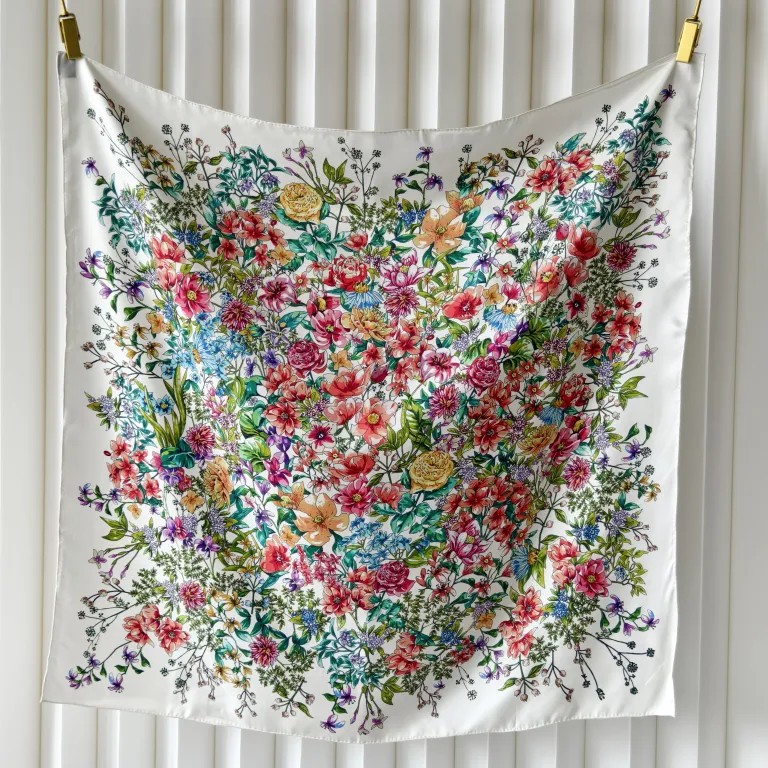
A beautiful silk scarf depends on more than fabric alone. Quality is shaped by artwork preparation, printing or dyeing, color matching, cutting, edge finishing, inspection, labels, and packaging. The details determine whether a scarf feels like a premium accessory or a simple printed square.
Edge finishing is especially visible. Hand-rolled edges can communicate artisanal luxury, while machine hemming can offer clean consistency and efficient production. The right choice depends on brand positioning, target price, order quantity, and collection purpose.
Modern Styling and Practical Benefits
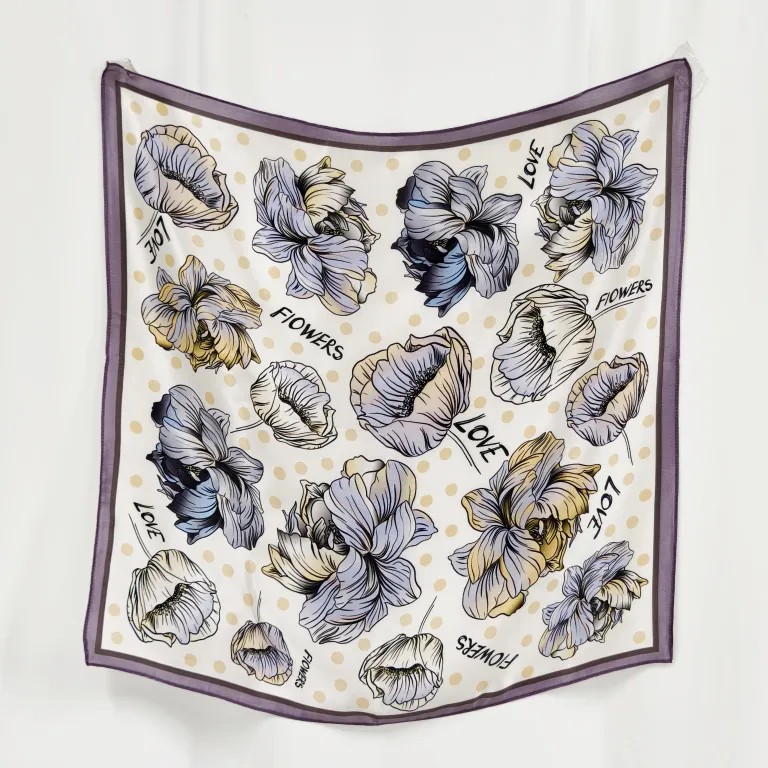
One reason silk scarves remain popular is versatility. A single scarf can be worn around the neck, tied as a headscarf, wrapped around a handbag handle, used as a belt, or draped over the shoulders. This makes it useful for fashion collections, gift programs, resort wear, uniforms, and retail accessories.
Silk scarves also provide practical benefits. They add lightweight warmth, offer breathable sun coverage, and make elegant gifts. Because they are compact and expressive, they are easy to merchandise and easy for customers to keep in regular use.
Custom Silk Scarves for Brands
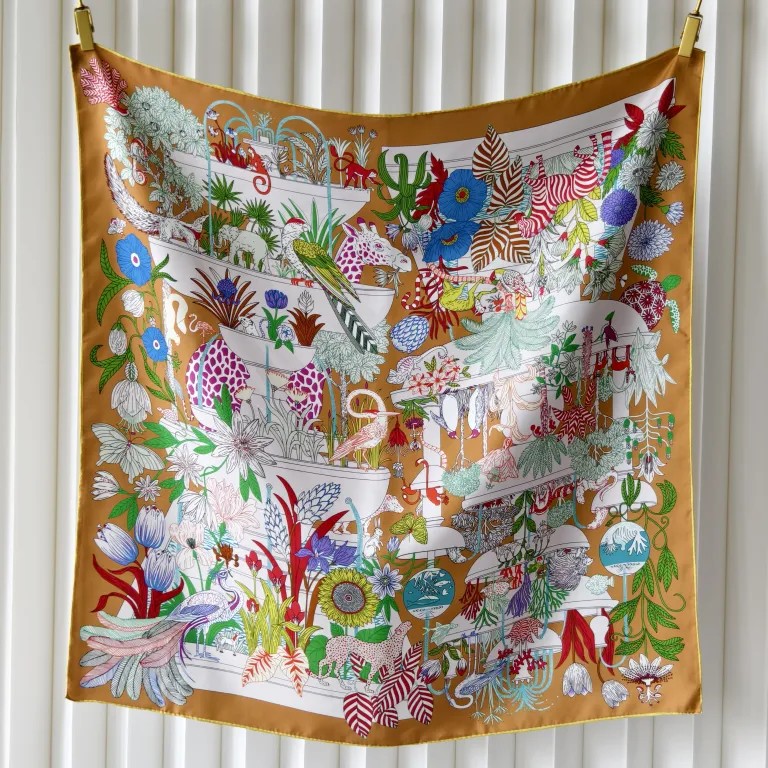
For brands, the silk scarf is a compact product with strong storytelling power. Custom artwork, size, fabric, edge finishing, label, and packaging can turn one scarf into a signature product or seasonal capsule.
Before developing a custom silk scarf, prepare a clear brief: target customer, intended use, scarf size, fabric type, artwork, print method, color references, edge finish, label, packaging, quantity, and delivery schedule. DOCSUN can support fabric and craftsmanship selection, sampling, and custom scarf production for fashion and gift collections.
Frequently Asked Questions
Why are silk scarves considered timeless accessories?
Silk scarves are timeless because they combine history, craftsmanship, natural luster, soft hand feel, and styling versatility. They can be worn across seasons, cultures, and fashion trends.
What makes mulberry silk valuable for scarves?
Mulberry silk is valued for its smooth touch, light weight, natural shine, breathability, and elegant drape. These qualities make it suitable for luxury scarves, printed accessories, and custom scarf collections.
How can silk scarves be styled?
Silk scarves can be worn around the neck, tied as a headscarf, styled as a hair accessory, wrapped around a bag handle, worn as a belt, or draped over the shoulders.
What details affect the quality of a silk scarf?
Silk scarf quality depends on fabric grade, weave, print or dye quality, color accuracy, edge finishing, stitching, size accuracy, label placement, packaging, and final inspection.
Can DOCSUN make custom silk scarves for brands?
Yes. DOCSUN can support custom silk scarf development with fabric selection, artwork preparation, printing, dyeing, edge finishing, labels, packaging, sampling, and bulk production.
Create a Timeless Custom Silk Scarf
Share your artwork, size, fabric, edge finishing, label, packaging, and delivery schedule. DOCSUN can help turn silk scarf ideas into refined custom products for your brand.
Contact DOCSUNFast response within 24 hours.