
Use Silk History as Brand Context, Not the Whole Brief
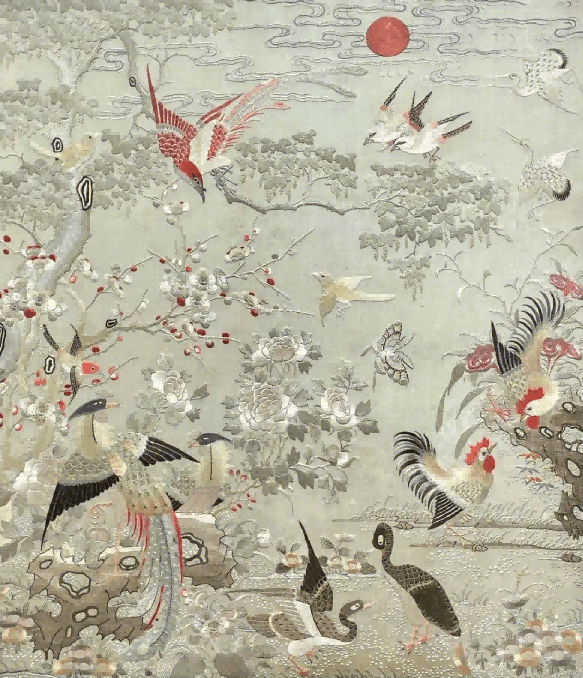
Mulberry silk is one of the important textile inventions associated with ancient China. Through land and maritime trade routes, silk became a material of commerce, diplomacy, clothing, and cultural exchange. That history still gives silk emotional value for luxury brands today.
For product development, however, history should support the story rather than replace technical planning. A buyer still needs to define product type, target price, fabric composition, weave, momme, printing method, edge finish, sewing requirement, label, packaging, and delivery schedule.
Compare Mulberry Silk, Tussah Silk, Rayon, Tencel, and Polyester Satin
In Chinese textile usage, silk usually refers to natural protein fibers such as mulberry silk and tussah silk. Mulberry silk is the most widely used premium choice because it can offer fine texture, skin-friendly comfort, temperature regulation, moisture management, and refined luster.
Tussah silk is also a natural silk, but it usually has a different color, hand feel, and luster because it comes from silkworms fed on different leaves. It can be useful for certain rustic or textured products, but it is not normally the first choice for high-luster luxury scarves.
Rayon and Tencel are regenerated cellulosic fibers. Polyester satin is synthetic. They can be smooth, shiny, and cost-effective, but they are not the same material as mulberry silk. This distinction matters because two fabrics may both be called "silky" while having very different cost, feel, breathability, durability, and brand positioning.
| Material | Typical value | Buyer caution |
|---|---|---|
| Mulberry silk | Premium scarves, apparel, accessories, high-end gifting | Confirm momme, weave, print method, and finishing before comparing price. |
| Tussah silk | Natural texture, warmer or more rustic fabric direction | Color, softness, and luster are different from mulberry silk. |
| Rayon / Tencel | Soft regenerated fiber options with different sustainability stories | Not natural mulberry silk; confirm labeling and care requirements. |
| Polyester satin | Cost-effective shiny products and mass-market accessories | Satin is a weave; polyester satin should not be presented as silk. |

Understand Satin, Twill, Crepe, Chiffon, and Georgette
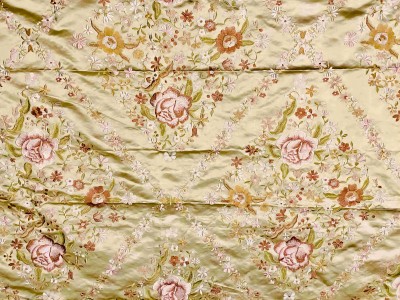
Satin is a weave structure with a smooth, lustrous surface. It can be made from mulberry silk, polyester, or other fibers, so buyers should never treat "satin" as equal to "silk." Silk satin and silk crepe satin can be excellent for luminous scarves, sleepwear, dresses, and premium accessories.
Twill has diagonal ribs and a more controlled luster. For custom silk scarf projects, silk twill is often preferred because it gives square scarves better structure, refined drape, strong print clarity, and better resistance to daily handling.
Crepe fabrics use yarn twist and weave structure to create a subtle textured surface. Chiffon and georgette are lightweight crepe-family fabrics. They are useful for airy scarves, beach dresses, soft apparel, and products where lightness matters more than structure.
Use Momme and Fabric Weight With Product Purpose
Momme is a common silk weight measurement. For scarf production, buyers often discuss 12 to 19 momme depending on scarf size, target price, drape, opacity, and brand positioning. A higher momme can feel richer, but the best fabric is the one that fits the product purpose.
A 90cm square scarf may benefit from enough body to hold shape. A long silk scarf may need softer drape. A chiffon scarf needs lightness and transparency. A silk wool scarf may need warmth and seasonal texture. For this reason, fabric decisions should be made through fabric, colors, and craftsmanship review rather than by weight alone.
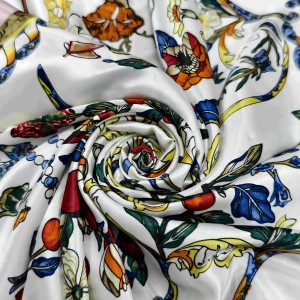
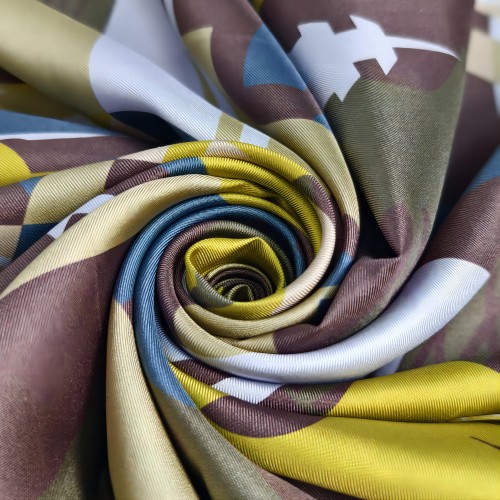
Choose Fabric According to Market Demand
A luxury brand, a boutique label, a museum store, a corporate gift buyer, and a mass-market accessory program may all need different silk solutions. The first step is market positioning: who will buy the product, how it will be used, what price it must support, and whether the product needs the story and feel of natural mulberry silk.
For premium custom scarves, buyers commonly evaluate mulberry silk twill, satin, crepe satin, chiffon, and georgette. For broader product programs, apparel and accessories may need different silk fabrics or blends. DOCSUN can also connect fabric choice with custom printing, edge finishing, sewing craftsmanship, labels, and custom packaging.
- Confirm fiber content: mulberry silk, tussah silk, regenerated fiber, polyester, or blend.
- Confirm weave: satin, twill, crepe satin, chiffon, georgette, or another structure.
- Confirm momme or fabric weight according to product size and use.
- Approve printing, color, edge finish, labels, packaging, and a physical sample before bulk production.

FAQ
What is the best silk fabric for luxury scarves?
For many luxury scarf projects, high-grade mulberry silk twill is a strong choice because it has structure, refined luster, good print clarity, and better durability for square scarves. Satin, crepe satin, chiffon, and georgette can be better for other hand feel, shine, drape, or styling needs.
Is satin the same as silk?
No. Satin is a weave structure, not a fiber. Mulberry silk, polyester, rayon, or other fibers can be woven as satin. Buyers should confirm both fiber content and weave before comparing price and quality.
Why does momme matter for silk products?
Momme measures silk fabric weight. In scarf production, 12 to 19 momme is commonly discussed depending on size, drape, opacity, hand feel, and target price. Higher momme can feel richer, but the best choice depends on the product use.
How should brands choose silk fabric before custom production?
Brands should start with target customer, price level, product type, fabric hand feel, shine, opacity, print method, sewing craftsmanship, packaging, MOQ, and sample approval. The supplier should help connect fabric choice with printing and finishing.
Choose the Right Silk Fabric With DOCSUN
Send your product type, target market, price range, fabric preference, artwork, print requirement, edge or sewing details, label plan, packaging needs, quantity, and launch schedule. DOCSUN can help match silk fabric choices with a sample-ready custom manufacturing plan.
Start a Silk Fabric ProjectFor scarf projects, start with the custom silk scarf service page.