Why Designer Scarves Matter in High-End Fashion
A designer scarf can carry a brand's visual language in a compact and wearable form. Unlike many garments, it can be styled across seasons, gifted easily, displayed flat, photographed on models, and collected by customers as a small but meaningful luxury item.
The value is not created by fabric alone. Luxury perception comes from the relationship between artwork, color, size, border, fabric, edge finishing, label, packaging, and story. When these elements are aligned, a scarf can feel like a brand signature rather than a generic accessory.
Artwork as a Brand Language
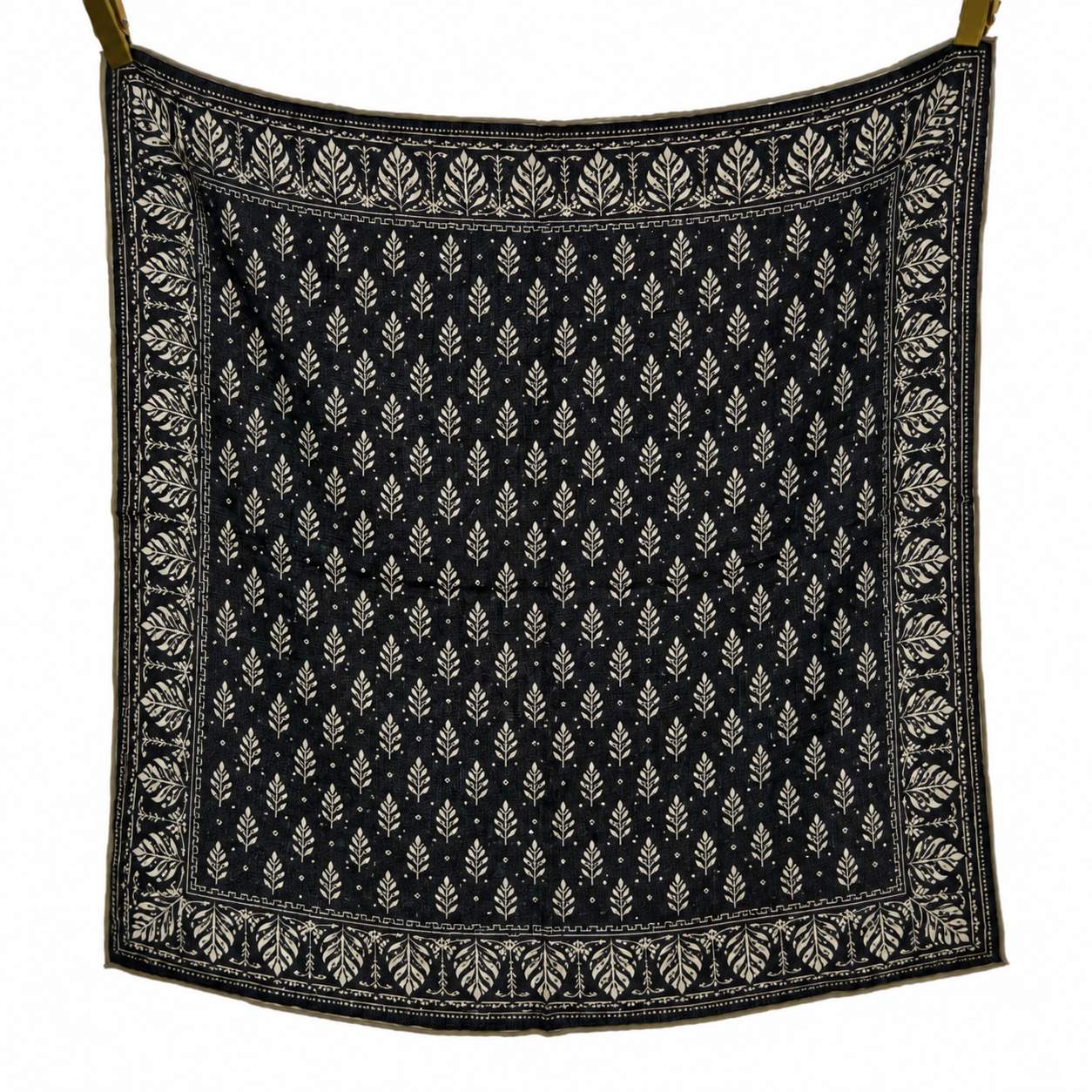
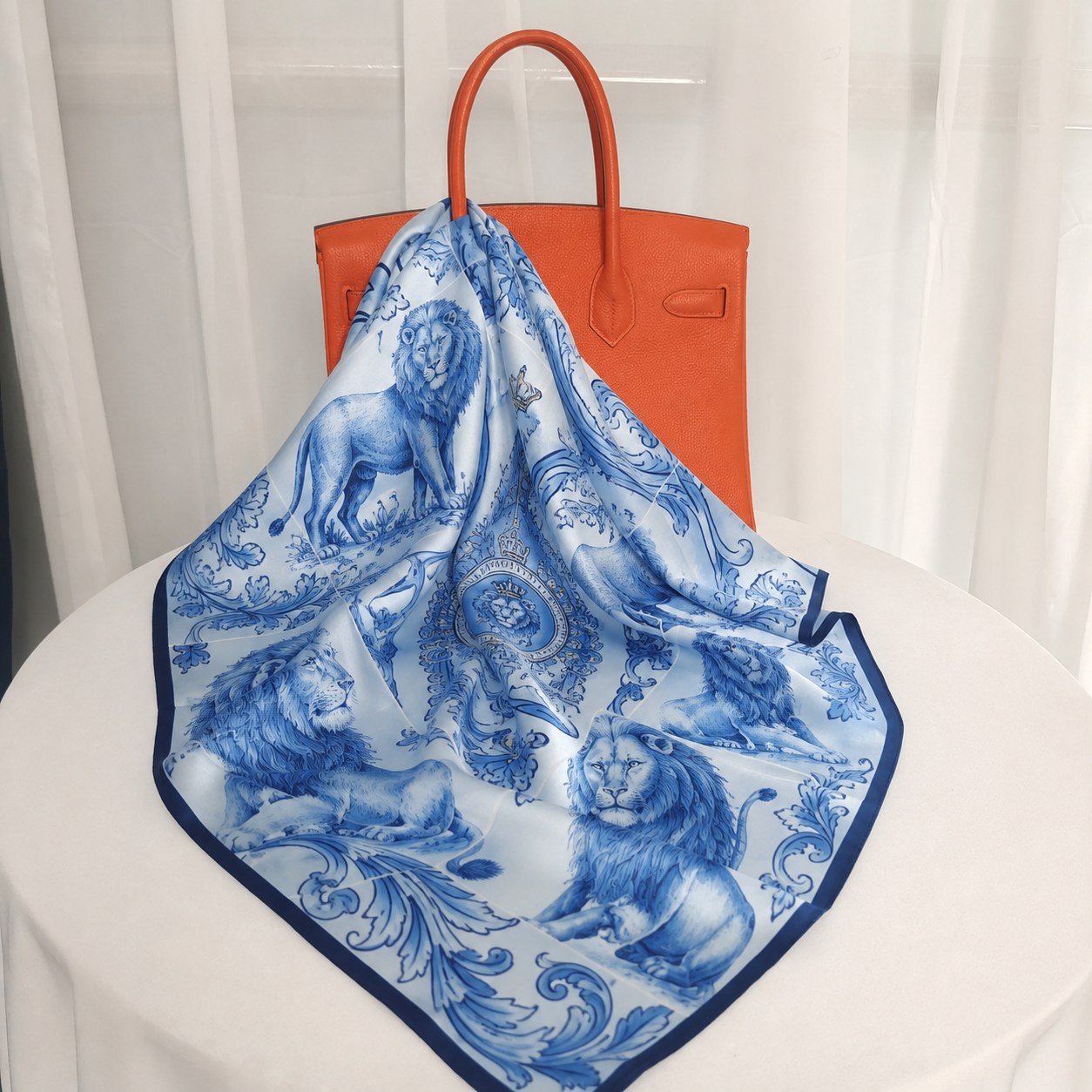
Leaf patterns, animal motifs, lion illustrations, blue-and-white palettes, architectural borders, and symbolic corner details can all create a strong designer scarf identity. The artwork should feel intentional, with a clear center, border rhythm, and enough detail to reward close inspection.
For custom brands, artwork must work in two states: flat product view and real styling. A scarf may look dramatic on a table but lose its main motif when folded. Before approval, review the design as a square, a triangle, a narrow neck band, a headscarf, and a bag accessory.
Motifs, Storytelling, and Collection Memory
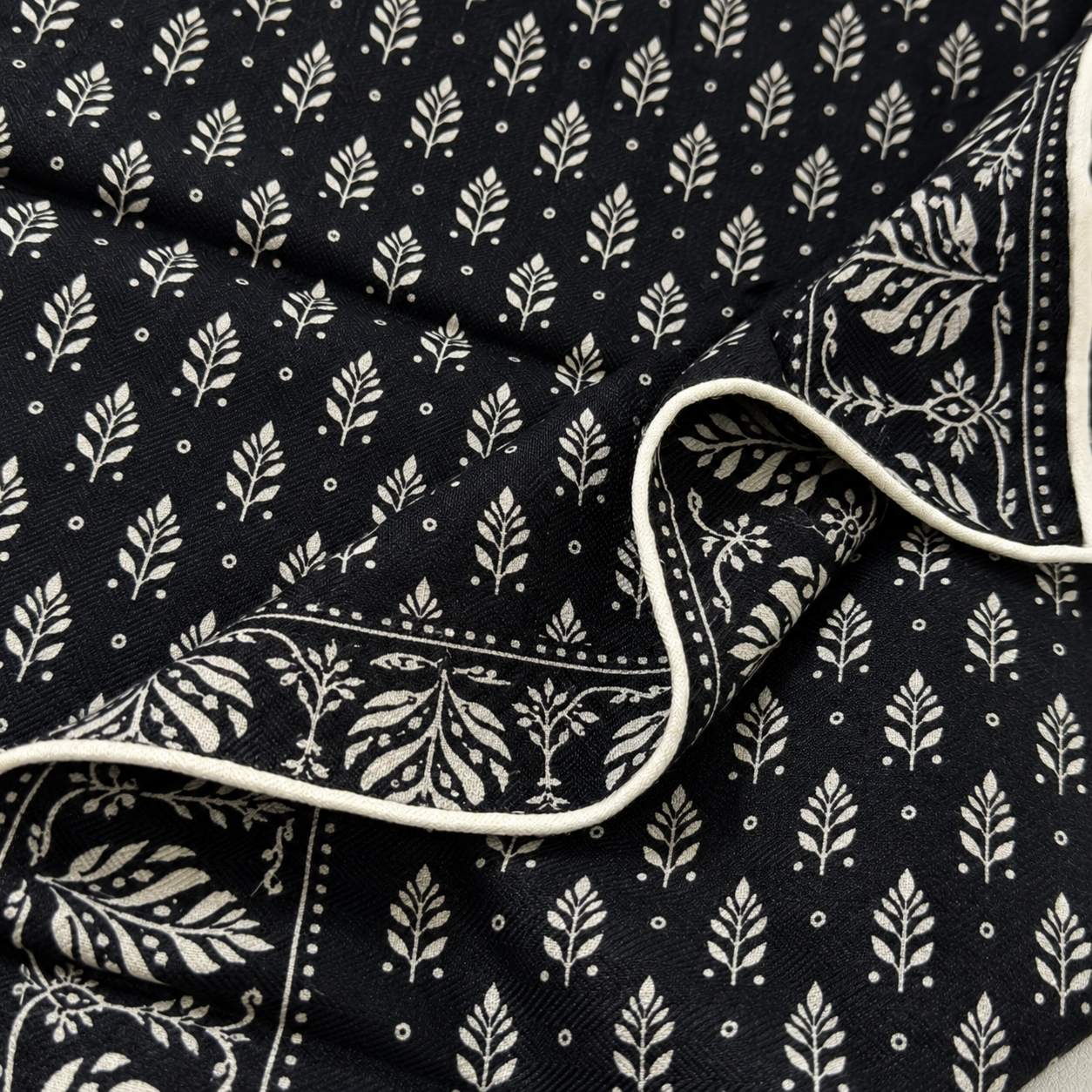
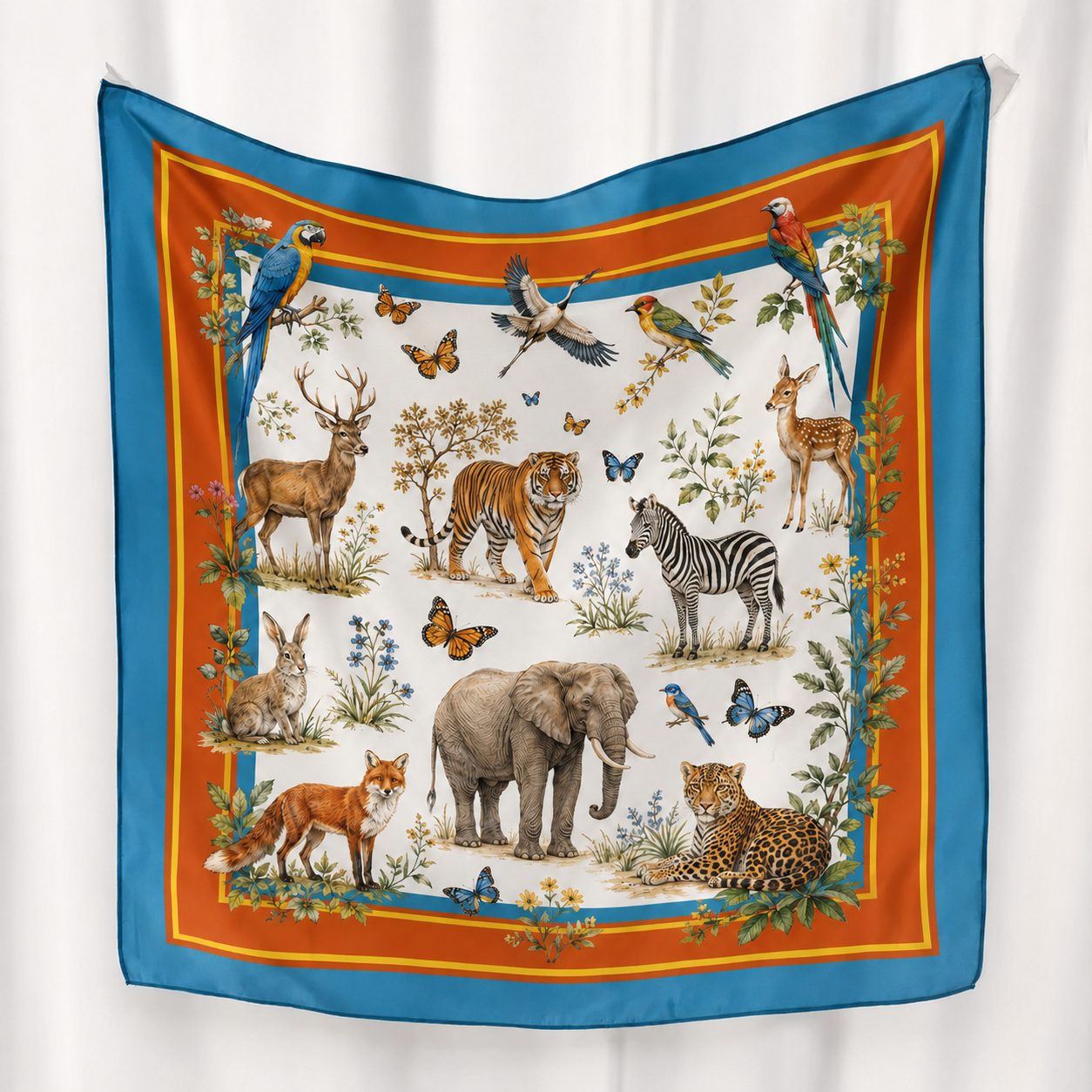
High-end scarves often become memorable because the motif gives customers something to talk about. Botanical artwork can feel natural and romantic; animal motifs can feel powerful; travel references can feel collectible; abstract borders can feel modern and architectural.
For a brand collection, do not treat every scarf as an isolated product. Build a small visual system: one hero motif, one supporting border, two or three colorways, and consistent packaging. This makes the scarf easier to merchandise and easier for customers to remember.
Personalization and Limited Editions
Designer scarves can be personalized through colorways, initials, symbols, city references, event dates, artwork scale, or capsule themes. Limited editions work especially well for museums, hotels, boutiques, fashion brands, VIP gifts, and cultural collaborations.
The goal is not to put a logo everywhere. A more refined approach is to hide the brand code in the border, corner, label, care card, or packaging. Brands can develop these projects through custom silk scarf production and controlled custom printing.
Fabric and Finishing Choices
Silk twill is often chosen for designer square scarves because it has body, holds folds well, and supports detailed prints. Silk satin gives a smoother shine and more dressy effect. Chiffon or silk-wool blends can work when the scarf is designed for softness, movement, or seasonal warmth.
Finishing should match the price level. Hand-rolled edges communicate craftsmanship; clean machine hemming can support more scalable programs; labels should not disturb drape or styling. Review fabric, colors, and craftsmanship before finalizing a collection.
Packaging as Part of the Luxury Experience
Packaging is part of the product, especially when scarves are sold as gifts or limited editions. A box, sleeve, tissue paper, care card, story card, ribbon, or custom label can help customers understand why the scarf deserves attention.
Use custom packaging when the scarf will be sold in boutiques, given to VIP clients, included in hospitality programs, or positioned as a collectible designer accessory.
Buyer Checklist for Designer Scarf Projects
Confirm target customer, design story, scarf size, fabric, color palette, border system, motif scale, personalization method, edge finishing, label placement, packaging, sample approval, inspection standard, and delivery schedule.
The strongest designer scarves are recognizable even when folded or tied. If the product still communicates the brand from a small visible corner, the design system is doing its job.
FAQ
Why are designer scarves important in luxury fashion?
They combine wearable art, brand identity, premium material, and flexible styling in one accessible luxury product.
What motifs work well for designer scarves?
Leaf patterns, animal motifs, heritage symbols, borders, florals, and abstract artwork can all work when the composition is controlled.
Can designer scarves be personalized?
Yes. Brands can personalize colorways, symbols, initials, packaging, and limited-edition themes.
What fabric is best for designer silk scarves?
Silk twill is common for premium square scarves, while satin offers a smoother and shinier surface.
Can DOCSUN support designer scarf development?
Yes. DOCSUN can help with artwork review, fabric selection, printing, finishing, labels, packaging, and production.
Plan Your Custom Project with DOCSUN
Send your target market, product idea, artwork direction, fabric preference, quantity, packaging requirement, and delivery schedule. DOCSUN can help you turn the concept into a practical sample and production plan.
Contact UsFabric cards, color cards, and craftsmanship references are available in our Australia, United States, and United Kingdom offices on request.