
Why Scarves Still Matter in Modern Fashion
A scarf is one of the rare accessories that can be useful, emotional, and visually expressive at the same time. It can protect the neck in cool weather, soften sun exposure in travel looks, cover hair, frame the face, add movement to a handbag, or turn a plain outfit into a finished look. This is why scarves remain relevant even when fashion cycles move quickly.
For brands, scarves also solve a practical product problem: they carry artwork well. A print that may feel too bold on a dress can become collectible on a square scarf. A color story that is difficult to repeat across many garments can be expressed clearly through a controlled accessory. This makes scarves valuable for capsule collections, hotel boutiques, museum shops, wedding gifts, corporate gifts, and designer collaborations.
At DOCSUN, custom scarf development usually begins with the use case, not the artwork. A brand should decide whether the scarf is a seasonal fashion item, a luxury gift, a uniform accessory, a travel souvenir, a retail SKU, or a limited-edition story product. That decision affects fabric, size, edge finishing, packaging, MOQ, and delivery planning.
From Practical Essential to Style Signal
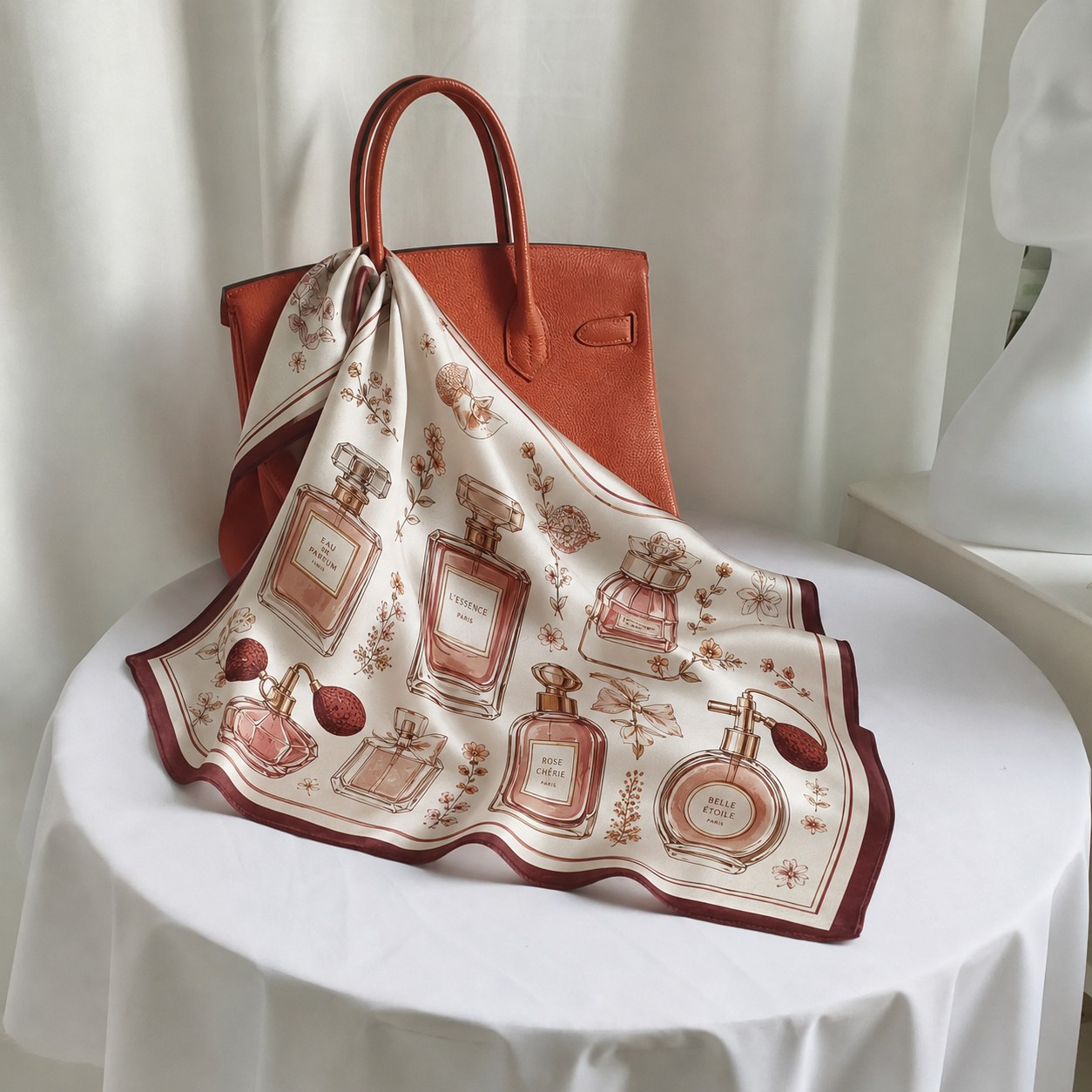
The scarf's practical history is part of its design strength. Military, travel, workwear, equestrian, aviation, religious, and regional dress traditions all used scarves for protection or identity before they became fashion accessories. Modern scarf design still borrows from this practical background: scale, border placement, fold visibility, and color contrast all matter because the scarf is often worn in motion.
In 2026, the most useful scarves are not only decorative. They are designed for specific styling moments: a small square tied at the neck, a twilly wrapped around a handle, a long silk scarf used with a blazer, a lightweight chiffon scarf for resortwear, or a larger square styled as a top, headscarf, or shoulder cover. The same artwork may need different layout rules depending on how the scarf is worn.
Brands developing a custom scarf collection should map the main wearing scenarios before approving artwork. A border design may look elegant when flat, but disappear when folded. A large central motif may be beautiful in photography but less visible as a neck tie. A well-planned scarf keeps important color, logo, or motif information visible after folding.
Choosing Size, Fabric, and Print Direction
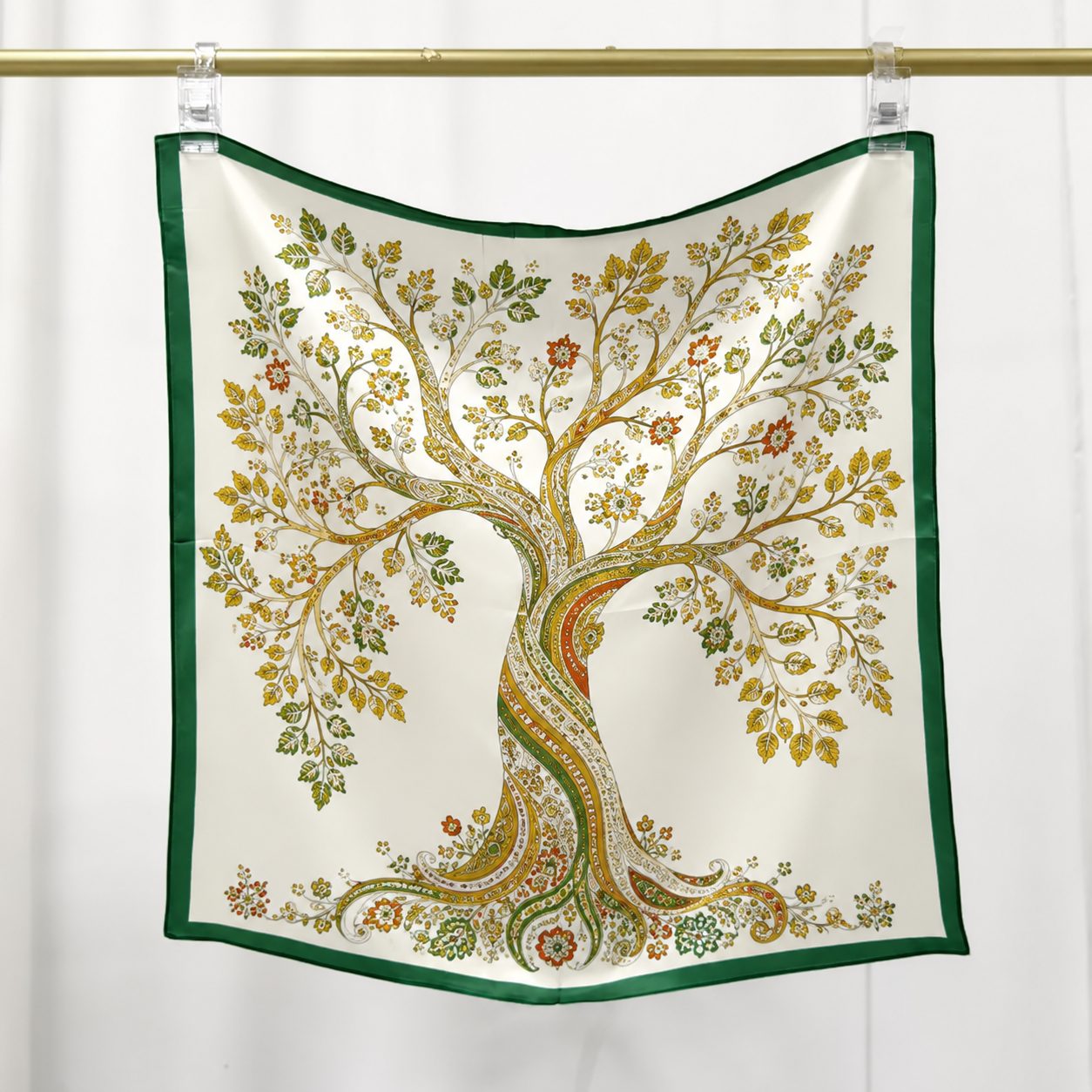
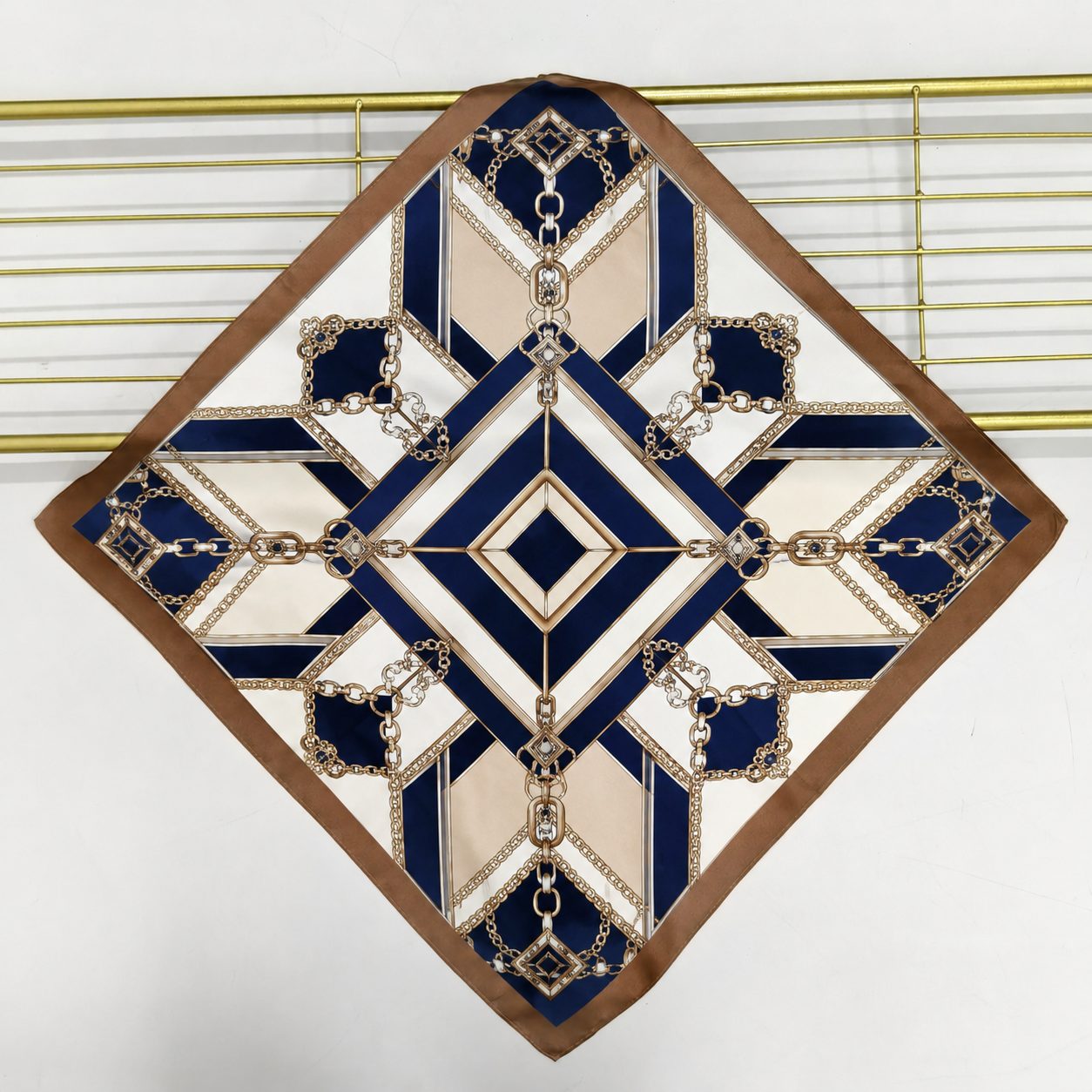
Size is the first technical decision. A 53cm or 68cm square works well for neck styling, hair styling, bag decoration, and gift programs. A 90cm square gives stronger luxury value and more styling flexibility. Long scarves and twillies are practical when the customer wants lower unit cost, strong repeat use, or corporate gifting with smaller artwork exposure.
Fabric changes the entire personality of the scarf. Silk twill gives structure, color depth, and a luxury hand feel, making it suitable for premium fashion collections. Silk satin gives a smoother shine and works well when the design needs a dressier mood. Silk chiffon creates a light, airy effect for resort and summer styling. Silk-wool blends add warmth and a seasonal feeling for winter accessories. Brands can compare options through fabric, color, and craftsmanship selection before sampling.
Print direction should support the product's role. A fashion scarf can use expressive motifs, painterly color, and rich borders. A corporate or hospitality scarf may need controlled brand colors and discreet logo placement. A museum or destination scarf can highlight architecture, maps, plants, local symbols, or cultural references. Before production, DOCSUN recommends digital artwork checking and print proofing through the custom printing process.
How Brands Can Use Scarves in 2026
For fashion brands, scarves are an efficient way to extend a collection without developing a full garment line. They can echo a dress print, reuse a seasonal color palette, or introduce a new motif before larger production begins. A small scarf can also help brands test customer response to artwork, color, or packaging before investing in broader product development.
For hospitality, travel, and cultural brands, scarves can become high-value souvenirs. A hotel can design scarves around architecture, gardens, local flowers, or destination color palettes. A museum can turn an artwork detail into a wearable object. A wedding planner can use custom scarves as guest gifts, bridesmaid accessories, or destination wedding keepsakes.
For promotional and corporate projects, scarves work best when they are treated as real accessories rather than simple logo merchandise. The logo can be placed in the border, corner, repeat pattern, care label, woven label, or packaging. This keeps the scarf wearable and increases the chance that customers will actually use it after the event.
Production Details That Affect Perceived Value
A scarf's perceived value depends on details. Fabric weight, print clarity, reverse-side color penetration, edge finishing, label placement, packaging, and inspection standard all influence how the product feels in the customer's hand. Even a strong design can feel weak if the fabric is too thin, the edge is inconsistent, or the package does not match the gift purpose.
Edge finishing should match price position. Machine hemming is efficient and consistent for larger programs. Hand-rolled edges communicate craftsmanship and are often preferred for premium silk scarves. For gift projects, labels and care cards should be planned early because label position can affect how the scarf folds and how the product is presented in the box.
Packaging is part of the fashion statement. A scarf sold as an accessory may only need a clean sleeve or envelope. A wedding, corporate, or luxury gift scarf may need a box, ribbon, tissue paper, insert card, or brand story card. DOCSUN can support custom packaging so the scarf feels complete when it reaches the customer.
A Practical Checklist Before Sampling
Before sampling, prepare the scarf purpose, target market, size, fabric choice, artwork file, color reference, preferred edge finishing, label requirement, packaging level, target quantity, budget range, and delivery deadline. If the scarf is a retail product, also confirm expected selling price and sales channel. If it is a gift, confirm how it will be handed to the recipient.
Brands should also decide what must be controlled during approval: print color, fabric hand feel, shine level, fold visibility, reverse-side appearance, edge line, logo placement, and packaging fit. These details create a better sample approval process and reduce misunderstandings before bulk production.
If you are building a scarf program, start from the main product page for custom silk scarves, review broader custom scarves options, and use scarf custom cases for practical references. When the direction is clear, contact DOCSUN with artwork and project requirements so the team can recommend fabric, size, finishing, sampling, and production steps.
FAQ
Why are scarves still popular in 2026?
Scarves remain popular because they combine function, styling flexibility, artwork display, and gift value. They can be worn on the neck, hair, bag, shoulder, or waist, which makes them useful across fashion, hospitality, cultural retail, and corporate gifting.
What scarf size is best for a fashion brand?
A 68cm square is compact and versatile, a 90cm square feels more luxurious, and twillies or long scarves work well for lower-cost gifting and repeated styling. The best size depends on the customer, price point, artwork, and wearing scenario.
Which fabric works best for custom printed scarves?
Silk twill is often preferred for premium printed scarves because it has structure and color depth. Silk satin gives a smoother shine, chiffon is light and airy, and silk-wool blends are useful for cooler seasons. Sampling is the safest way to confirm the right fabric.
How can a brand add a logo without making the scarf look too promotional?
Use the logo in the border, corner, repeat pattern, woven label, care label, or packaging. A subtle logo usually makes the scarf more wearable and gives the product a longer life after the event or campaign.
What should be prepared before ordering custom scarves?
Prepare target use, size, fabric, artwork file, color reference, edge finishing, label requirement, packaging, quantity, budget, and delivery date. These details help the supplier build a realistic sample and bulk production plan.
Plan Your Custom Project with DOCSUN
Send your target market, product idea, artwork direction, fabric preference, quantity, packaging requirement, and delivery schedule. DOCSUN can help you turn the concept into a practical sample and production plan.
Contact UsFabric cards, color cards, and craftsmanship references are available in our Australia, United States, and United Kingdom offices on request.