
What Satin Fabric Really Means
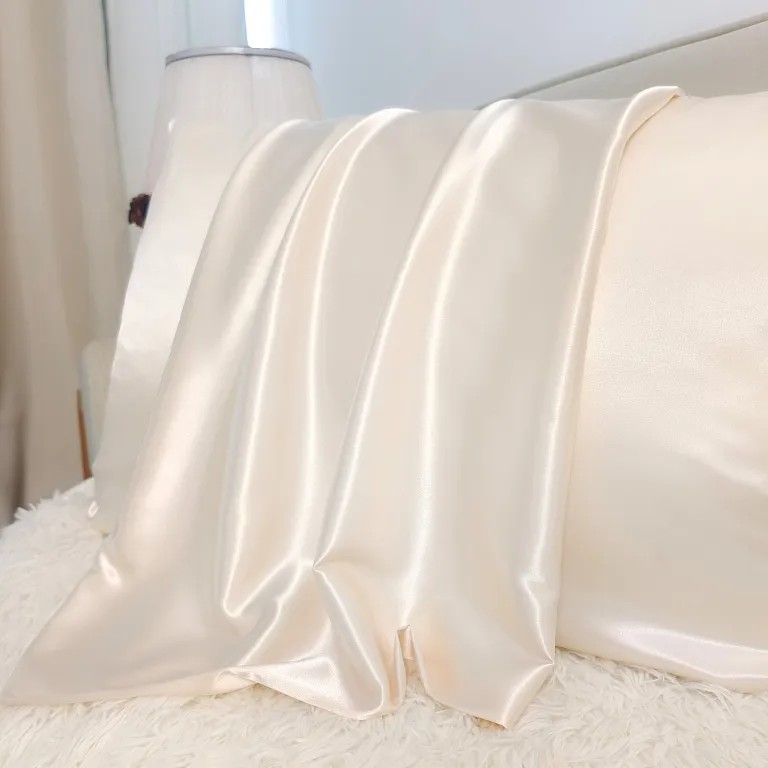
Satin is often described as a fabric, but technically it is a weave. A satin weave is made with longer yarn floats on the face side, which reflect light and create the smooth sheen people associate with luxury. The back side is usually less glossy, which is one reason satin has such a distinctive front-and-back appearance.
Because satin is a weave, it can be made from different fibers. Silk satin, polyester satin, acetate satin, viscose satin, and blended satin can all look shiny, but they feel and perform differently. For brands planning custom silk scarves, pillowcases, sleepwear, or accessories, this distinction is essential for correct pricing, sampling, care labeling, and product positioning.
If a buyer simply asks for "satin," the specification is incomplete. A professional request should include fiber content, fabric weight, width, color or print method, end use, finishing, and quality expectations.
A Brief History of Satin
Satin has long been associated with wealth, ceremony, and refined dressing. Its history is closely linked to Chinese silk weaving and trade routes that carried silk textiles across Asia, the Middle East, and Europe. The name is commonly connected with Zaitun, a historic name associated with the Chinese port city Quanzhou, which was known for textile trade.
In earlier periods, satin made from silk was expensive and often reserved for elite garments, ceremonial dress, clergy clothing, and royal attire. As fiber technology developed, satin constructions became available in synthetic and blended fibers, making the look more accessible while preserving the visual language of shine and softness.
Satin in Fashion and Accessories
Satin remains popular because it photographs beautifully and creates movement in a garment. It is used in eveningwear, bridal dresses, blouses, skirts, bomber jackets, hair accessories, scarves, and small luxury goods. Its surface can make even a simple silhouette feel more polished.
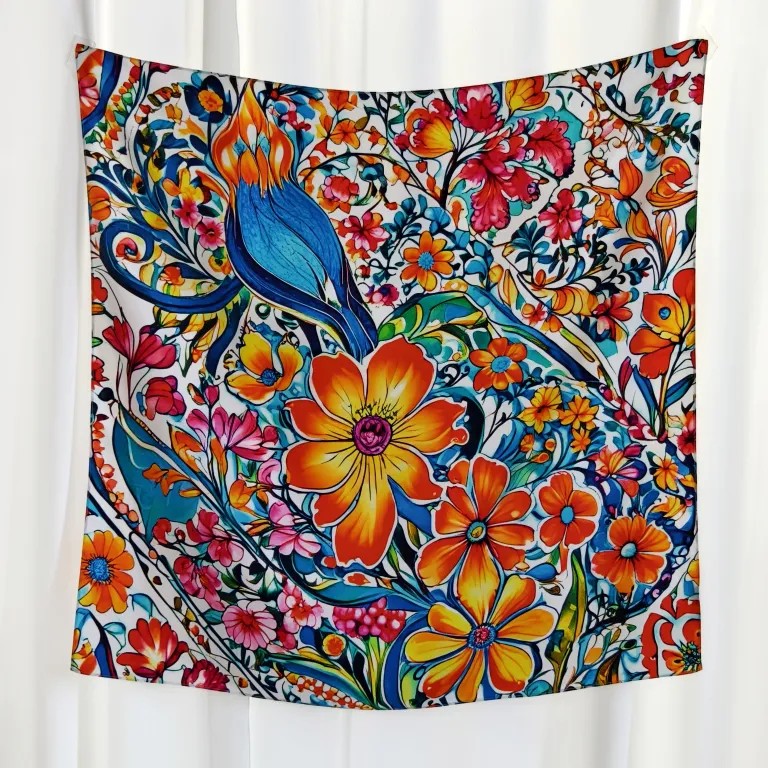
For scarf design, satin can create a more luminous effect than many matte fabrics. It is especially attractive when the artwork uses soft florals, fluid gradients, elegant borders, or refined color palettes. However, satin may need careful handling in cutting, printing, hemming, and packaging because the smooth face can reveal defects more easily.
Satin in Home Textiles and Beauty Products
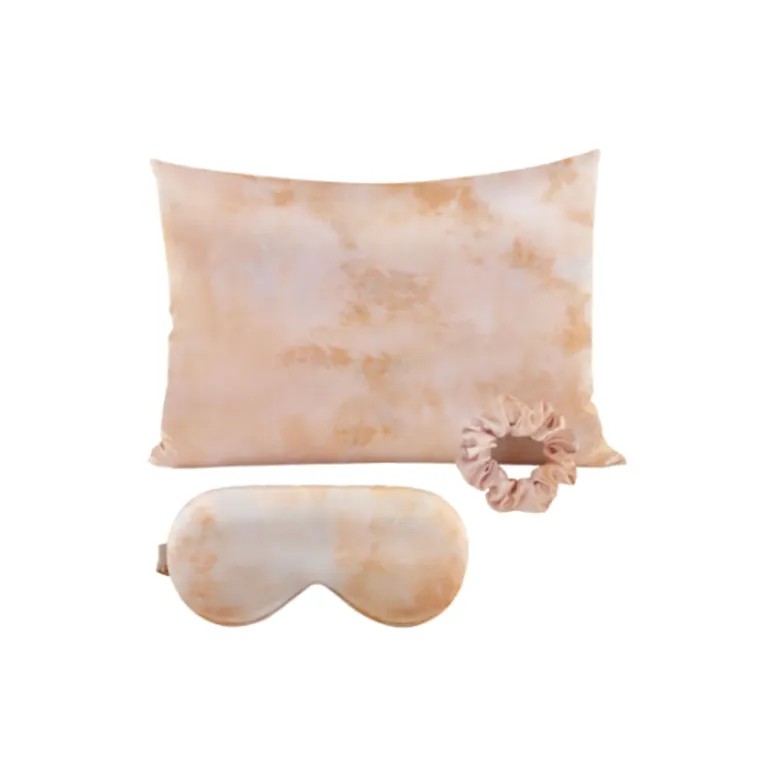
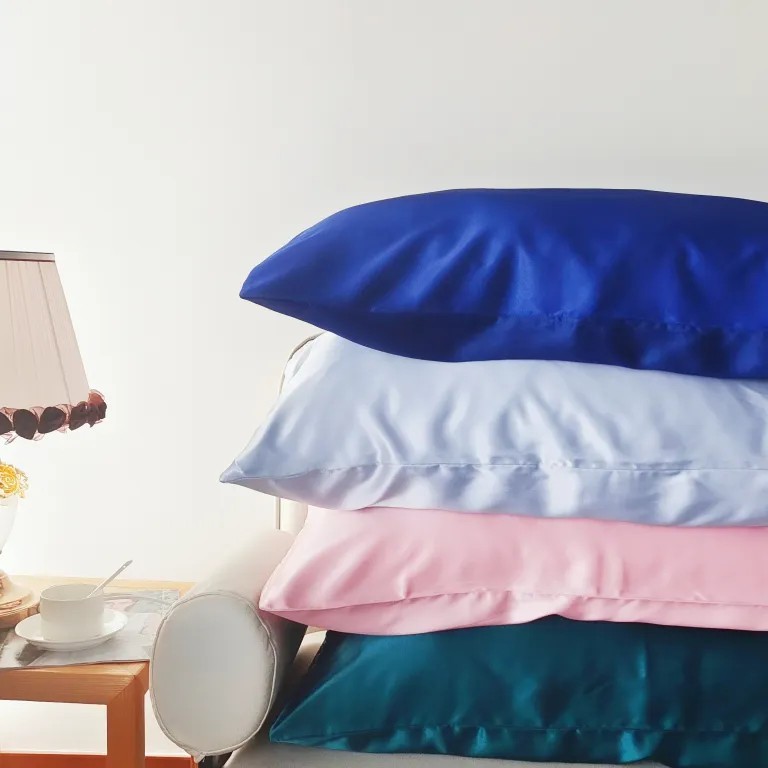
Satin is also widely used beyond apparel. Pillowcases, sleep masks, bedding accents, cushions, slippers, decorative packaging, and selected home textile products use satin because it communicates comfort and polish. Silk satin pillowcases are especially popular in beauty and wellness markets because the smooth surface may reduce friction against hair and skin.
For pillowcases, the details matter: fabric composition, seam quality, closure type, size, color fastness, washing guidance, and packaging all affect customer satisfaction. A satin pillowcase can be positioned as a beauty product, a sleep product, a gift item, or a premium hotel accessory depending on the specification.
How Brands Should Choose Satin Fabrics
Choosing satin starts with the market position. A luxury collection may require mulberry silk satin, while a promotional product may use another satin construction for budget reasons. A beauty pillowcase has different requirements from a printed scarf, a bridal accessory, or a decorative cushion.
Before sampling, confirm whether the project needs natural silk, synthetic satin, a printed surface, solid dyed color, hand-rolled edges, machine finishing, a specific closure, custom labels, or custom packaging. For printed products, review the printing method and approve physical samples before bulk production.
| Product type | What satin adds | Key specification points |
|---|---|---|
| Scarves | Luster, soft drape, elegant print presentation | Fiber content, print method, edge finish, size, color accuracy |
| Pillowcases | Smooth surface, beauty positioning, premium sleep experience | Silk type, closure, stitching, size, packaging, care label |
| Apparel | Fluid movement, shine, formal or dressy appearance | Drape, opacity, seam behavior, wash care, lining needs |
| Accessories | Polished look for hair ties, slippers, packaging, and gift sets | Durability, color consistency, surface protection, branding |
Frequently Asked Questions
Is satin a fabric fiber or a weave?
Satin is a weave structure, not a fiber. It can be made from silk, polyester, acetate, viscose, or other fibers. For premium products, buyers should confirm both the fiber content and the satin construction.
What makes satin fabric shiny?
Satin gets its shine from long floating yarns on the surface. These floats reflect light more smoothly than many plain or twill structures, creating the glossy face associated with satin.
Is silk satin better than polyester satin?
Silk satin usually offers a softer hand, natural luster, breathability, and a more luxurious feel. Polyester satin can be more affordable and durable for some uses, but it does not provide the same natural fiber experience.
What products use satin fabric?
Satin is used for scarves, pillowcases, sleepwear, blouses, eveningwear, bridal dresses, hair accessories, slippers, cushions, decorative packaging, and selected home textile products.
How should satin products be cared for?
Satin products should usually be washed gently with mild detergent and cool water, dried away from direct heat, stored away from strong sunlight, and handled carefully to protect the smooth surface.
Final Thoughts
Satin has remained desirable because it carries both visual drama and tactile softness. Its history is rooted in silk, but its modern use spans fashion, accessories, beauty, home textiles, and gifting. For custom production, the most important step is to define exactly what kind of satin is needed and verify the result through physical sampling.
Develop Custom Satin Silk Products
Send us your product type, fabric requirement, artwork, colors, quantity, packaging plan, target price, and delivery date. We can help compare satin fabric options and prepare a production-ready sample.
Request a QuoteFast response within 24 hours