The Timeless Journey of the Neck Scarf: From Ancient Symbol to Modern Fashion Icon
The neck scarf is one of the rare accessories that has moved across history without losing its charm. It began as a practical cloth, became a symbol of rank and refinement, and now lives as a fashion, branding, and self-expression tool. This guide follows the scarf's journey from ancient status symbol to modern custom silk accessory.
Ancient Origins and Early Symbolism
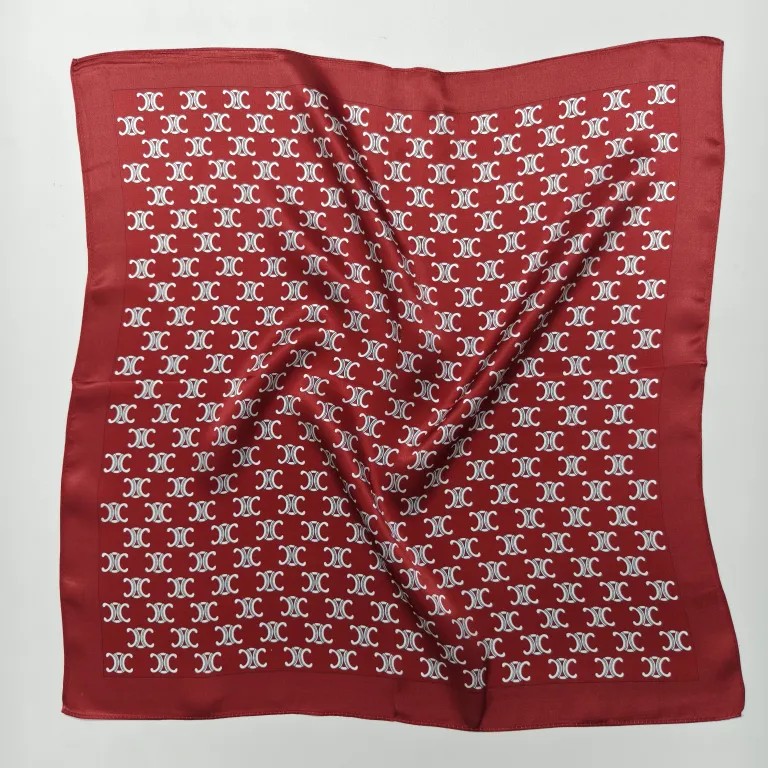
The neck scarf did not begin as a luxury accessory. In many cultures, cloth worn around the neck was first practical: it protected the wearer, absorbed sweat, showed belonging, or indicated role and rank. Over time, those simple functions developed into symbols of authority, identity, and taste.
Historical references often connect early scarf-like garments with royal dress, military status, and ceremonial styling. In ancient societies, textiles were valuable. A woven cloth around the neck could signal power, occupation, allegiance, or refinement long before it became part of everyday fashion.
The Nineteenth Century and Wider Fashion Adoption
By the nineteenth century, scarves became more visible as fashion accessories. Silk, wool, cotton, and cashmere scarves entered wardrobes with different levels of formality and price. What had once been associated mainly with function or elite dress gradually became more accessible.
During this period, scarves were strongly connected with refinement. They could soften formal tailoring, add color to darker clothing, or communicate social polish. The accessory moved from pure utility into style language, preparing the way for the modern fashion scarf.
The Twentieth Century Fashion Icon
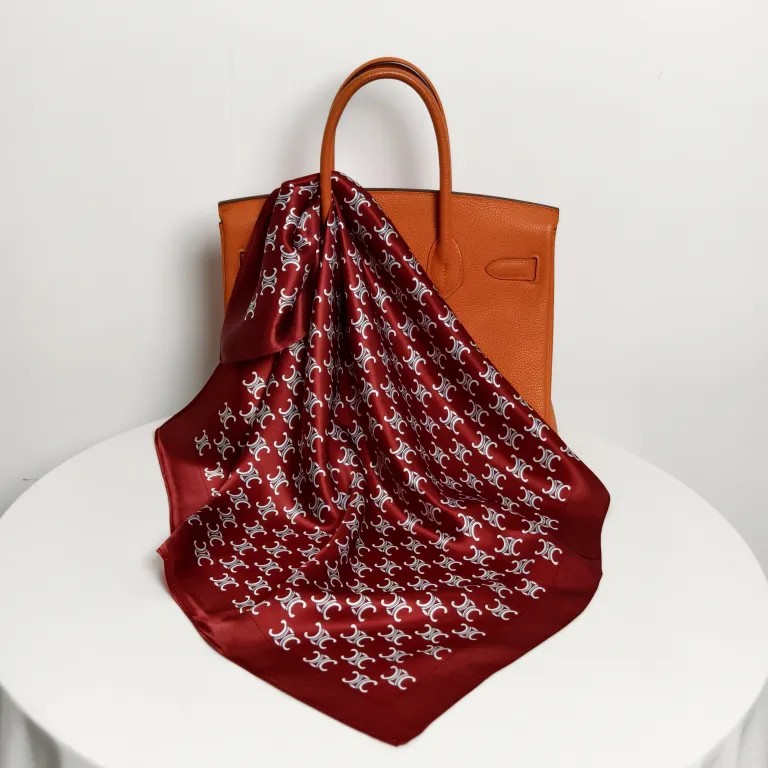
The twentieth century turned the scarf into a true fashion icon. Scarves appeared in aviation, cinema, resortwear, uniforms, luxury houses, and street styling. Each decade used scarves differently: sometimes practical, sometimes glamorous, sometimes rebellious, sometimes polished.
Classic film imagery helped strengthen the scarf's association with elegance. A silk scarf tied around the neck, hair, or handbag became a shorthand for effortless sophistication. At the same time, bold prints and bright colors made scarves a canvas for modern design.
The Modern Neck Scarf as Wearable Art
Today, the neck scarf is more than a finishing touch. It can be a small artwork, a brand message, a seasonal color story, or a collectible object. Designers use silk twill, silk satin, chiffon, wool blends, cashmere, cotton, and recycled or low-impact materials to create different hand feels and brand positions.
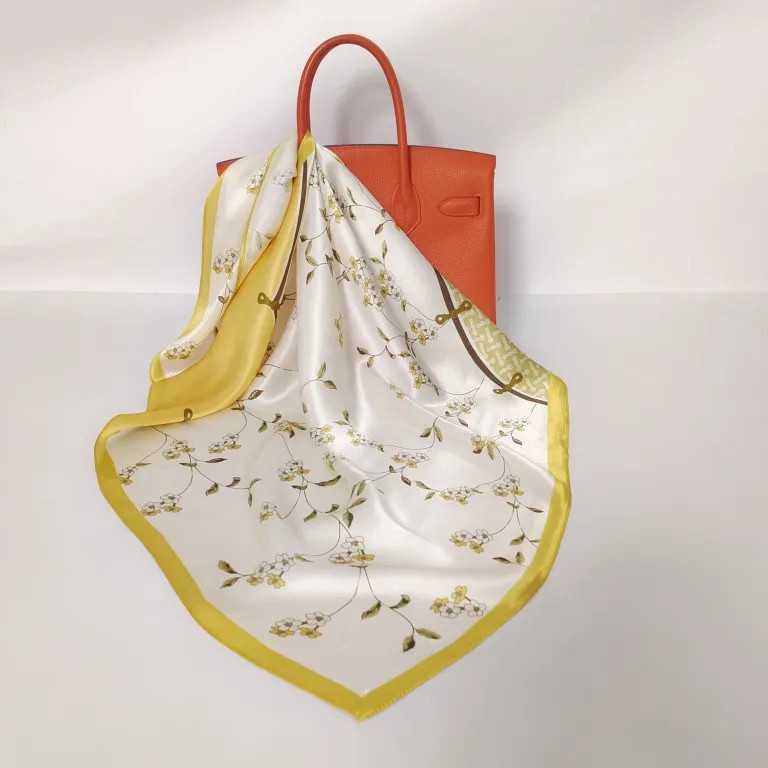
For silk scarves, print clarity is especially important. Borders, motifs, corner details, logos, and color matching can turn a simple square into a recognizable brand piece. If the scarf will be sold as a premium product, fabric, printing, edge finishing, and packaging need to work together.
How to Style a Silk Neck Scarf Today
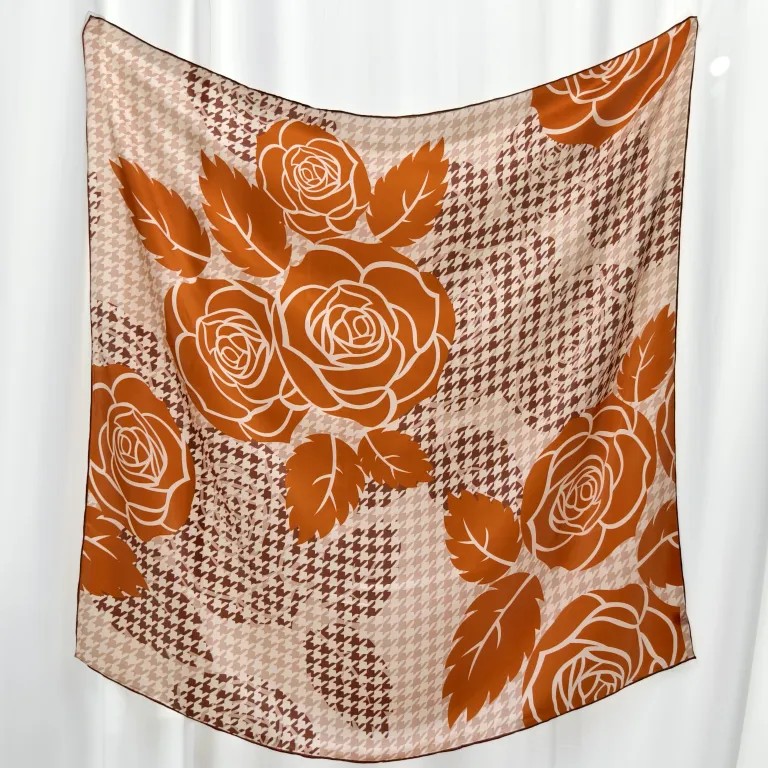
A silk neck scarf remains popular because it is versatile. It can be worn close to the neck for a polished look, tied loosely for movement, wrapped in the hair, styled on a handbag, or used as a uniform detail. The same scarf can feel classic, playful, professional, or expressive depending on the knot and outfit.
| Styling direction | How to wear it | Best use |
|---|---|---|
| Classic elegance | Tie neatly at the neck with a blouse, dress, or blazer | Retail styling, office looks, luxury capsule collections |
| Casual accent | Wear loosely with denim, knitwear, or a simple shirt | Everyday styling and lifestyle brands |
| Creative accessory | Use as a hair scarf, wrist tie, or handbag accent | Beauty, resort, and gift collections |
| Brand uniform | Coordinate color, logo, and size for staff styling | Hotels, retail teams, events, and corporate gifting |
Custom Scarf Opportunities for Brands
For brands, the modern neck scarf is an efficient product format. It is compact, giftable, easy to merchandise, and rich in visual storytelling. Fashion labels can use scarf artwork to extend a collection. Museums can translate artwork into retail gifts. Hotels can use scarves as uniform accents. Corporate brands can create elegant event merchandise.
Production details matter. A high-quality custom scarf should match the artwork, target customer, fabric, print method, edge finishing, label, and packaging. Machine hemming offers clean consistency and efficient production. Hand-rolled edges can communicate more artisanal value when the product positioning supports it.
Frequently Asked Questions
Why has the neck scarf remained popular for so long?
The neck scarf has stayed relevant because it combines function, symbolism, and style. It can protect the neck, signal identity, complete a uniform, carry artwork, express personal taste, and transform a simple outfit with very little effort.
When did scarves become fashion accessories?
Scarves developed from practical and symbolic cloths into fashion accessories over many centuries. By the nineteenth and twentieth centuries, silk scarves and neck scarves became widely recognized as refined styling pieces for both women and men.
Why is silk a popular fabric for neck scarves?
Silk is popular for neck scarves because it offers smooth touch, light weight, natural luster, fluid drape, and excellent print expression. These qualities make it suitable for both classic styling and modern custom scarf design.
How can brands use neck scarves today?
Brands can use neck scarves as fashion accessories, uniform details, museum gifts, corporate gifts, beauty brand merchandise, resort products, and limited-edition storytelling pieces. Custom artwork, labels, colors, packaging, and finishing help make the scarf feel unique.
Can DOCSUN help develop custom neck scarves?
Yes. DOCSUN can support custom neck scarf development with fabric selection, artwork preparation, digital or screen printing, color matching, edge finishing, labels, packaging, sampling, and bulk production.
Create a Custom Neck Scarf for Your Brand
Share your artwork, size, fabric preference, color target, edge finishing, label, packaging, and launch schedule. DOCSUN can help develop custom silk neck scarves from concept to finished production.
Contact DOCSUNFast response within 24 hours.