FABRIC KNOWLEDGE & SOURCING
The Ultimate Guide to Custom Silk Scarves: From Fabric Selection to Personalized Design
Custom silk scarves combine fabric, artwork, printing, edge finishing, labels, packaging, and brand positioning. This guide helps brands understand the practical decisions behind a successful scarf project before sampling begins.
Define the Scarf Goal and Customer
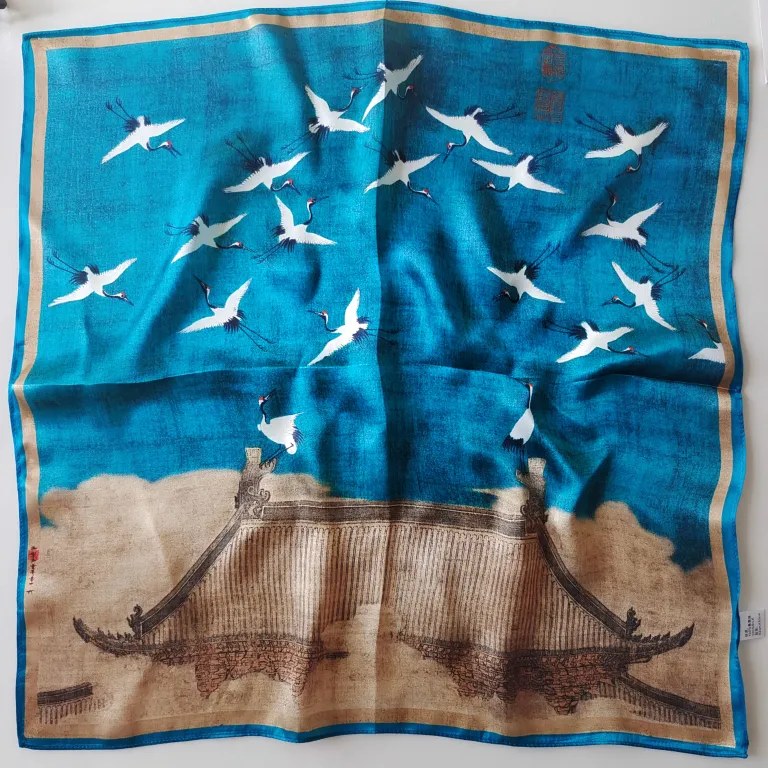
Before choosing silk fabric or artwork, define why the scarf is being made. A retail scarf, museum gift, corporate gift, hotel uniform accent, boutique accessory, wedding favor, or fashion capsule collection will each need different decisions.
Start with the target customer, expected retail price, styling use, order quantity, launch schedule, and packaging level. These decisions guide everything that follows, including fabric weight, print method, hem quality, label placement, and sample approval.
For commercial project planning, the main product page for custom silk scarves should be used as the conversion page. This guide supports the decision process before inquiry and sampling.
Choose the Right Silk Fabric
Fabric selection affects drape, print clarity, opacity, shine, hand feel, and price. Silk twill is often used for premium square scarves because it has structure and supports detailed artwork. Silk satin creates a smoother, glossier effect. Silk chiffon is light and soft, suitable for airy styling. Silk habotai can work for lightweight or cost-sensitive projects.
The word "mulberry silk" describes the fiber source, while twill, satin, chiffon, and habotai describe weave or fabric construction. A scarf can be made from 100% mulberry silk twill, 100% mulberry silk satin, or other silk fabrics. For a deeper comparison, see our guide to the best silk fabrics for scarves.
Select Size, Shape, and Use Scenario
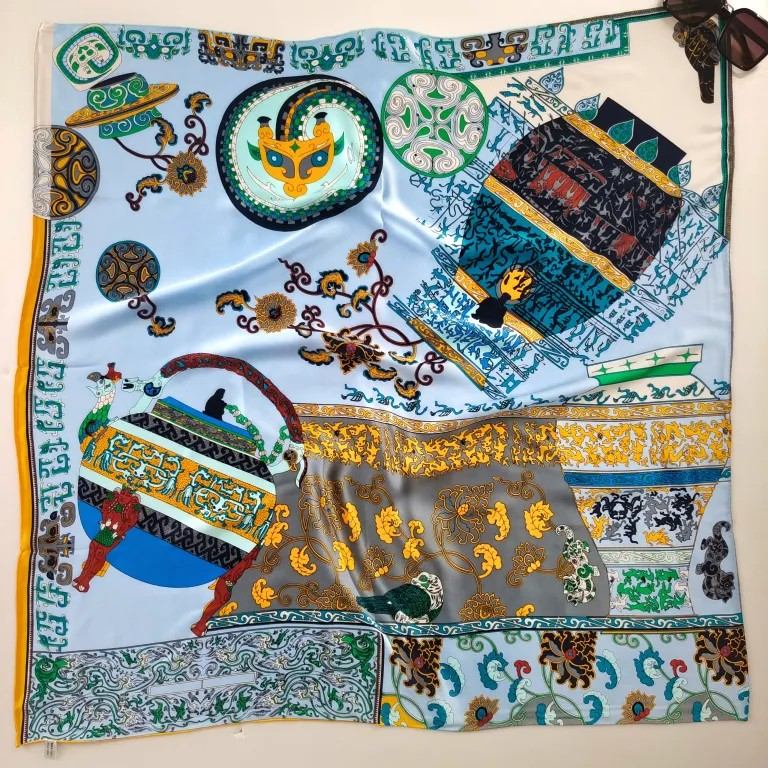
Size changes both design and use. Small square scarves can be worn around the neck, wrist, hair, or bag handle. Medium scarves allow more visible artwork and flexible styling. Large 90 cm scarves give enough space for storytelling, borders, and luxury presentation.
| Size | Common use | Design advice |
|---|---|---|
| 53 x 53 cm | Neck scarf, bag scarf, gift item | Use compact motifs, corners, or repeat patterns. |
| 68 x 68 cm | Fashion accessory, boutique scarf | Works well for balanced center artwork and borders. |
| 90 x 90 cm | Luxury square scarf, art scarf, brand collection | Best for detailed storytelling and premium positioning. |
| Long scarf | Styling scarf, uniform accent, seasonal collection | Plan motif direction and repeat carefully. |
Plan Personalized Artwork and Branding
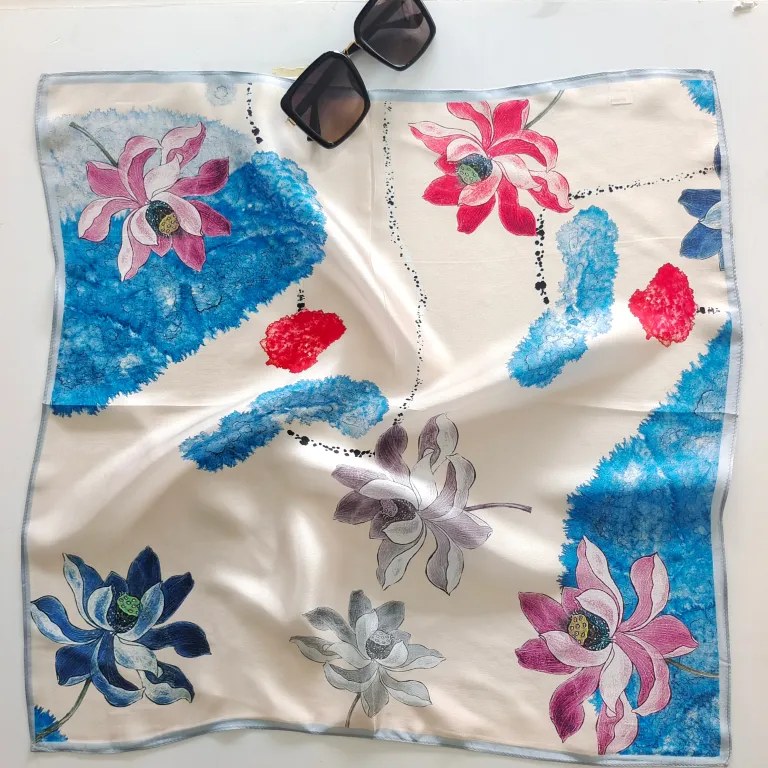
Personalized scarf design can include brand logos, hand-drawn motifs, regional patterns, seasonal colors, corporate symbols, museum artwork, or private-label graphics. The design should remain attractive when folded, tied, or displayed in packaging.
For logo scarves, avoid placing the logo only in one location unless that position remains visible during styling. Corner logos, border marks, repeated emblems, tonal branding, or integrated motifs often look more refined than one oversized logo.
If you are preparing artwork files, include the final scarf size, bleed, border width, repeat direction, color references, and any placement notes. For case inspiration, review our custom scarf cases.
Printing Method and Color Matching
Digital printing is flexible for detailed artwork, gradients, and smaller custom runs. Screen printing can be suitable for certain solid-color designs or larger production quantities. The right method depends on fabric, artwork, color count, order quantity, and target price.
Color matching should be handled with physical references whenever possible. Screen colors and fabric results are not identical, especially on silk surfaces with shine or texture. A strike-off sample helps confirm color, scale, and clarity before bulk production. Read more about custom printing before preparing final files.
Edge Finishing, Labels, and Packaging
Finishing affects perceived value. Hand-rolled edges are often used for premium silk scarves, while machine hems can be efficient for certain orders. Labels, care labels, hangtags, and packaging should match the scarf's price point and sales channel.
Packaging matters for brand experience. A gift scarf, luxury retail scarf, or corporate scarf may need a custom box, sleeve, card, label, or complete set. Plan packaging early because it affects cost, production time, shipping volume, and final presentation. DOCSUN can support custom packaging for scarf projects.
Sampling Checklist for Brands
Before approving a custom silk scarf sample, check the details below. A clear approval process reduces remakes and helps the manufacturer repeat the sample accurately in bulk.
Frequently Asked Questions
What fabric is best for custom silk scarves?
Silk twill is a strong all-around choice for premium printed scarves. Satin offers more shine, chiffon is lighter and softer, and habotai can work for lightweight projects. The best choice depends on artwork, size, budget, and target customer.
What size should I choose for a custom scarf?
Small scarves such as 53 cm are useful for neck and bag styling. Medium scarves such as 68 cm provide more artwork space. 90 cm square scarves are common for premium collections and detailed storytelling.
Can I put my logo on a custom silk scarf?
Yes. Logos can be placed in corners, borders, repeat patterns, or integrated motifs. The best placement depends on how the scarf will be folded, tied, packaged, and worn.
How many samples are needed before bulk production?
Many projects need at least one printed sample or strike-off to confirm fabric, color, artwork scale, and finishing. More complex designs may need additional revisions before bulk approval.
Can DOCSUN help with fabric, printing, and packaging together?
Yes. DOCSUN can support fabric selection, artwork review, printing, edge finishing, labels, packaging, sampling, and bulk production for custom silk scarf projects.
Start a Custom Silk Scarf Project
Send your artwork, scarf size, target customer, fabric preference, quantity, and packaging idea. DOCSUN can help review the technical details before sampling.
Contact DOCSUNFast response within 24 hours.