
Why Material Choice Matters for Scrunchies
Scrunchies sit directly against hair, so material affects friction, pulling, comfort, styling marks, and perceived quality. A cheaper fabric can still look shiny in a product photo, but it may feel rougher, lose shape faster, or perform poorly after repeated use.
For hair-care and beauty brands, material choice becomes part of the product promise. A silk scrunchie is not only a small accessory; it may sit inside a sleep-care set, salon retail line, hotel spa gift, holiday bundle, or premium hair accessory collection.
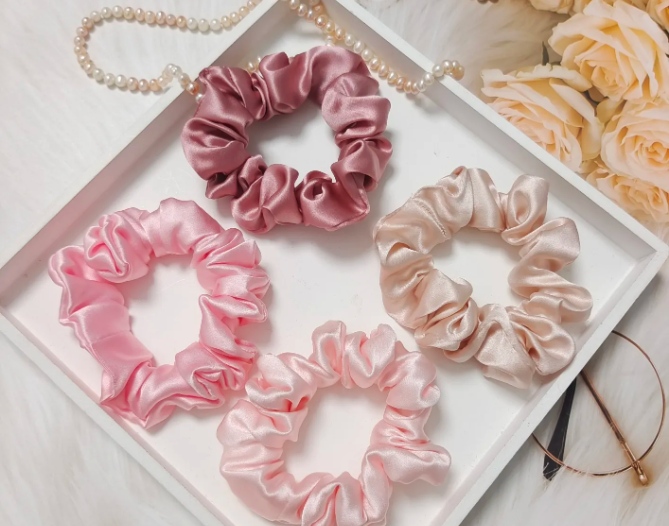
Premium Silk, Satin, and Ordinary Materials
Premium mulberry silk has a naturally smooth surface and soft hand feel. Satin describes a weave or surface effect and may be made from silk or synthetic fibers. Ordinary synthetic satin can be shiny, but it may not deliver the same touch, breathability, hair-care story, or brand value.
Buyers should request material details instead of judging only by photos. Ask whether the fabric is mulberry silk, silk satin, polyester satin, imitation silk, or another blend. The answer affects claim wording, price positioning, care instructions, packaging, and customer expectations.
Hair Friction, Shine, and Customer Perception
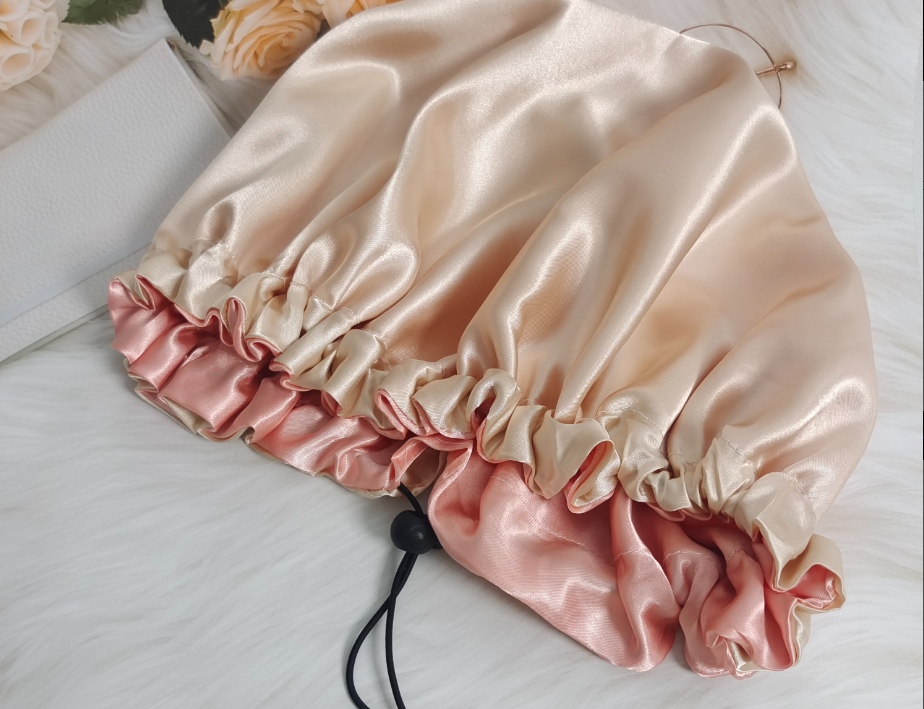
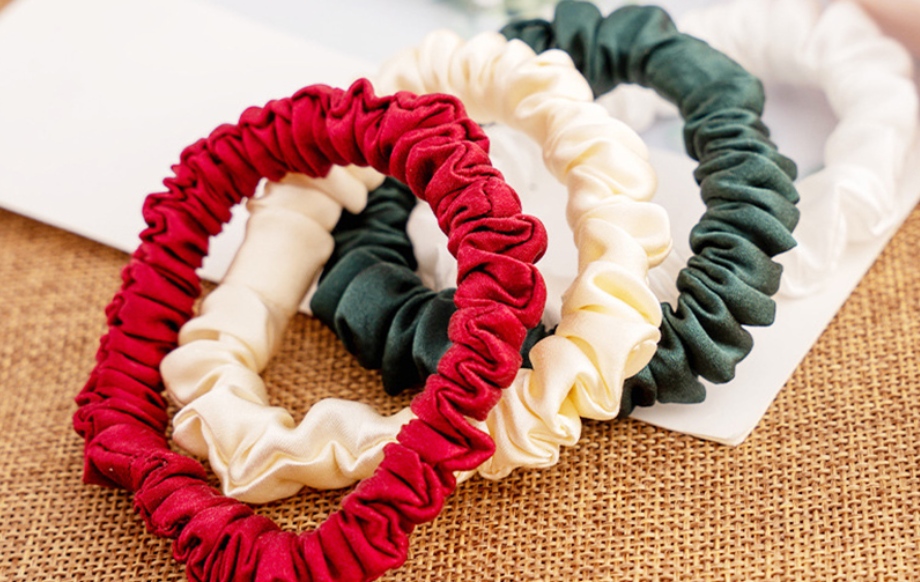
The main reason customers choose silk scrunchies is the smoother contact with hair. Premium silk can help reduce rough friction compared with many ordinary fabrics, which supports a softer hair-care message. This is especially meaningful for curly hair, fine hair, dry hair, color-treated hair, and customers who wear scrunchies overnight.
The product still needs honest positioning. A scrunchie alone does not solve every hair problem, but smoother fabric, correct tension, and better stitching can create a more comfortable accessory. For brands, the strongest message is practical: softer surface, gentler hold, more premium hand feel, and better presentation.
Elastic Recovery and Holding Strength
A good scrunchie also needs reliable elastic recovery. Even premium fabric will disappoint if the elastic is too weak, too tight, or unevenly distributed. The elastic should hold hair comfortably without pulling too much, and it should recover after repeated stretching.
During sampling, test the scrunchie in relaxed and stretched states. Check whether the fabric gathers evenly, whether the elastic twists inside the tube, whether the seam feels bulky, and whether the product returns to shape after use. These details matter more to repeat customers than one beautiful product photo.
Size, Volume, and Use Scenario
Scrunchie size should match the customer and use scenario. Mini scrunchies may work for children, fine hair, braids, or small gift sets. Medium scrunchies are often the most versatile for daily wear. Oversized scrunchies can feel more fashion-led and work well for statement styling, sleep-care bundles, or beauty influencer products.
Brands should decide whether the scrunchie is for daily hair tying, bedtime use, spa retail, boutique fashion, salon resale, or gift packaging. This decision affects fabric width, elastic length, fullness, color selection, and whether the product should be sold alone or as part of a set.
Color, Printing, and Brand Identity
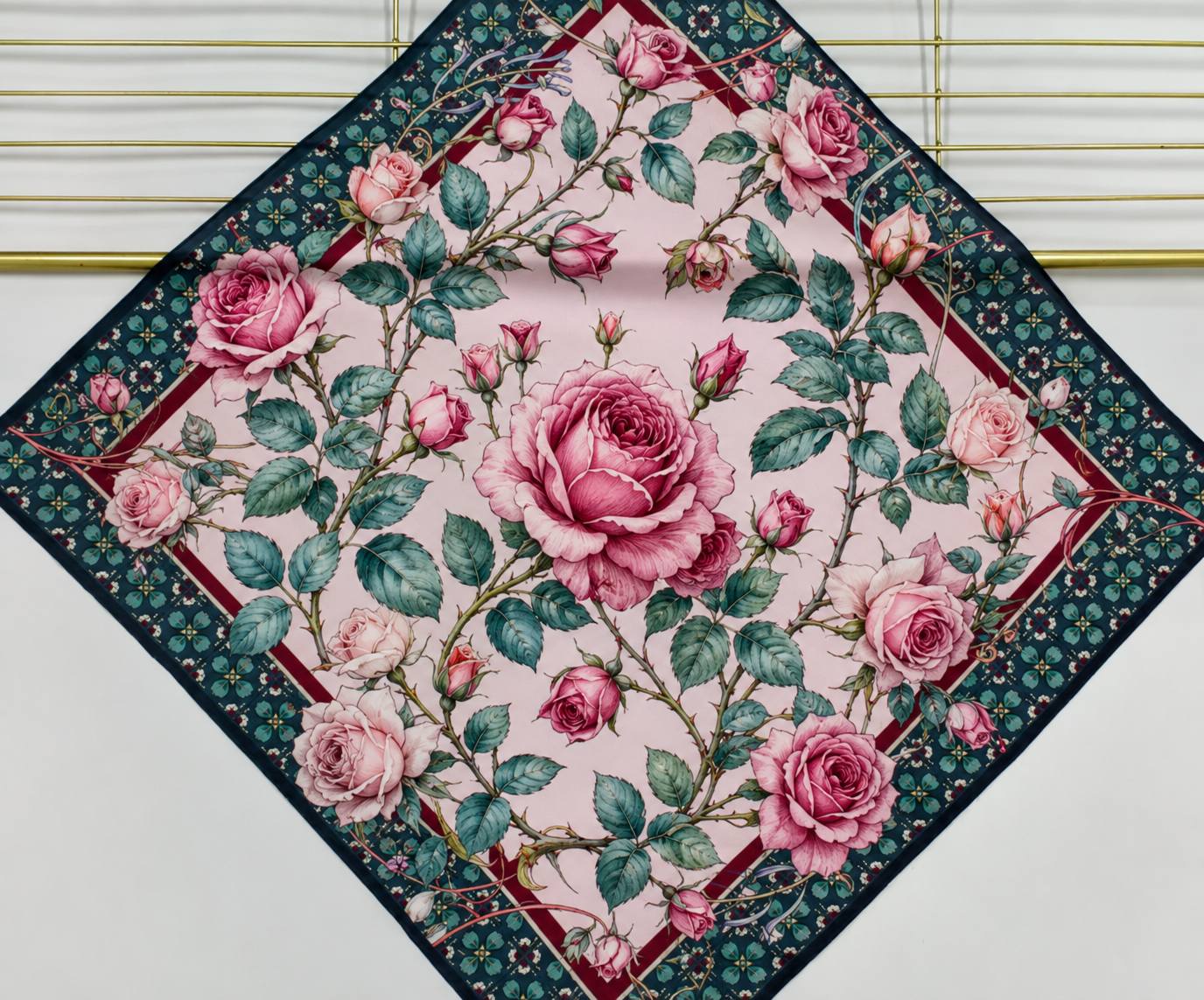
Solid colors are useful for clean beauty, sleep-care, spa, and minimalist gift lines. Printed scrunchies can support seasonal collections, floral themes, brand patterns, resort stories, and coordinated accessories. A print that works on a scarf may need to be simplified for a scrunchie because the fabric is gathered and the motif is not fully visible.
For printed programs, connect fabric choice with DOCSUN's fabric, color, and craftsmanship guidance. Strong prints, pale colors, and logo patterns should be sampled on the real gathered product, not only on flat fabric.
Build a Credible Hair-Care Accessory Line
Silk scrunchies become stronger when they belong to a product family. A beauty brand may combine scrunchies with bonnets, pillowcases, eye masks, and sleep masks. A fashion brand may coordinate scrunchies with scarves, headbands, and printed accessories. A salon or spa may use silk accessories as premium retail add-ons.
Use the custom silk scrunchies page for product details, the custom hair accessories hub for category planning, and the hair accessories cases page when buyers want proof of similar custom work.
Packaging, Labels, and Retail Presentation
Packaging can change how customers judge a small product. A silk scrunchie in a plain bag feels different from a scrunchie presented with a card, box, sleeve, fabric pouch, care instruction, or coordinated gift set. Packaging is especially important for beauty retail, holiday gifts, hotel spa programs, and influencer launches.
Plan custom packaging early so the folded product, label, barcode, care card, color story, and retail display work together. For premium silk claims, packaging should support the material story instead of making the product look generic.
Low MOQ Testing and Repeat Orders
For new brands, low MOQ testing can reduce risk. Start with a small color range, one or two sizes, and a clear target customer. Use the first batch to test styling photos, packaging, customer feedback, color demand, and elastic performance before expanding into more colors or bundles.
For repeat orders, keep approved samples and production notes. Record fabric type, width, elastic specification, stitching method, label position, color references, packaging, and care wording. This helps future batches stay consistent even when the collection grows.
Buyer Checklist Before Ordering
Confirm material composition, fabric surface, size, fullness, elastic recovery, seam quality, color, print method, label position, packaging, care instructions, quantity, and whether the product belongs to a beauty, sleep, gift, salon, spa, or fashion line.
Premium claims should be supported by product details, clear care instructions, and consistent packaging. If the brief is ready, send material preference, target customer, quantity, packaging needs, and timeline through contact us so sampling can begin with fewer revisions.
FAQ
Are premium silk scrunchies better than ordinary scrunchies?
They can be better for hair comfort because smooth silk usually creates less rough friction and feels softer than many ordinary synthetic materials.
Is satin always silk?
No. Satin can refer to a weave or surface effect and may be made from silk or synthetic fibers.
What should brands check before ordering silk scrunchies?
Check material composition, surface smoothness, size, elastic recovery, stitching, color, label position, packaging, and care instructions.
Can silk scrunchies be part of a hair-care set?
Yes. They can be bundled with bonnets, pillowcases, eye masks, and packaging for beauty or sleep-care collections.
Can DOCSUN help compare materials?
Yes. DOCSUN can provide fabric references, sample development, elastic and size planning, production guidance, and packaging support for hair accessories.
Plan Your Custom Project with DOCSUN
Send your target market, product idea, artwork direction, fabric preference, quantity, packaging requirement, and delivery schedule. DOCSUN can help you turn the concept into a practical sample and production plan.
Contact UsFabric cards, color cards, and craftsmanship references are available in our Australia, United States, and United Kingdom offices on request.