
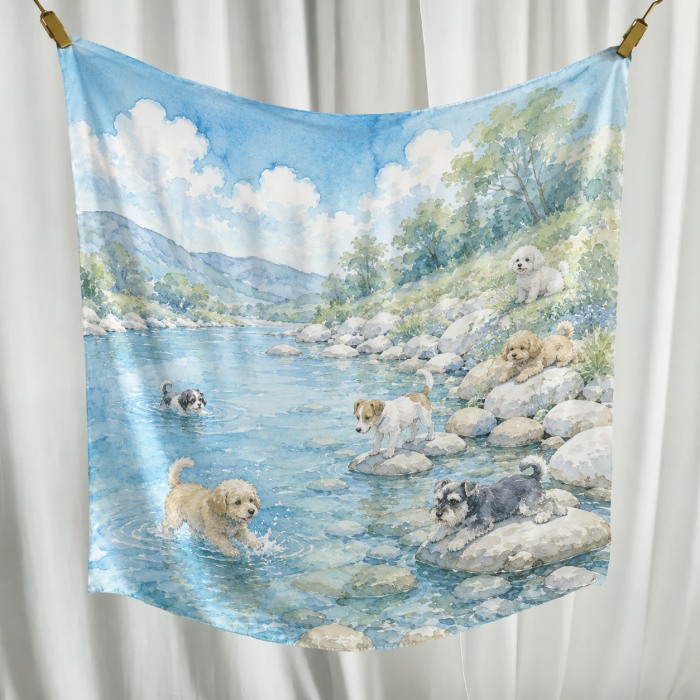
Silk Heritage and Manufacturing Depth
China's connection with silk is not only historical. It is also practical for today's sourcing teams. The country has long-standing knowledge of silk fiber, weaving, dyeing, printing, sewing, inspection, and export coordination. This depth makes it easier for brands to develop custom scarves without splitting every step across separate suppliers.
For a buyer, this matters because a custom scarf is not a simple printed square. A successful product depends on the fabric base, artwork scale, border placement, color management, hem choice, label position, packaging, and final inspection standard. A mature supplier can guide these choices before they become costly production issues.
Why 100% Mulberry Silk Matters
For luxury scarf projects, 100% mulberry silk remains one of the strongest material choices because it offers natural luster, soft touch, breathable comfort, fluid drape, and a premium feel that polyester satin cannot fully reproduce. It is especially suitable for printed scarves, boutique gift programs, museum merchandise, capsule collections, and premium brand accessories.
Different scarf concepts require different silk fabrics. A 90 cm square scarf often uses silk twill for structure and print detail, while a softer styling scarf may use satin or crepe de chine. Lightweight silk chiffon can support airy fashion styling, while heavier silk can help reduce show-through for double-sided designs. For detailed fabric planning, use our fabric, color, and craftsmanship guide.
Customization Is the Real Advantage
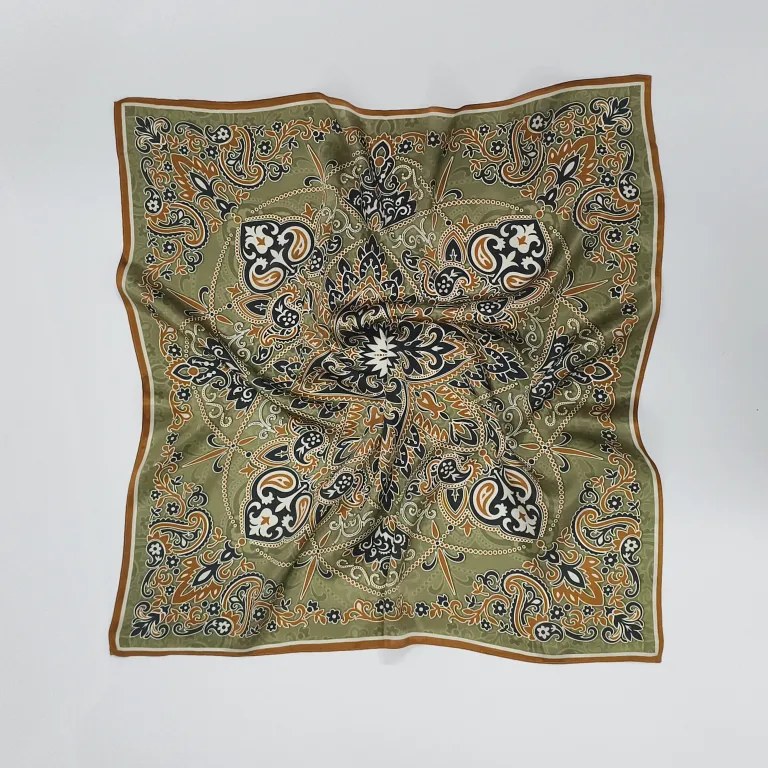
The strongest Chinese scarf suppliers do more than print a customer's artwork. They help translate a design brief into a manufacturable product. That includes choosing the right scarf size, fabric weight, edge finish, print method, label position, care label, hang tag, and retail packaging.
For brand projects, customization usually includes custom silk scarf development, custom printing, custom packaging, and sample approval. When these steps are handled together, the finished scarf feels more consistent and professional.
| Customization area | Buyer decision | Why it affects the final scarf |
|---|---|---|
| Fabric | Silk twill, satin, crepe de chine, chiffon, habotai, or blend | Controls texture, drape, opacity, print definition, and luxury positioning. |
| Size | 53 cm, 68 cm, 70 cm, 90 cm, 110 cm, or custom size | Changes styling use, artwork scale, unit cost, and packaging format. |
| Digital print, screen print, single-sided, or double-sided | Affects color saturation, reverse-side visibility, sampling needs, and production time. | |
| Edge finishing | Hand-rolled hem, machine hem, overlock, or French hem | Influences perceived value, edge thickness, durability, and delivery schedule. |
| Branding | Woven label, care label, hang tag, sticker, gift box, pouch | Connects the scarf with the brand identity and retail experience. |
Quality Control from Artwork to Bulk
Quality control begins before printing. A reliable manufacturer should review artwork resolution, border placement, repeat layout, color profile, fabric selection, and expected hem allowance. These details influence whether the finished scarf looks balanced after cutting and hemming.
During production, the supplier should check fabric defects, print clarity, color consistency, edge finishing, label placement, ironing, folding, packing, and carton marks. For repeat orders, keeping approved samples, color notes, and production records helps maintain consistency across seasons.
How Buyers Should Evaluate Manufacturers
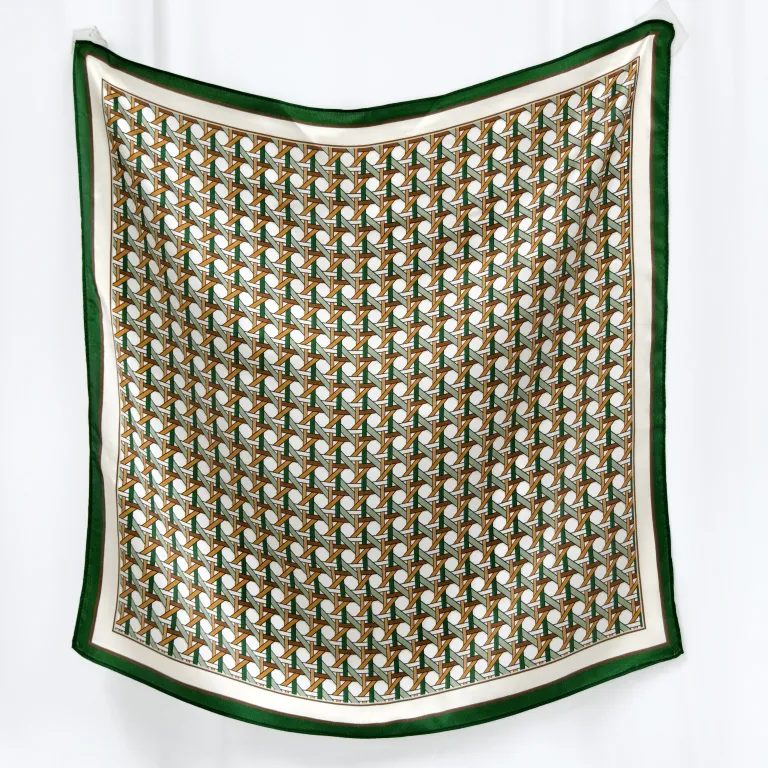
Not every supplier is suitable for every scarf project. A low-cost factory may be acceptable for a simple promotional item, while a premium fashion collection needs stronger sampling, color control, finishing, and packaging support. Before placing an order, buyers should ask practical questions rather than relying only on a product photo.
If your team is still comparing scarf formats, review our custom scarf cases and hand-rolled vs machine-rolled silk scarf guide. These references help clarify which construction details matter for your target buyer.
Supplier Relationships and Repeat Orders
The best sourcing relationship is not a one-time transaction. It is a shared development process. When a supplier understands your brand's quality expectations, target market, packing style, and preferred communication rhythm, future orders become easier and more consistent.
For international buyers, communication is part of quality control. Clear artwork files, written specifications, sample approval photos, pre-production samples, and packing instructions reduce misunderstandings. At DOCSUN, we keep swatches, fabric cards, and craftsmanship references for clients who need to compare options before confirming production. For support, contact us through DOCSUN's inquiry page.
Frequently Asked Questions
Why do many brands source custom mulberry silk scarves from China?
Many brands source from China because the supply chain combines silk fabric knowledge, print capability, finishing options, labels, packaging, and scalable production. This makes it practical to move from design brief to sample and bulk order.
What should buyers check before choosing a silk scarf manufacturer in China?
Check fabric content, momme weight, print method, color control, edge finishing, sample quality, label and packaging options, MOQ, lead time, communication, and repeat-order support.
Is 100% mulberry silk better than polyester satin for custom scarves?
For luxury scarves, 100% mulberry silk usually offers better natural sheen, softness, breathability, drape, and perceived value. Polyester satin may suit budget projects, but it does not feel the same as natural silk.
Which customization options matter most for brand scarf projects?
Fabric, size, print method, color matching, border layout, edge finishing, woven labels, care labels, hang tags, and packaging all affect the finished product and brand experience.
Can DOCSUN support custom silk scarf projects for global brands?
Yes. DOCSUN supports custom silk scarf projects with fabric selection, artwork review, digital printing, finishing, labels, packaging, sampling, quality control, and bulk production planning.
Plan a Custom Mulberry Silk Scarf Project
Share your artwork, target size, fabric preference, finishing requirement, packaging idea, and expected quantity. DOCSUN can help you compare options and prepare a practical sampling plan.
Contact DOCSUNWe can support fabric cards, color cards, craftsmanship references, custom labels, packaging, sampling, and bulk production.