
Fabric as Social Language
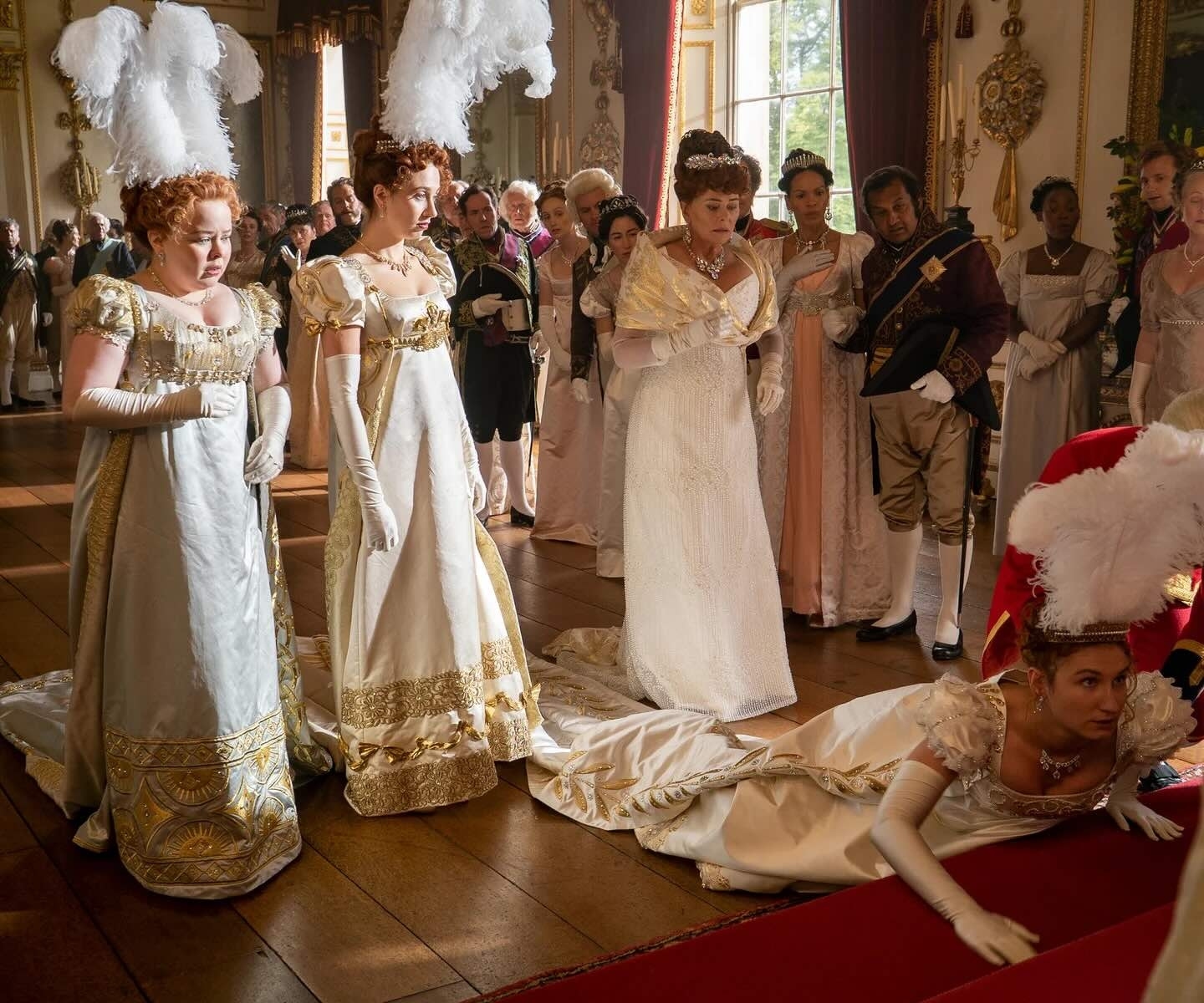
It has come to this author's attention that while society may pretend to value wit, lineage, and advantageous matches above all else, there is also a very important element that reveals the truest measure of a person: the fabric. For what is a debutante without her silks, or a ballroom without shimmer upon satin and gauze?
In Regency England, clothing was read carefully. A gown could suggest youth, wealth, restraint, flirtation, family taste, foreign influence, or fashionable daring before a single word was spoken. Silk was especially powerful because it combined surface beauty with material value. Its shine, drape, and scarcity made it a visible sign of refinement.
Modern audiences often meet this world through period dramas and Regency-inspired styling. Yet beneath the romance is a practical design lesson: fabric choice changes the entire message of a garment. This is still true for contemporary brands developing custom silk dresses, scarves, and accessory collections.
White Gowns, Debutantes, and Softness
One need only observe the world of Regency fashion to understand that dress was never mere adornment. It was language. It was strategy. And, for those daring enough, it was power.
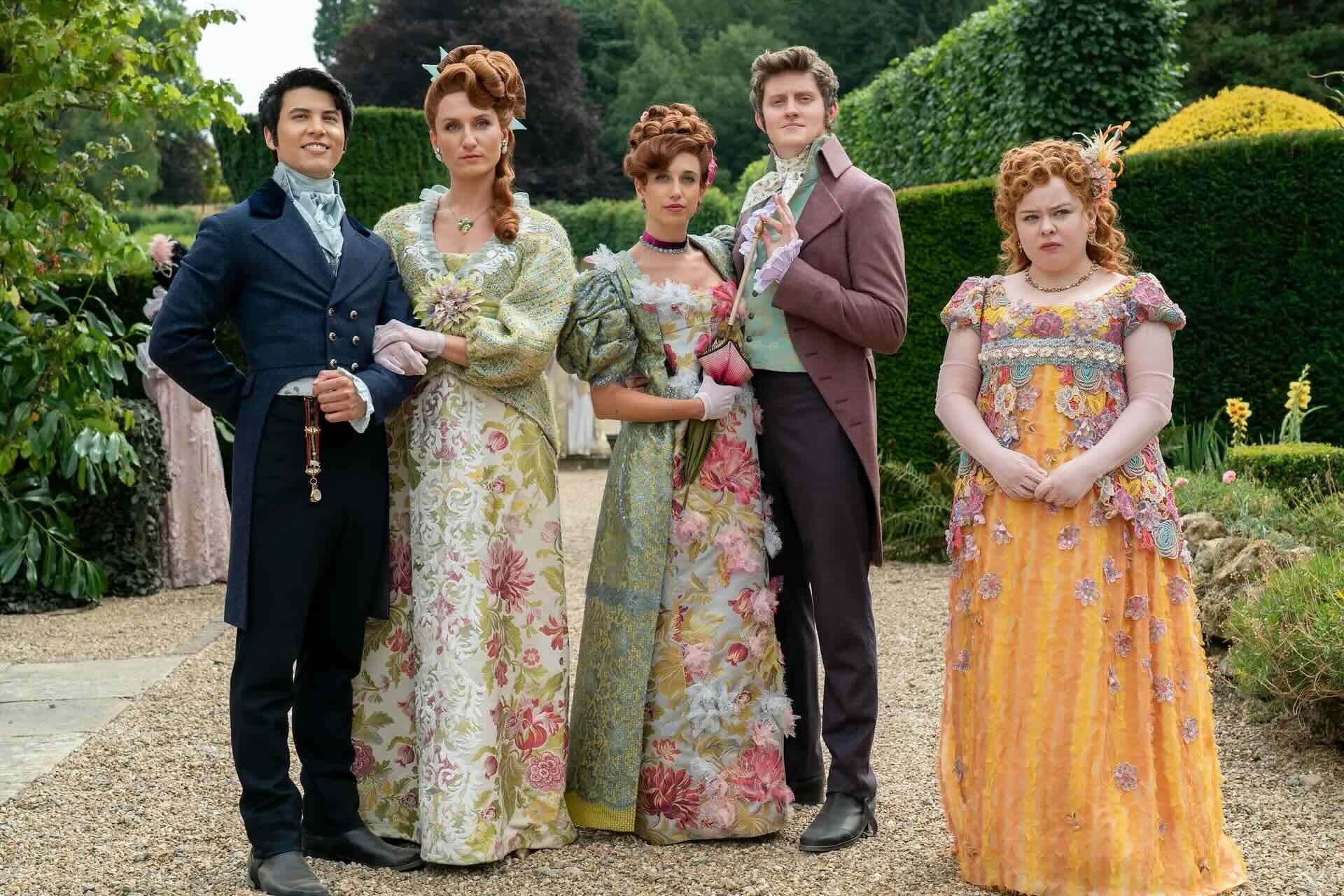
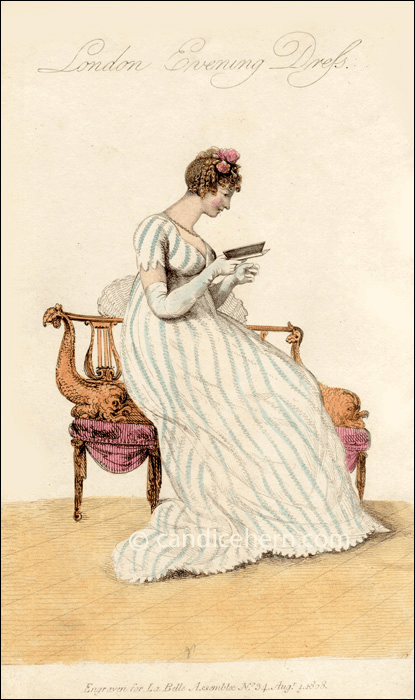
The Regency aesthetic is defined by softness: empire waistlines falling gently from beneath the bust, skirts that skim rather than structure, and fabrics that float rather than constrain. White gowns appeared frequently in formal presentation because white suggested purity, youth, and availability within the marriage market.
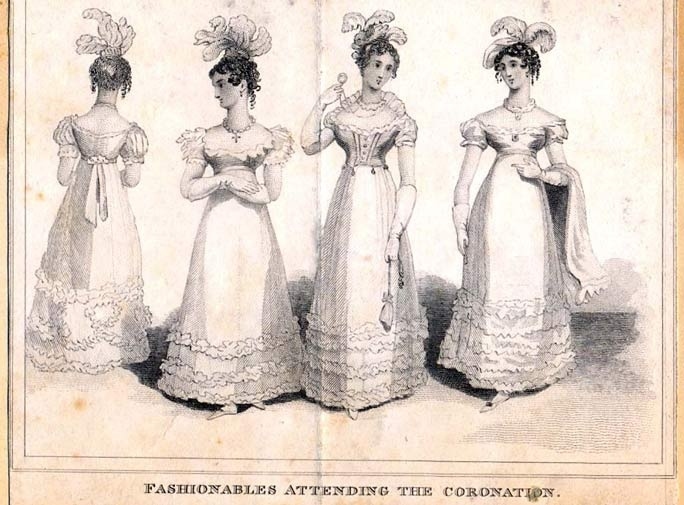
For contemporary fashion brands, this does not mean copying historical costume. It means understanding why the silhouette works: a high waist lengthens the body, a soft fabric creates ease, and a controlled palette gives the collection an immediately recognizable mood.
Silk Satin, Gauze, and Evening Light
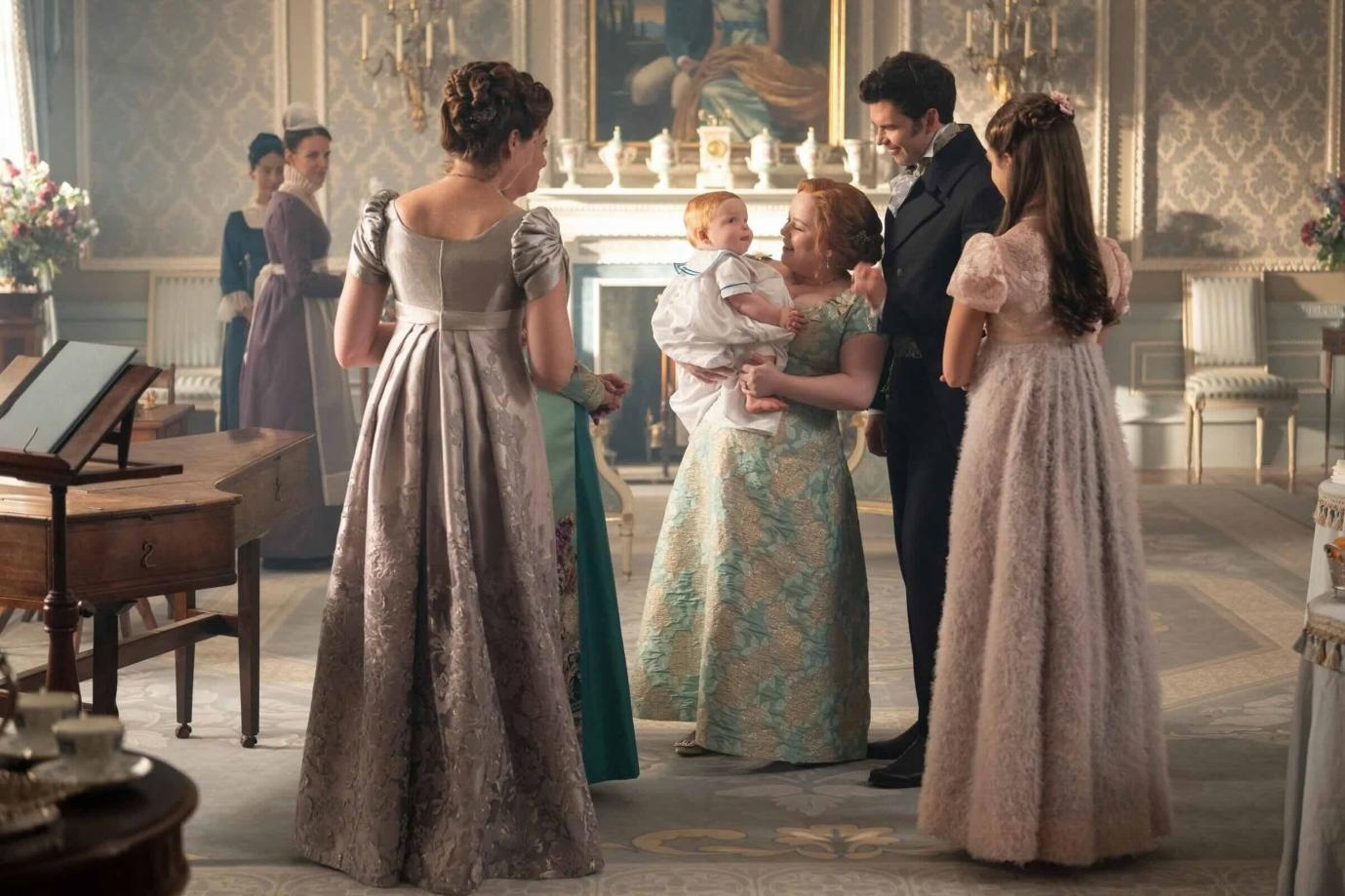
Silk satin, with its luminous surface, was the fabric of evening ambition. It caught candlelight with a brilliance that ensured its wearer could not easily be overlooked. To appear at a ball in satin was to declare oneself prepared to be seen, and perhaps admired.
In contrast, silk gauze and chiffon-like materials offered a softer allure. These sheer layers, often worn over more structured undergarments, created an effect of air and movement, as though the wearer might drift rather than walk.
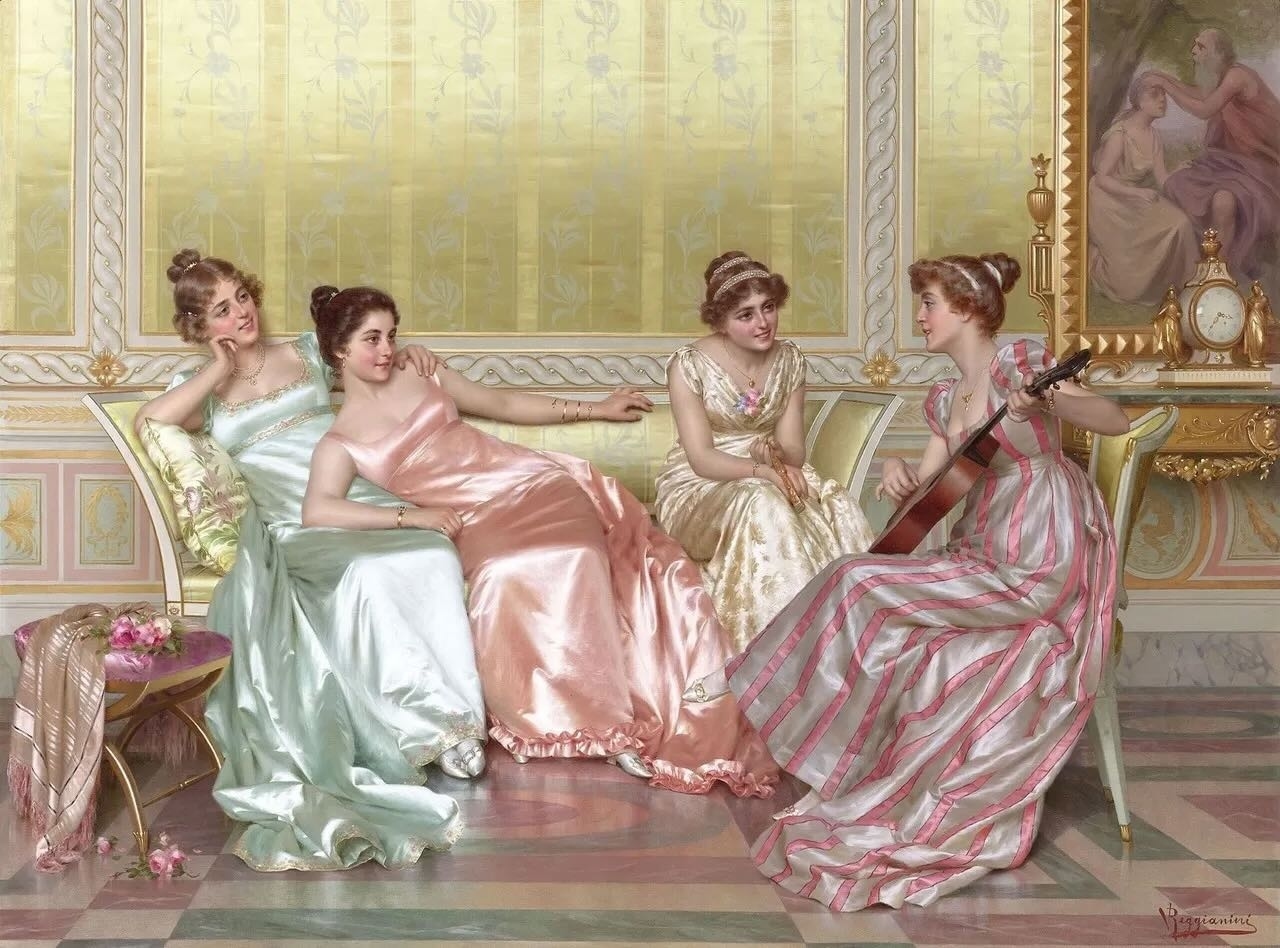

This fabric contrast is useful for modern development. Satin supports a stronger luxury signal; chiffon and gauze support softness and movement. For brands, the right choice depends on target price, opacity, drape, print clarity, and end use. Our fabric and craftsmanship selection process helps compare these options before sampling.
Spitalfields Silk and Pattern Culture
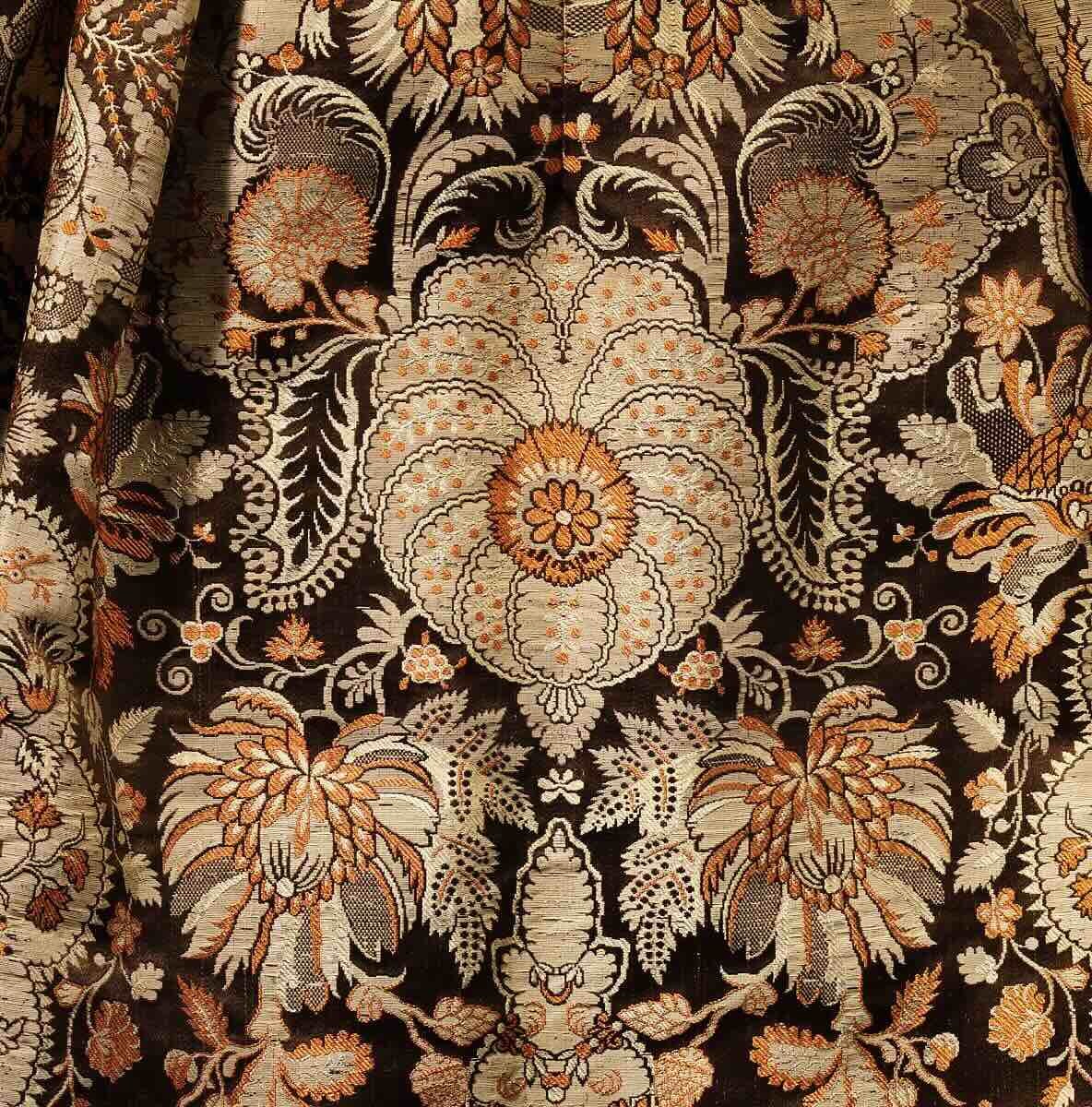
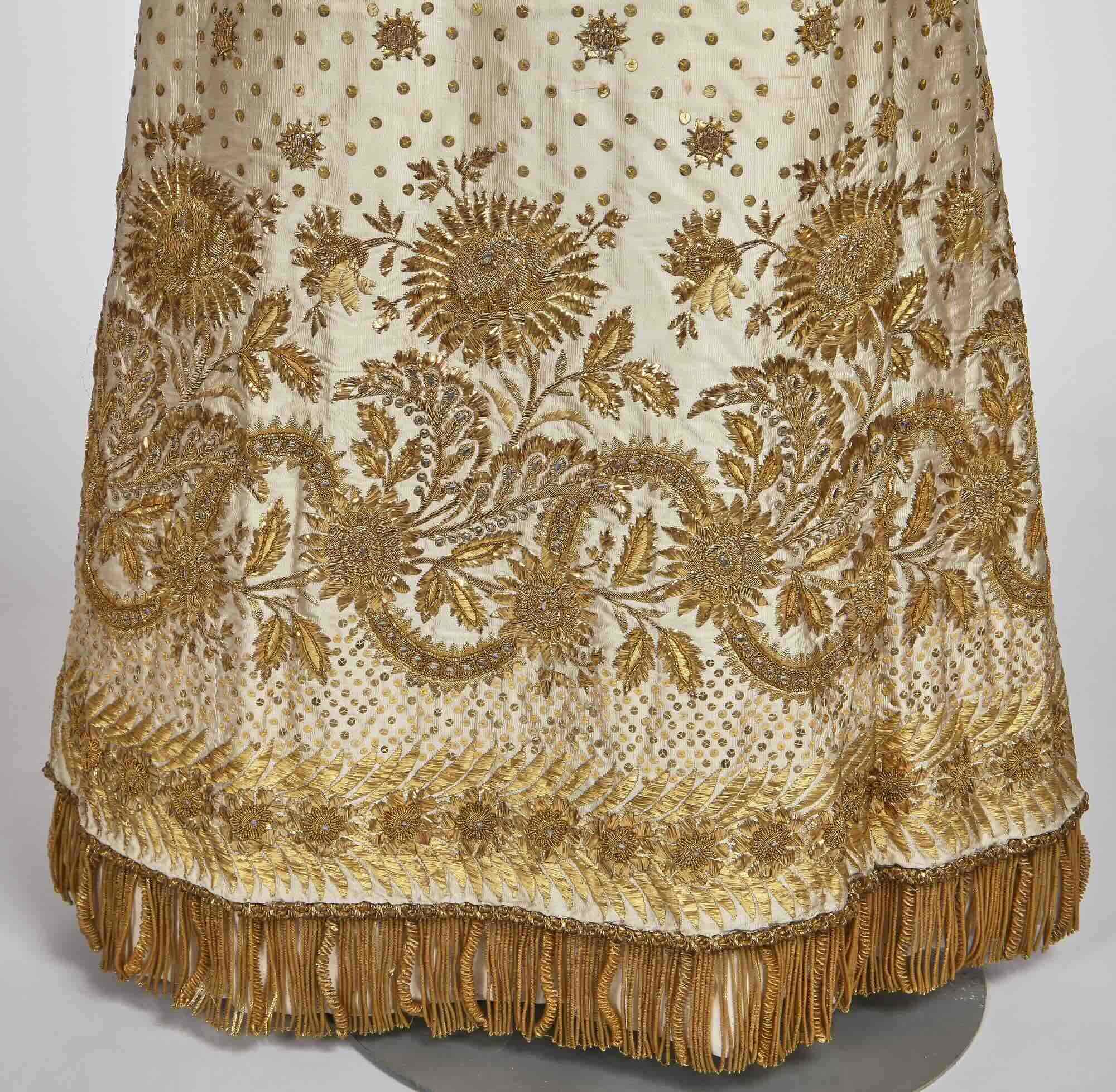
And then there is Spitalfields silk, a name whispered with particular pride in England. Produced in London by skilled Huguenot weavers, these textiles represented local luxury at its finest. To wear Spitalfields silk was to demonstrate not only wealth, but discernment.
Pattern had social power. Florals, woven motifs, metallic embroidery, and court dress details created a visual vocabulary that could be read by those trained in fashion's codes. Even when modern period costumes take liberties with exact history, they often preserve the deeper idea: pattern distinguishes character.
Trade, Empire, and Changing Textile Access
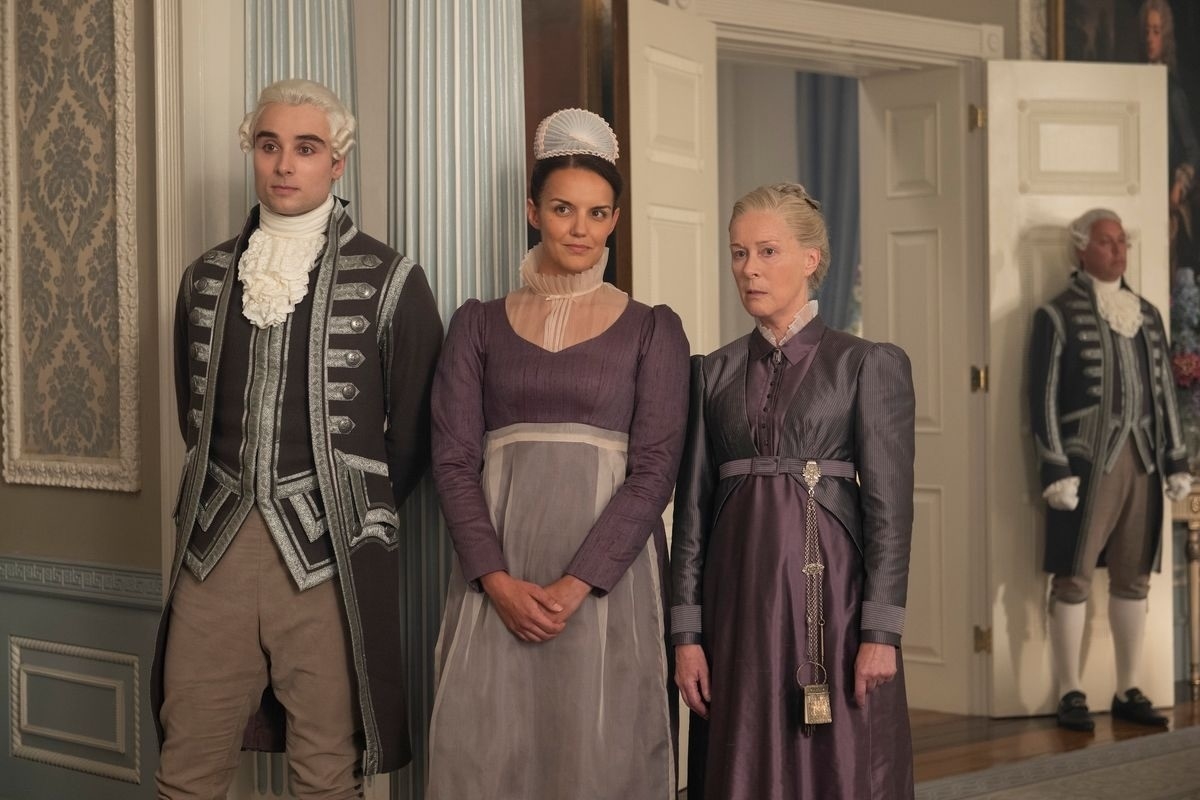
The silks of Regency England were not confined to its shores. They arrived from China, India, France, and other textile centers, carried along trade routes that connected continents and cultures. Each imported textile bore not only beauty, but the weight of exchange, empire, and labor.
At the same time, industrial change began shifting the balance between handmade artistry and mechanized production. While elites continued to prize fine silks and elaborate workmanship, broader textile availability slowly transformed fashion from an exclusive privilege into something increasingly accessible.

Regencycore and Modern Silk Design
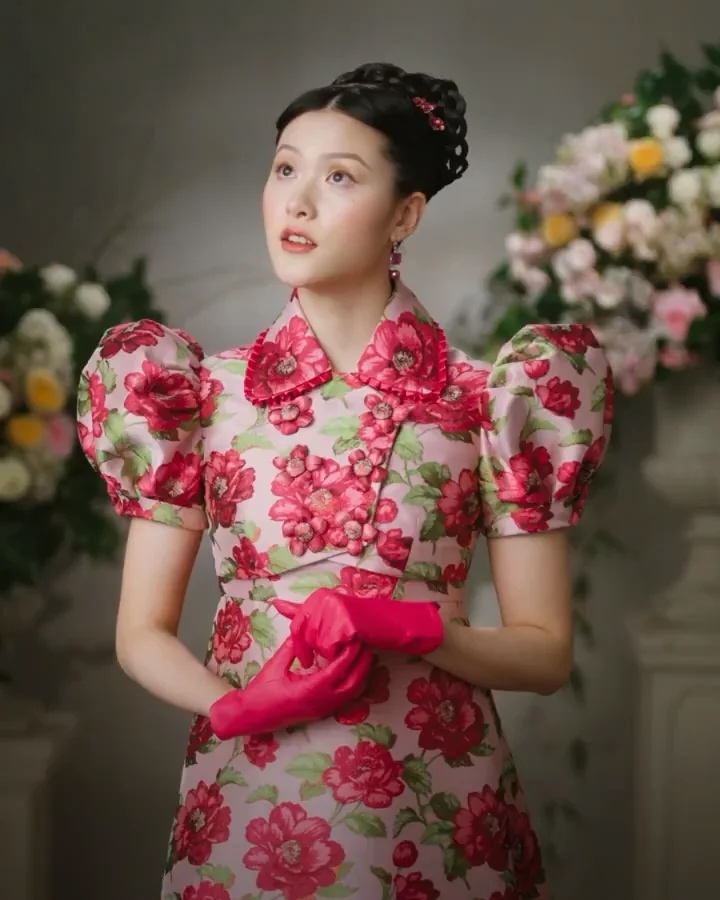
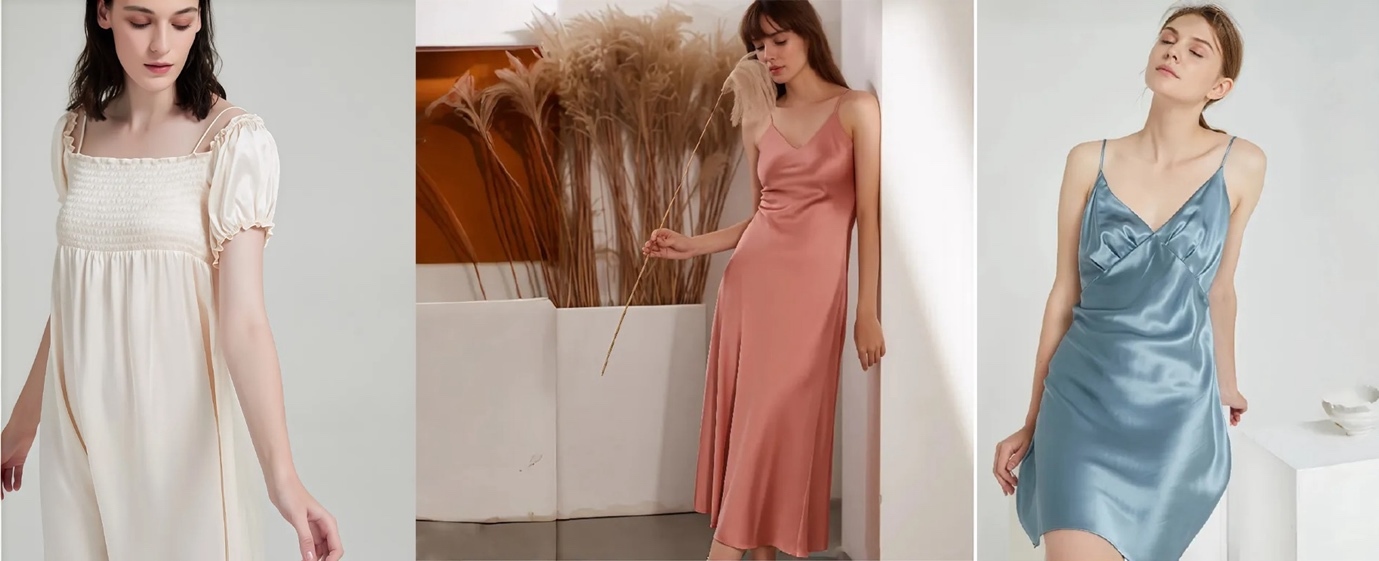
In recent years, Regency-inspired aesthetics have returned through romantic dresses, empire silhouettes, cottagecore styling, pearl details, ribbon accents, floral prints, and soft silk accessories. The mood is historical, but the opportunity is modern.
For apparel brands, the Regency look can become a silk slip dress, a printed scarf, a soft blouse, a bridal accessory, or a coordinated capsule collection. For accessories brands, the same language can be translated into custom silk scarves, hair ribbons, headbands, and gift packaging.
How Brands Can Translate the Look Today
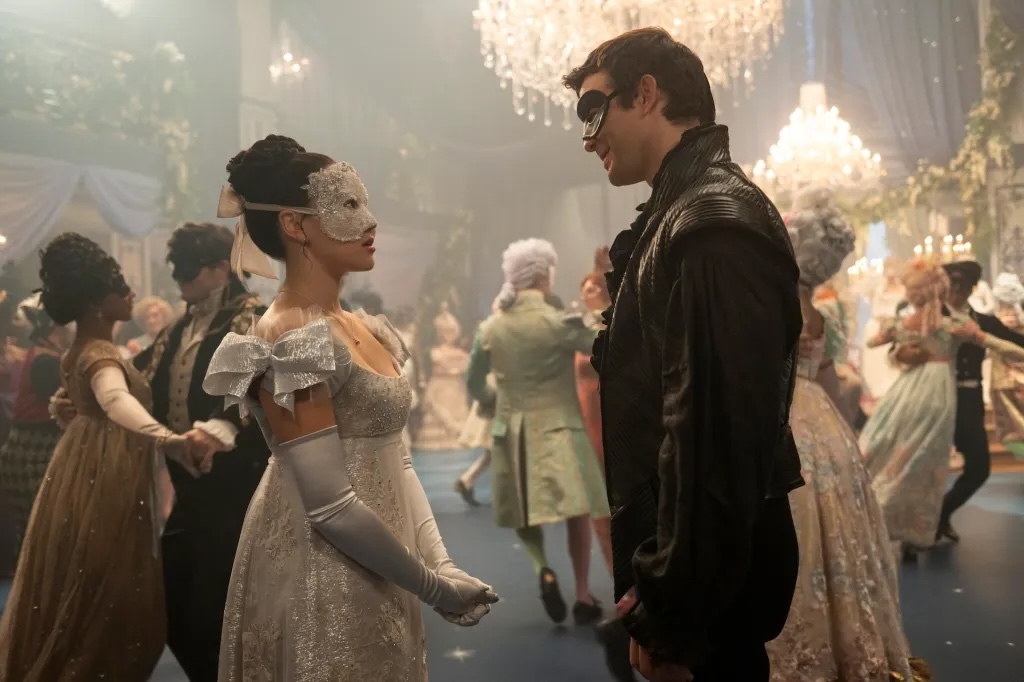
A brand does not need to recreate an 1810 ballroom to use Regency references well. The stronger approach is to choose a few design signals and make them usable for contemporary customers: soft pastels, floral artwork, luminous satin, airy chiffon, romantic packaging, and thoughtful scale.
DOCSUN can support these projects from concept to production, including custom printing, fabric selection, color matching, edge finishing, labels, and custom packaging. For brands that want a lower-risk start, silk scarves are a flexible way to test romantic print stories before expanding into dresses or full apparel capsules.
| Regency reference | Modern product use | DOCSUN production note |
|---|---|---|
| Empire waist softness | Silk slip dresses, resort dresses, bridal capsules | Confirm fabric opacity, lining plan, sample fit, and seam finish. |
| Floral silk patterns | Scarves, headbands, robes, dress prints | Use artwork scale tests before bulk printing. |
| Satin evening shine | Luxury scarves, evening tops, packaging stories | Check surface shine, drape, and color depth under different light. |
| Gauze and chiffon layers | Light scarves, overlays, romantic accessories | Balance transparency, softness, edge finish, and durability. |
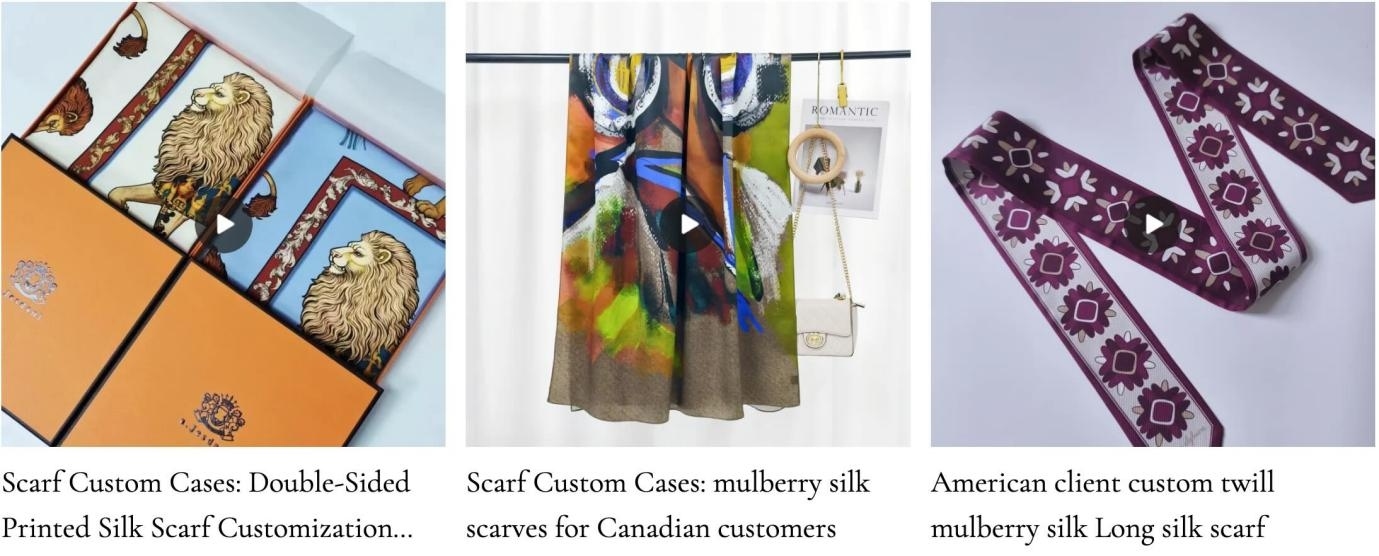
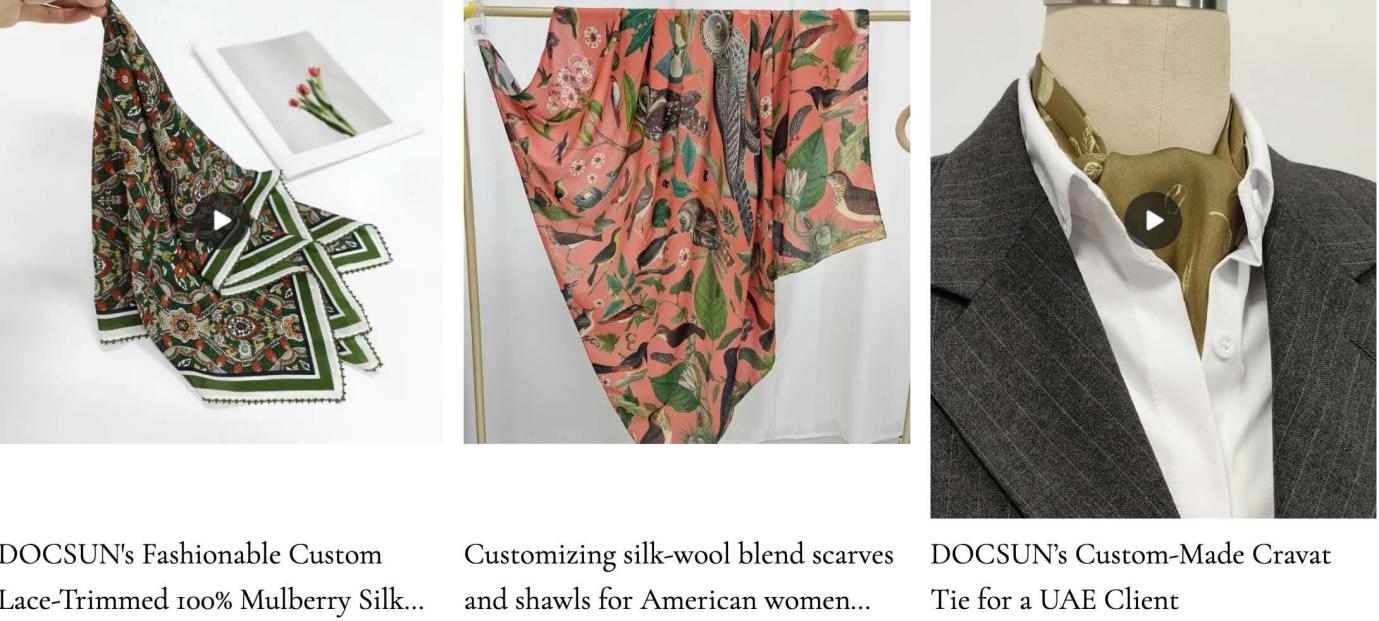
And so, whether one finds oneself beneath the chandeliers of a Regency ballroom or planning a modern fashion launch, one must remember: it is not only what one wears, but how it is woven, printed, finished, and presented that tells the most compelling story.
Frequently Asked Questions
Why was silk important in Regency England fashion?
Silk communicated status, refinement, social ambition, and access to luxury trade. Satin reflected candlelight, gauze created softness, and decorative silks helped distinguish rank and taste.
What did white silk gowns mean for Regency debutantes?
White gowns were associated with youth, purity, and formal presentation in society. For debutantes, they became part of the visual language of being introduced into high society.
What is Spitalfields silk?
Spitalfields silk refers to silk textiles woven in London's Spitalfields area, historically associated with skilled Huguenot weavers and refined luxury patterns.
How does Regency fashion connect with modern silk design?
Modern Regency-inspired design often uses empire silhouettes, soft pastels, floral motifs, satin shine, and lightweight drape in dresses, scarves, headbands, and romantic accessories.
Can DOCSUN support Regency-inspired custom silk products?
Yes. DOCSUN can help with fabric selection, custom printing, sample development, silk dresses, silk scarves, labels, packaging, and bulk production for romantic or Regency-inspired collections.
Develop a Romantic Silk Collection with DOCSUN
Share your artwork, mood board, target price, quantity, and launch timing. Our team can help you compare silk fabrics, refine color, choose printing methods, develop samples, and prepare custom packaging for your brand.
Contact DOCSUNFabric cards, color cards, and craftsmanship references are available through our Australia, U.S., and U.K. office support when needed.