Quick answer: To design a custom printed silk scarf, define its purpose and customer first. Then select the silk fabric, size, shape, artwork, color standard, printing method, edge finish, labels, and packaging. Prepare production-ready artwork, approve a physical sample on the actual fabric, and confirm measurable tolerances before bulk production.
1Define the Scarf's Purpose and Customer
Begin with the product brief, not the artwork. A scarf designed for a luxury capsule collection has different requirements from a promotional gift, uniform accessory, museum product, wedding favor, or one-piece prototype.
Write down the target customer, intended retail price, sales channel, season, styling use, quantity, launch deadline, and packaging level. These decisions guide every technical choice that follows.
- Fashion collection: Prioritize brand identity, styling versatility, color consistency, and repeatability.
- Luxury gift: Consider premium silk, refined edge finishing, personalized labels, and presentation packaging.
- Corporate or event scarf: Focus on logo visibility, brand colors, delivery date, and scalable cost.
- Sampling or personal design: Start with one piece to validate the artwork, fabric, size, and finish before expanding the order.
2Choose the Silk Fabric and Weight
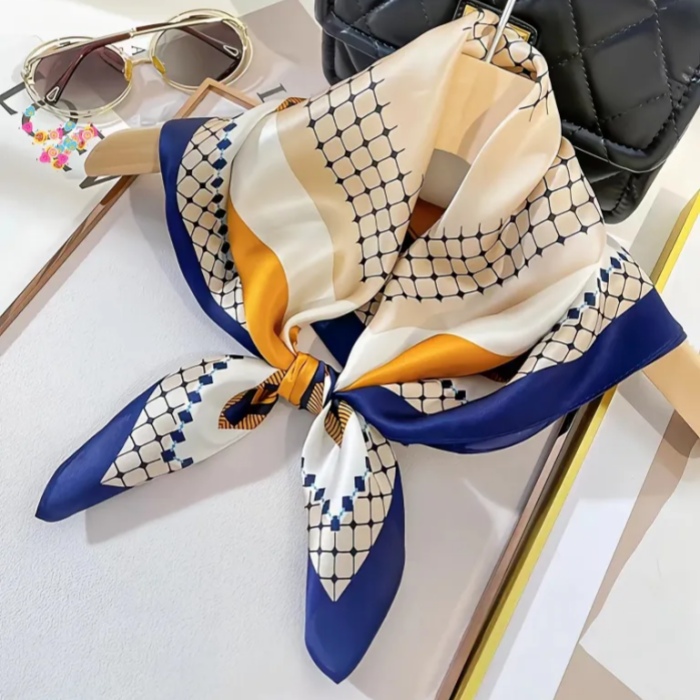
Fabric changes the way a print looks, feels, drapes, and reflects light. Silk twill provides structure and is widely used for square fashion scarves. Satin has a smooth, luminous face. Chiffon and georgette are lighter and more transparent, while crepe constructions offer a softer, less reflective surface.
Momme describes silk weight, but it should not be used as the only quality measure. The weave, yarn, finishing, printing method, opacity, and intended use matter just as much. Review the available silk fabrics, colors, and craftsmanship options before approving a specification.
Practical Fabric Selection Questions
- Should the scarf feel crisp and structured or soft and fluid?
- Does the design need strong color on both sides?
- Will the scarf be worn around the neck, in the hair, as a shawl, or as a bag accessory?
- Does the target price support the selected silk construction and weight?
- Will the fabric remain consistent for repeat orders?
3Select the Size and Shape
Choose dimensions according to how the scarf will be worn. Small square scarves work well as neckerchiefs, wrist accessories, hair ties, and bag accents. Medium and large squares support more folds and styling options. Rectangular scarves can function as stoles, travel wraps, headscarves, or lightweight shawls.
Common starting sizes include 53 x 53 cm, 70 x 70 cm, 90 x 90 cm, 110 x 110 cm, and rectangular formats such as 65 x 180 cm. Custom dimensions are possible, but the finished size must account for the fabric consumed by the hem.
4Prepare the Artwork and Color Standard
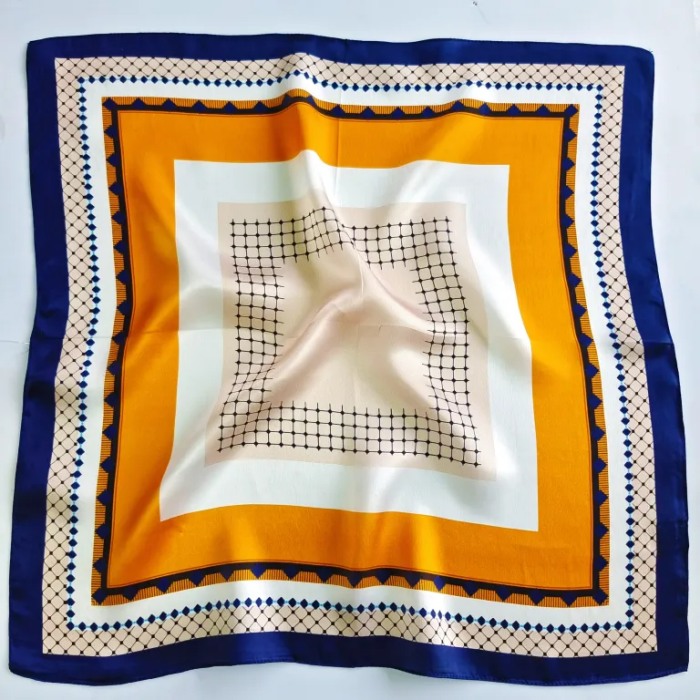
Build artwork at the final scarf size and include the hem allowance, repeat logic, border alignment, logo placement, and safe area. Important elements should not sit too close to the finished edge unless the design intentionally continues into the roll.
Recommended Artwork Formats
- AI, EPS, or editable PDF: Best for vector patterns, typography, logos, and geometric artwork.
- PSD or TIFF: Suitable for layered painted, photographic, and texture-rich designs.
- High-resolution PNG: Acceptable for some raster artwork when supplied at the final print size.
Use a defined color reference such as Pantone, LAB values, an approved physical swatch, or an agreed digital target. Screen colors are not reliable production standards because monitors, silk sheen, lighting, and fabric absorbency can change how a color appears.
For additional guidance on palette development, see how to choose silk scarf colors for styling and seasonal collections.
5Choose the Printing Method
Digital printing is suitable for detailed, multicolor, gradient, photographic, and lower-volume artwork. The result depends on fabric preparation, color profiling, ink control, steaming or fixation, washing, and finishing. Learn more about the custom silk printing process.
Single-sided printing emphasizes the face of the design, while double-sided printing can provide stronger color and different artwork on each side when the product specification requires it. Double-sided production should be evaluated for alignment, hand feel, cost, and fabric compatibility.
6Specify the Edge Finish and Branding
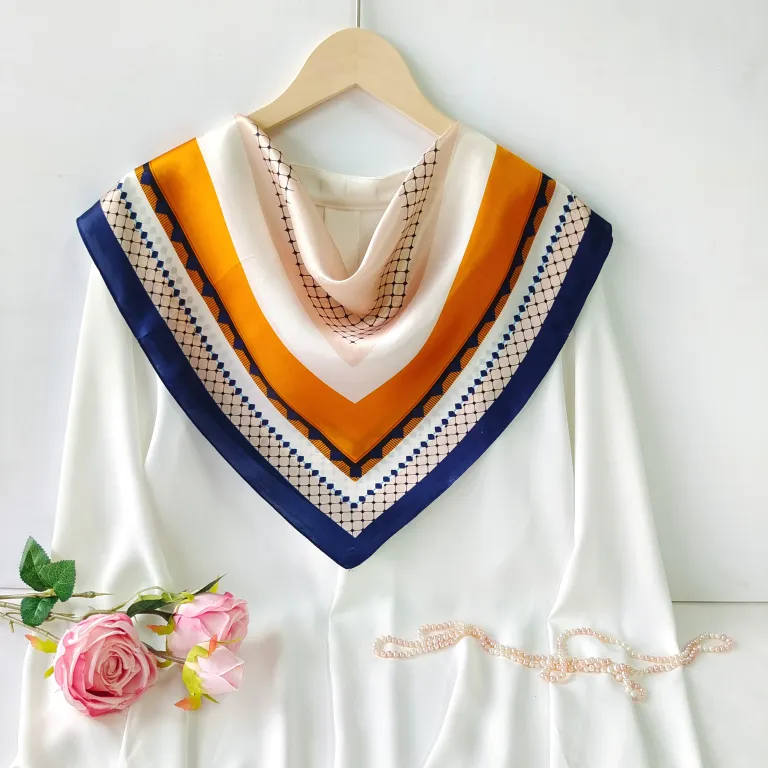
The edge finish changes the scarf's profile, cost, consistency, and luxury perception. A hand-rolled hem creates a soft, rounded edge with controlled handmade variation. A machine-finished hem provides faster production and greater consistency for larger or price-sensitive orders.
Compare the two options in our guide to hand-rolled vs machine-rolled silk scarves. Your specification should also define edge direction, thread color, stitch appearance, finished dimensions, and acceptable tolerances.
Branding options can include woven labels, printed logo tags, embroidery, wash-care labels, hangtags, or branded inserts. Confirm label size, folding method, material, placement, and attachment before sampling.
7Order a Sample and Confirm MOQ
DOCSUN supports custom silk scarf orders starting from 1 piece for sampling and small-batch development. This allows designers, brands, and product teams to test the fabric, artwork, color, dimensions, hem, labels, and packaging before committing to a larger production run.
For bulk production, the recommended quantity and unit price depend on the fabric, scarf size, printing method, edge finish, label requirements, packaging, and delivery schedule. A one-piece sample and a production order serve different purposes, so request pricing for both stages.
You can also review selected custom scarf cases to compare project formats and finishing directions.
8Design the Packaging
Packaging should protect the silk, support the selling price, and fit the sales channel. An individual protective bag may be enough for internal sampling, while retail and gifting programs may require branded sleeves, pouches, tissue paper, hangtags, rigid gift boxes, or shipping presentation.
Keep packaging development connected to the product timeline. Custom boxes and printed materials require artwork approval, sampling, production, and packing time. Explore custom packaging and private-label options when planning the full product.
9Approve the Production Specification
Before bulk production, consolidate every decision into one approved specification. Clear, measurable requirements reduce misunderstandings and help suppliers inspect the same characteristics that matter to your brand.
Custom Silk Scarf Pre-Production Checklist
- Final artwork file, print dimensions, bleed, border, and orientation
- Silk type, construction, weight, color, and approved fabric reference
- Finished scarf size and acceptable measurement tolerance
- Printing method, color standard, and approved sample
- Hand-rolled or machine-finished hem specification
- Labels, logo placement, care instructions, and attachment method
- Packaging components and packing sequence
- Order quantity, sample approval, delivery schedule, and shipping terms
Color cards, fabric cards, and craftsmanship cards are available through DOCSUN offices in Australia, the United States, and the United Kingdom. Contact the DOCSUN team to discuss the most useful material references for your project.
Frequently Asked Questions
How do I design my own custom printed silk scarf?
Start by defining the scarf's purpose and customer. Then select the silk fabric, size, shape, artwork, color standard, printing method, edge finish, labels, and packaging. Approve a physical sample before bulk production.
What file format is best for custom silk scarf artwork?
AI, EPS, or editable PDF files are preferred for vector artwork, logos, and clean line work. High-resolution PSD, TIFF, or PNG files can be used for photographic or painted designs when supplied at the final print size.
What is the best silk momme for a custom printed scarf?
The best weight depends on the fabric construction and intended use. Lighter silk feels airy and fluid, while higher momme silk offers more body and opacity. Evaluate the weave, weight, size, printing method, and target price together.
What is the MOQ for custom printed silk scarves?
DOCSUN supports custom silk scarf orders starting from 1 piece for sampling and small-batch development. Bulk production quantities and pricing depend on the fabric, size, printing method, edge finish, labels, packaging, and delivery requirements.
Can I customize silk scarf packaging and labels?
Yes. Options can include woven labels, logo tags, wash-care labels, hangtags, sleeves, pouches, gift boxes, and branded presentation materials.
Final Thoughts
A custom printed silk scarf succeeds when creative ideas are translated into a complete, testable product specification. Define the customer, make decisions in the right order, approve the actual fabric and print, and document the final construction before production.
Start Your Custom Silk Scarf Project
Send us your artwork, preferred silk, scarf size, quantity, finishing, labels, packaging, and target delivery date. Our team will help you plan the sample and quotation.
Request a QuoteFast response within 24 hours